Voltmat Power
Voltmat Power
Voltmat Power
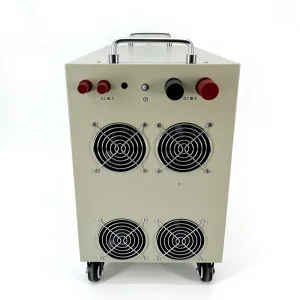 24V-10000W DC Adjustable Switching Power Supply 110-380V Input AC-DC Single Output High Efficiency Industry Use High Stability 1
View Details
24V-10000W DC Adjustable Switching Power Supply 110-380V Input AC-DC Single Output High Efficiency Industry Use High Stability 1
View Details
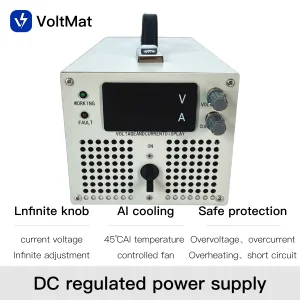 Switching Power Supply 1500W-2000W DC Adjustable Switching Power Supply with 12V-600V Options
View Details
Switching Power Supply 1500W-2000W DC Adjustable Switching Power Supply with 12V-600V Options
View Details
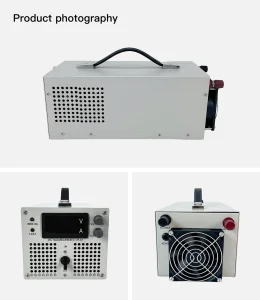 Ouput72V-1500W Industrial High Power Single AC-DC Power Supply Module 88-89% Efficiency 1 Year Warranty Overload
View Details
Ouput72V-1500W Industrial High Power Single AC-DC Power Supply Module 88-89% Efficiency 1 Year Warranty Overload
View Details
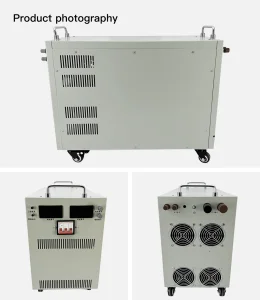 300V-12000W Industrial Grade DC Regulated Adjustable Switching Power Supply Single Output High Efficiency 89% 1 Year Warranty
View Details
300V-12000W Industrial Grade DC Regulated Adjustable Switching Power Supply Single Output High Efficiency 89% 1 Year Warranty
View Details
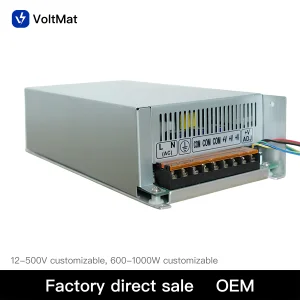 90V-700W Regulated Single Output AC-DC Switching Power Supply 600W-1000W Adjustable 12V-500V High Efficiency Industrial Use High
View Details
90V-700W Regulated Single Output AC-DC Switching Power Supply 600W-1000W Adjustable 12V-500V High Efficiency Industrial Use High
View Details
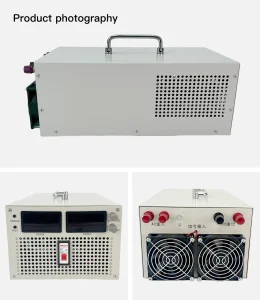 Output 60V-5000W Industrial Grade High-Power Adjustable DC Regulated AC-DC Power Supply Single Output High Stability Reliability
View Details
Output 60V-5000W Industrial Grade High-Power Adjustable DC Regulated AC-DC Power Supply Single Output High Stability Reliability
View Details
In modern industrial manufacturing and power electronics design, the demand for highly reliable testing instruments has grown exponentially. From electric vehicles (EV) and clean energy microgrids to advanced telecommunication hubs and medical diagnostic equipment, the core of system reliability lies in how well a power supply manages load transitions, maintains line regulation, and handles thermal stress.
Power Supply Testers play an essential role in debugging, quality control, and field-service maintenance. By simulating complex dynamic loads, transient over-voltage conditions, and environmental extremes, these systems detect early component degradation and design flaws. Modern testing protocols demand programmable flexibility, high-frequency signal monitoring, and high-density packaging architectures that perform continuously under full thermal saturation.
As standard systems shift to higher voltages and dynamic operation ranges, traditional testing devices are being replaced by high-precision, digital feedback loop systems. These systems provide clean DC simulation, regenerative load energy recycling, and real-time interface logging to meet the rigorous demands of safety standard audits globally.
Headquartered in Shanghai—one of the world's most vital transport, logistics, and electronics manufacturing hubs—our company operates a state-of-the-art 10,000 square meter professional production factory. For over 15 years, we have specialized in the research, development, and mass production of high-power regulated power supplies and high-voltage testing instruments.
Leveraging Shanghai's high-tech industrial base and proximity to international logistics networks, we offer efficient delivery pipelines, custom OEM/ODM solutions, and fast technical support. Every unit manufactured at our facilities undergoes double-pass computerized automated testing alongside thorough manual inspection, maintaining a 99.9% factory qualification rate.
Our production flow combines automated precision machinery with rigorous human oversight to guarantee that every single switching power supply and tester meets global safety standards.
 Wire Cutting
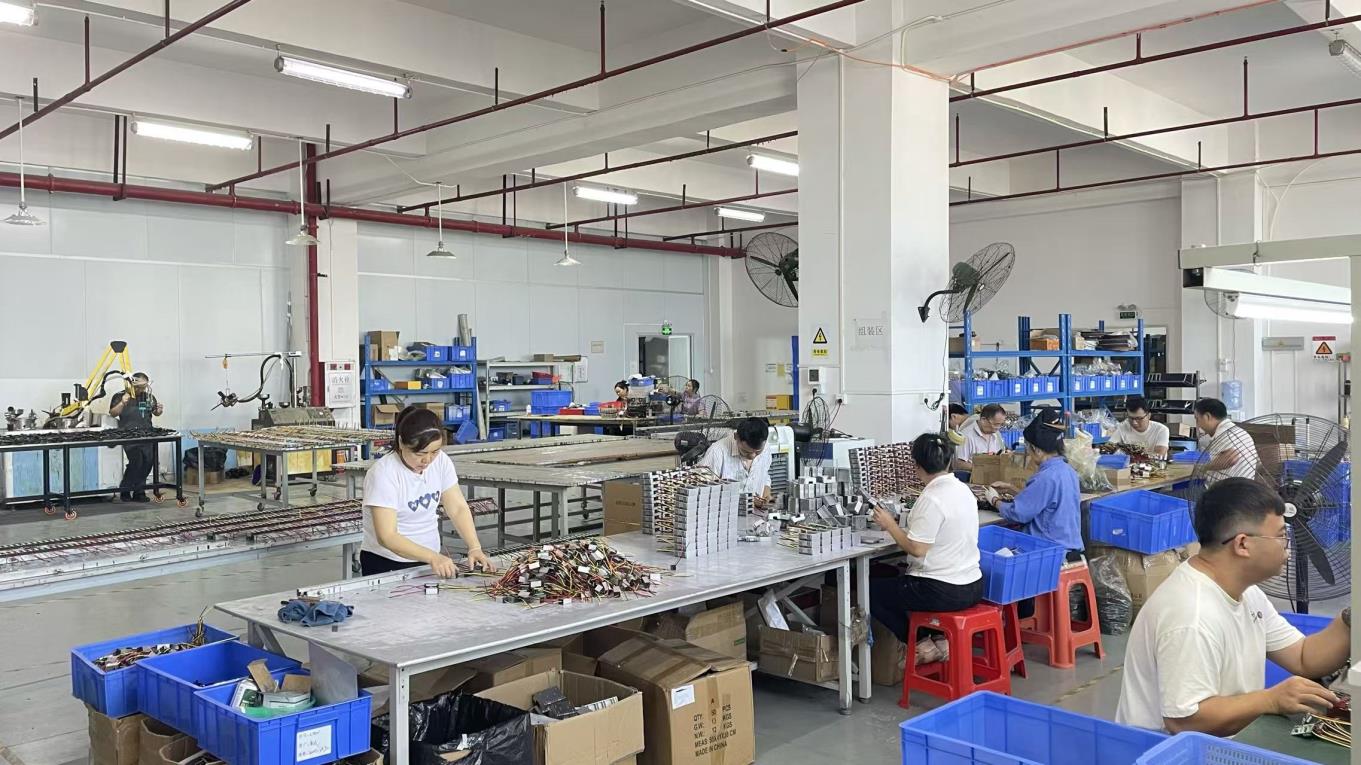 Plug-In
 Soldering Tin
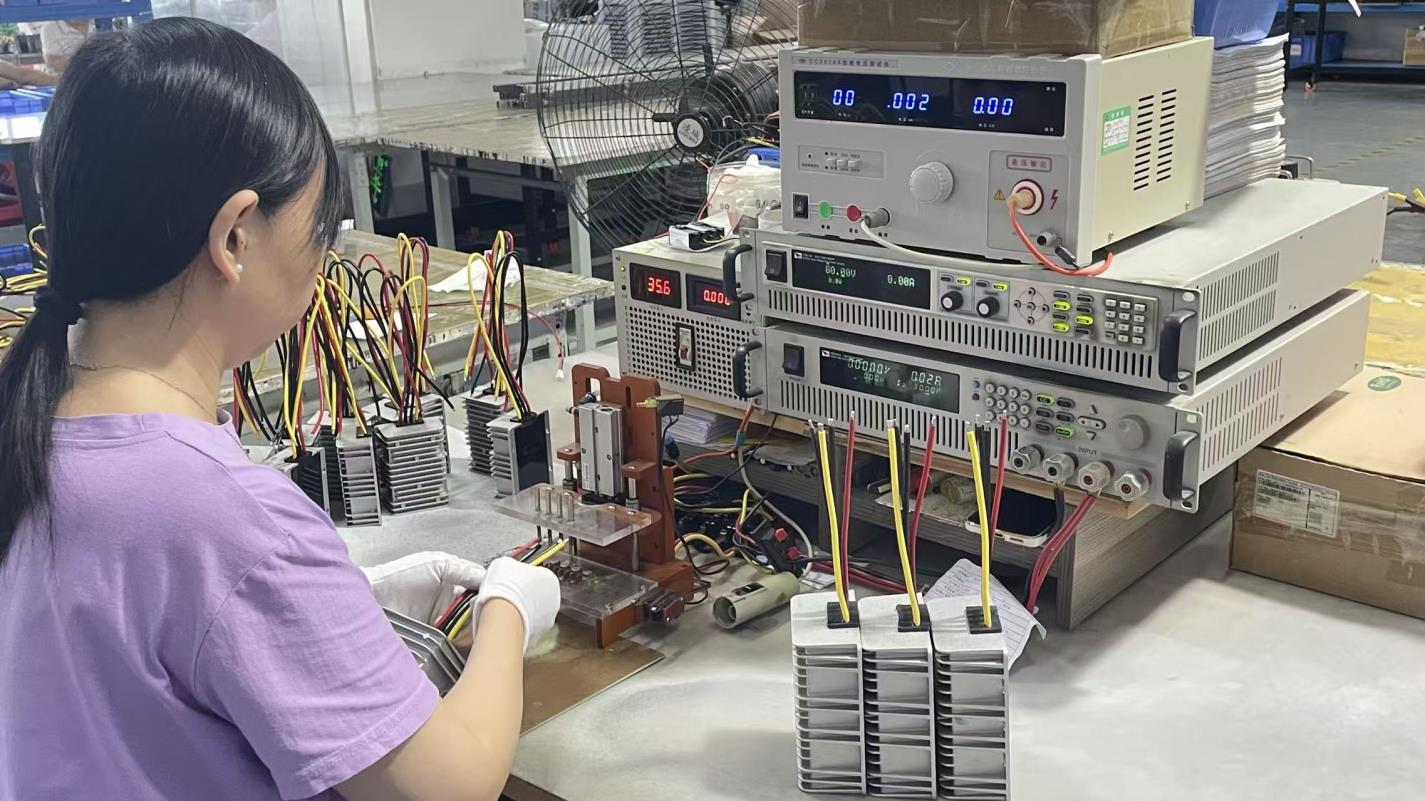 Test
Test
 Glue Filling
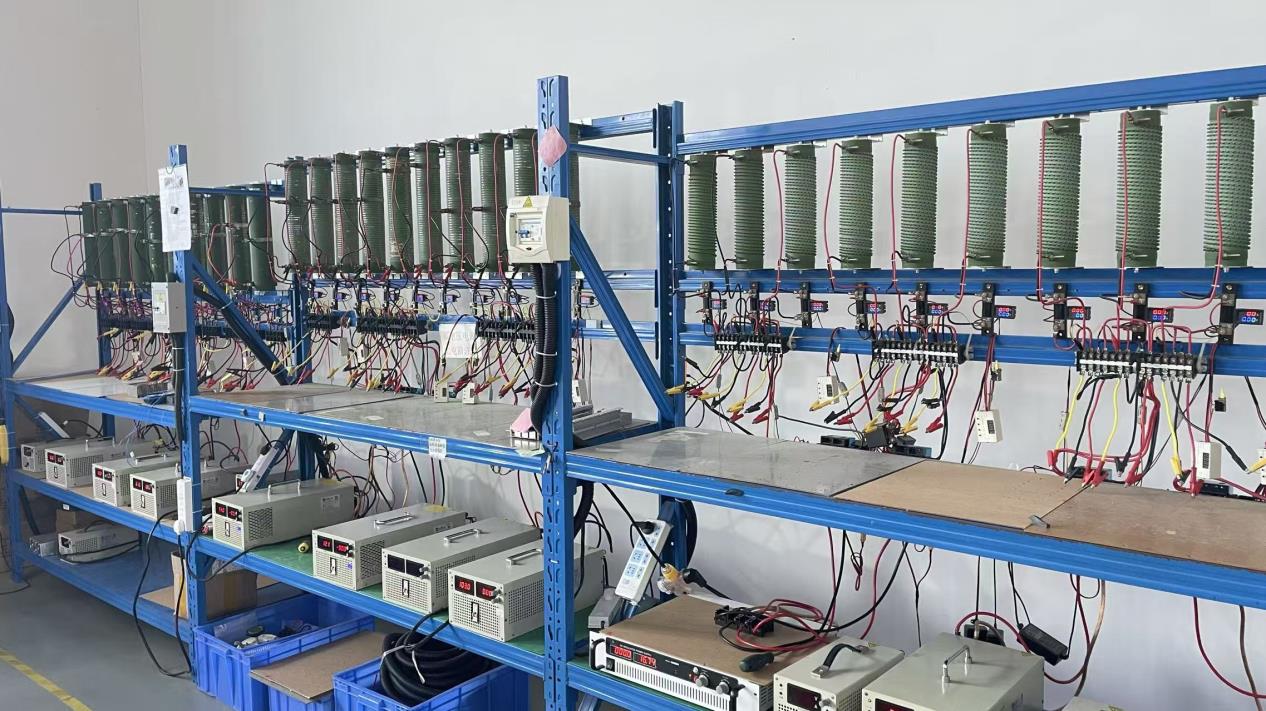 Burn-In Test
 Packaging
 Winding Machine
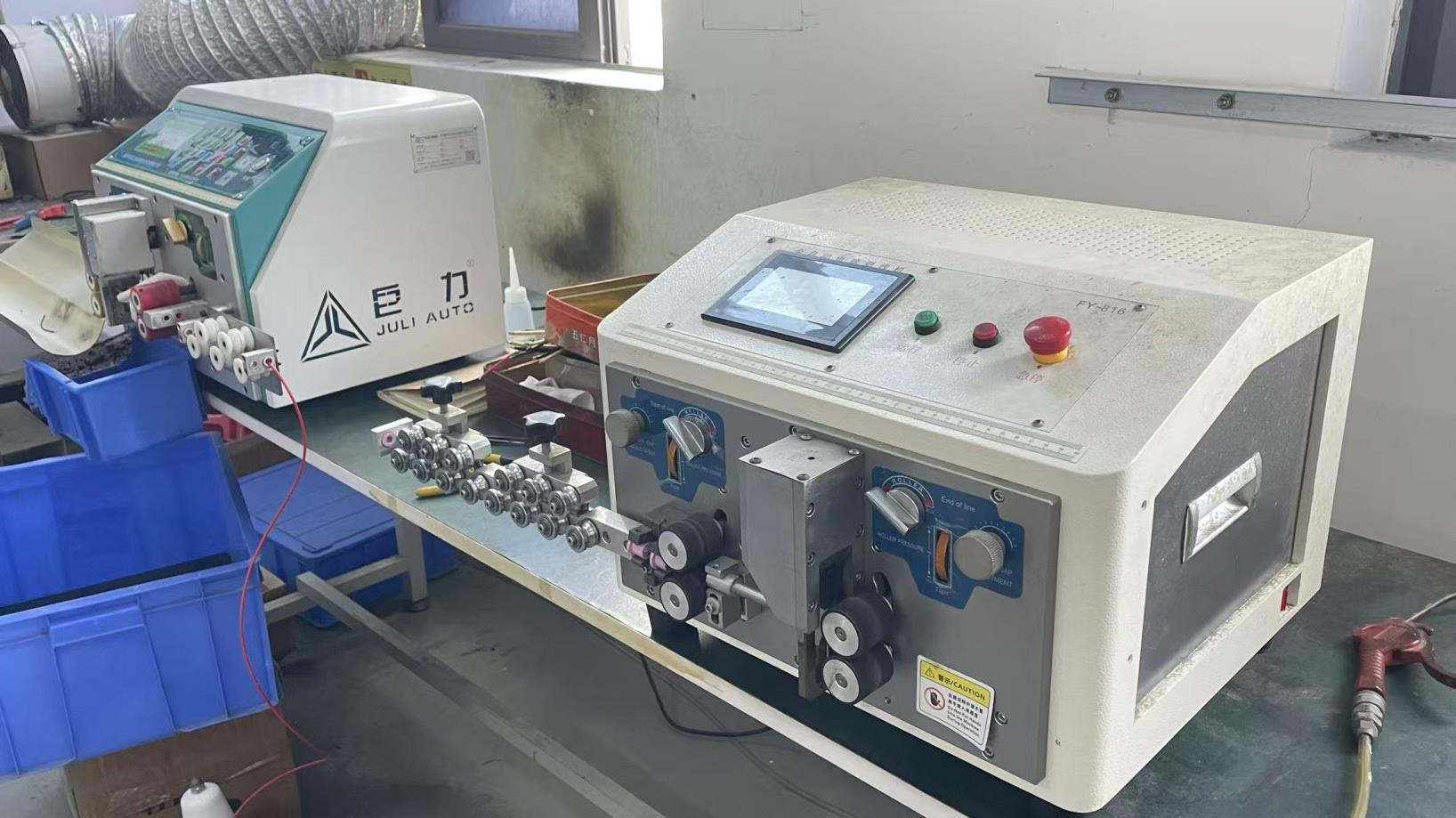 Wire Cutting Machine
 Automatic Soldering Machine
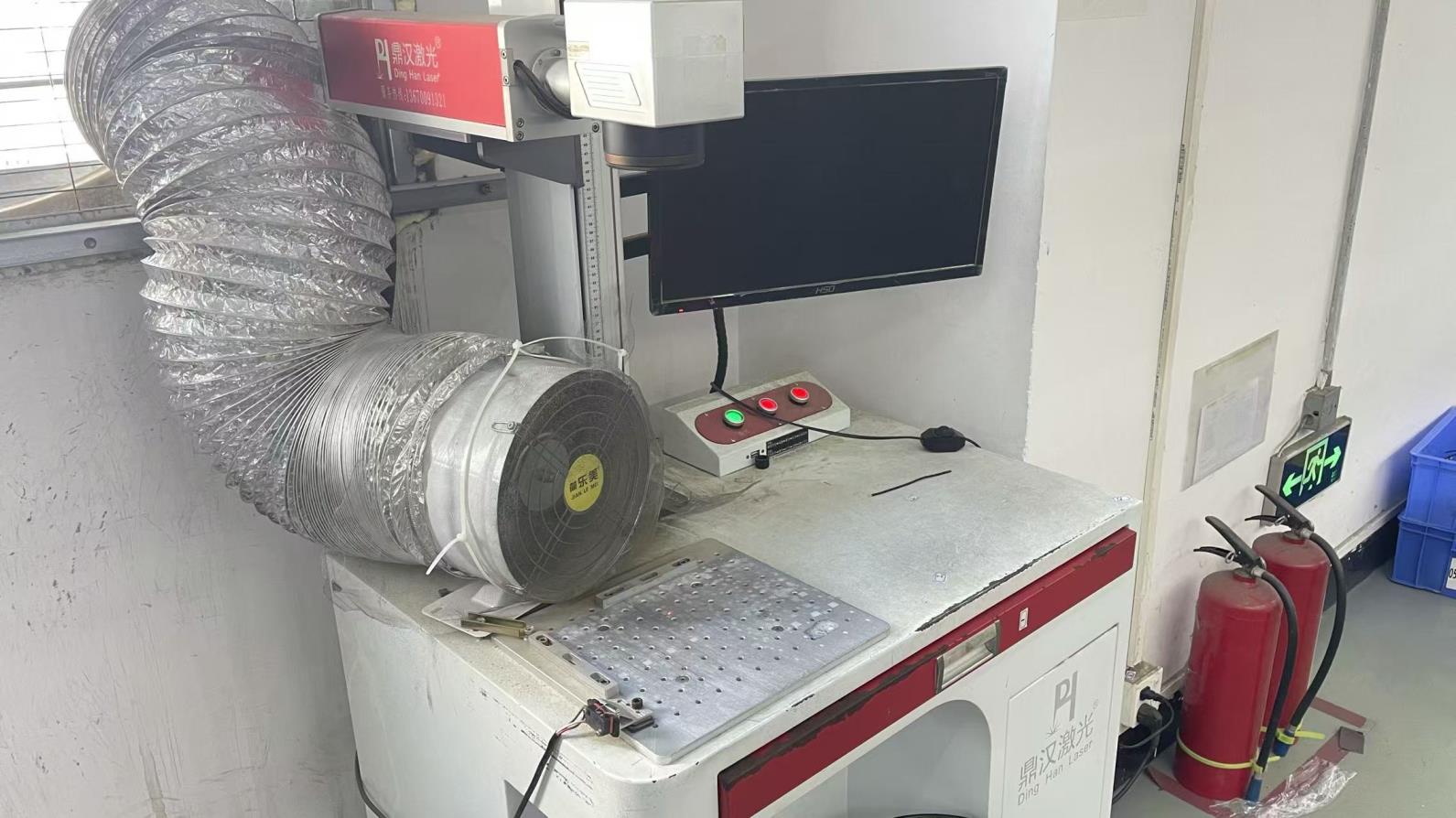 Laser Engraving Machine
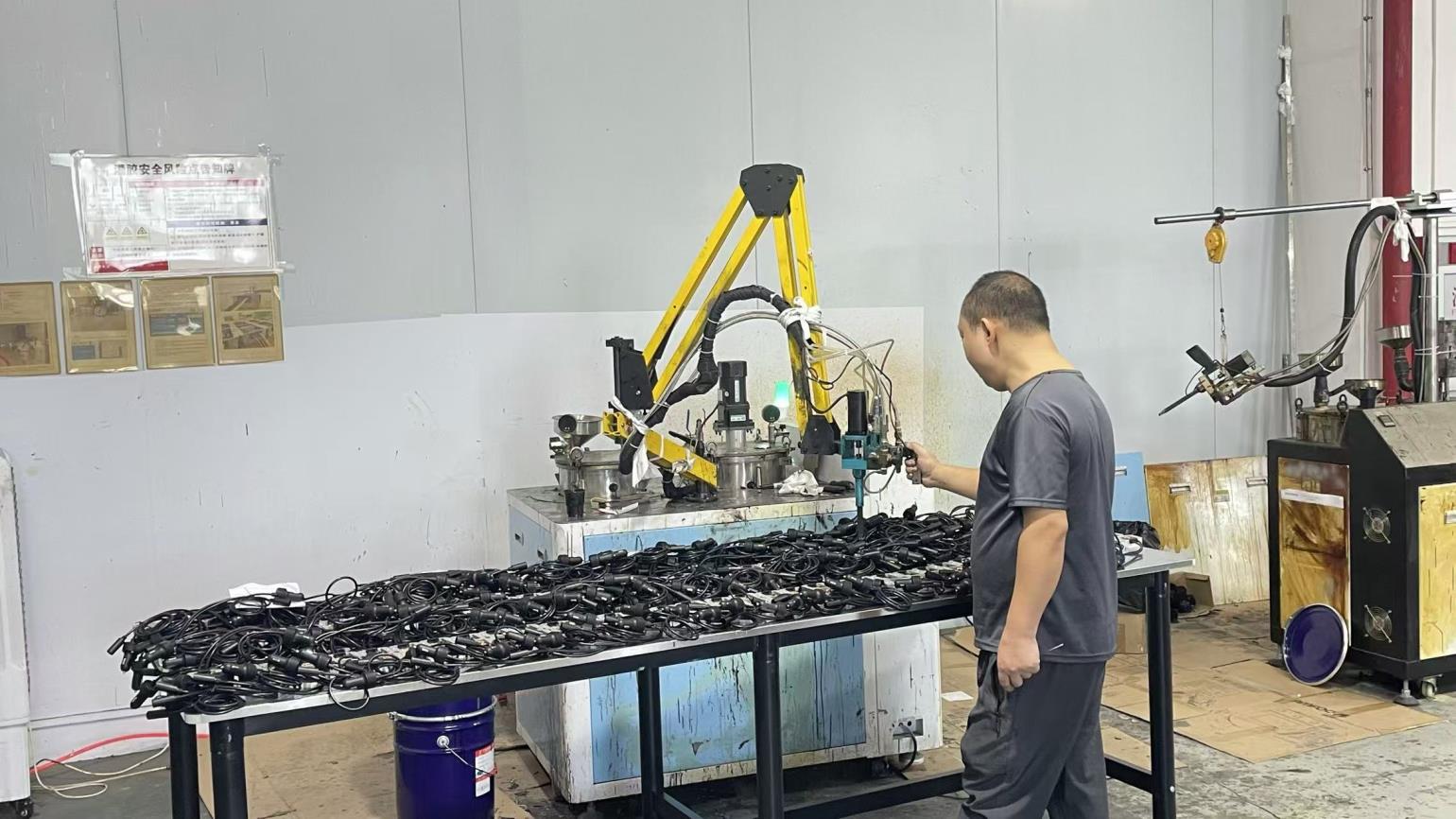 Canning Machine
 Assembly Line
Our testing laboratory is equipped with precision machinery to evaluate insulation, thermal performance, load limits, and design integrity under real-world conditions.
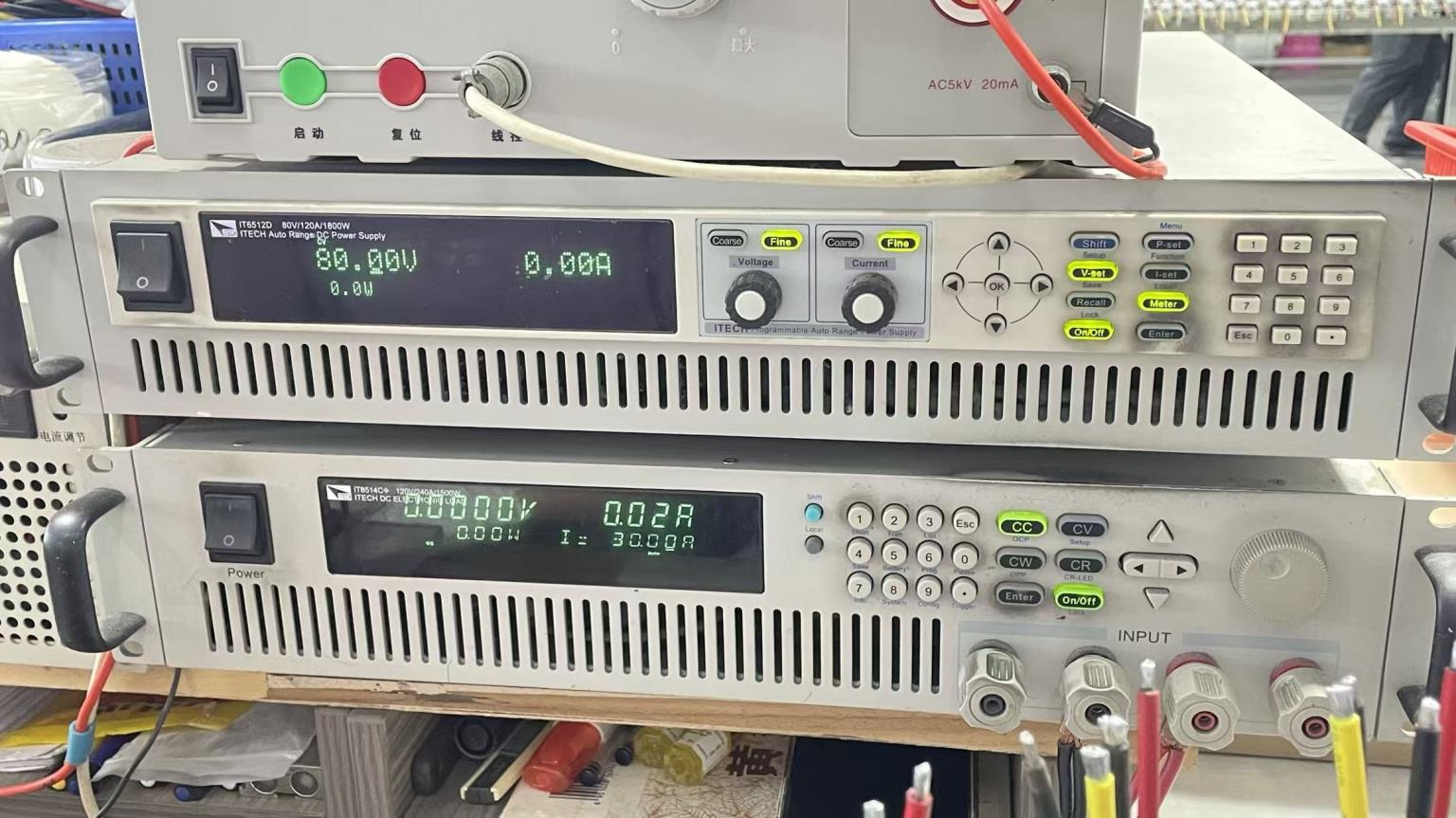 DC Power Supply Tester
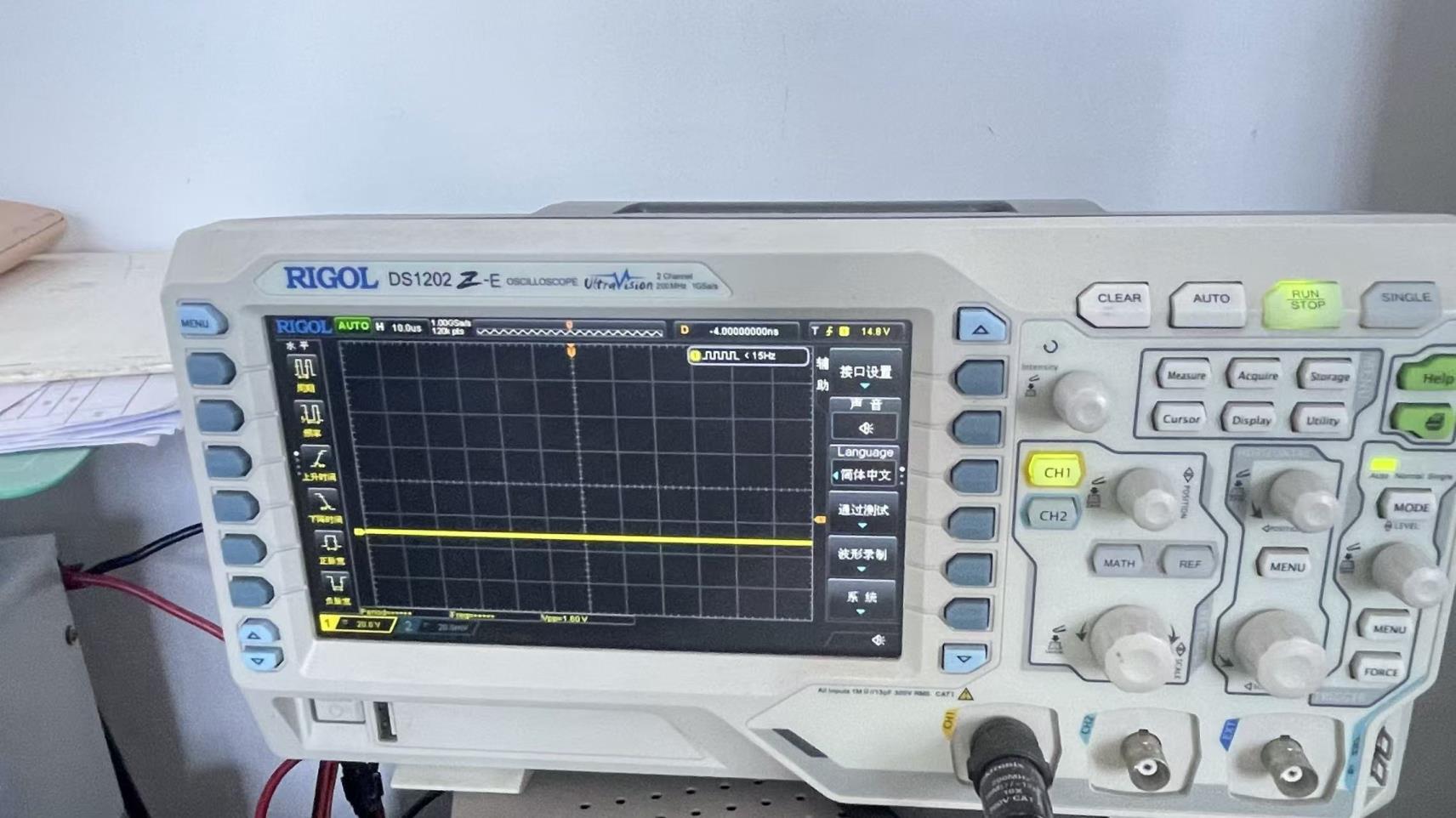 AC Withstand Voltage Tester
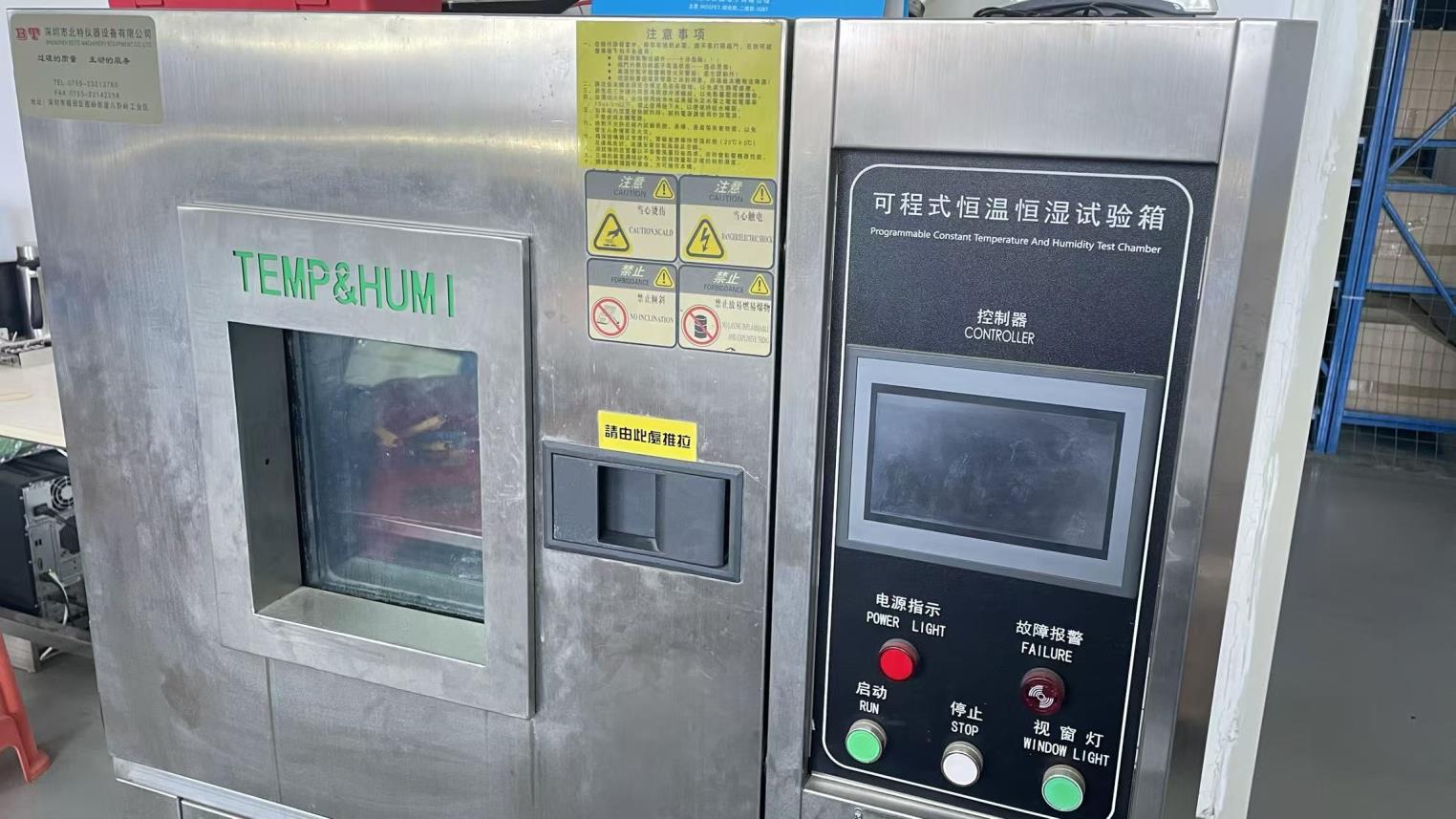 Constant temperature and humidity chamber
 Optical microscope
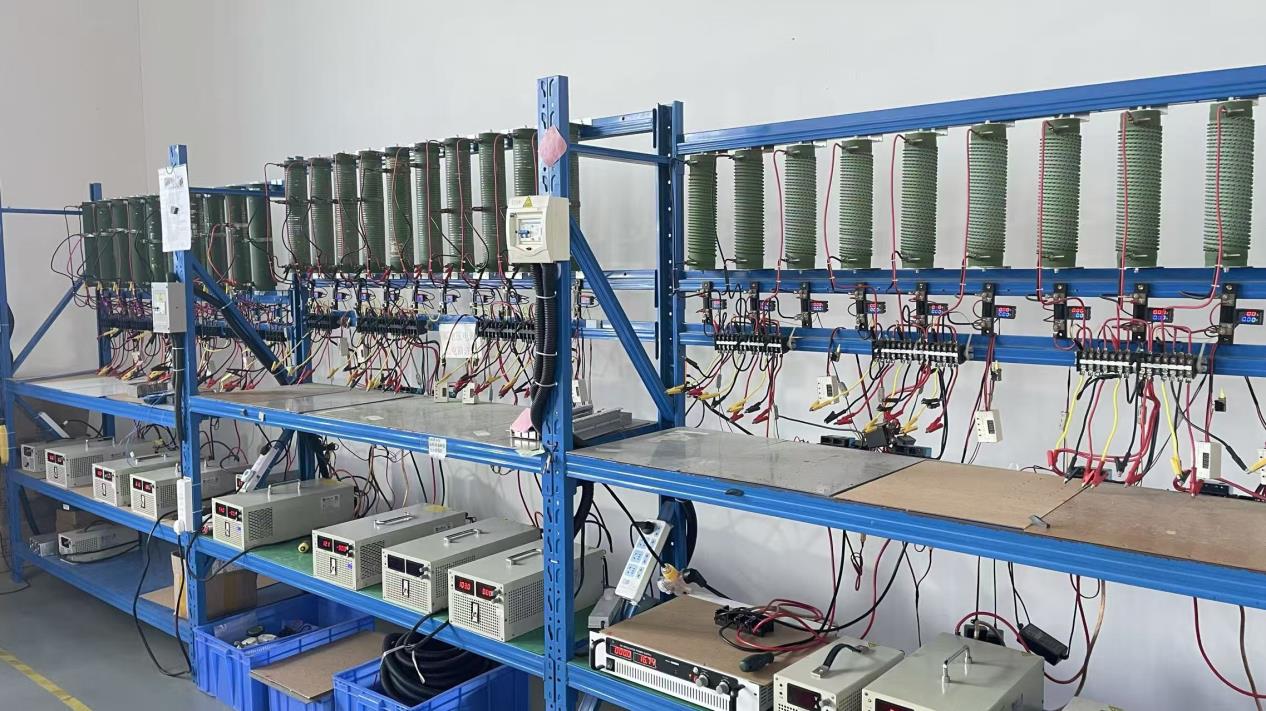 Aging test
 Design
SiC and GaN Integration: Wide bandgap semiconductors are replacing traditional silicon transistors, reducing switching losses and boosting high-temperature efficiency in power systems.
Smart Communication Interfaces: Industrial testing calls for remote data logging via Ethernet, RS485, Modbus-RTU, and CANbus, integrating power supplies into larger Scada networks.
Bidirectional Energy Flows: Regenerative electronic loads feed power back into the local grid during testing, saving up to 85% in operating costs.
Battery Charging & Grid Simulation: High-power DC modules test EV batteries, simulating realistic charging patterns and discharge profiles.
Electroplating & Electrolysis: Low-voltage, high-current power supplies deliver stable, ripple-free current, crucial for precision chemical plating.
Laboratory & Educational R&D: Programmable outputs allow universities and research facilities to run automated voltage sweeps and transient tests.
Efficiency & Total Cost of Ownership: Prioritize modules with 88-89%+ conversion efficiency to reduce active cooling costs over time.
Protection Mechanics: Ensure built-in defense against over-current, over-voltage, thermal runaway, and short-circuit conditions.
Testing Standard Compliance: Specify equipment tested via certified AC withstand and humidity chambers to confirm long-term field stability.
Industrial electronics are sensitive to humidity and vibration. We use a multi-tiered export packaging system to protect every shipment.
We pack sensitive assemblies in vacuum-sealed, moisture-barrier wrapping to prevent corrosion during maritime and intercontinental transit.
Custom-fit polyethylene (PE) foam blocks secure internal boards and chassis, protecting delicate power relays from mechanical vibrations.
Heavy-duty, double-wall corrugated cardboard boxes resist crushing and impacts during multi-stage shipping handling.
For high-power or heavy modules, a custom wood pallet crate is built around the shipment to keep the equipment stable and upright.
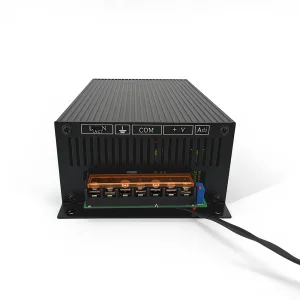 Single Output 50V-400W High-Power Regulated AC-DC Power Supply for Laboratory & Industrial LED Equipment 50/60Hz
View Details
Single Output 50V-400W High-Power Regulated AC-DC Power Supply for Laboratory & Industrial LED Equipment 50/60Hz
View Details
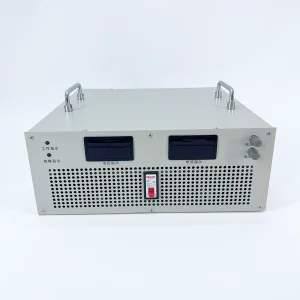 Output 110V 7000W High-Power Single Output AC-DC Power Supply for Industrial DC Applications
View Details
Output 110V 7000W High-Power Single Output AC-DC Power Supply for Industrial DC Applications
View Details
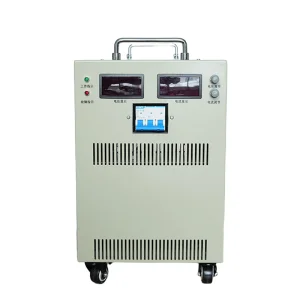 High Precision Adjustable 10000W Switching Regulated Power Supply with Optional 24V-1000V Optional Output
View Details
High Precision Adjustable 10000W Switching Regulated Power Supply with Optional 24V-1000V Optional Output
View Details
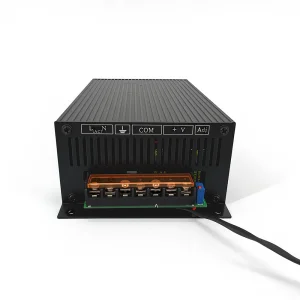 Output 220V-500W Adjustable Switching Power Supply Single Output High Efficiency 88-89% 12-400V DC Industry Use High Stability
View Details
Output 220V-500W Adjustable Switching Power Supply Single Output High Efficiency 88-89% 12-400V DC Industry Use High Stability
View Details
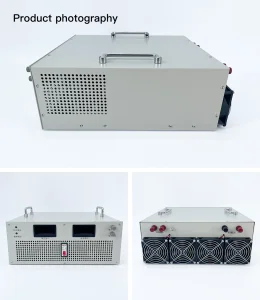 Output 60V-10000 High Efficiency AC-DC Switching Voltage Regulator 1 Year Warranty Protection for Industrial DC
View Details
Output 60V-10000 High Efficiency AC-DC Switching Voltage Regulator 1 Year Warranty Protection for Industrial DC
View Details
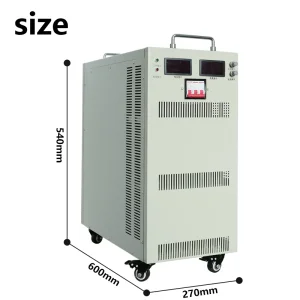 Digital Display Adjustable High-Power Single Output AC-DC Industrial DC Stabilized Switching Power Supply 88%-89% Efficiency 1
View Details
Digital Display Adjustable High-Power Single Output AC-DC Industrial DC Stabilized Switching Power Supply 88%-89% Efficiency 1
View Details