Voltmat Power
Voltmat Power
Voltmat Power
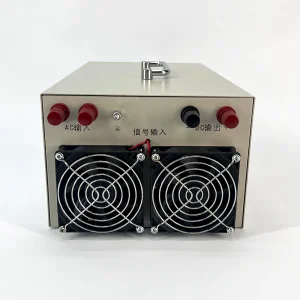
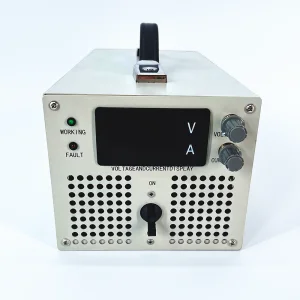
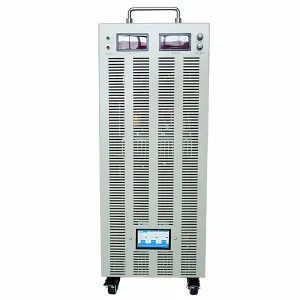
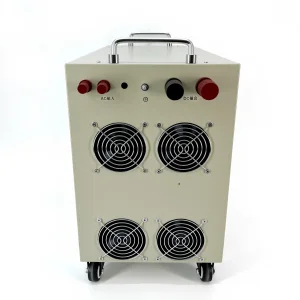
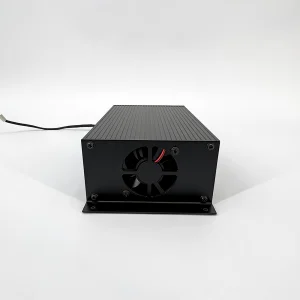
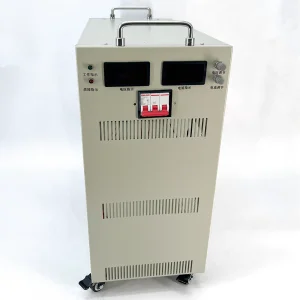
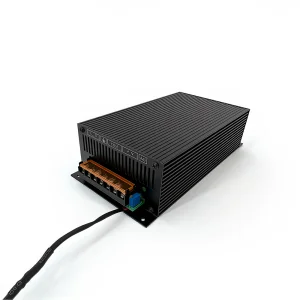
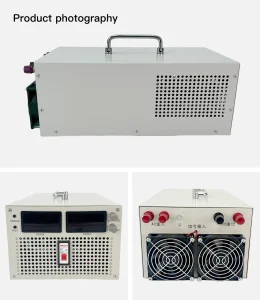
The global demand for high-reliability, programmable Direct Current (DC) laboratory power supplies has escalated rapidly. Modern scientific and industrial sectors require more than just steady voltage; they demand highly programmable, high-efficiency, and digitally integrated instruments. Across major technological frontiers—including semiconductor fabrication, electric vehicle (EV) battery testing, aerospace engineering, and renewable energy simulation—the laboratory power supply is the foundational baseline for precise research and quality validation.
In terms of internal topologies, the power electronics landscape has migrated significantly from classic linear architectures to high-frequency Switching Mode Power Supplies (SMPS). While linear designs offer low ripple profiles, their thermal inefficiency and sheer physical footprint make them impractical for high-power applications. Modern SMPS utilize cutting-edge Silicon Carbide (SiC) and Gallium Nitride (GaN) power transistors. This allows them to switch at speeds exceeding 100 kHz while maintaining conversion efficiencies of 89% and above, even when outputting thousands of watts. By scaling down the physical size of magnetic components and inductors, factories can construct laboratory power supplies capable of handling ranges from 12V to 1000V and wattages up to 24kW in compact, rack-mountable designs.
Simultaneously, the industry is witnessing an exponential shift towards software-defined power testing. Engineers no longer manually turn dials on a physical front panel; instead, they integrate laboratory power supplies into automated test benches via digital communication interfaces such as Modbus-RTU over RS485, CAN bus, LAN, GPIB, and USB. This allows for real-time telemetry logging, complex waveform programming, and high-speed simulation profiles. This level of automation is essential for reproducing battery charge/discharge cycles or testing automotive components against sudden transients and drops in line voltage.
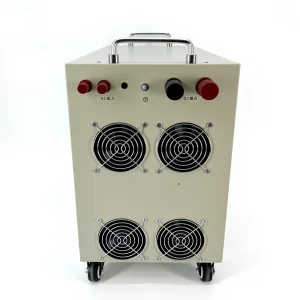
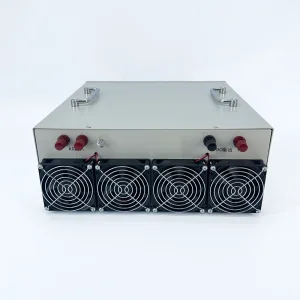
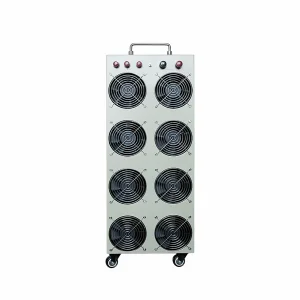
Equipped with intelligent, temperature-controlled forced air-cooling tunnels and oversized internal heatsinks to prevent thermal runaway under continuous maximum load configurations.
Built-in protective architectures including Over-Voltage Protection (OVP), Over-Current Protection (OCP), Over-Temperature Protection (OTP), and Short-Circuit Protection (SCP) with auto-recovery modes.
Optimized low-pass filtering and closed-loop feedback controllers guarantee an incredibly stable output. They exhibit ultra-low line and load regulation drift alongside minimal RMS ripple noise.
Global procurement specialists face high stakes when selecting a factory partner for laboratory and industrial power supplies. Equipment failure in a research setting or manufacturing line can stall operations, costing thousands of dollars per hour. Therefore, procurement evaluations must move beyond unit price and focus on total cost of ownership (TCO) and long-term hardware reliability.
Key technical specifications that procurement teams must analyze include:
Furthermore, safety certifications (such as CE, RoHS, and FCC) are non-negotiable baselines for importing electrical equipment into regions like the European Union and North America. Factory-level transparency—such as public access to automated QA reports, raw components quality validation, and traceable test equipment metrics—separates top-tier exporters from average suppliers.
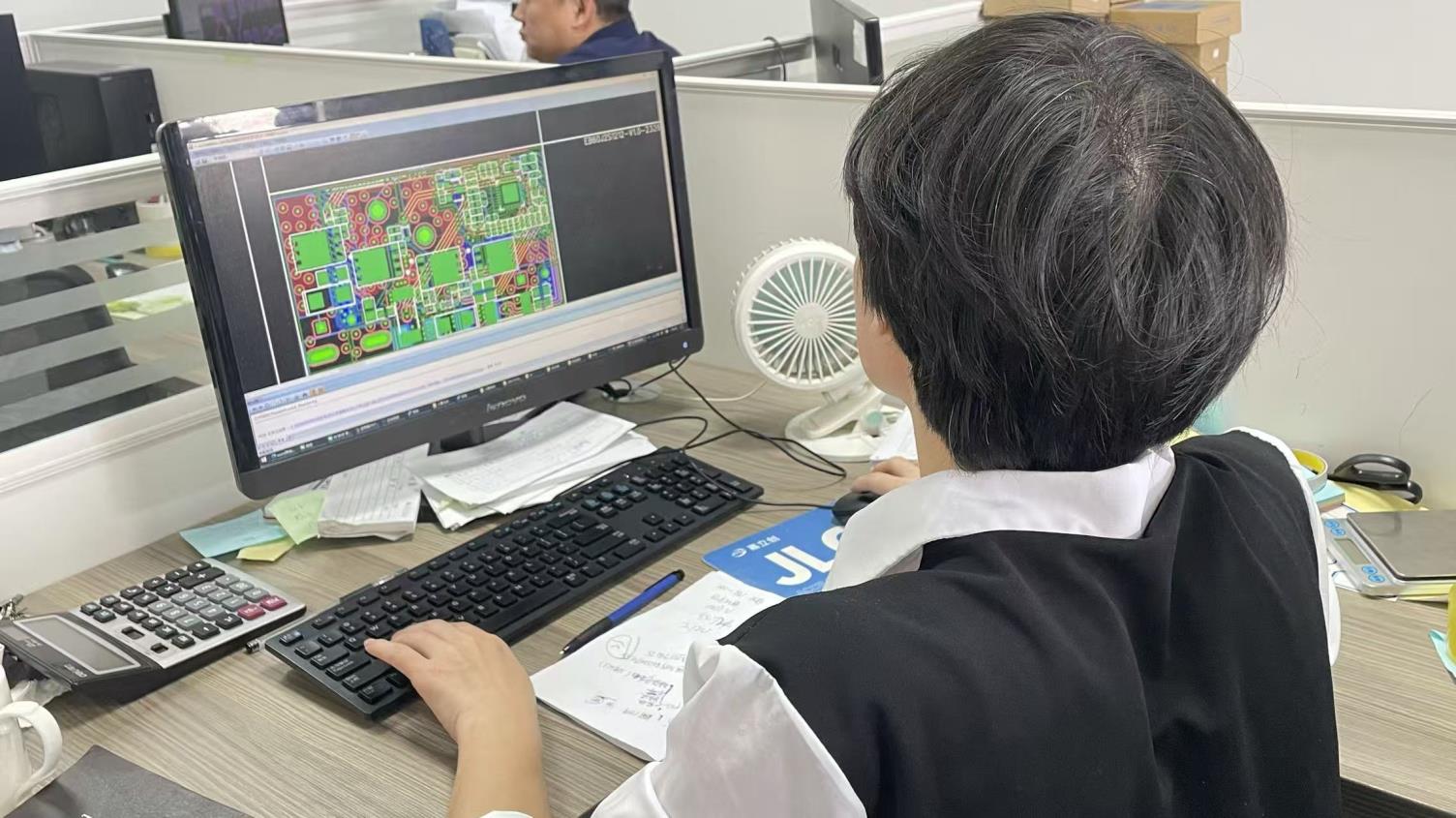
Our 10,000 m² Shanghai facility enforces strict end-to-end manufacturing controls. By utilizing state-of-the-art automation equipment alongside a multi-step quality assurance workflow, we achieve a verified 99.9% factory qualification rate.


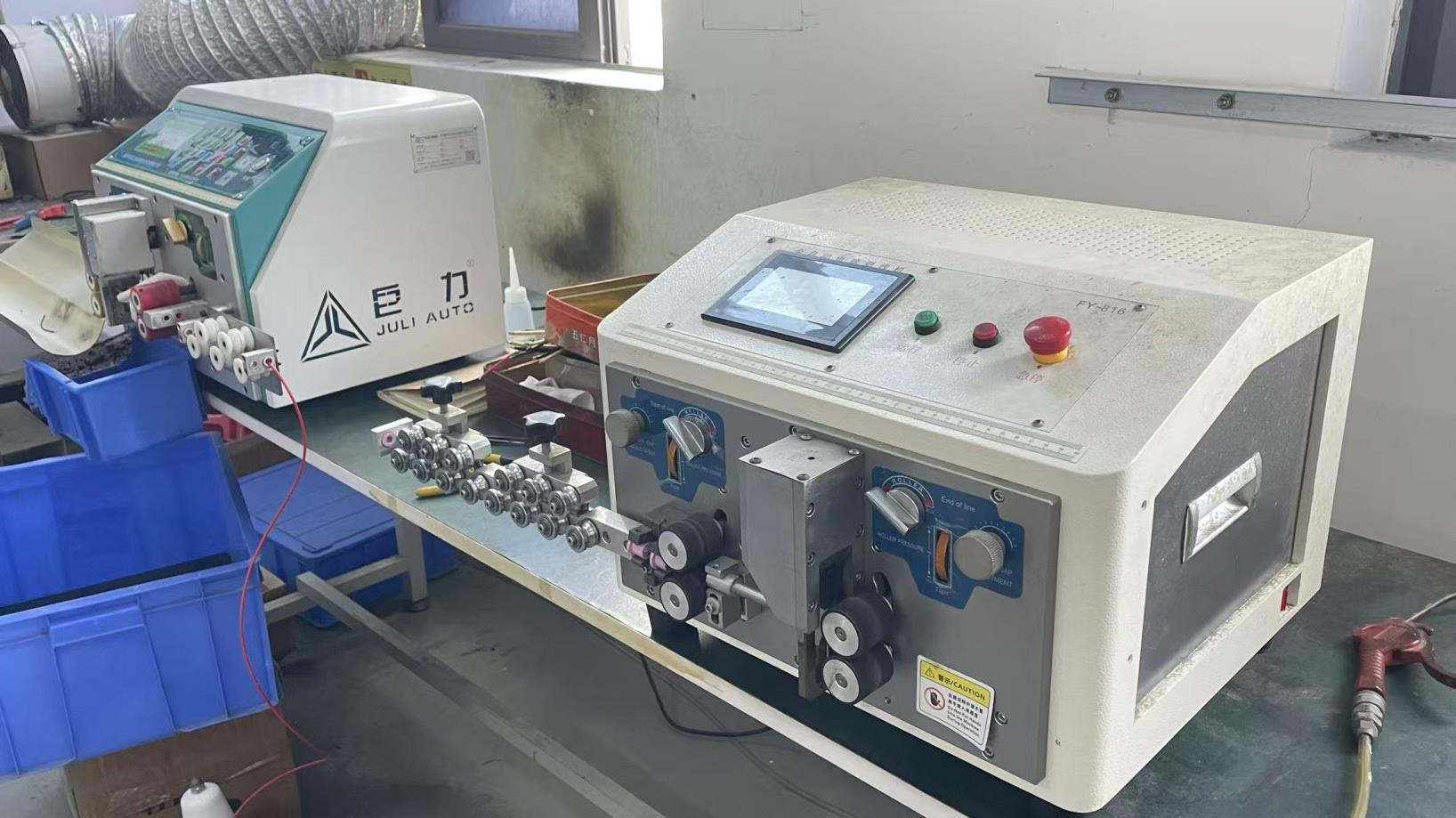
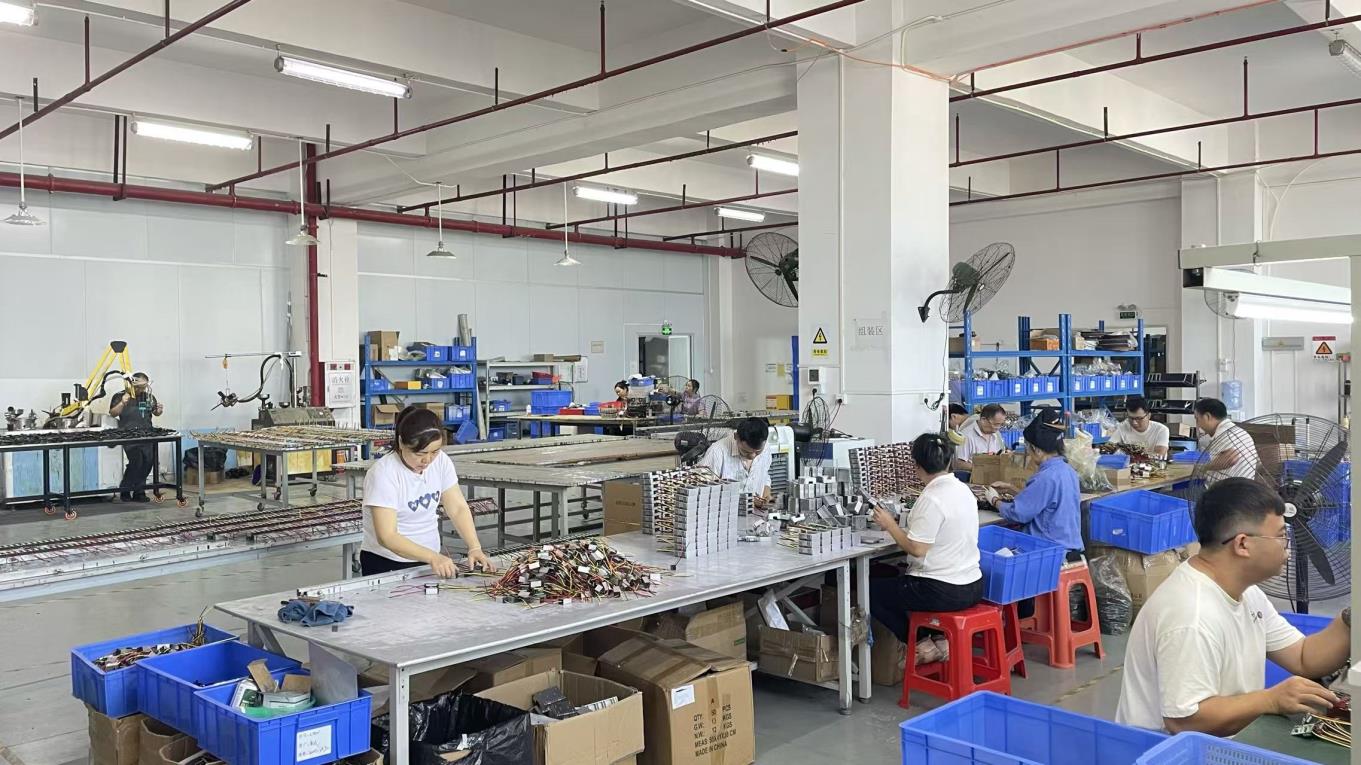


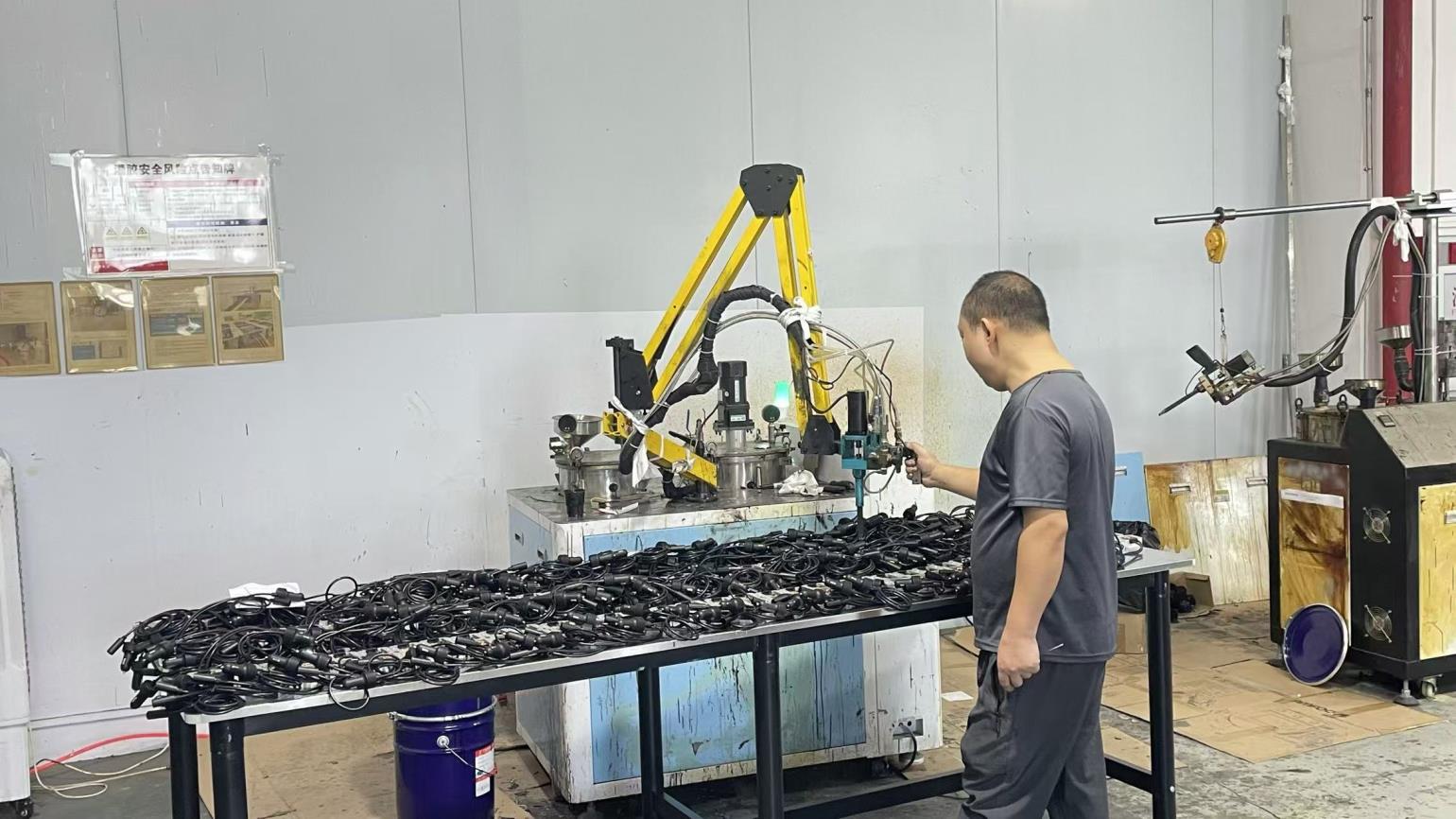
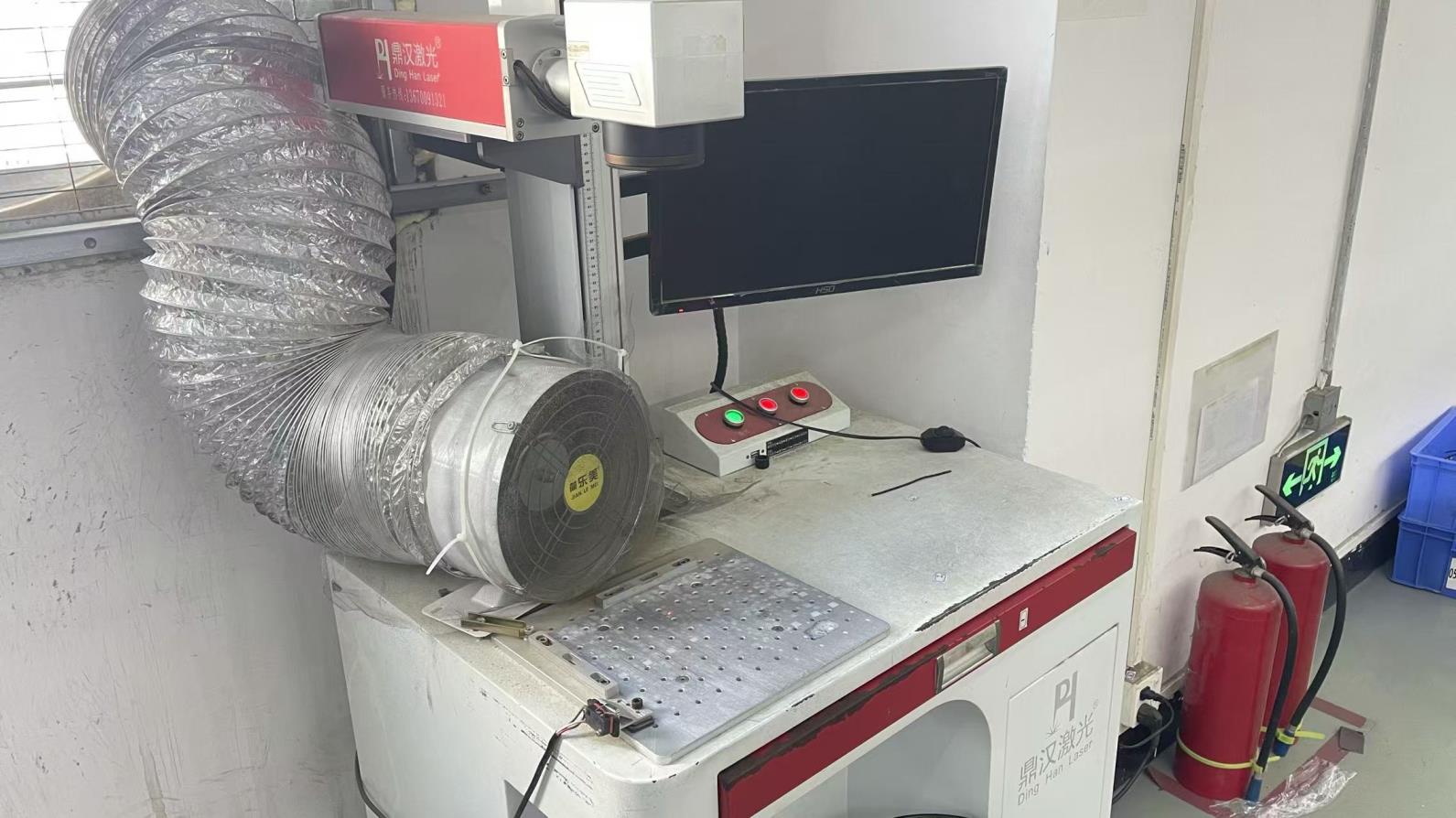

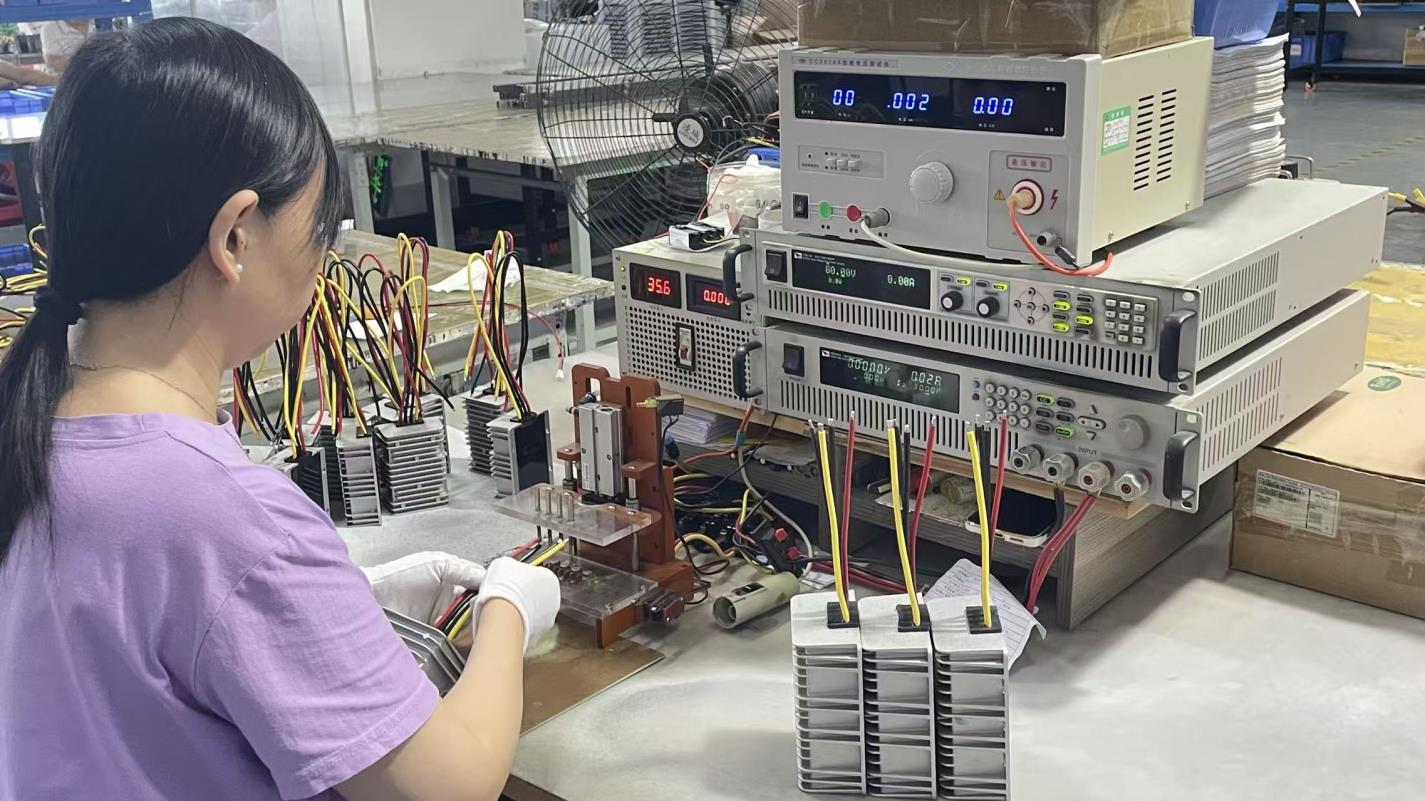
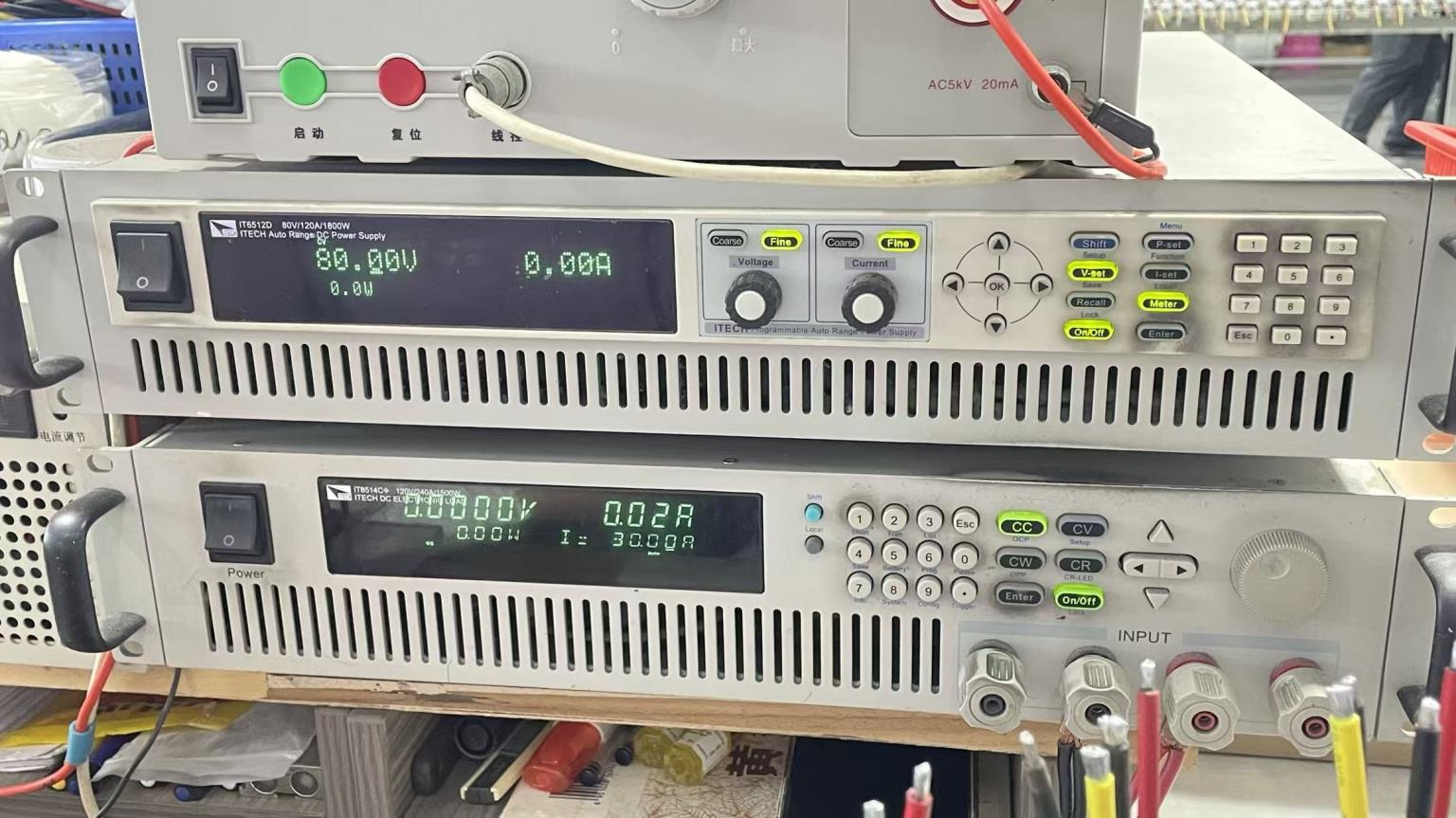
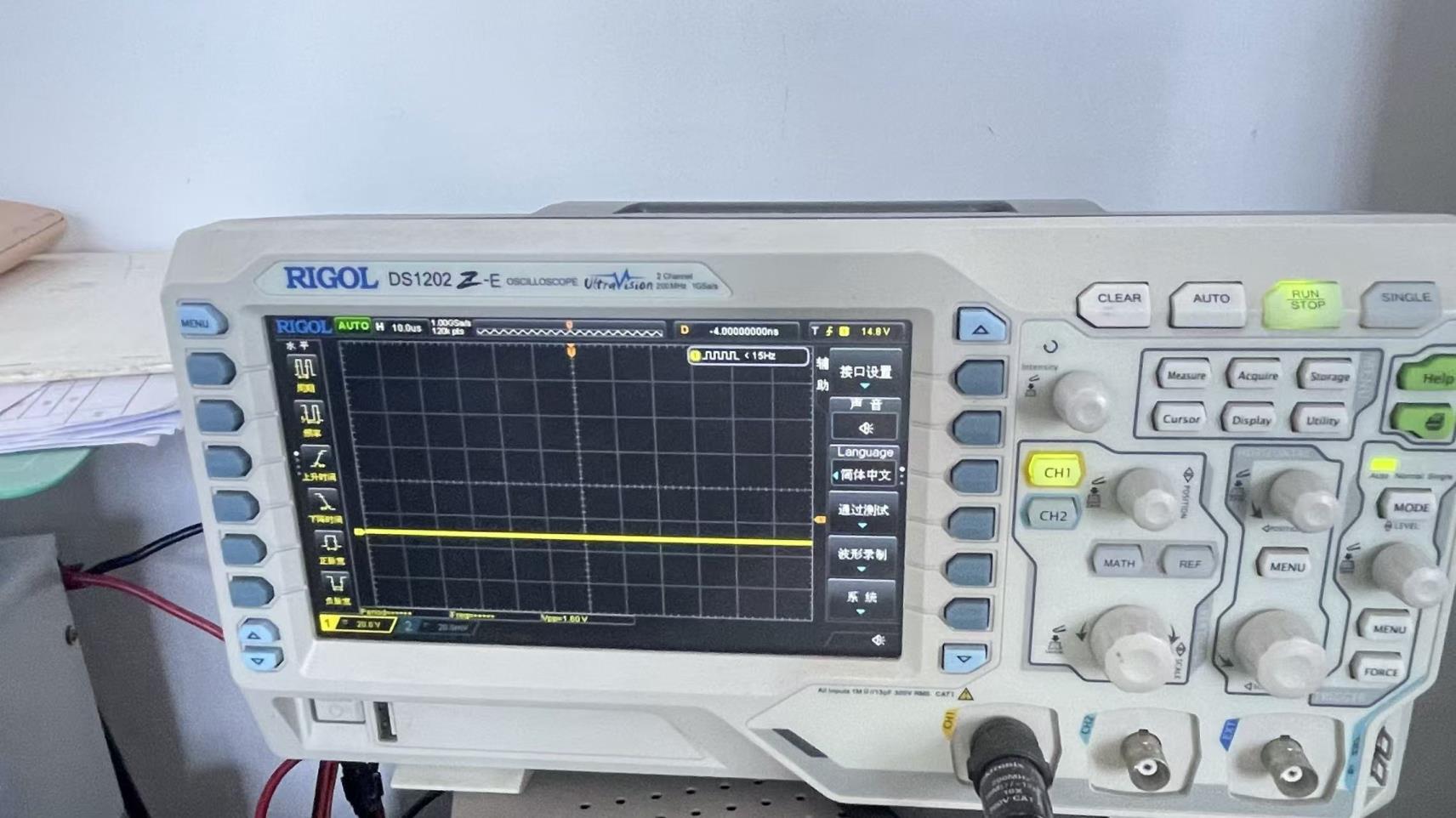
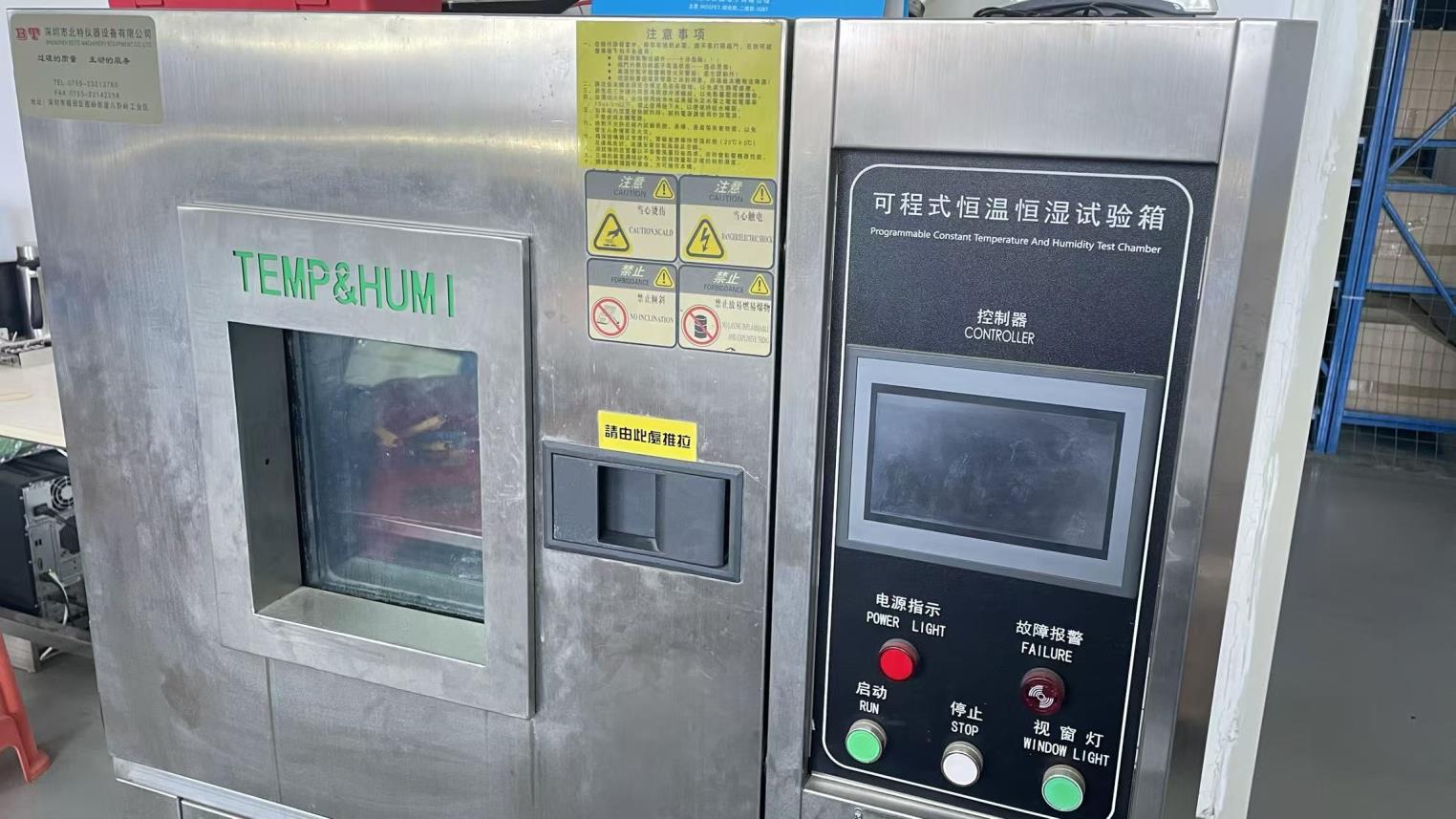

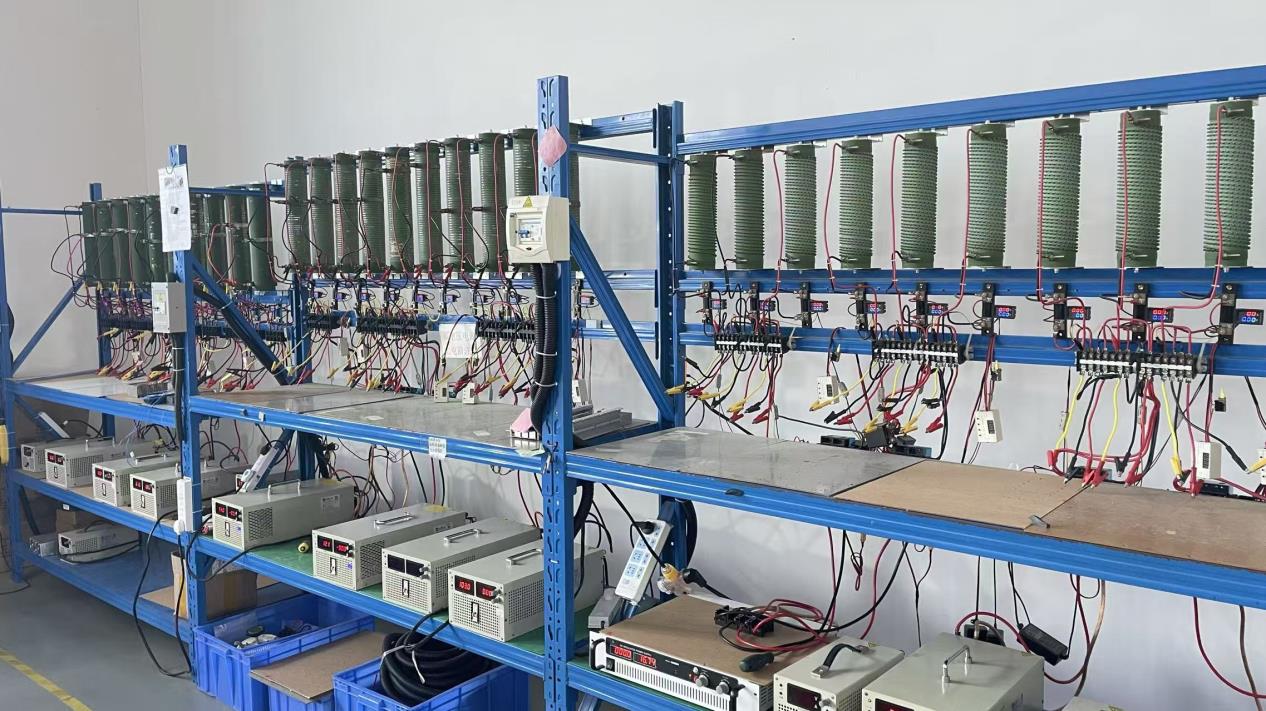
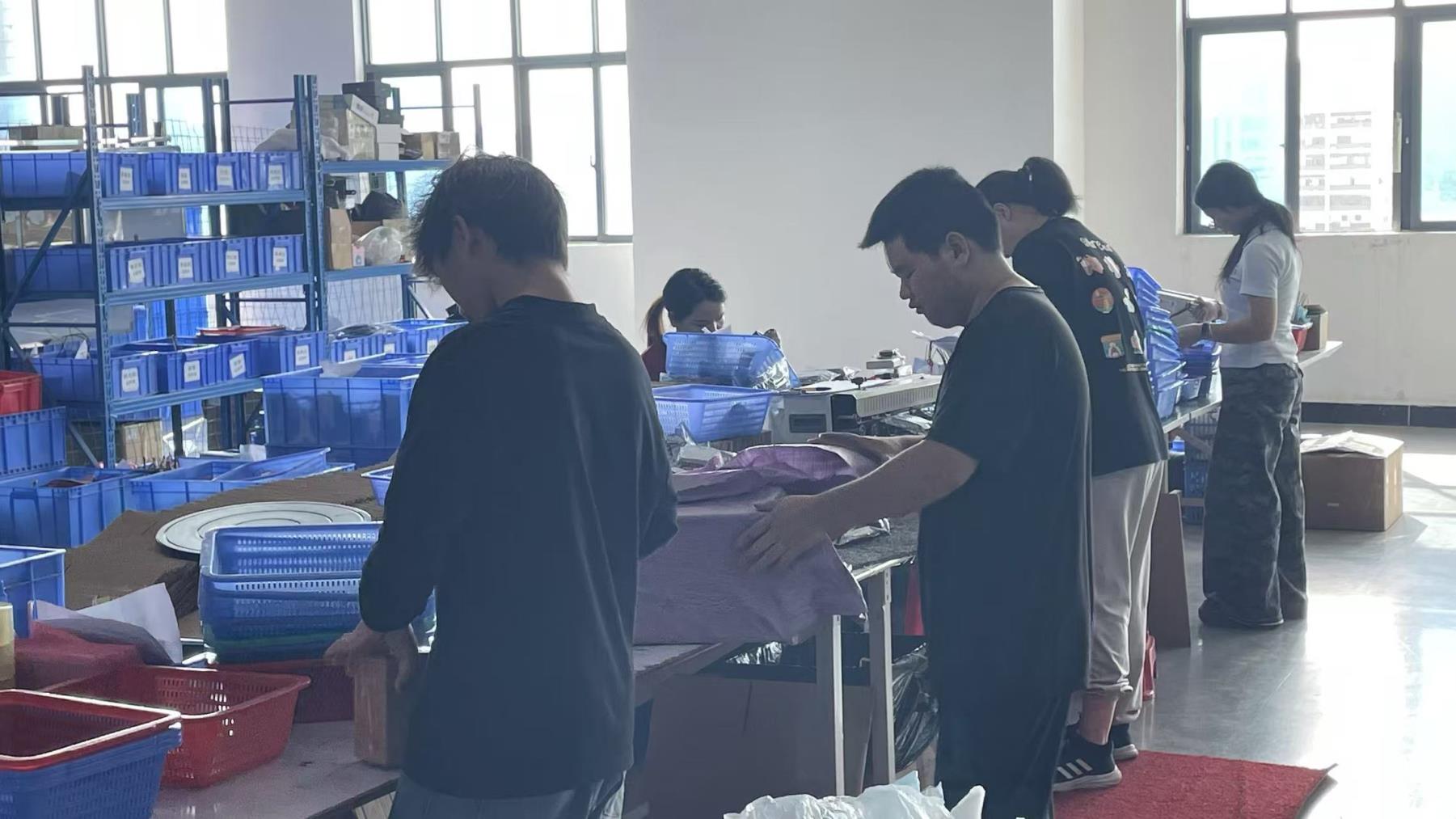
Operating out of Shanghai, our manufacturing base stands at the epicenter of the global power electronics supply chain. Our Industry 4.0 integration links raw material procurement, PCB assembly, quality control testing, and packaging logistics into a highly responsive feedback loop. Shanghai is home to the world's most advanced logistics networks. This proximity allows us to access critical semiconductors, precision magnetic cores, and aluminum enclosures quickly, minimizing supply chain disruptions.
This localized supply chain ecosystem ensures we are insulated from global supply disruptions, providing our international partners with consistent lead times and price stability. In contrast to factories in less industrialized regions, our integration allows us to keep a steady supply of high-grade raw components. This means we can fulfill high-volume custom OEM orders without extended delays. Our 10,000-square-meter facility uses automated winding, laser engraving, and soldering machines, allowing us to rapidly scale production to meet urgent demands.
Our logistical operations are equally optimized. We understand that precision laboratory power supplies contain sensitive electronic components that are vulnerable to moisture, static, and physical shock during long-distance shipping. Therefore, we utilize a specialized packaging system:
Different industrial settings place distinct demands on a variable DC power supply. Our systems are engineered to perform reliably across a wide range of operational environments:
Industrial electroplating, metal refining, and hydrogen electrolysis require high current stability at lower voltages (e.g., 12V to 30V setups outputting 3000W or more). In these environments, power supplies operate in continuous Constant Current (CC) mode. Our units feature custom protective coatings on internal PCBs to safeguard the control electronics from corrosive chemical vapors, ensuring reliable performance in harsh conditions.
Testing EV motor drives, battery packs, and vehicle chargers requires high output voltages (ranging from 400V to 1000V). Our high-voltage programmable systems simulate battery voltage fluctuations under acceleration and regenerative braking conditions. By utilizing active PFC circuitry, we help test labs minimize harmonics back onto their local utility grids, avoiding electrical interference with nearby sensitive instruments.
Deposition and etching systems in semiconductor fabrication require reliable, ultra-stable DC bias power. Our supplies maintain tight line and load regulation to ensure consistent process results. The low ripple profile of our units prevents electrical noise from interfering with delicate process control loops, helping cleanroom operations maintain high production yields.
CV and CC are the two primary operating modes of a laboratory DC power supply. In Constant Voltage (CV) mode, the supply maintains your set voltage while the load determines the current output. In Constant Current (CC) mode, the supply limits the current to your set value, adjusting the output voltage dynamically based on the resistance of the connected load.
Higher switching frequencies (e.g., 60 kHz to 120 kHz) allow for smaller filter components, reducing high-frequency output ripple and physical footprint. This design achieves high power conversion efficiency (88-89%+) compared to linear designs, minimizing heat generation and energy waste.
Our power supplies feature multi-layered protection circuits: Over-Voltage Protection (OVP) and Over-Current Protection (OCP) prevent voltage or current spikes from damaging connected loads. Over-Temperature Protection (OTP) shuts down the output if internal temperatures exceed safety thresholds, and short-circuit protection prevents hardware damage during load faults.
Our programmable models support digital interfaces such as RS485, LAN, or USB. They use standard protocols like Modbus-RTU or SCPI command sets, allowing you to program voltage/current profiles, monitor real-time outputs, and automate test sequences from a central computer or PLC.
We package each unit with a moisture-proof vapor barrier, thick shock-absorbing foam inserts, and a heavy-duty cardboard carton. For larger high-power units, we secure the carton within a reinforced wooden crate to protect it during international transit and warehouse handling.