Voltmat Power
Voltmat Power
Voltmat Power
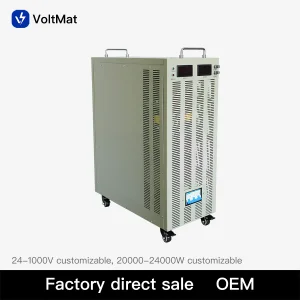
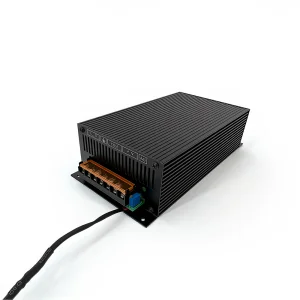
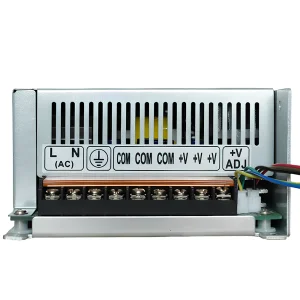
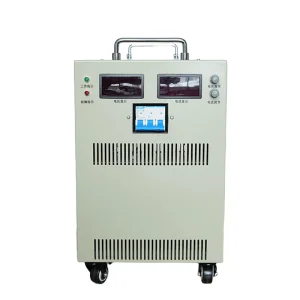
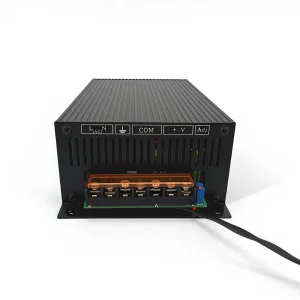
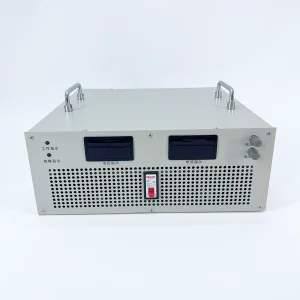
High-efficiency, scalable, and ruggedized power modules designed for base stations, data centers, and critical industrial processing grids.
Modern telecommunication networks dictate robust power systems that satisfy stringent parameters. As networks migrate toward 5G base stations, centralized unit (CU) distribution sites, and high-density Edge Computing facilities, power supply architecture has emerged as the definitive benchmark for system uptime and thermal efficiency. Low-quality rectifiers or fluctuating DC loops invite packet loss, component wear, and unexpected outages.
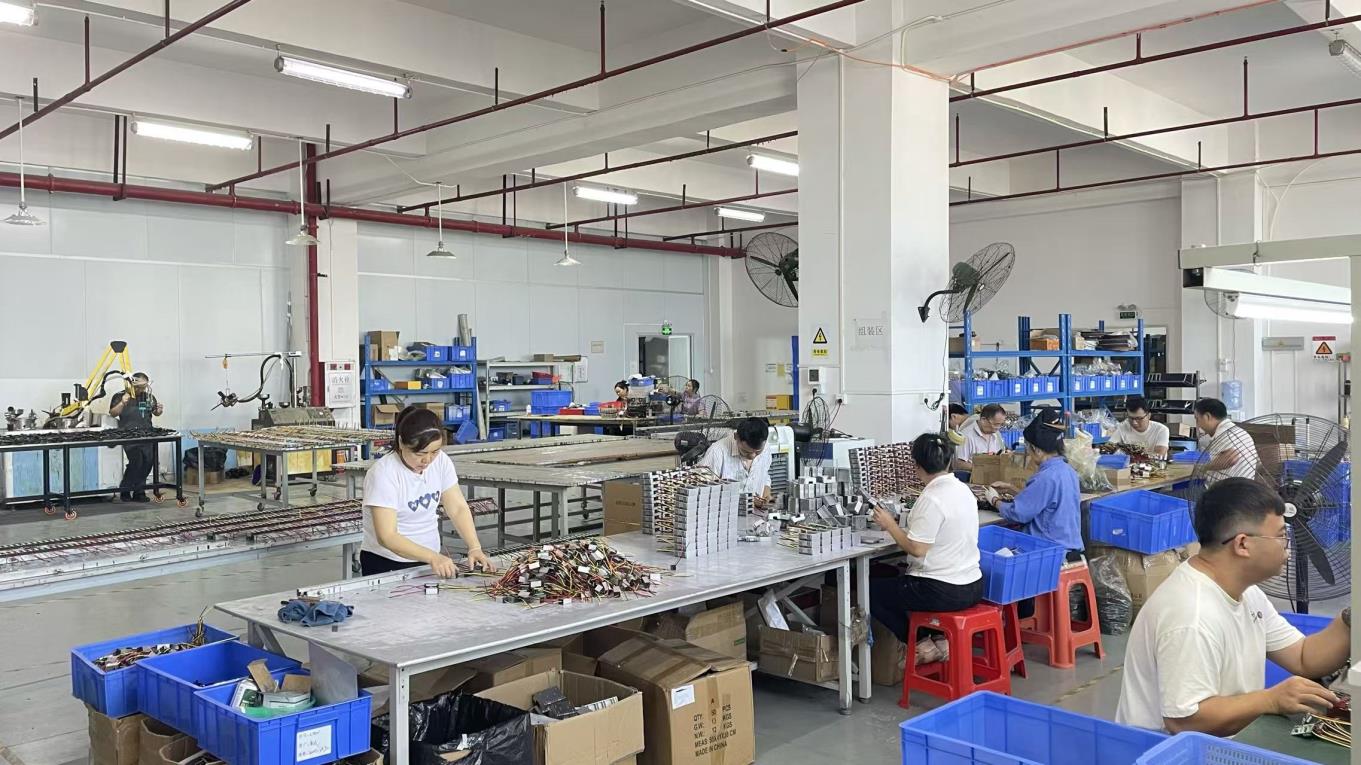
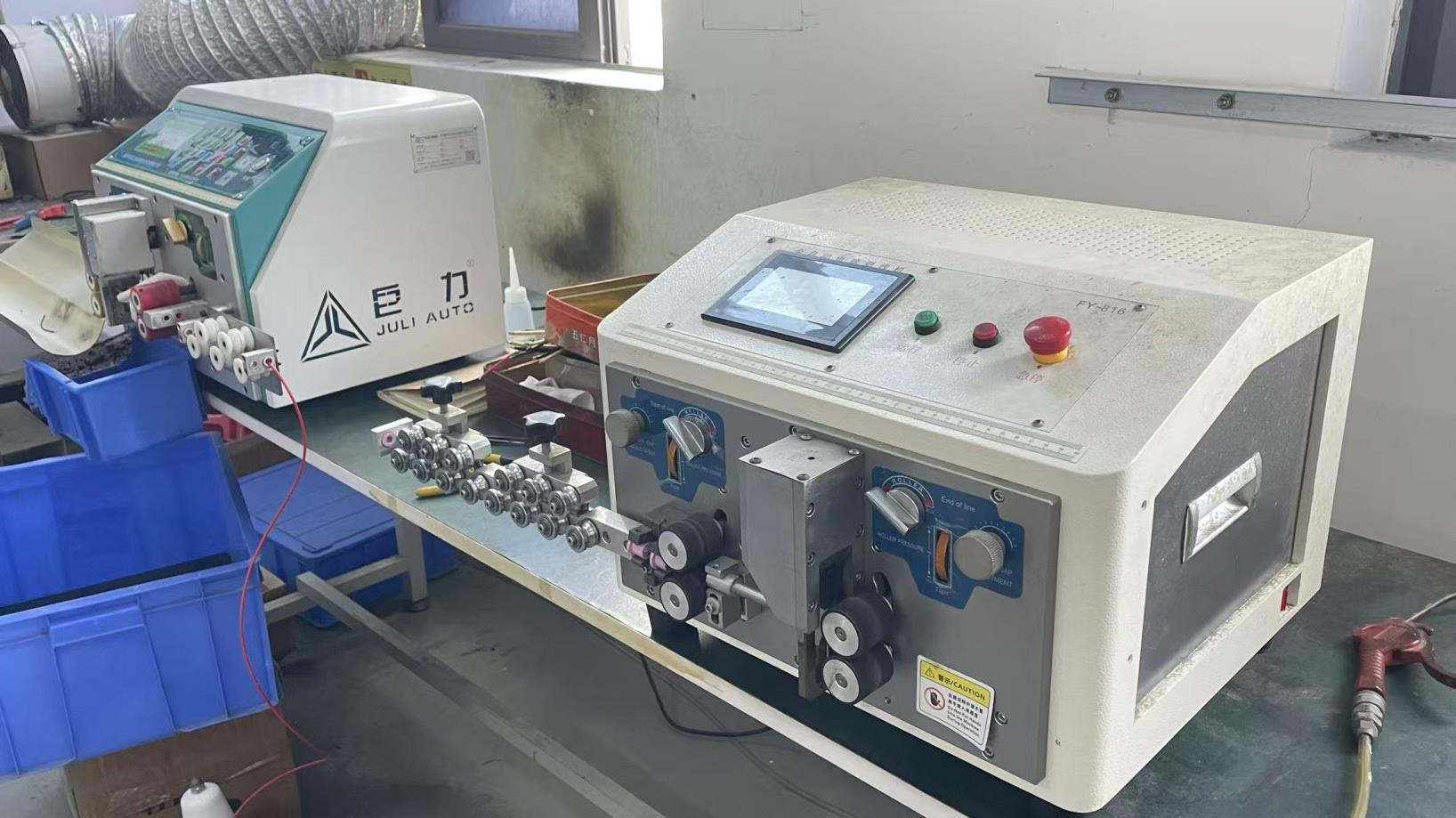
With over 15 years of industry-leading engineering in Shanghai, we provide tailor-made ODM and OEM power supply configurations engineered to perform in extreme thermal and electrical conditions. By maintaining full vertical integration within our 10,000 square meter factory, we manufacture stabilized high-power regulated systems optimized for continuous performance.
Telecommunications infrastructure operates under rigorous macro-environmental challenges. Remote micro-cells and rural base stations must contend with unstable grid voltages, harmonic distortion, and lightning surges. In contrast, urban data hubs require maximum power density to reduce operational footprint. Our systems integrate active Power Factor Correction (PFC) circuitry alongside soft-switching LLC resonant topologies to achieve high efficiency (up to 89% standard, with configurations scaled to meet Green Data Center expectations).
As the industry steps toward high-frequency, low-loss systems, our research and development path leverages modern Wide Bandgap (WBG) semiconductors, notably Silicon Carbide (SiC) and Gallium Nitride (GaN). These materials enable higher switching frequencies, reducing the form factor of passive magnetic components (transformers and inductors) while maintaining strict insulation and safety parameters.
| Parameters | Traditional AC-DC Regulated Units | Standard -48V Telecom Architectures | Next-Gen Custom High Voltage DC (HVDC) |
|---|---|---|---|
| Primary Application | Legacy Telecom Exchanges, Heavy Testing | Remote Radio Units (RRU) & Base Stations | Hyperscale Edge Nodes, AI Datacenters |
| Voltage Range Options | Adjustable 12V - 600V DC | Fixed -48V / -54V DC Nominal | Up to 1000V DC High Power Output |
| Efficiency Benchmark | 85% - 89% | 88% - 92% | 94% - 97% (With GaN/SiC Integration) |
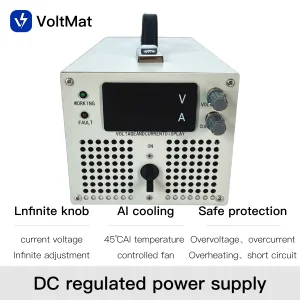
| Thermal Dissipation | Forced Air Cooling / Active Fans | Convection / Heat-Sink Chassis | Liquid Cooling & Smart Microchannel Fans |
| System Redundancy | Parallel Power Modules | Dual-Bus Hot Swap Modules | Digital Bus Monitoring (CAN/PMBus) |
Modern remote diagnostics demand integrated communication. We support telemetry via standard digital bus systems. Operators can monitor voltage, current load, and internal temperature configurations in real-time. By implementing micro-controller-based telemetry, base station operators can transition from reactive troubleshooting to predictive maintenance models, reducing overhead costs by up to 35%.
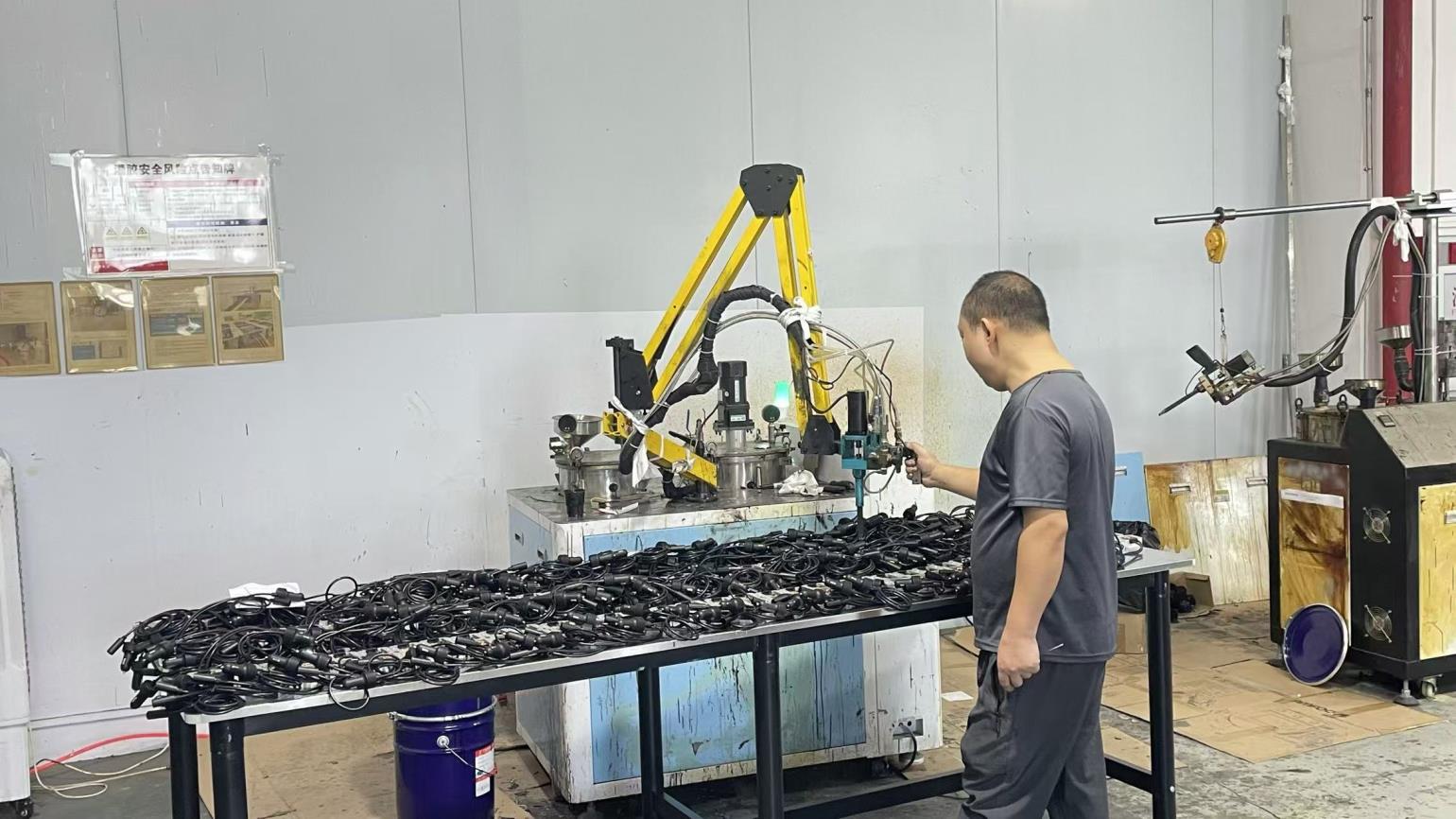
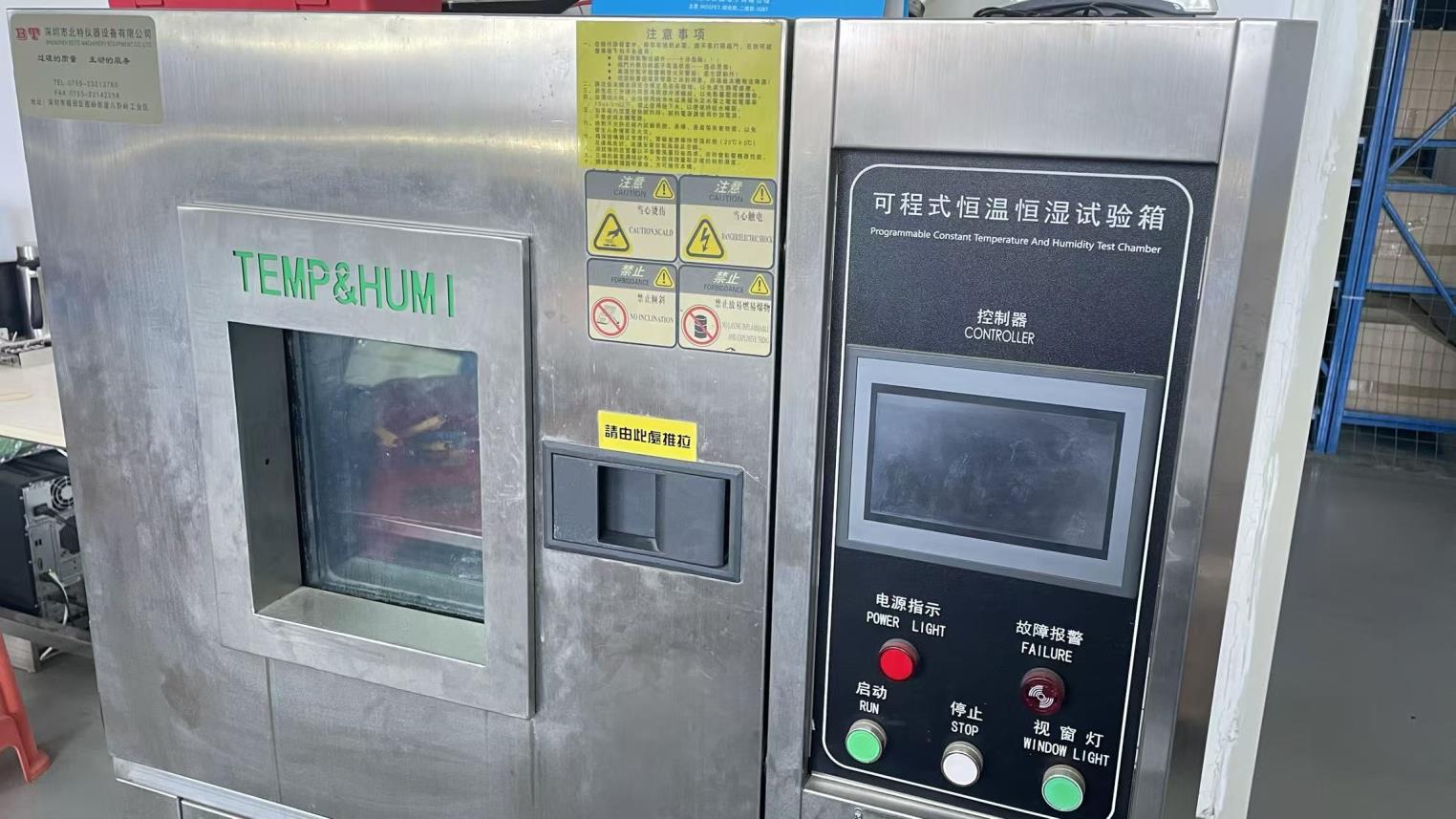
Thermal stability is achieved through customized potting compounds and advanced cooling designs. Our glue-filling and potting procedures shield the PCB assemblies from dust, humidity, and atmospheric pollutants, ensuring the components operate reliably inside sealed outdoor enclosures.
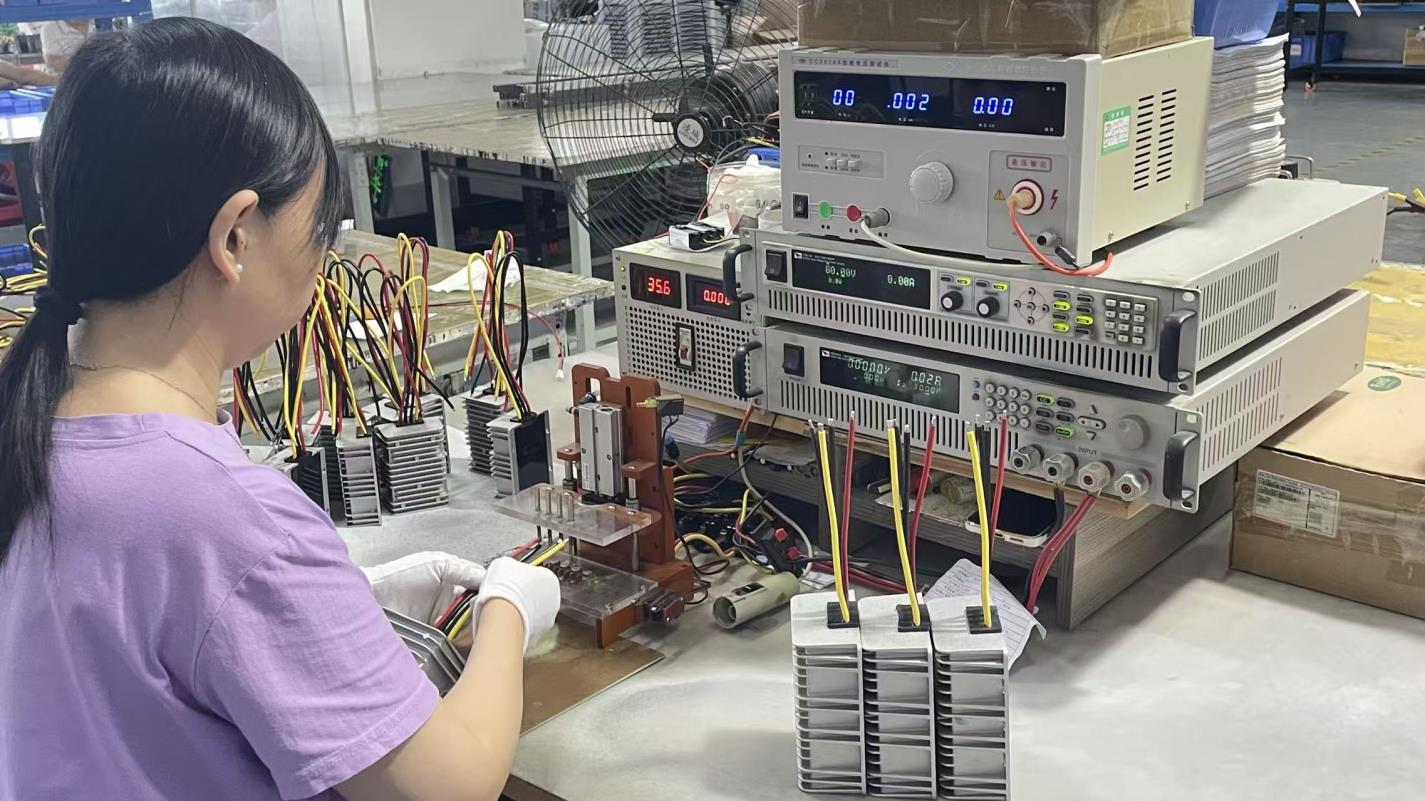
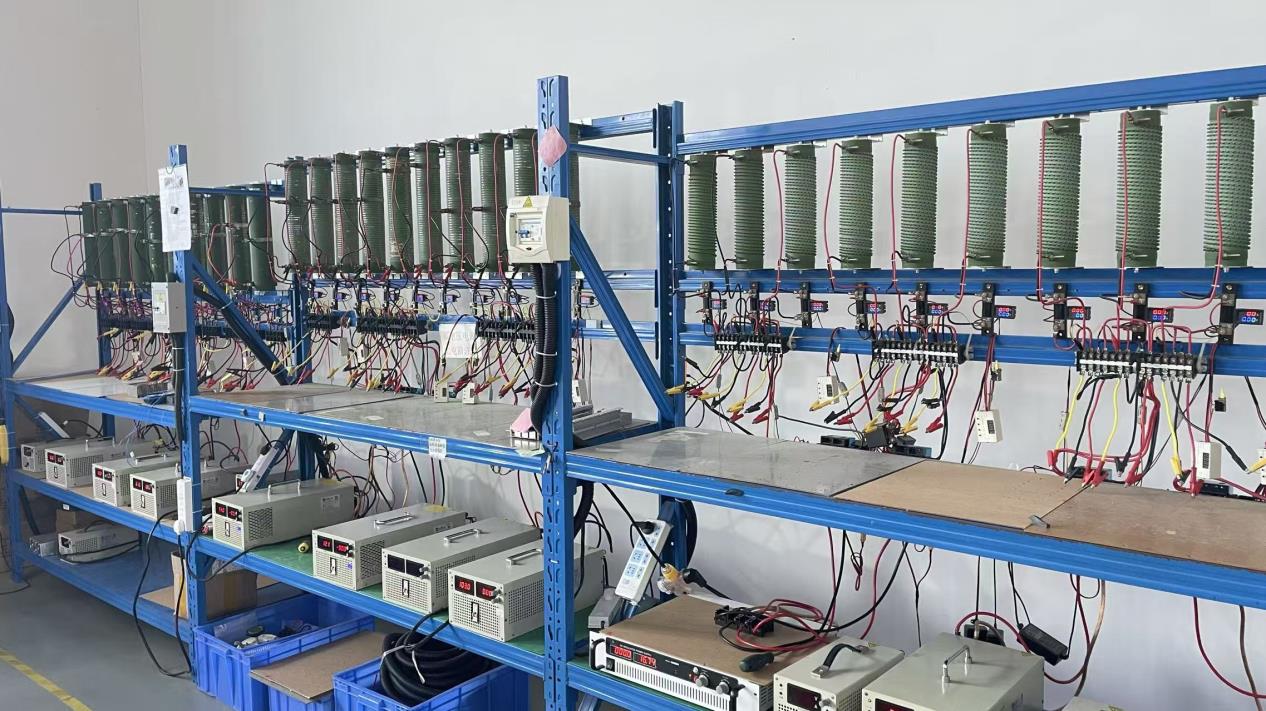
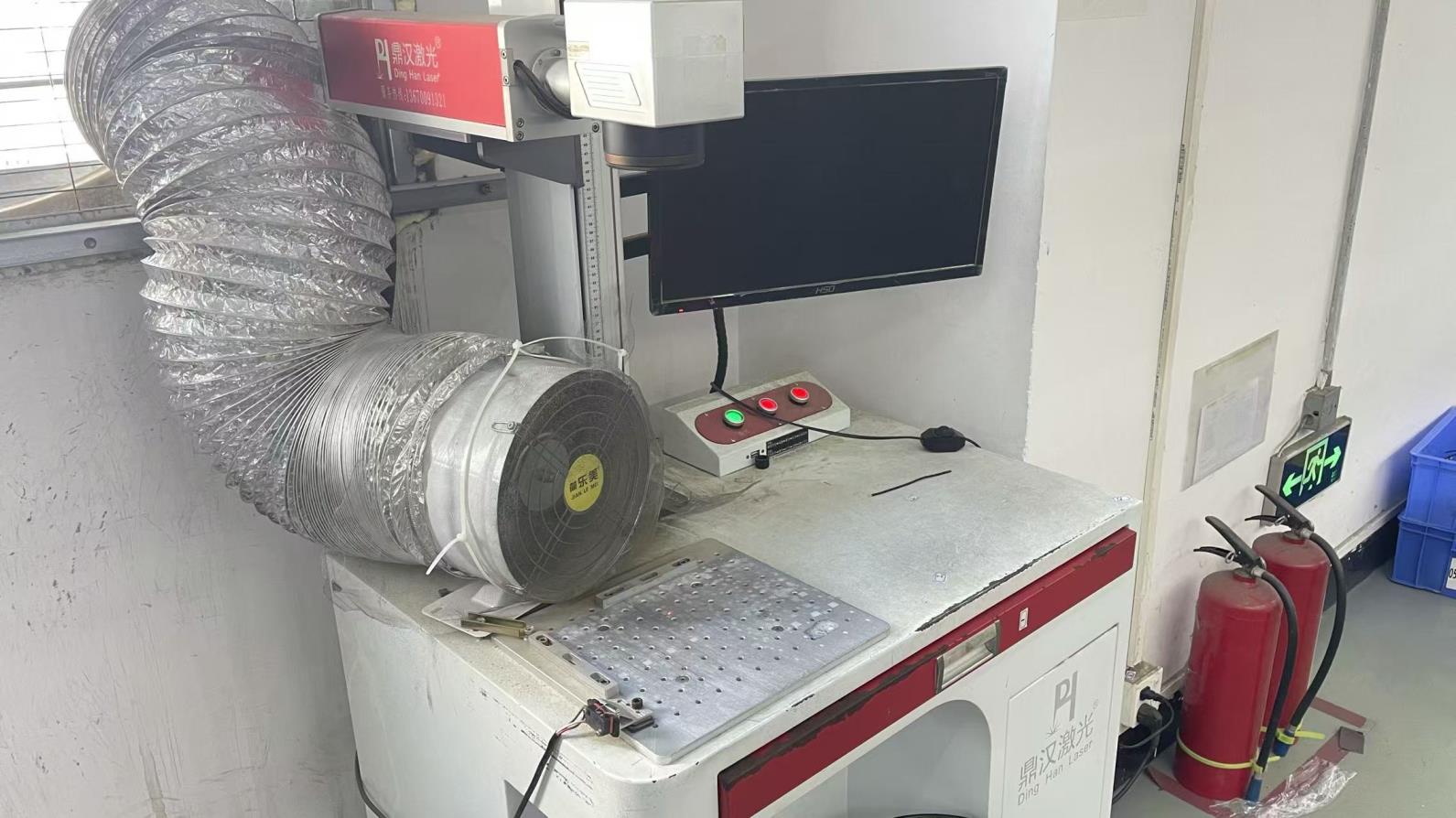
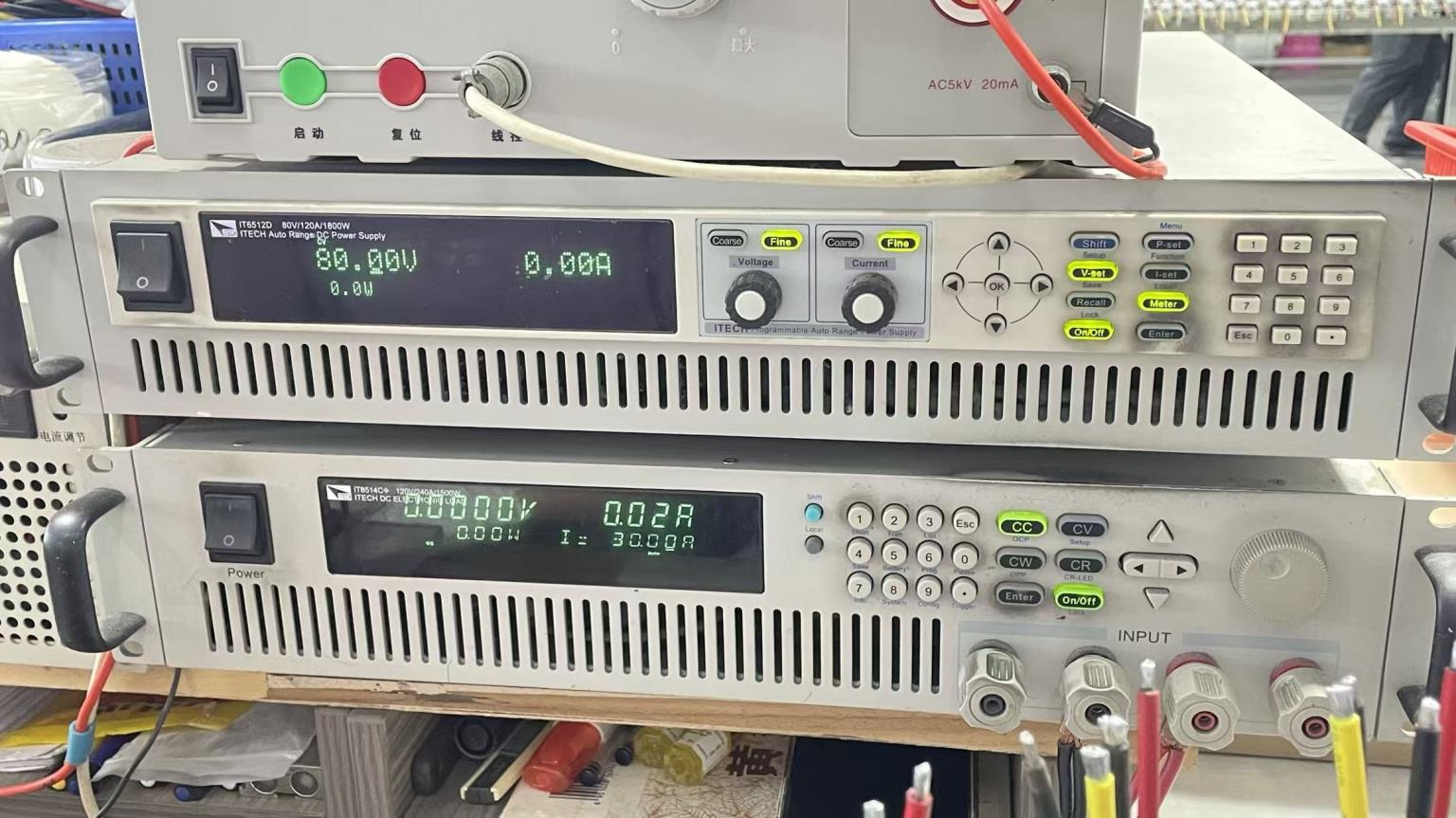
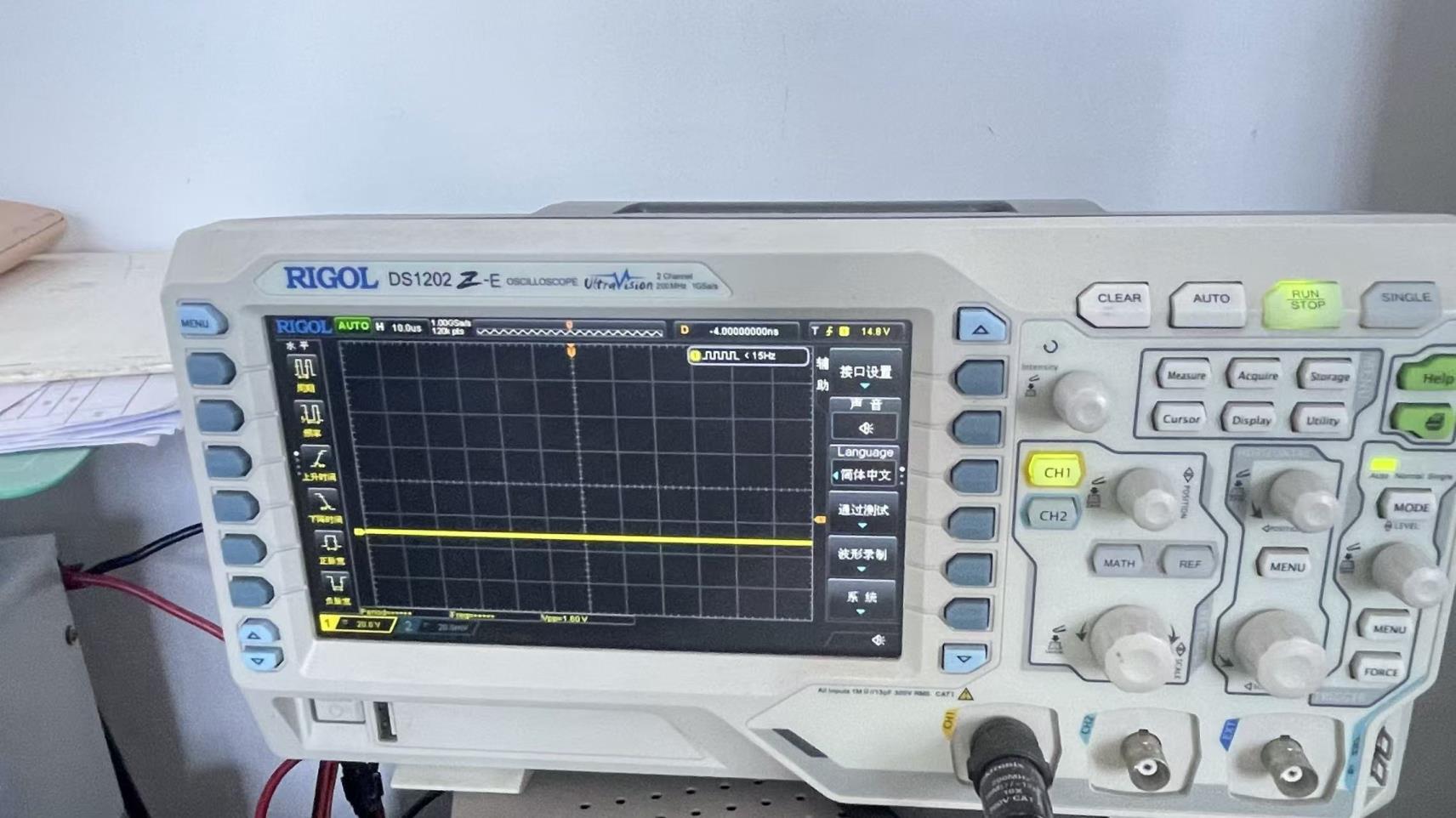
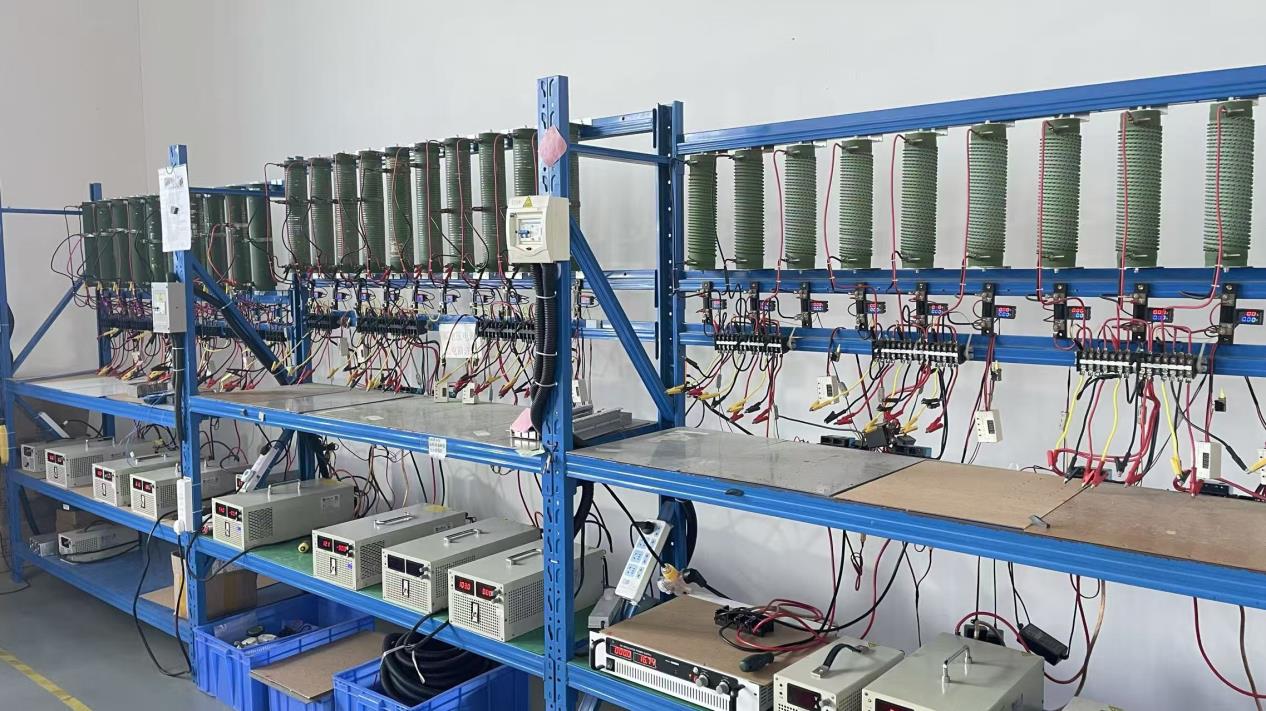
Every telecom power module undergoes computerized and manual evaluation inside our 10,000 square meter Shanghai factory, ensuring 99.9% product compliance.








Logistics and supply chain management represent key elements of operational continuity. Shanghai's transport network provides direct maritime, rail, and air connections globally. We coordinate logistics to ensure timely component deliveries, avoiding critical path supply delays.
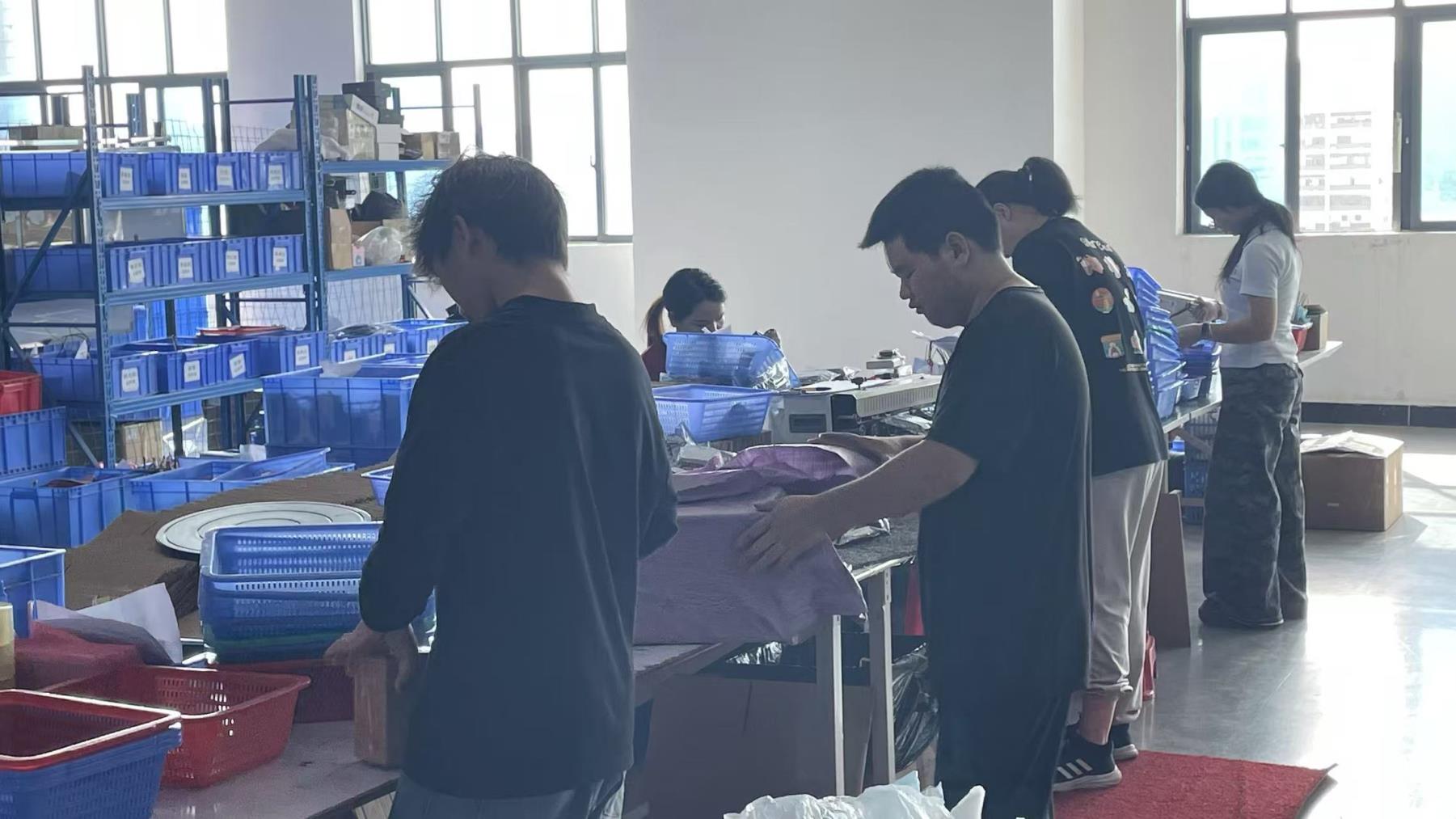
Precision electronics require comprehensive protection during transport to prevent damage from mechanical shock, vibration, or humidity. Every telecom power supply we ship undergoes a protective packaging process designed for long-distance transport:
Operating a global telecom network requires compliance with diverse regional standards. Regulatory frameworks dictate that power systems meet EMC limits, safety insulation guidelines, and environmental directives. Our designs conform to CE, FCC, RoHS, and standard UL guidelines where applicable. This minimizes regulatory barriers during installation.
To support global procurement departments, our services extend beyond delivery. We offer direct technical coordination with our design team, clear product warranty terms, and field application engineering (FAE) support. Our team helps resolve configuration issues, transient load adjustments, and firmware customization for digital monitoring buses.
Answers to technical questions regarding custom designs, thermal performance, and integration requirements.
Rugged, high-capacity electrical units designed for telecommunication networks and demanding industrial processing environments.