 Voltmat Power
Voltmat Power
Voltmat Power
Engineered to support modern telecom frameworks and high-power high-voltage industrial applications.
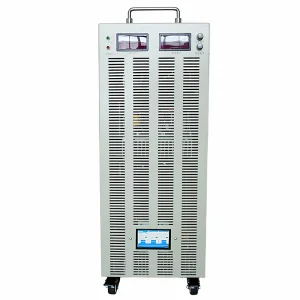
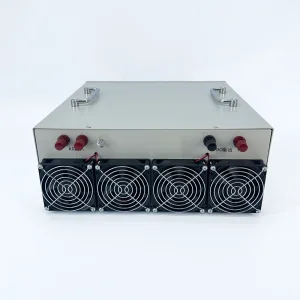
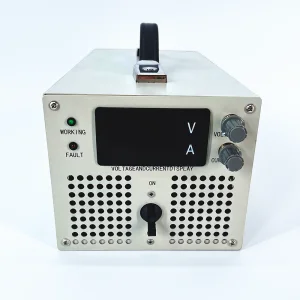
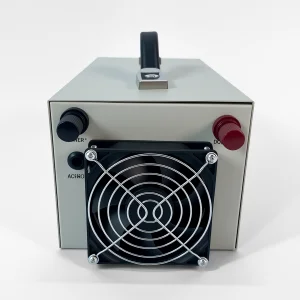
The modern data center industry is experiencing an unprecedented structural transition. The explosion of Artificial Intelligence (AI) workloads, Large Language Models (LLMs), machine learning compute networks, and cloud infrastructures has driven computational power densities to heights previously unseen. In the past, traditional data center cabinets operated within a threshold of 5kW to 10kW per rack. Today, high-performance computing clusters run configurations exceeding 40kW to 100kW per rack.
This dramatic shift directly impacts power conversion topologies. Standard electrical grid transmission operates at high-voltage AC, requiring sophisticated transformations down to steady, high-precision DC rails that silicon computing components can safely consume. As energy demands soar, data centers must maximize energy conversion efficiency to reduce Power Usage Effectiveness (PUE) metrics, control operating expenses, and limit heat generation. Any inefficiency in AC-DC rectification translates directly to waste heat, requiring even more electrical power for cooling systems.
To support high-load clusters without excessive thermal losses, modern power conversion units are shifting from legacy 12V DC bus bars to more efficient 48V DC architectures, and in some hyperscale sites, directly to high-voltage DC distribution. Higher distribution voltages dramatically minimize resistive current losses (I²R), securing the power delivery pathway for advanced server processors.
Based in the global shipping hub of Shanghai, we deliver precision-engineered, high-power regulated systems with a commitment to zero-failure tolerances.
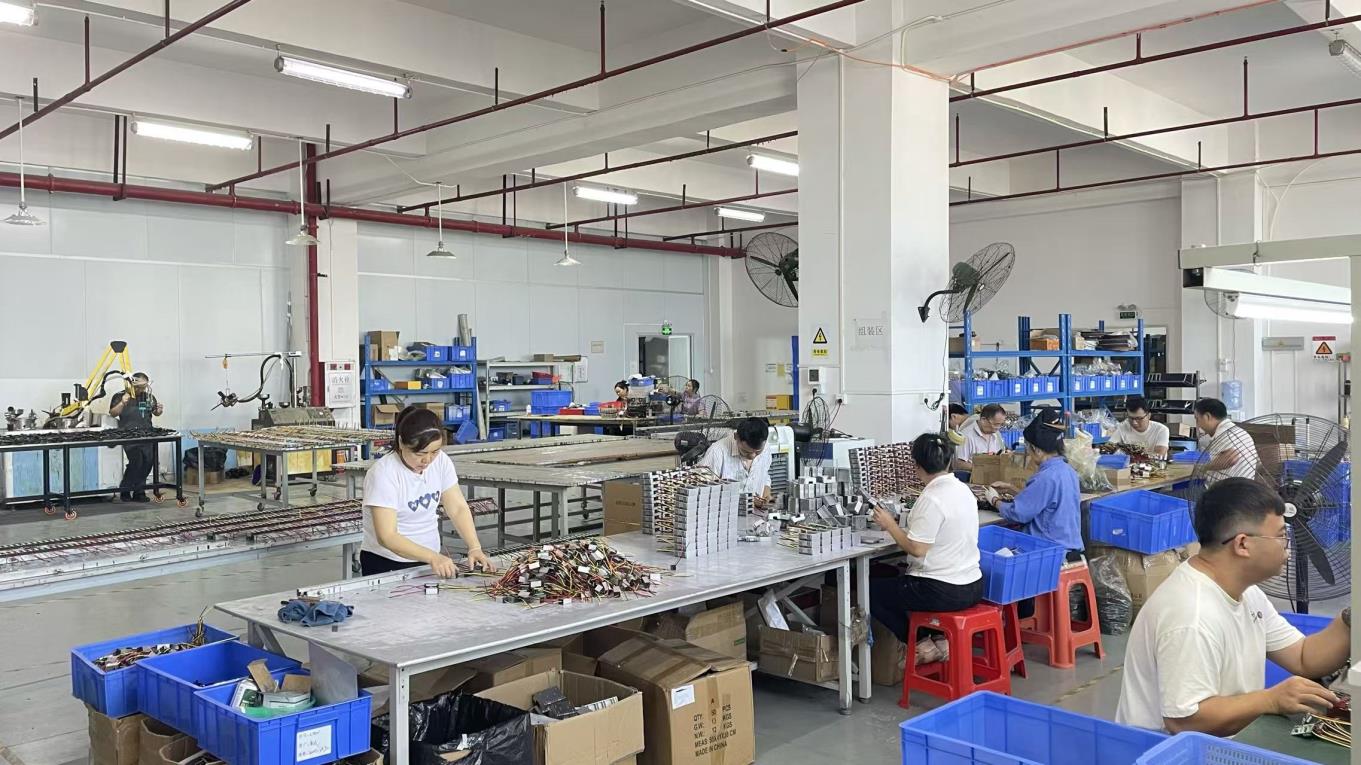
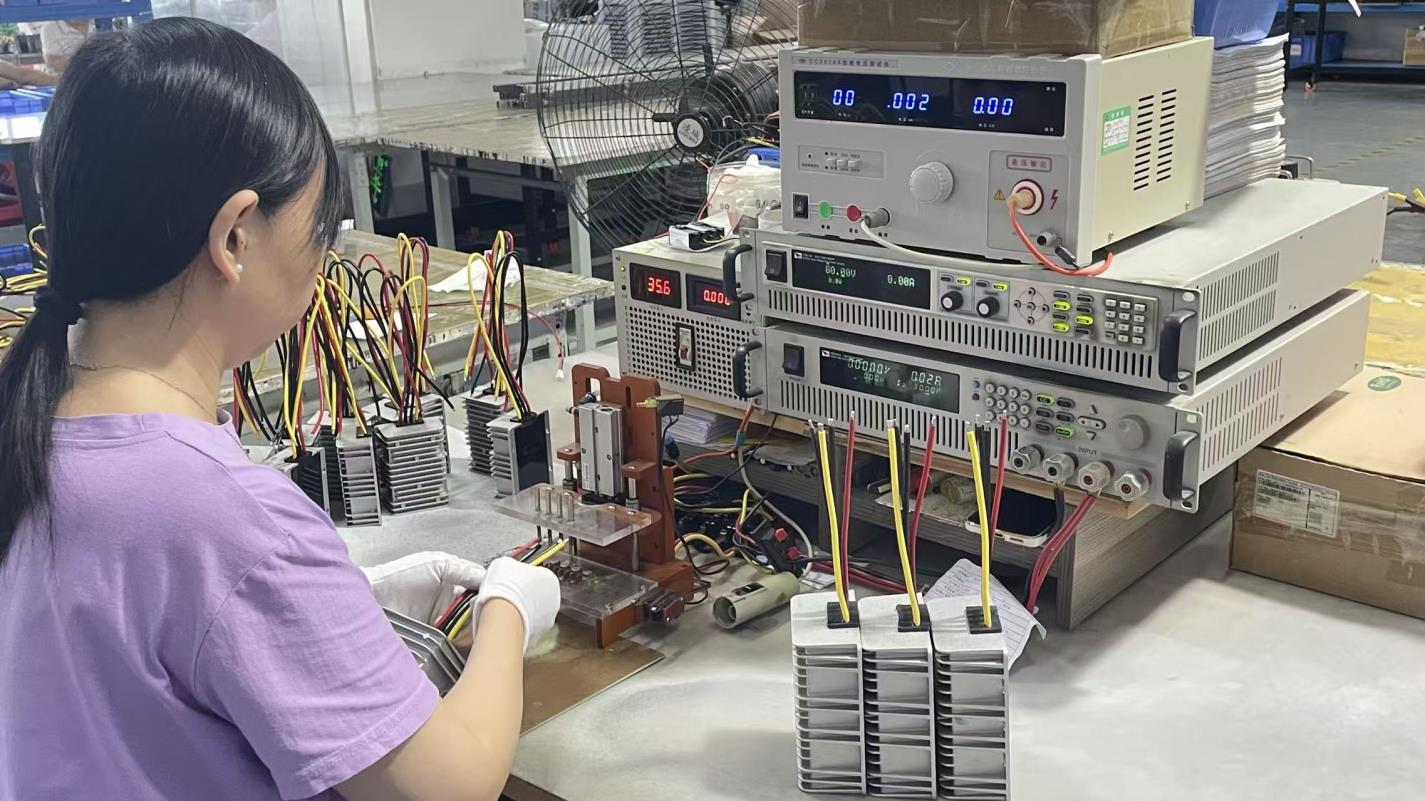
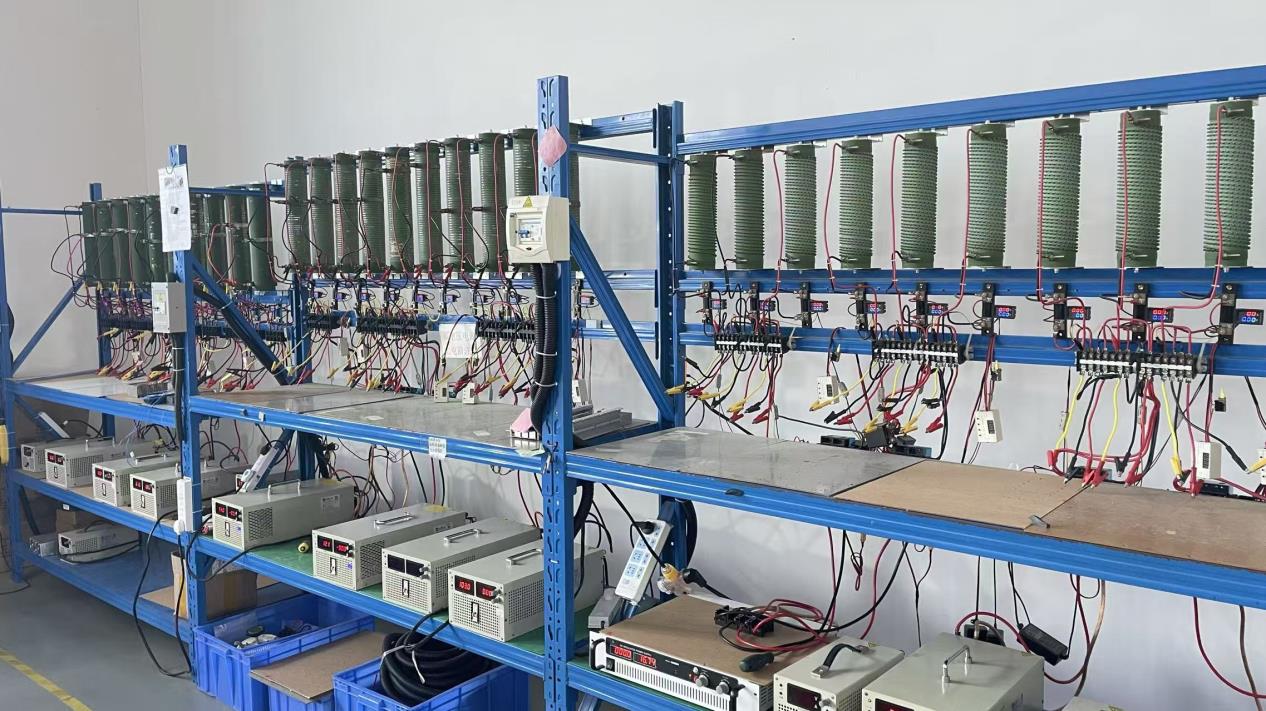
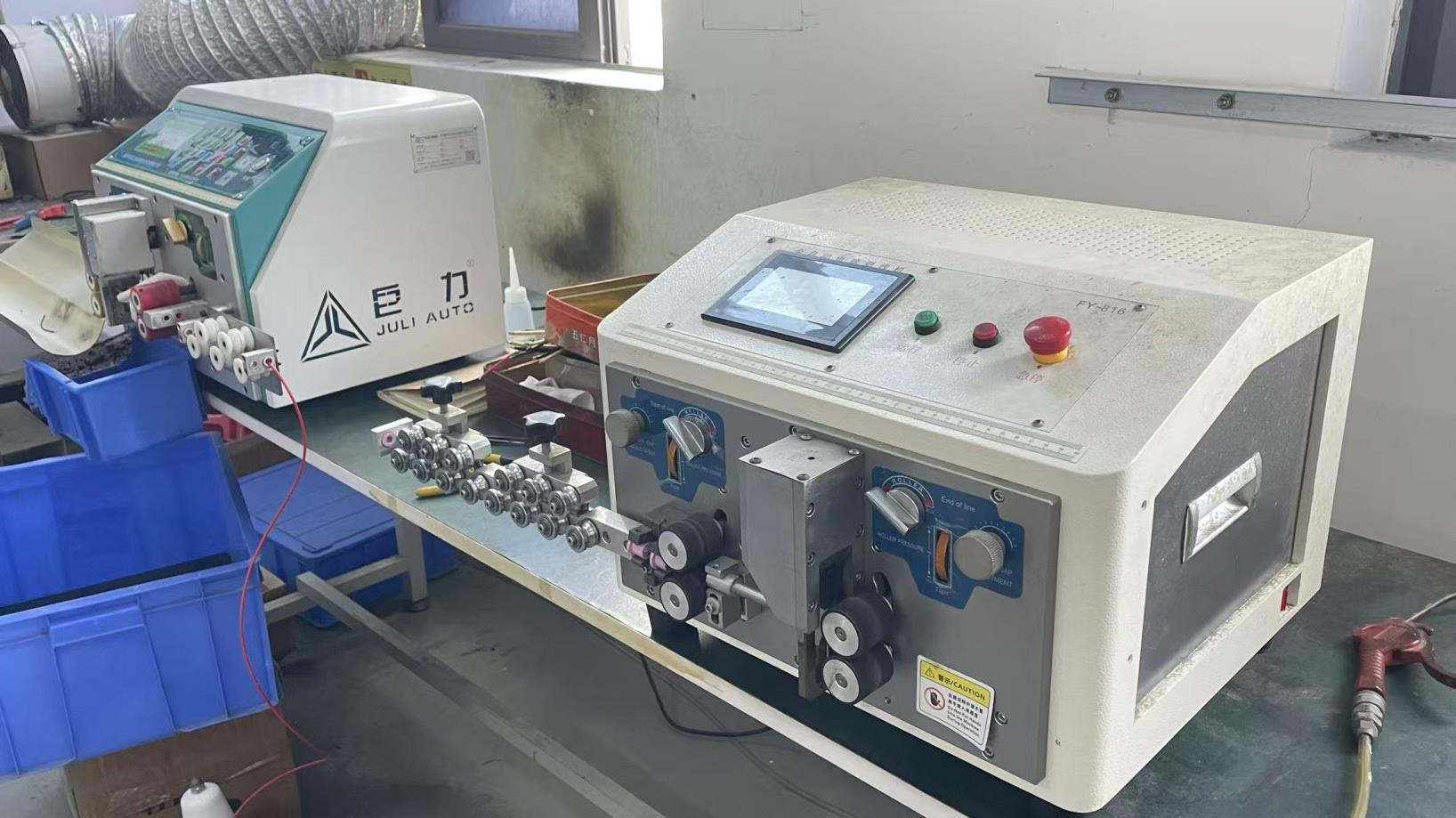
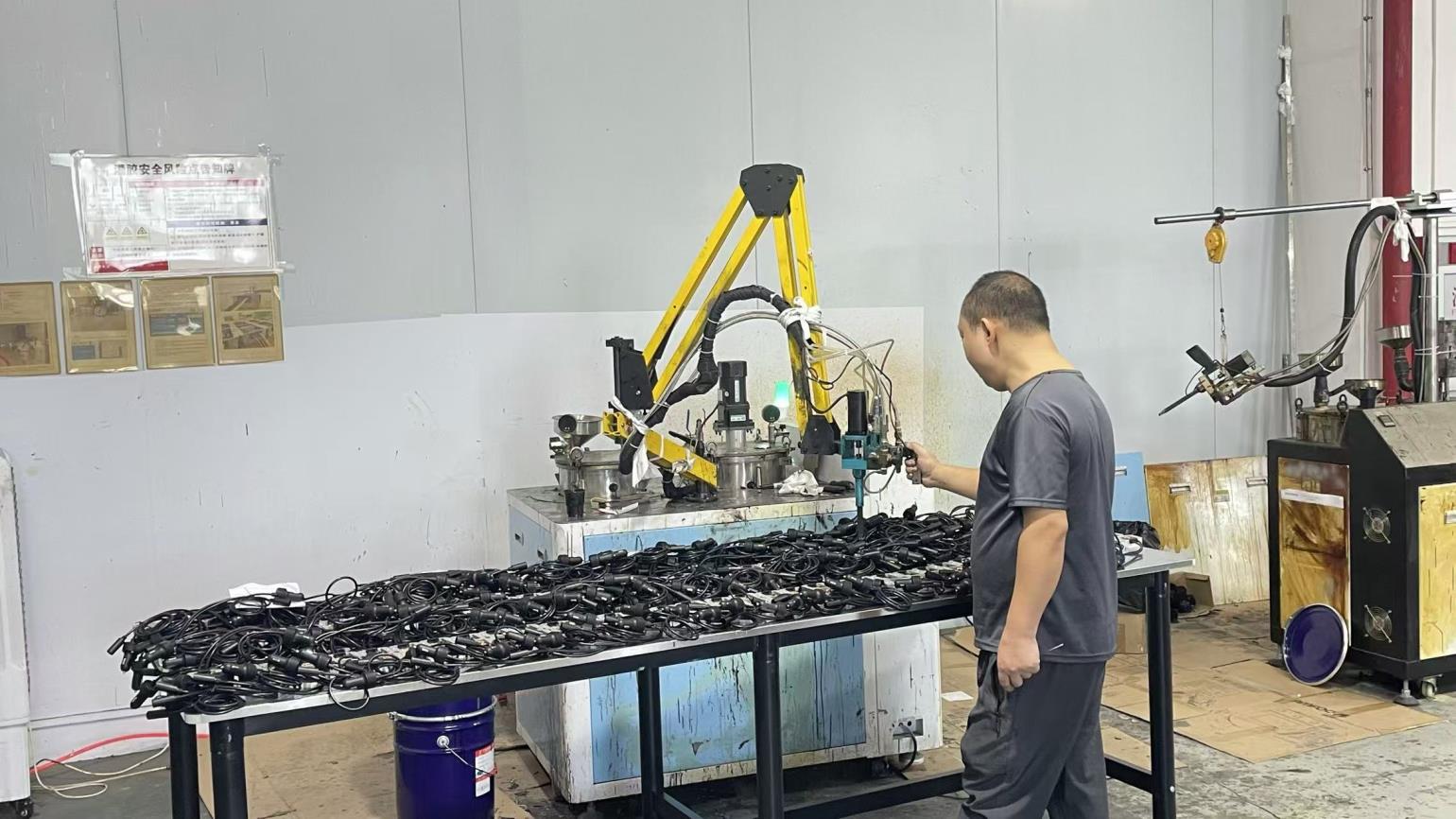
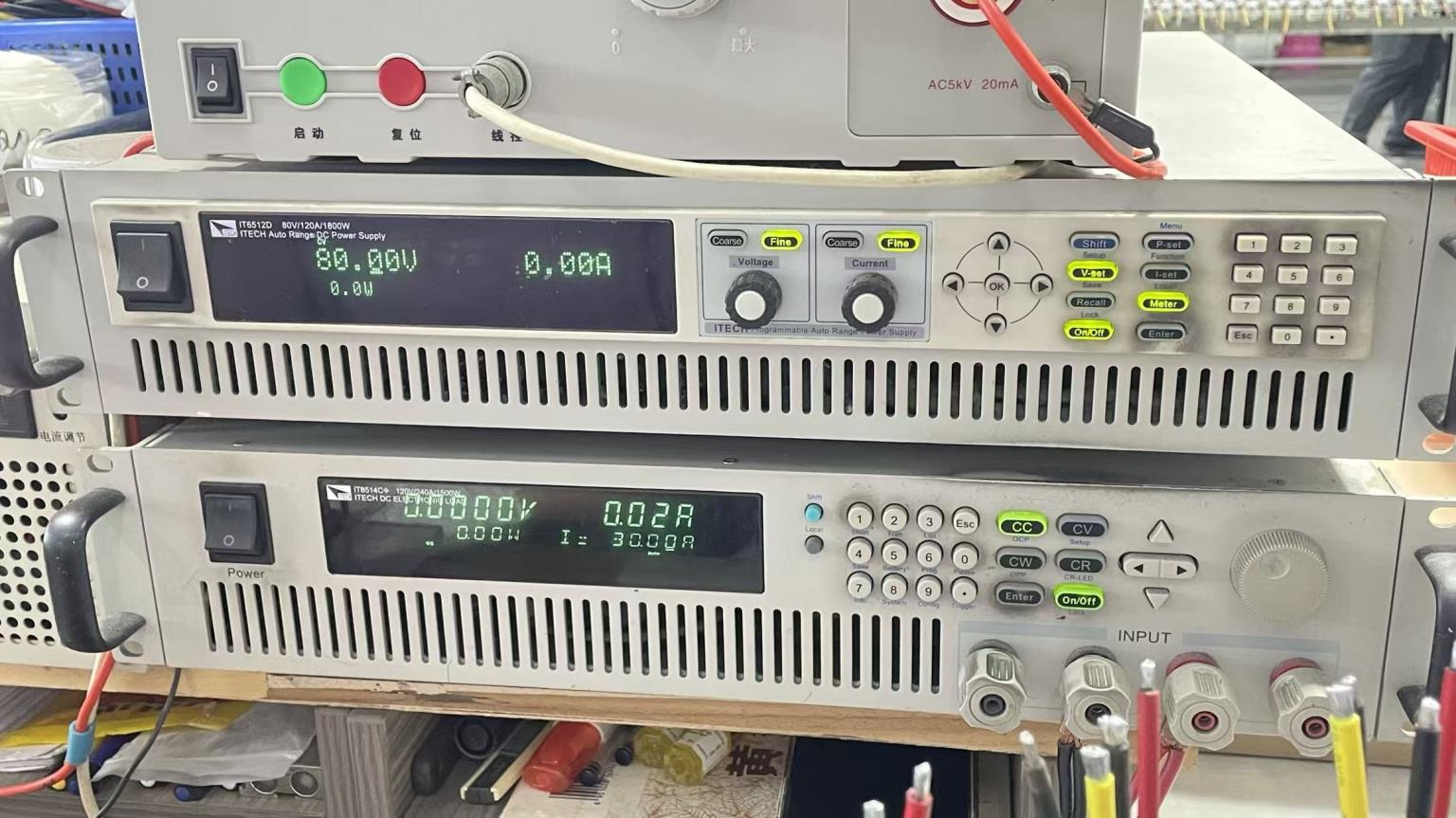
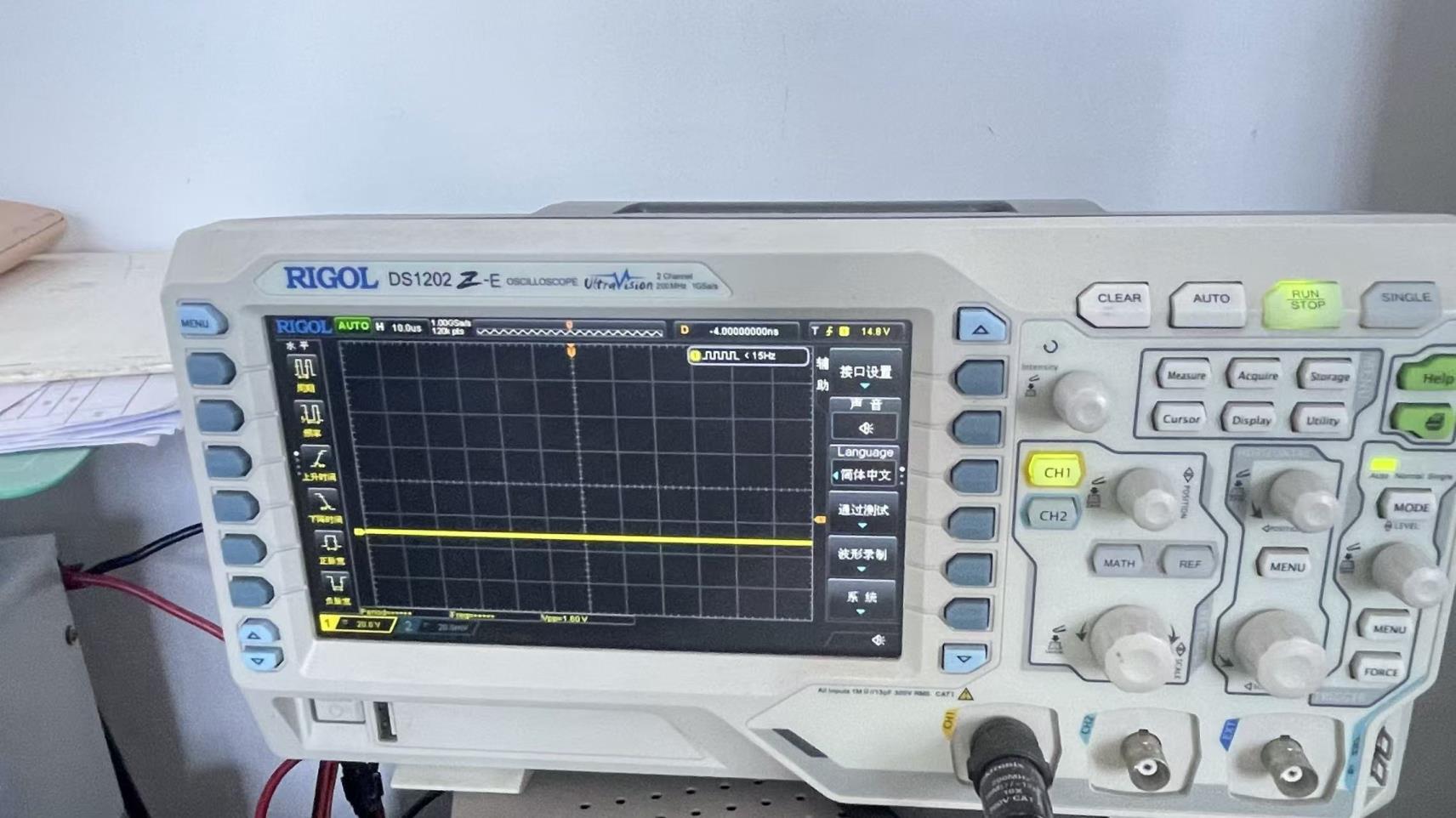
Located in the heart of industrial manufacturing and shipping logistics in Shanghai, our facility serves global projects requiring robust power infrastructure. Spanning 10,000 square meters of production space, our assembly lines combine advanced machinery with strict quality control. Every single power system undergoes two comprehensive testing stages—combining manual oversight with automated diagnostic hardware—ensuring a 99.9% qualification rate prior to dispatch.
To prevent field failures, we package our products for international shipping using moisture-resistant barriers to protect electronic components, vibration-damping layers to absorb transit impacts, reinforced structural cartons, and heavy-duty outer wooden frames.
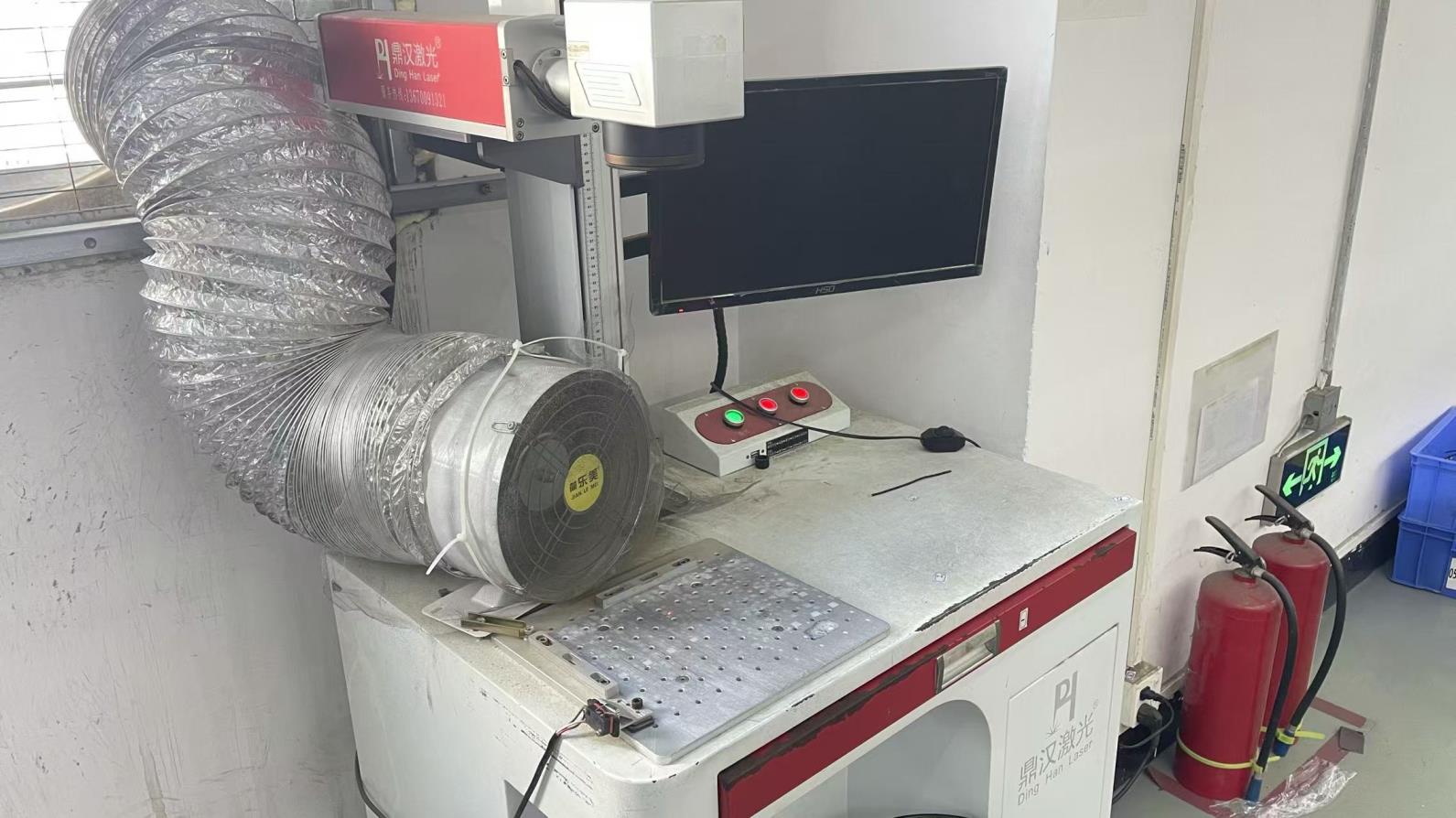
A visual walkthrough of our Shanghai factory floor, showcasing the steps involved in fabricating and testing our high-stability power supplies.







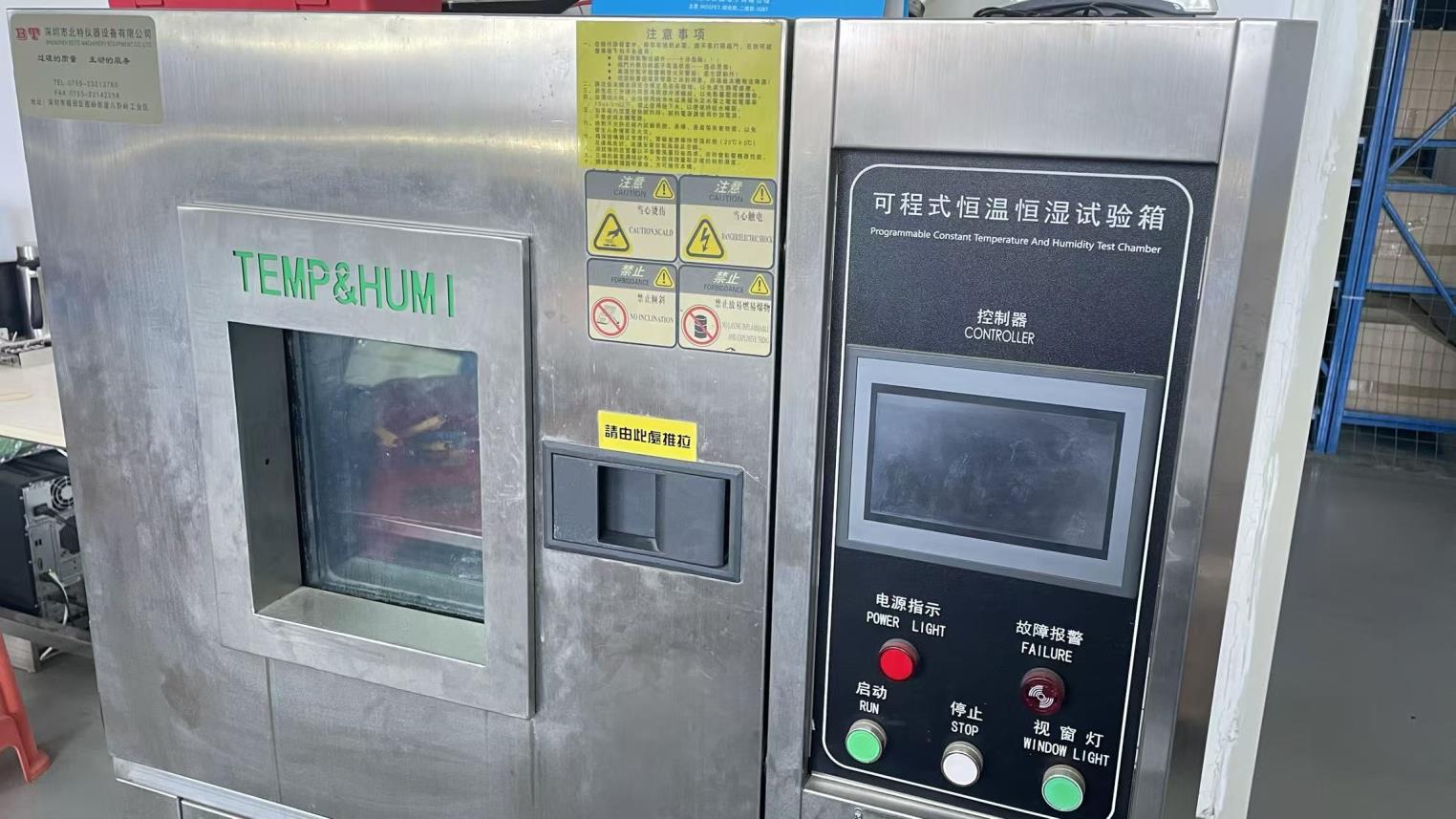

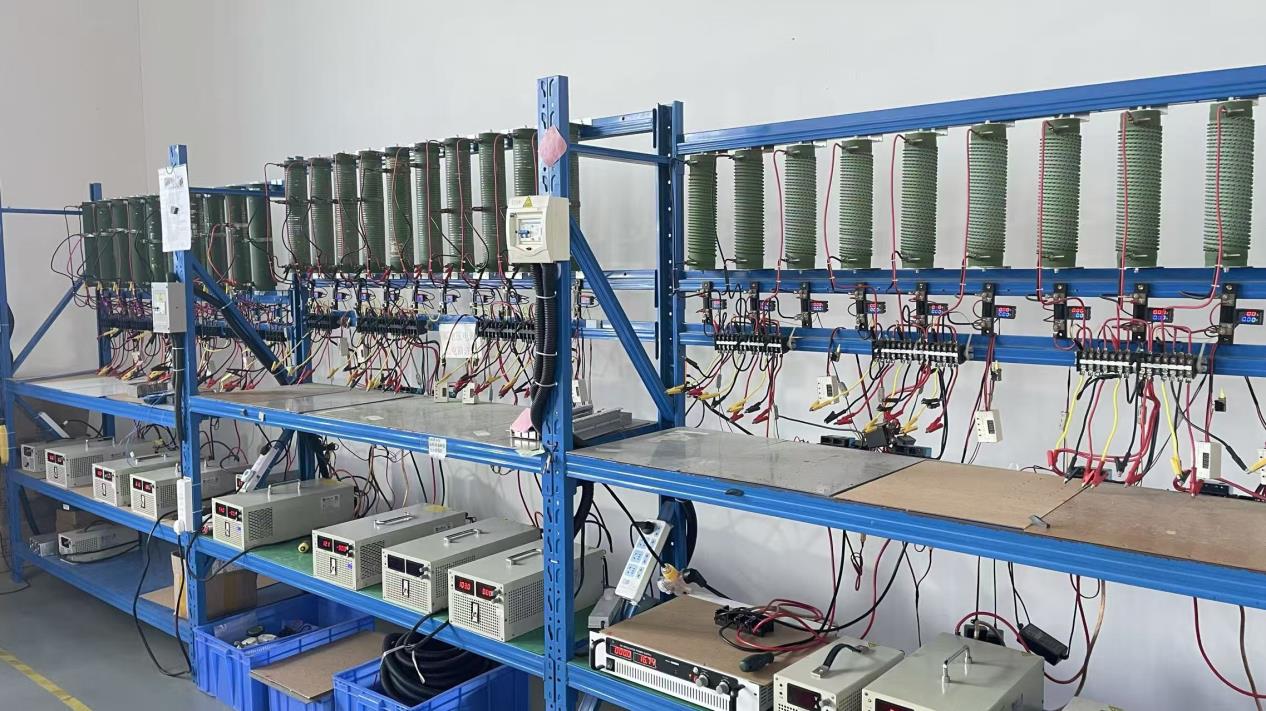
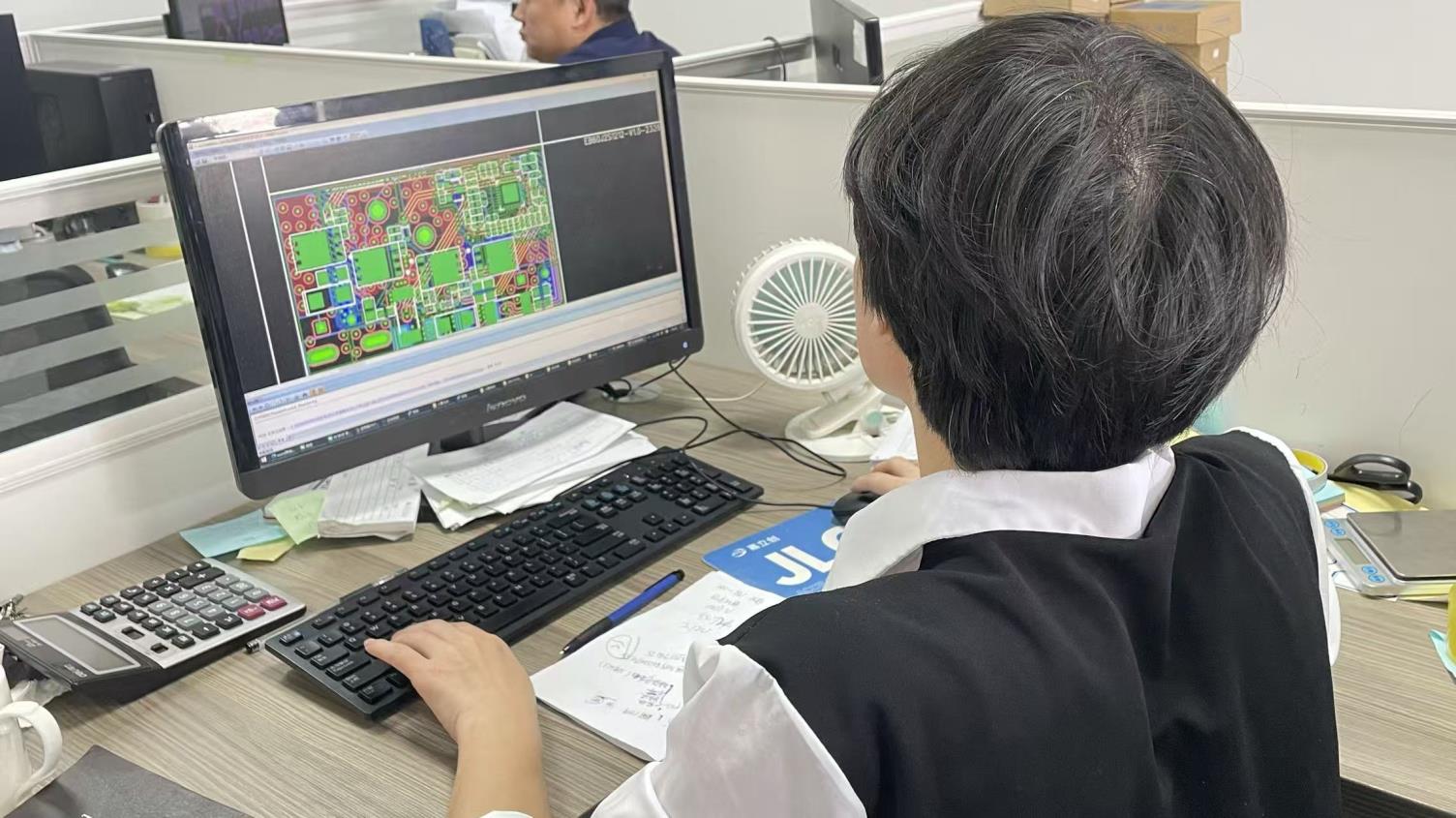
Power rectifiers and regulated supplies operate across diverse environments. Matching the proper voltage configuration to the load profile is essential for maintaining site resilience and reducing overall operating costs.
For modern hardware racks, energy must be distributed cleanly with minimal ripple voltages. Implementing modular AC-DC rectifiers configured in active-active redundancy layouts allows the hardware nodes to draw continuous current, even if a single power block requires hot-swapping or maintenance. Operating at high-precision voltage ranges ensures computing processors avoid hardware-level crashes caused by voltage drops during sudden processing spikes.
Industrial production environments present challenging conditions, including electromagnetic interference (EMI), ambient dust, and fluctuations in grid supply voltages. Stabilized power units running advanced filters protect delicate Programmable Logic Controllers (PLCs), variable frequency drives, and monitoring arrays, securing operational uptime in heavy-duty environments.
Facilities like industrial-scale water treatment units and clean energy storage terminals require robust power platforms for electrolysis, process management, and steady DC charging. With specialized topologies delivering precise output current regulation over extended continuous operation cycles, these units prevent thermal runaway while ensuring efficient energy usage.
Our ongoing development focuses on integrating direct liquid cooling interfaces into our high-power switching rectifiers. This modification eliminates internal fans, reducing acoustic noise and removing a common mechanical wear point, allowing power modules to run reliably inside hermetically sealed units in challenging environments.
Heavy-duty power conversion architectures configured for high output capacities up to 24000W.
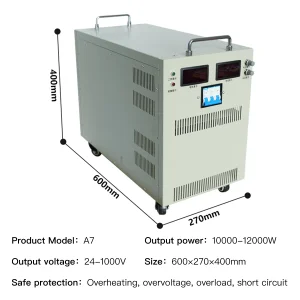
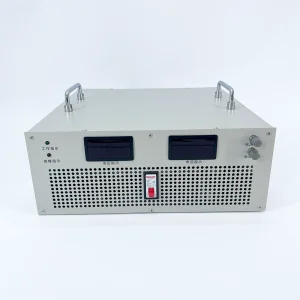
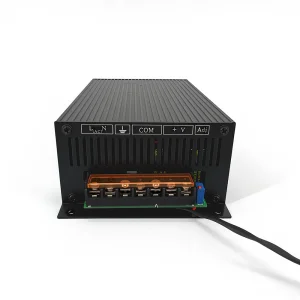
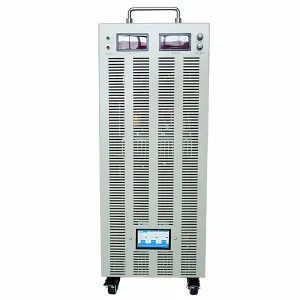
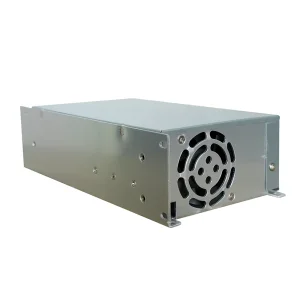
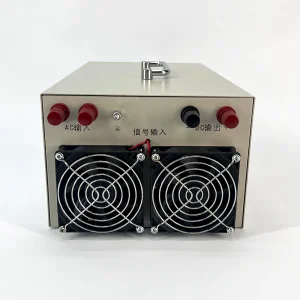
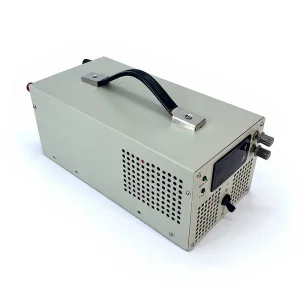
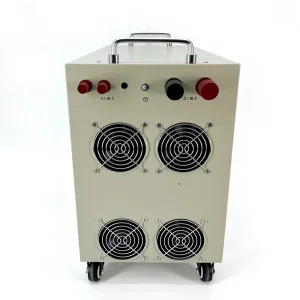
Detailed technical explanations regarding power factor correction, voltage customization, and industrial operations.