Voltmat Power
Voltmat Power
Voltmat Power
Explore our highly-stabilized, high-efficiency, and adjustable power regulation series, manufactured under strict Shanghai inspection guidelines for demanding industrial testing ecosystems.
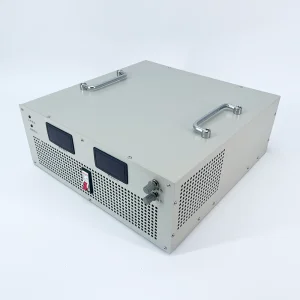
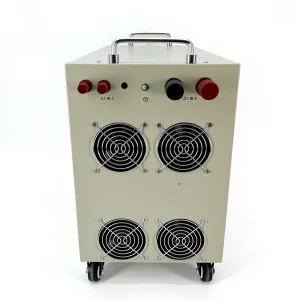
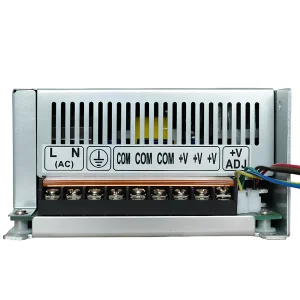
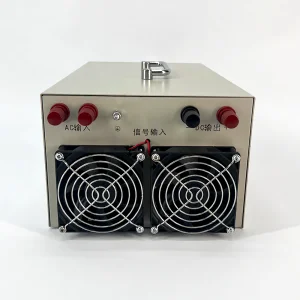
Analyzing the pivotal role of active and reactive load bank systems in verifying energy resilience across global grids, marine vessels, and enterprise data centers.
In an era driven by hyper-scale data centers, microgrids, and electric propulsion systems, the reliability of electrical generation equipment is paramount. AC Load Banks serve as the primary verification tool to ensure standby generators, Uninterruptible Power Supplies (UPS), and wind/solar inverters operate optimally under simulated stress conditions.
By providing a controllable, predictable, and measurable electrical load, these systems simulate real-world demands without risking critical facility operations. This critical testing ensures compliance with rigorous international performance standards such as ISO 8528-5 for generator transient responses.
Understanding the critical differentiation between resistive, inductive, and capacitive parameters in professional load testing environments.
| Load Bank Category | Primary Elements | Standard Power Factor (PF) | Key Industrial Applications | Control Resolution |
|---|---|---|---|---|
| Resistive (R) | Alloy heating elements (sheathed or open wire) | Unity (1.0) | Common generator testing, radiator heat load verification, general switchgear stress tests. | High resolution, binary step scaling down to 1 kW. |
| Inductive (L) | Iron-core reactors (coils/transformers) | Lagging (typically 0.0 - 0.8) | Simulating real motor loads, transformers, and commercial building HVAC dynamics. | Coarse/Medium step sizing, integrated with automated cooling fans. |
| Capacitive (C) | Industrial-grade capacitor banks | Leading (typically 0.0 - 0.8) | Server power simulator for telecommunications, high-frequency signal processing networks. | Microprocessor-controlled precise capacitive switches. |
| Combined (R-L-C) | Resistors, inductors, and capacitors in unison | Adjustable (0.1 leading to 0.1 lagging) | Full turbine grid-synchronization tests, dynamic data center micro-grid mock-ups. | Integrated PLC / SCADA interface for complex phase loading. |
15 years of industry specialization, operating a state-of-the-art 10,000 m² factory in Shanghai, optimizing global export logistics with unparalleled testing protocols.
Voltmat Power’s reputation as one of the premier industrial manufacturers in China relies on precision engineering from design to delivery. Because of our location, our export workflows are highly optimized, facilitating immediate containerized shipping from Shanghai's global ports.
Whether engineering a bespoke 3-phase high-voltage AC load bank system or an ultra-stable high-frequency DC switching power supply, our engineering department ensures the highest grade components—from non-inductive alloy resistors to advanced IGBT power blocks—are utilized. This meticulous focus translates into durable testing solutions that withstand harsh environment conditions, from tropical offshore rigs to freezing high-altitude microgrids.
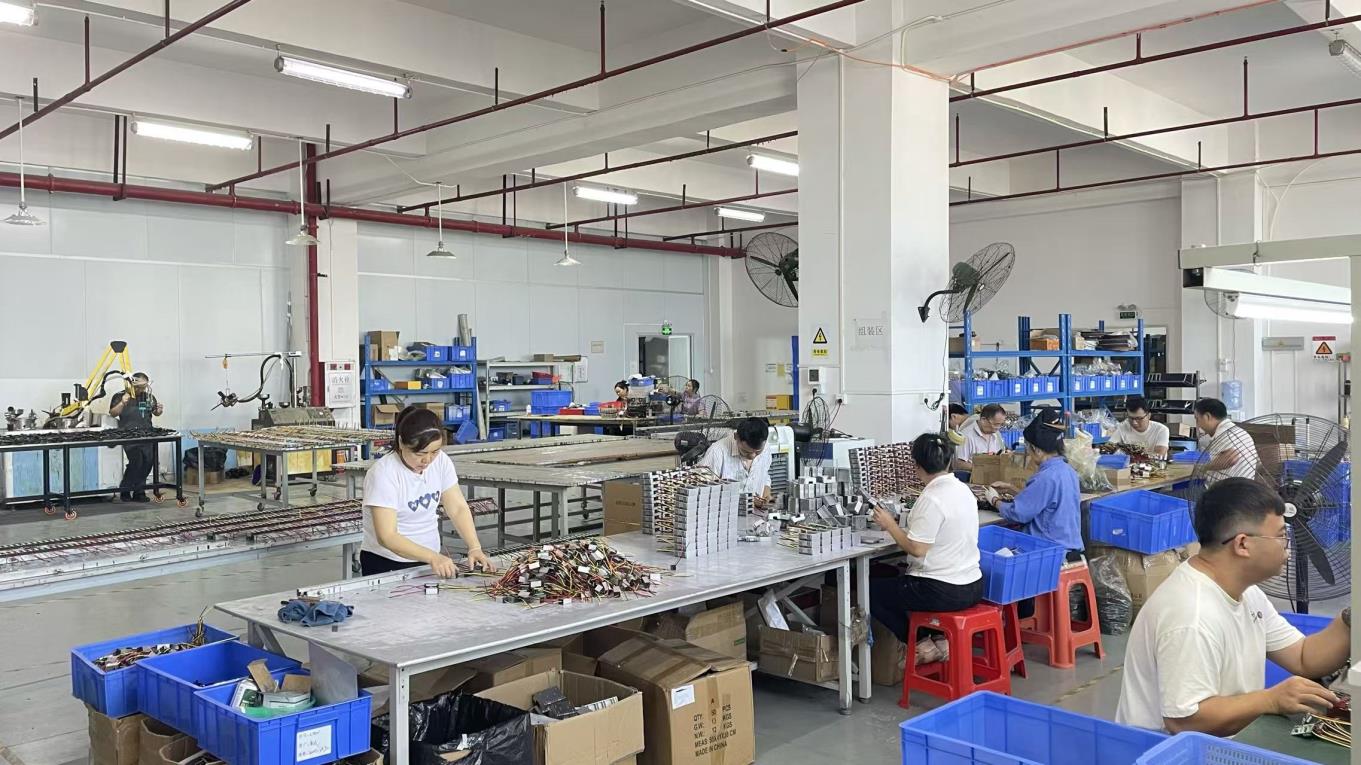
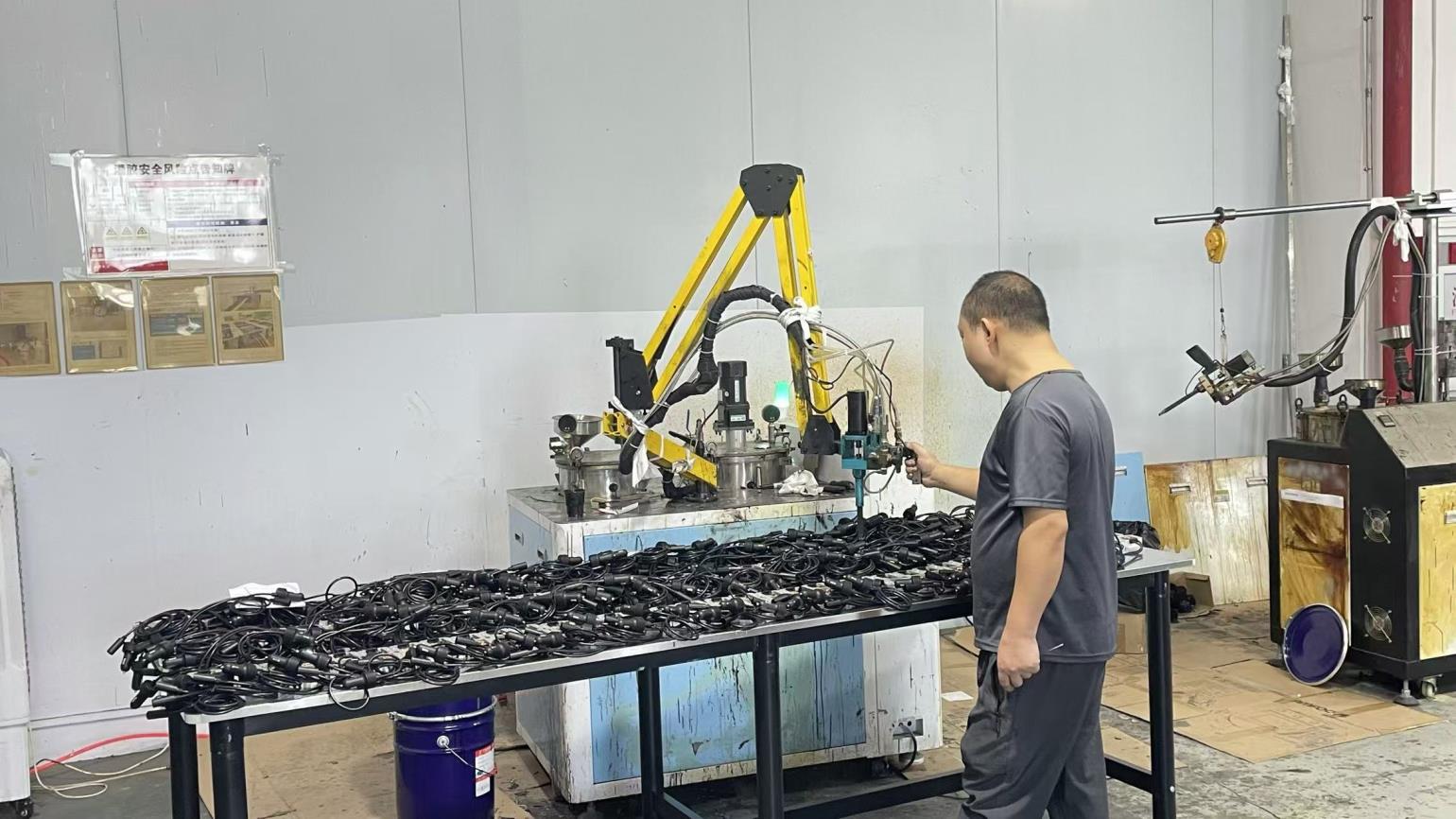
A comprehensive walkthrough of our manufacturing floor, showcasing specialized equipment and modern assembly stations that guarantee zero-defect shipments.


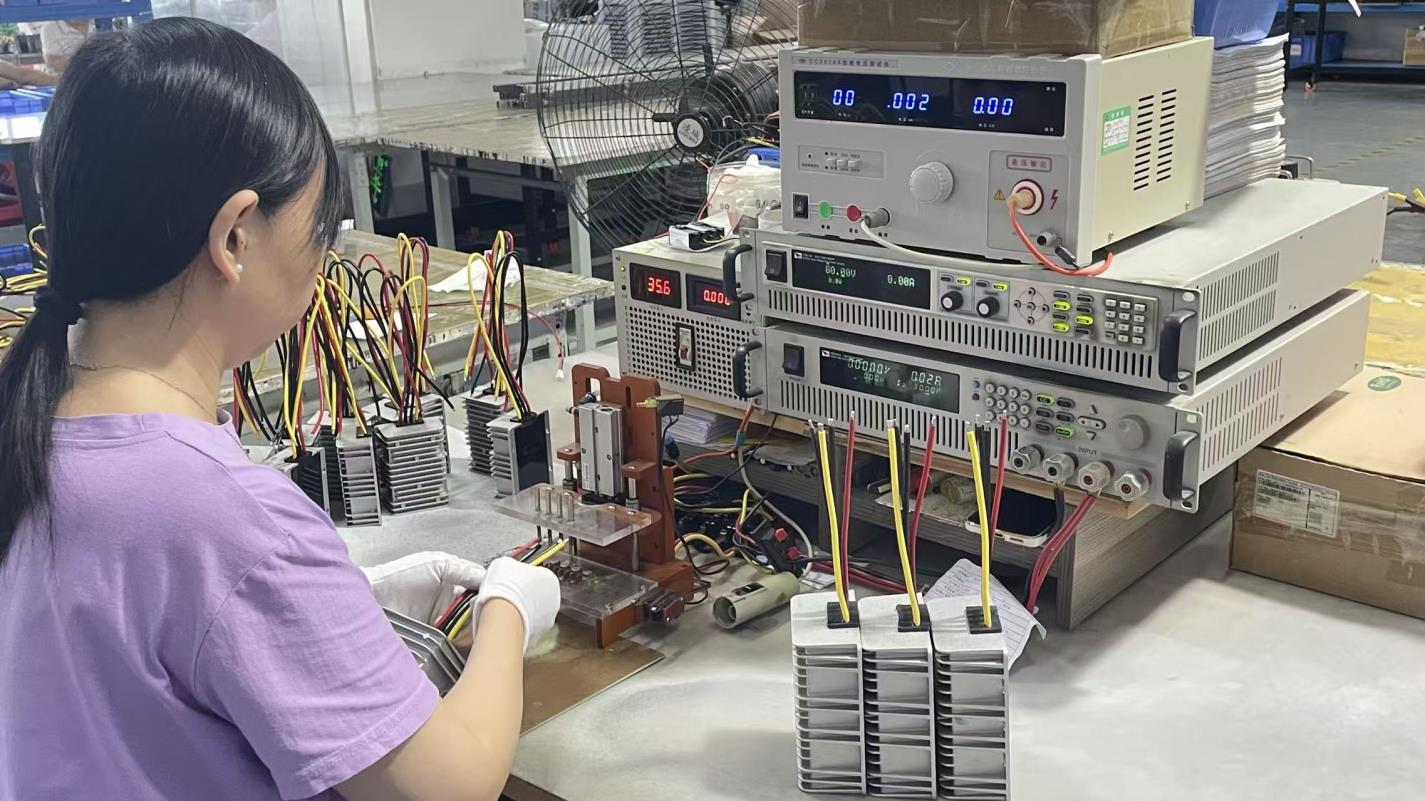

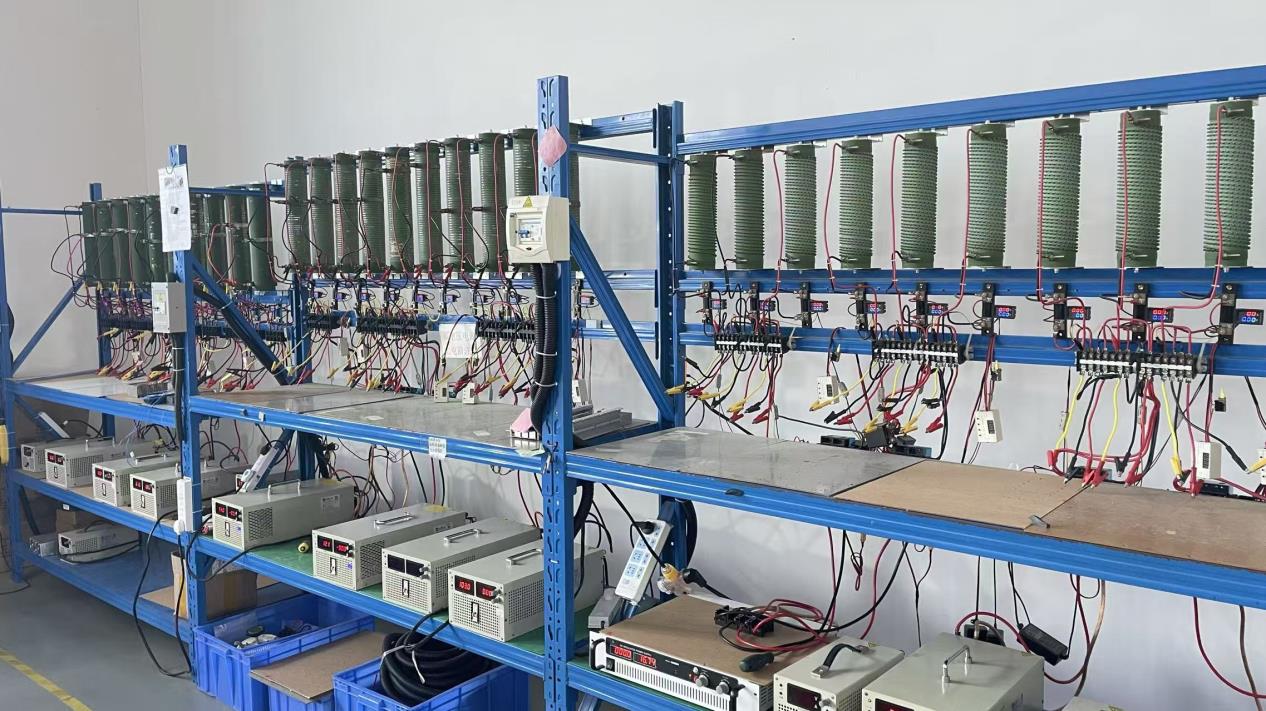


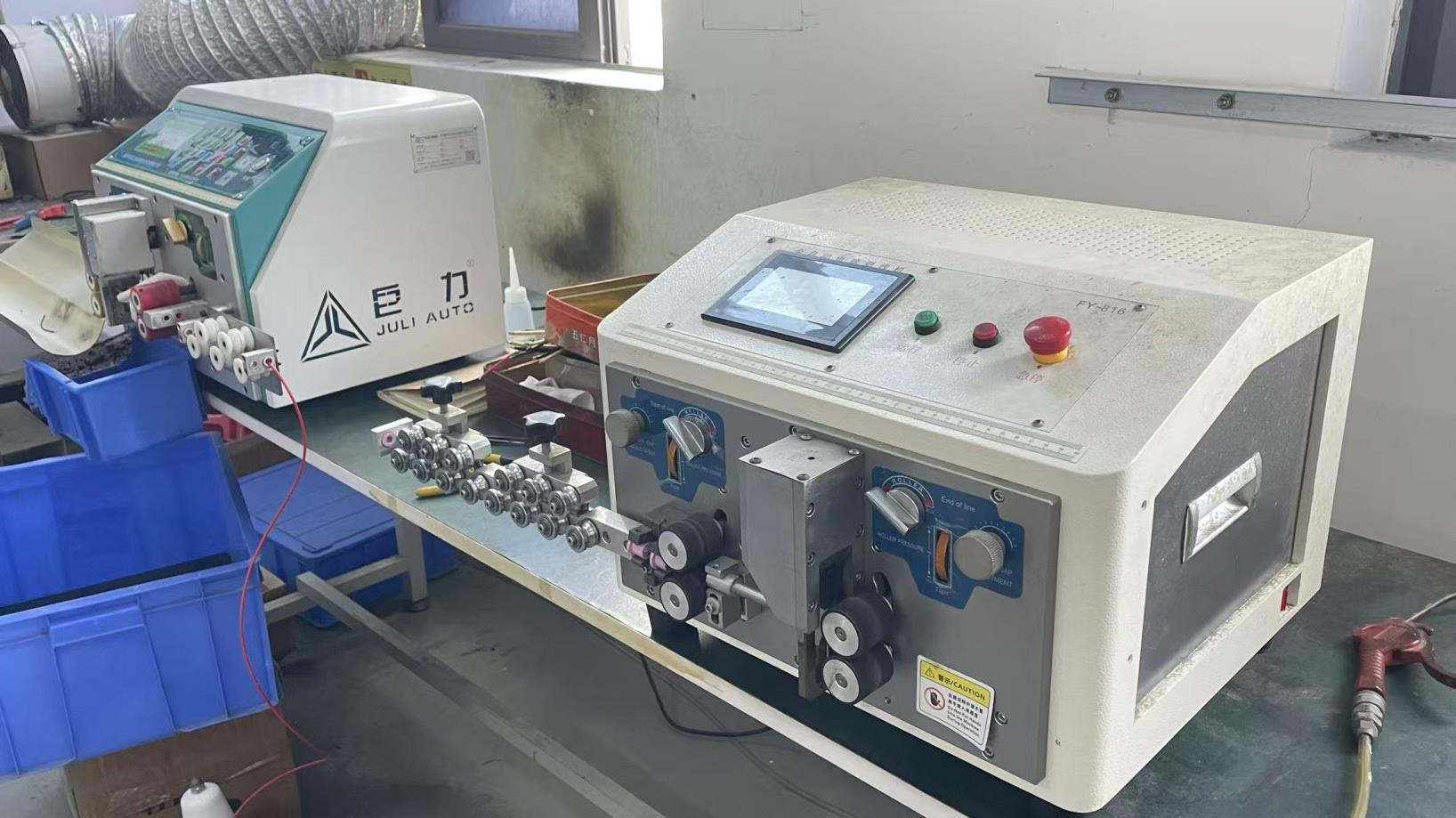

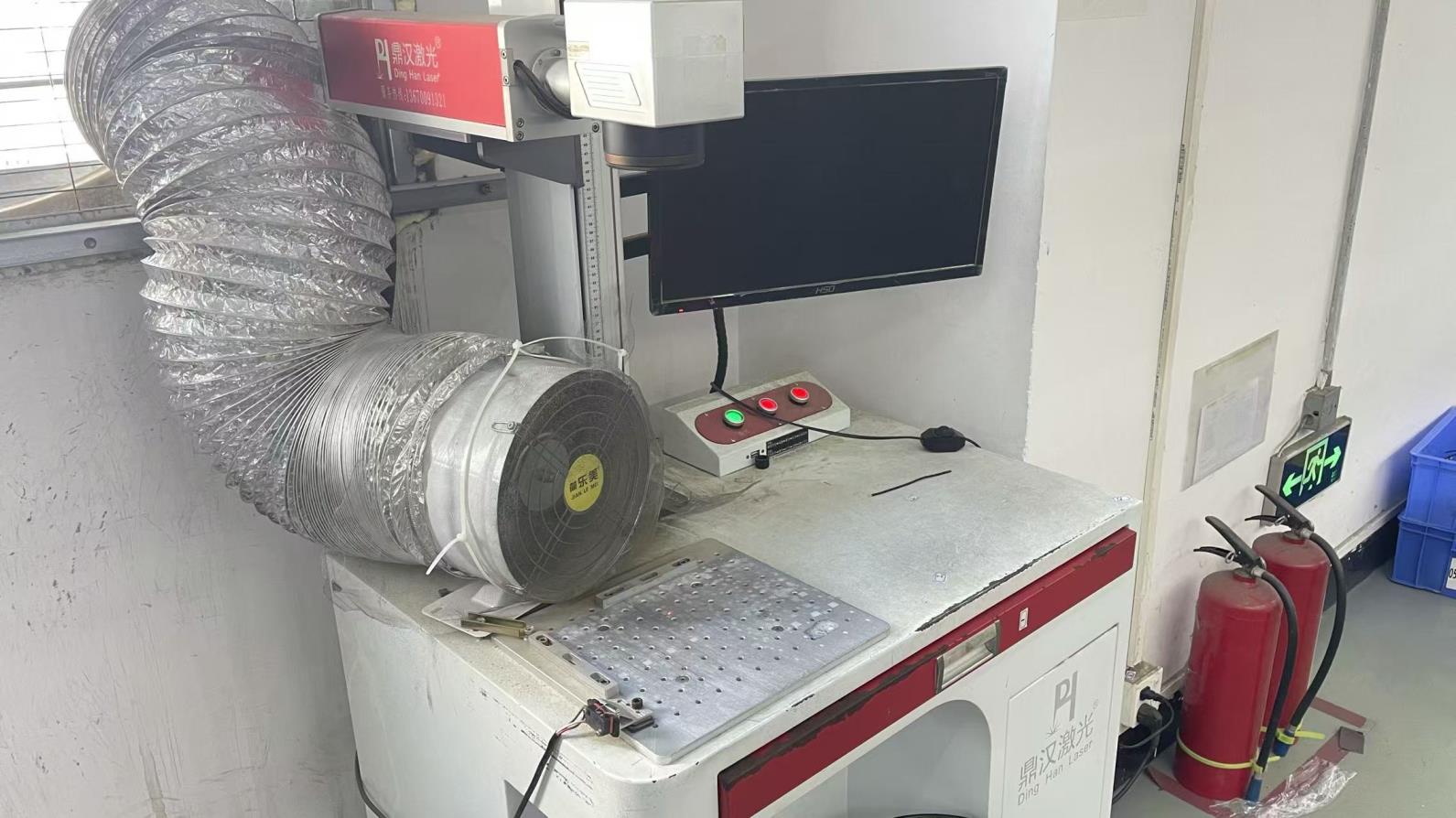

A glimpse inside our environmental chambers and scientific microscopic diagnostics, ensuring high-temperature calibration and mechanical endurance.
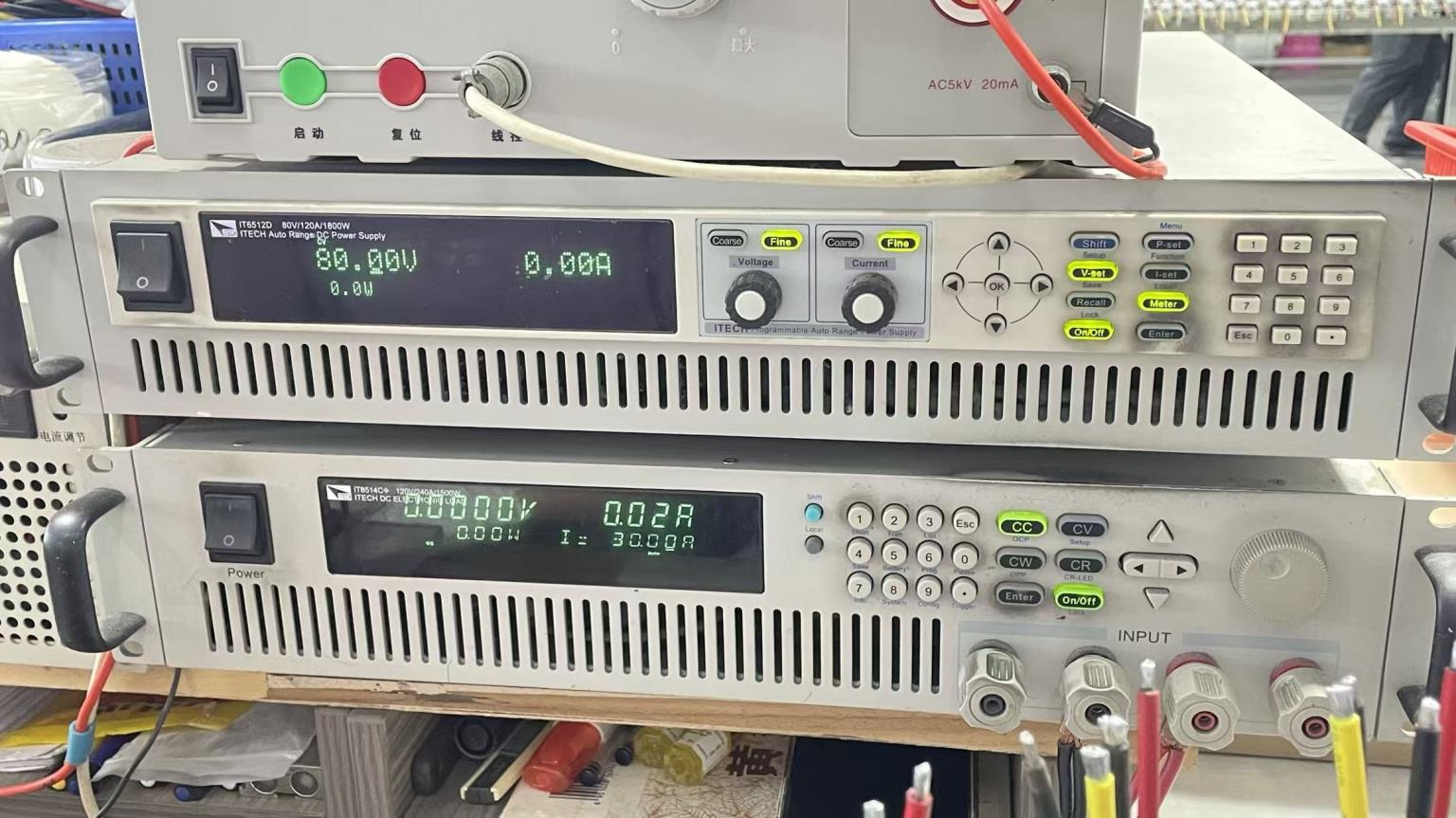
Verifies load characteristics, ripple levels, and line regulation profiles. This computerized analyzer evaluates transient voltage peaks under sudden load swings, guaranteeing the power regulator maintains accurate tracking.
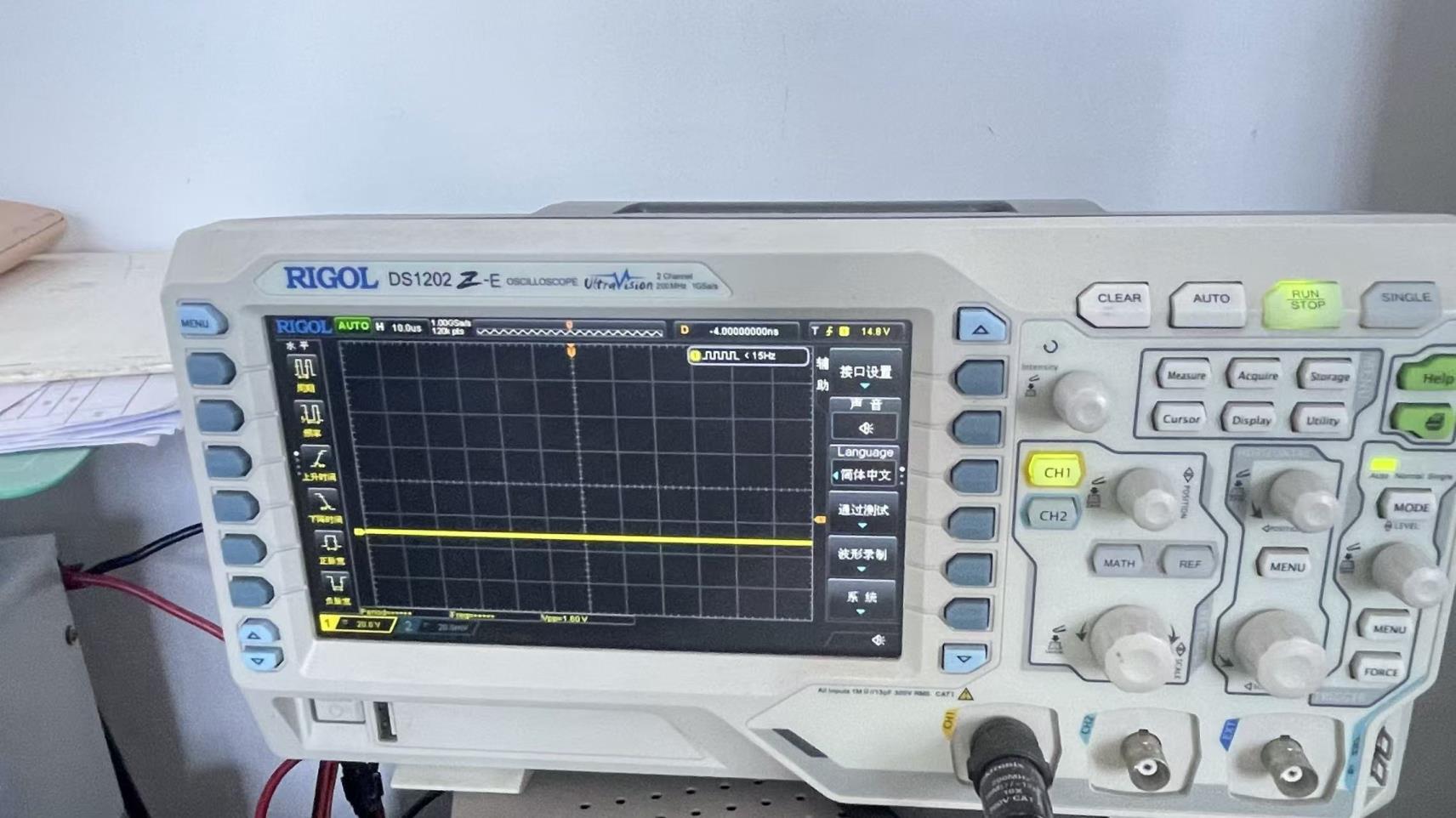
Subjects insulation systems to high voltage stress. It identifies leakage currents, micro-discharge pathways, and potential layout failures, assuring operator safety and physical insulation barriers under heavy field loads.
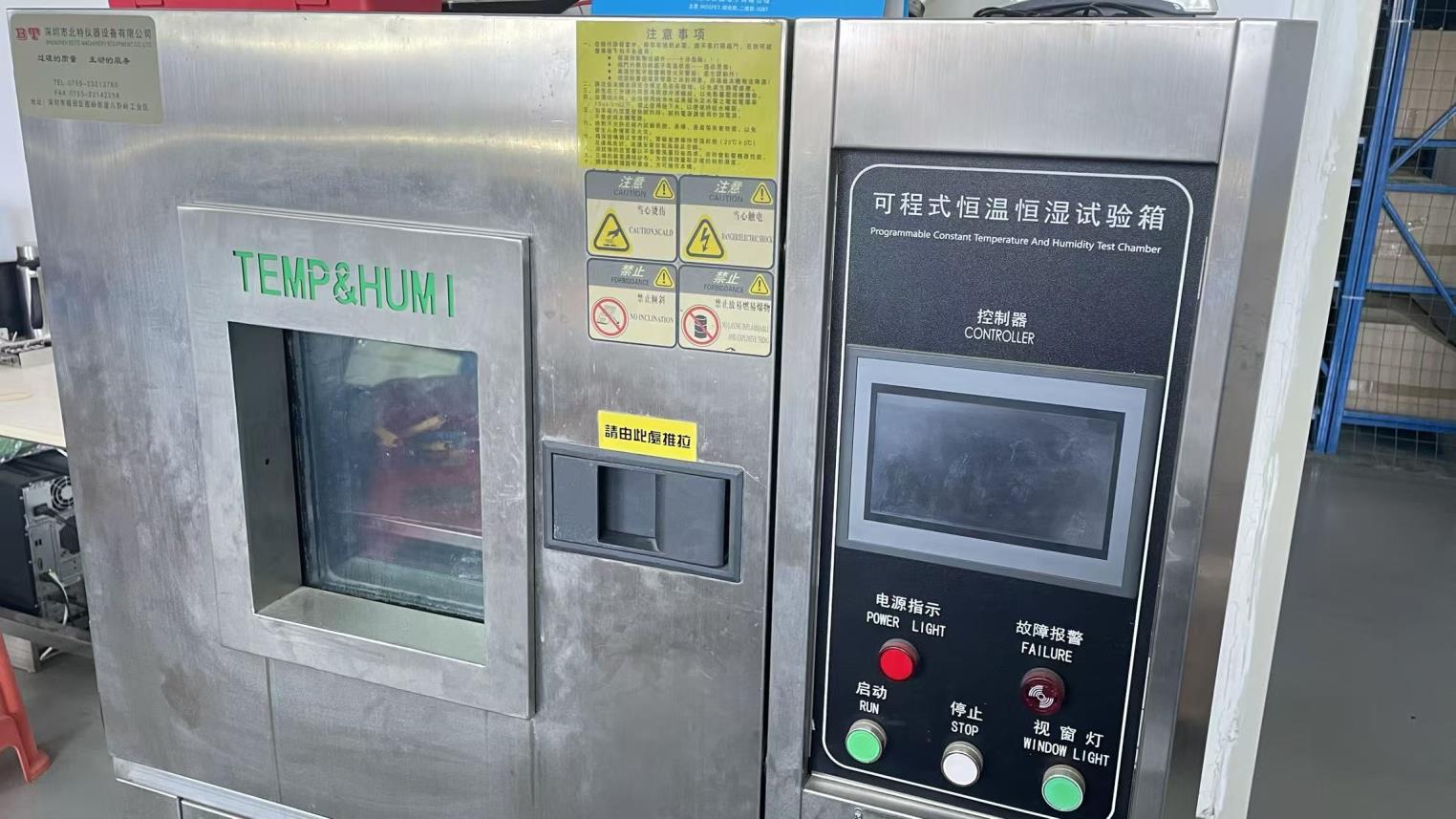
Simulates sub-zero arctic environments and high-humidity tropical conditions. By cycling materials between extreme temperatures, we isolate thermal drift errors in our control circuits, ensuring operation across international zones.

Analyzes PCB solder joints, microstructure integrity, and trace layouts at a microscopic level. It catches hairline micro-cracks and thermal fatigue signs before critical components proceed to final mechanical integration.
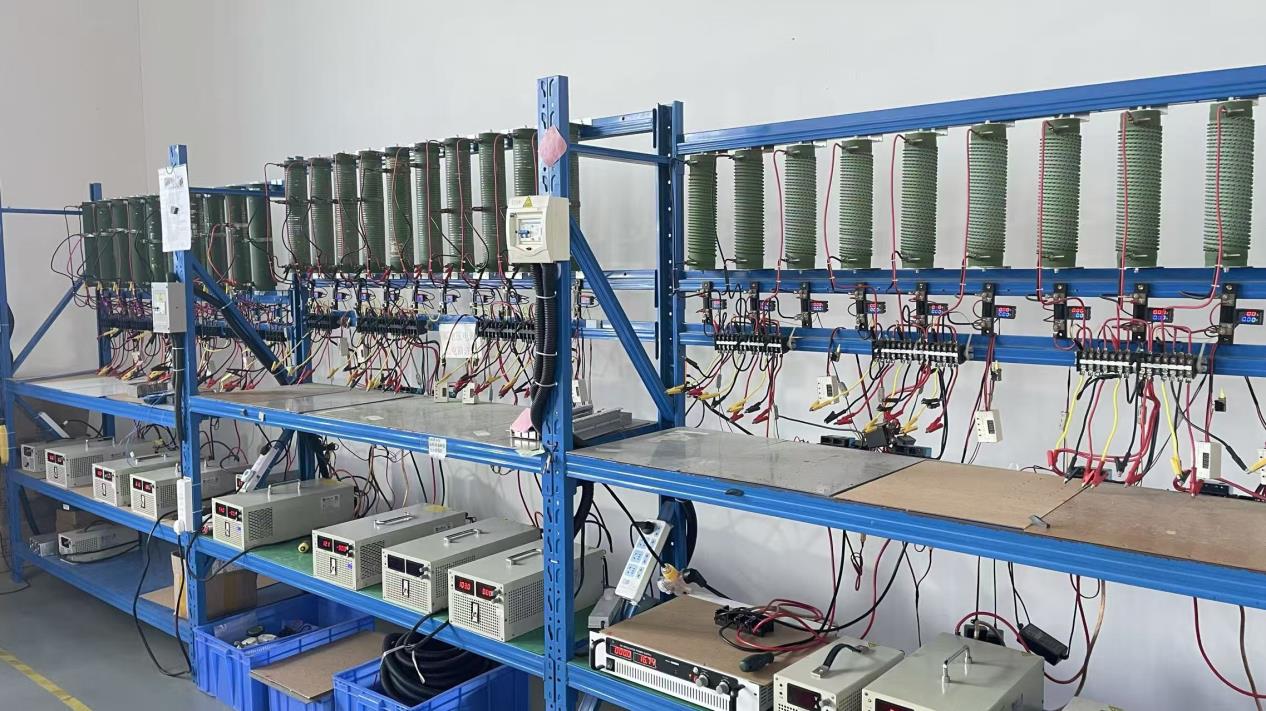
Every system undergoes up to 72 hours of uninterrupted full-capacity burn-in. Accelerating early semiconductor mortality ensures only verified, high-MTBF electronics ship out to sea ports and remote industrial operations.

Our engineering laboratory utilizes computerized modeling tools to design customized active/reactive load arrays and switching schematics, matching exact customer impedance profiles and enclosure specifications.
Deploying tailored power load frameworks to verify compliance in complex and challenging global installations.
Verifying server room cooling and backup power distribution networks. Our load systems simulate dynamic computing loads, testing automatic static transfer switches (STS) and validating double-conversion UPS runtime specifications.
Validating diesel propulsion, ship-to-shore power converters, and emergency thruster responses. Built inside heavy marine-grade galvanized enclosures to resist salt-fog corrosion and structural vibrations.
Simulating grid fluctuation profiles on solar and wind inverter networks. Essential for modeling line impedance variations, low-voltage ride-through (LVRT) conditions, and anti-islanding parameters.
Expert insights and technical guidance on AC load bank selection, calibration standards, and system topologies.
A combined resistive-inductive (R-L) load allows engineers to simulate a standard 0.8 power factor. Testing at 0.8 PF is critical because it models the inductive losses of typical commercial components like motors and transformers. Testing only with a resistive load (1.0 PF) does not fully evaluate a generator’s voltage regulator (AVR) or its capability to supply lagging reactive current, potentially leaving system weaknesses undetected.
For marine shipyards, we apply polyurethane coatings to the PCB boards and utilize double-sealed, IP55-rated enclosures built from 304 or 316 stainless steel. Heating elements use high-grade alloy tubes with magnesium oxide powder insulation to resist moisture absorption during offshore marine operations.
Our systems include multi-tier interlocking safety circuits: air pressure sensors to verify cooling fan operation, thermal cutoff switches directly on resistor frames, overcurrent circuit breakers, and emergency stop inputs. If a cooling fan fails, the control system immediately dumps the load, preventing thermal runaway.
Yes, our control cards support Modbus RTU/TCP, Profibus, and custom Ethernet protocols. This allows our equipment to integrate with centralized SCADA software, enabling automated testing sequences and data logging of electrical test parameters.
Explore our high-voltage output models, optimized for extreme industrial power conditioning, DC motor drives, and advanced electrical research.