Voltmat Power
Voltmat Power
Voltmat Power
Explore our elite range of industrial-grade switching power supplies, optimized for high efficiency, precise output regulation, and prolonged operating cycles.
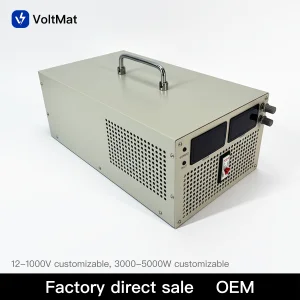
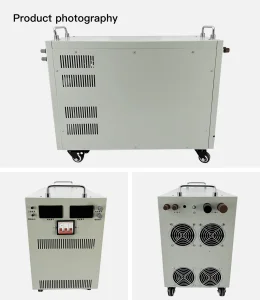
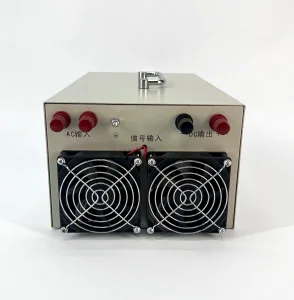
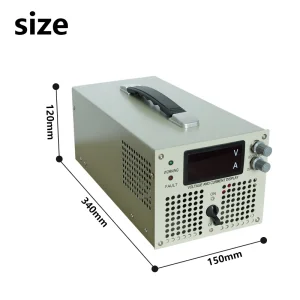
As the Internet of Things (IoT) transitions from conceptual networks to heavy-duty industrial automation (IIoT), smart grids, and localized remote environments, the demand for underlying electrical stability has reached unprecedented heights. Power supply units are no longer merely energy conduits; they are the baseline determinant of operational lifespan, data transmission integrity, and system resilience. An unstable input voltage or a momentary microsecond power sag can corrupt localized flash memory, drop sensor telemetry, or compromise safety loops in large-scale installations.
To support massive IoT architectures, system integrators and engineers require high-power regulated systems capable of operating non-stop, often under harsh environmental conditions. The power supply must maintain strict voltage tolerance ranges (often under ±1% deviation), suppress electromagnetic interference (EMI), and deliver conversion efficiencies exceeding 88-89% to minimize thermal packaging stress. This optimization blueprint explores how top China manufacturers leverage advanced engineering, rigorous testing, and localized production networks to fulfill the specialized requirements of worldwide enterprises sourcing IoT power components.
Sourcing high-voltage and adjustable regulated power supplies from China offers unparalleled strategic advantages for global technology buyers. In the context of industrial-grade equipment, the Chinese manufacturing ecosystem is not just about price competitiveness; it is about absolute supply chain integration. The convergence of critical component suppliers, PCB fabricators, transformer design houses, and specialized testing equipment within the Yangtze River Delta guarantees that manufacturing pipelines can respond to fluctuating market requirements with extreme agility.
Our strategic placement in Shanghai provides access to one of the world's most extensive shipping networks. Multi-modal connectivity (sea, air, rail) ensures minimized lead times and streamlined customs clearance for international destinations.
From custom magnetic cores to advanced high-power semiconductor packaging, we source components within a localized radius. This localized infrastructure limits vulnerability to global supply bottlenecks and stabilizes unit costs.
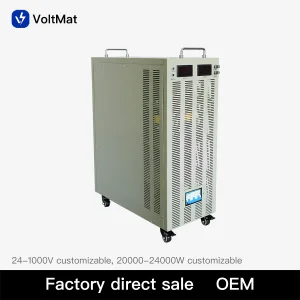
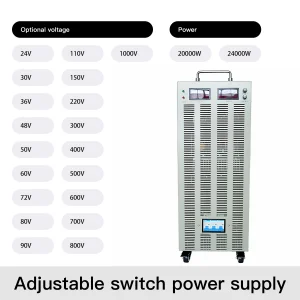
Our manufacturing plant supports extensive OEM/ODM specifications. Whether your IoT systems require unusual wide-input ranges (e.g., 24V to 1000V adjustable rails) or high current stability, our engineering team can adapt layouts directly.
Modern IoT networks extend far beyond domestic smart hubs; they regulate vital infrastructure, automated manufacturing, and heavy chemical systems. These environments call for robust power architectures tailored to specialized usage profiles:
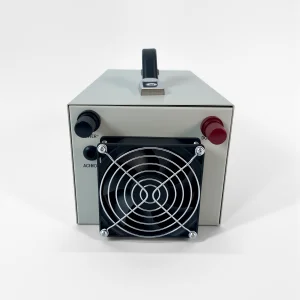
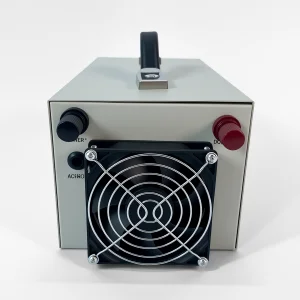
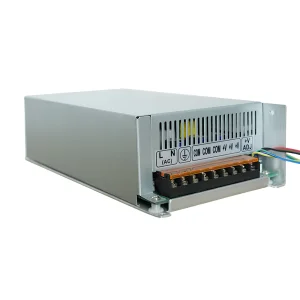
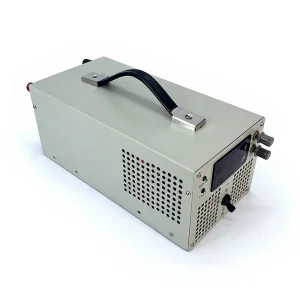
Industrial water purification systems utilize IoT sensors to control electrochemical reaction rates. Our adjustable switching power supplies, such as the Output 80V-16000W Safety Switching Power Supply, provide the precise, ripple-free high current necessary for electrolysis cells while providing digital telemetry ports to connect with centralized IoT monitoring modules.
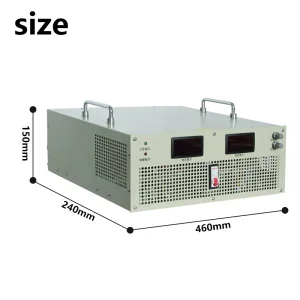
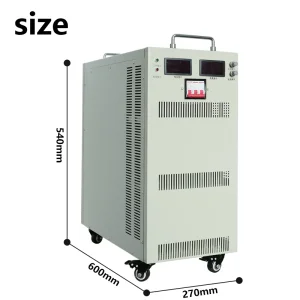
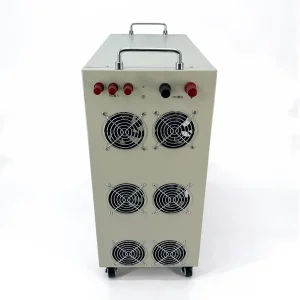
Developing robust energy storage systems (ESS) requires charging/discharging monitoring loops. IoT-enabled battery balancing networks depend on highly stable power architectures. High-voltage platforms like the 800V-24000W Industrial DC Power Supply allow engineers to simulate complex grid transients, battery load characteristics, and verify control loop stability across thousands of remote sensor points.
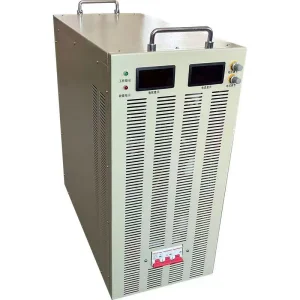
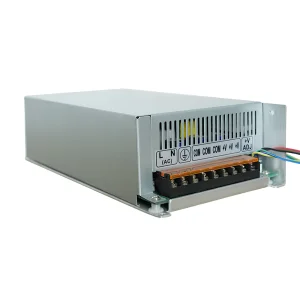
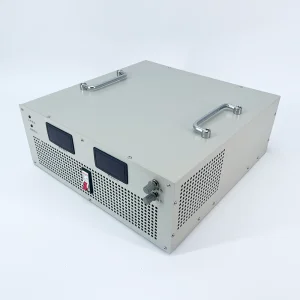
Factories undergoing Industry 4.0 upgrades rely on heavy-duty telemetry devices to measure vibration, pressure, and thermal loads in real time. The integration of 30V-4000W AC-DC Voltage Regulators ensures that industrial processing tools operate without power drops, suppressing switching spikes that could interfere with sensitive edge intelligence gateways.
With latency-sensitive processes computed locally on site, edge servers demand consistent, highly efficient switching power sources. Solutions featuring 89% conversion efficiency reduce cooling overhead, maintaining system uptime and avoiding the critical failure risks associated with high thermal stress inside isolated server enclosures.
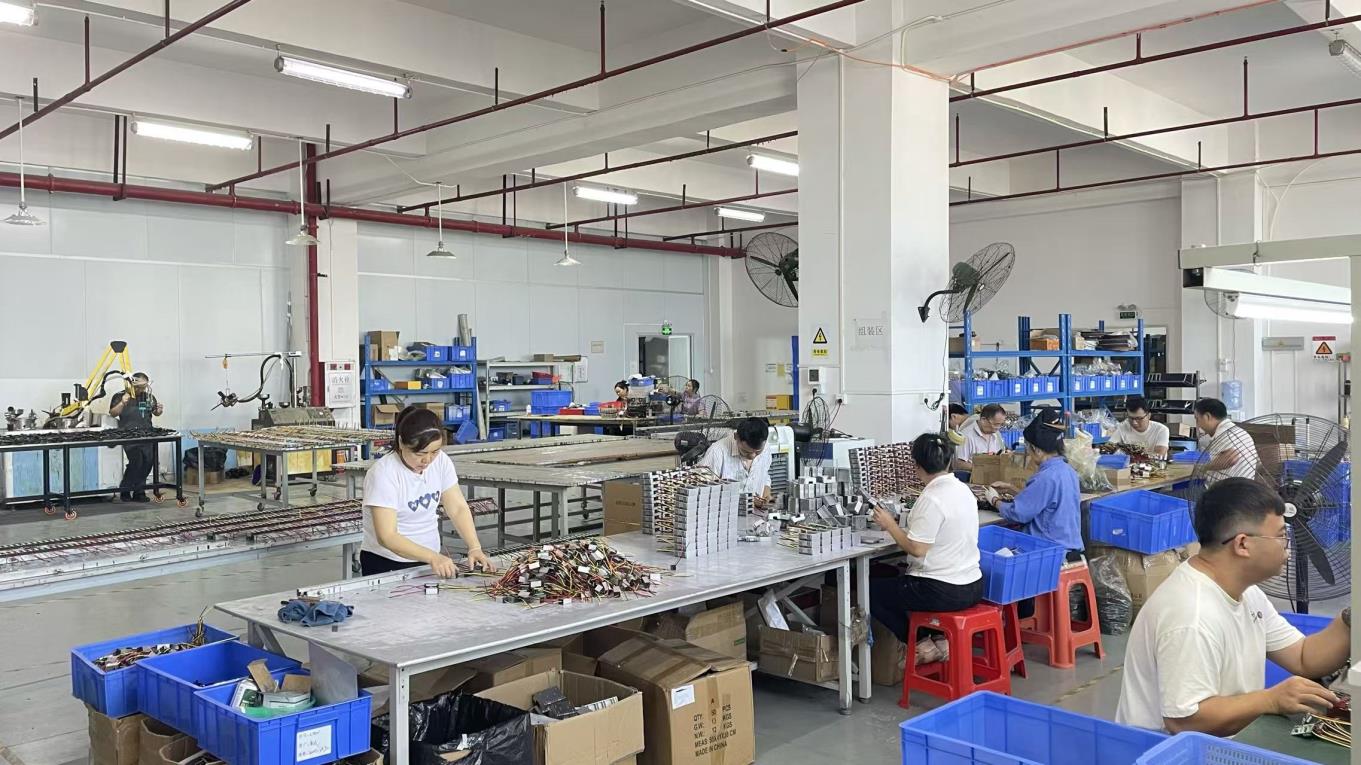
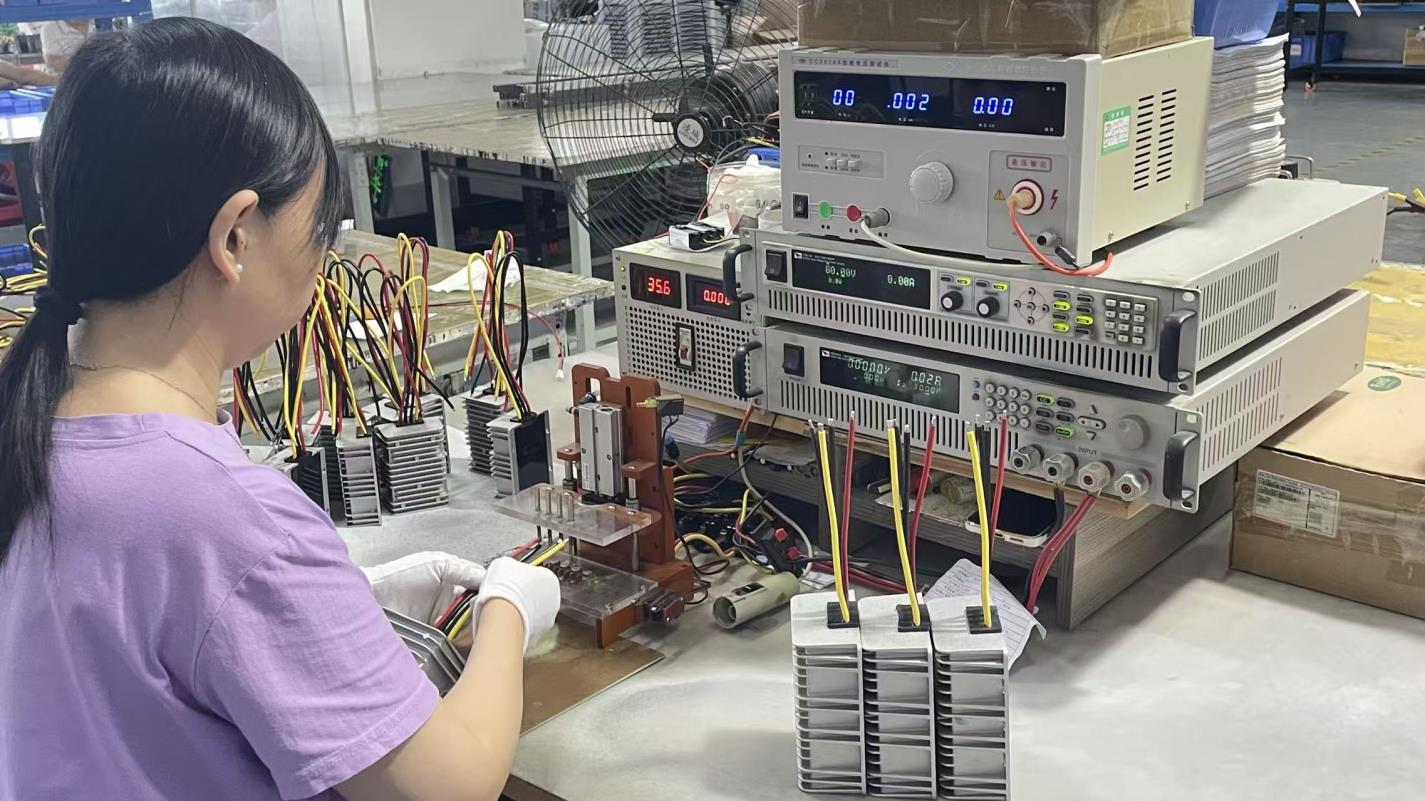
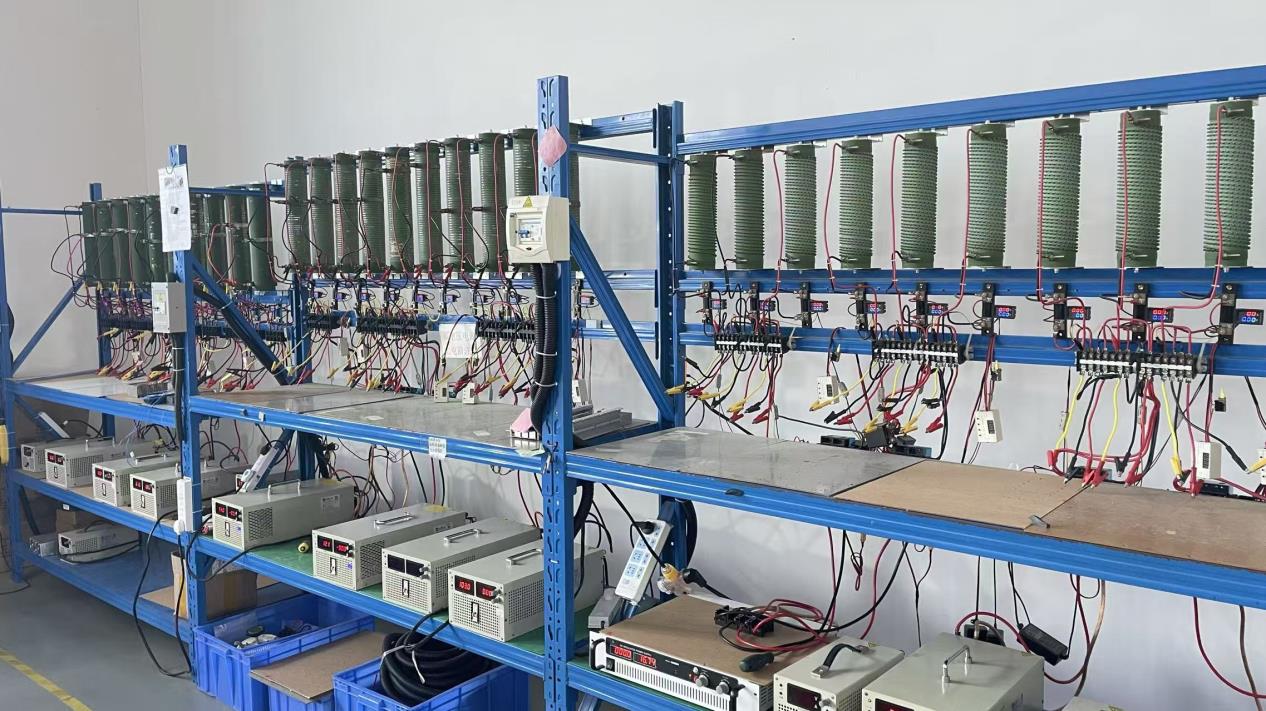
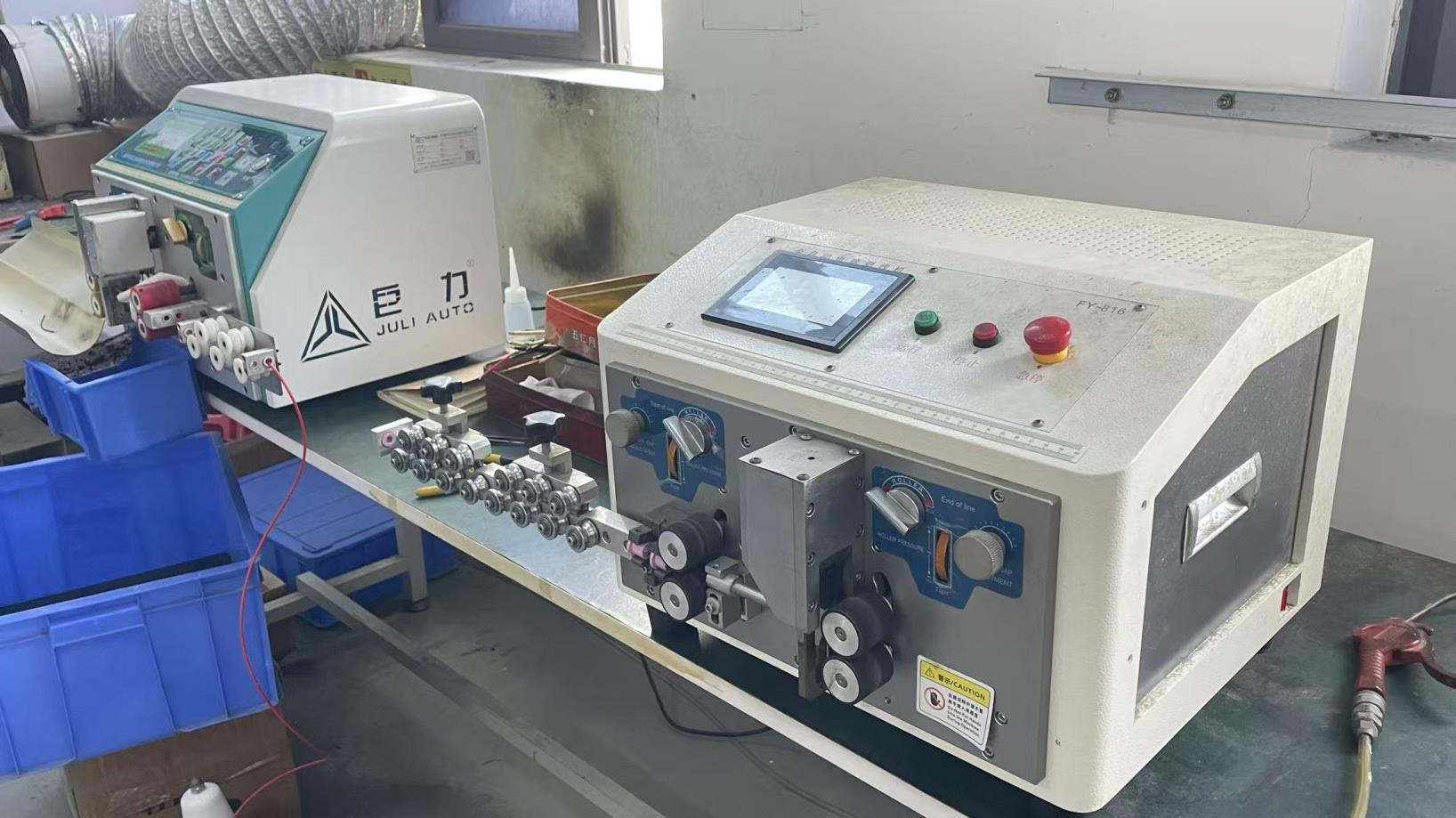
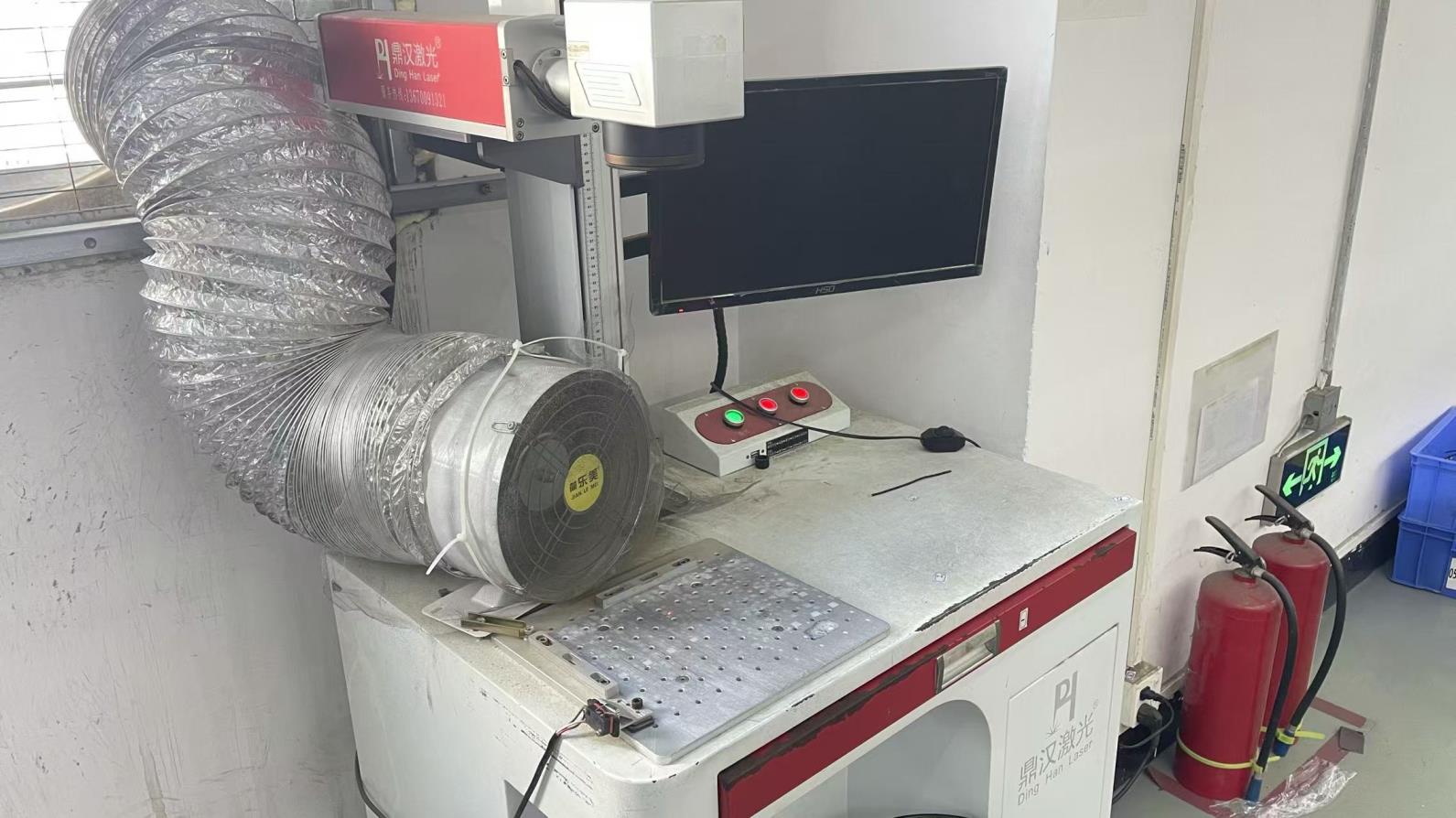
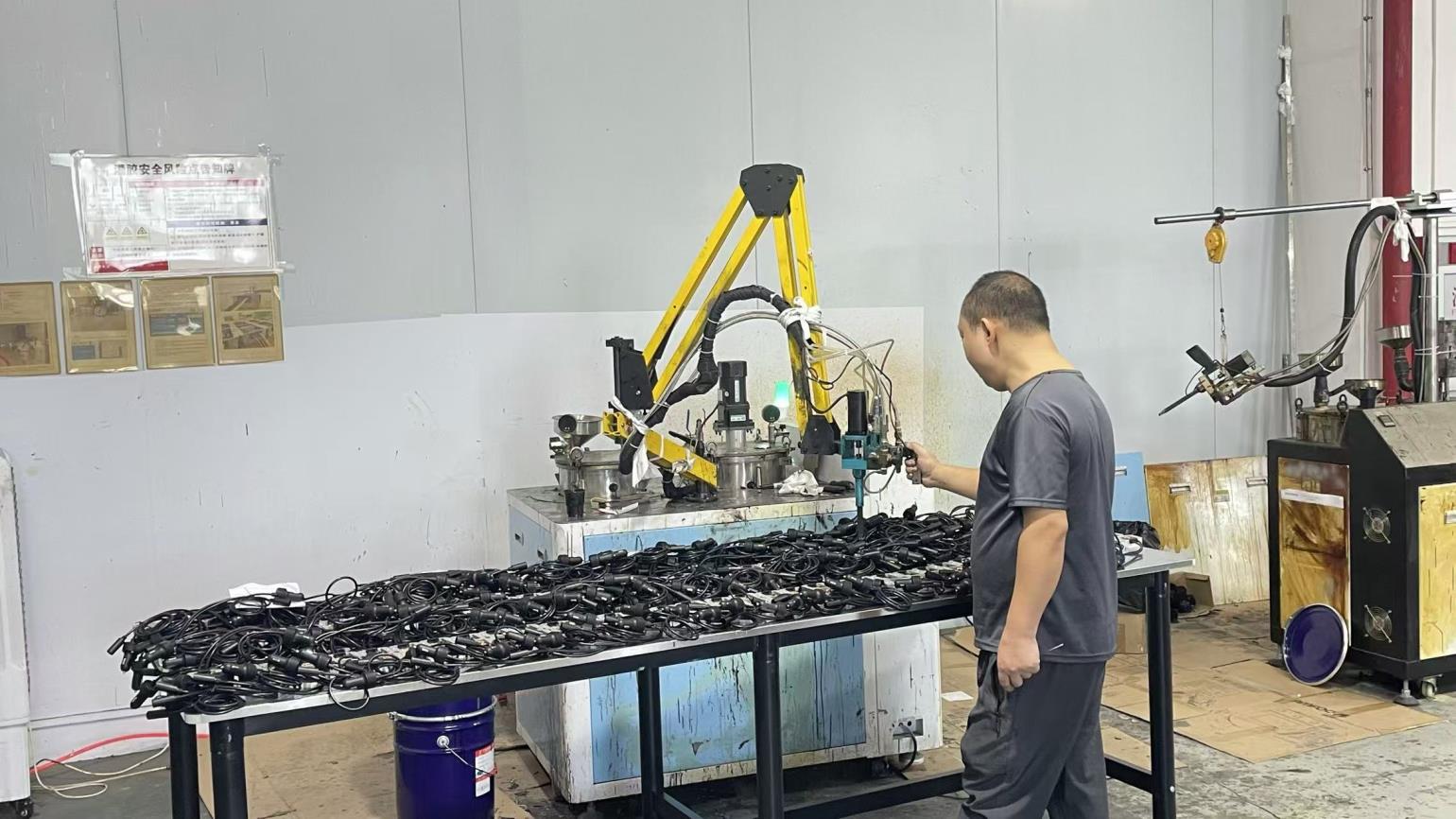
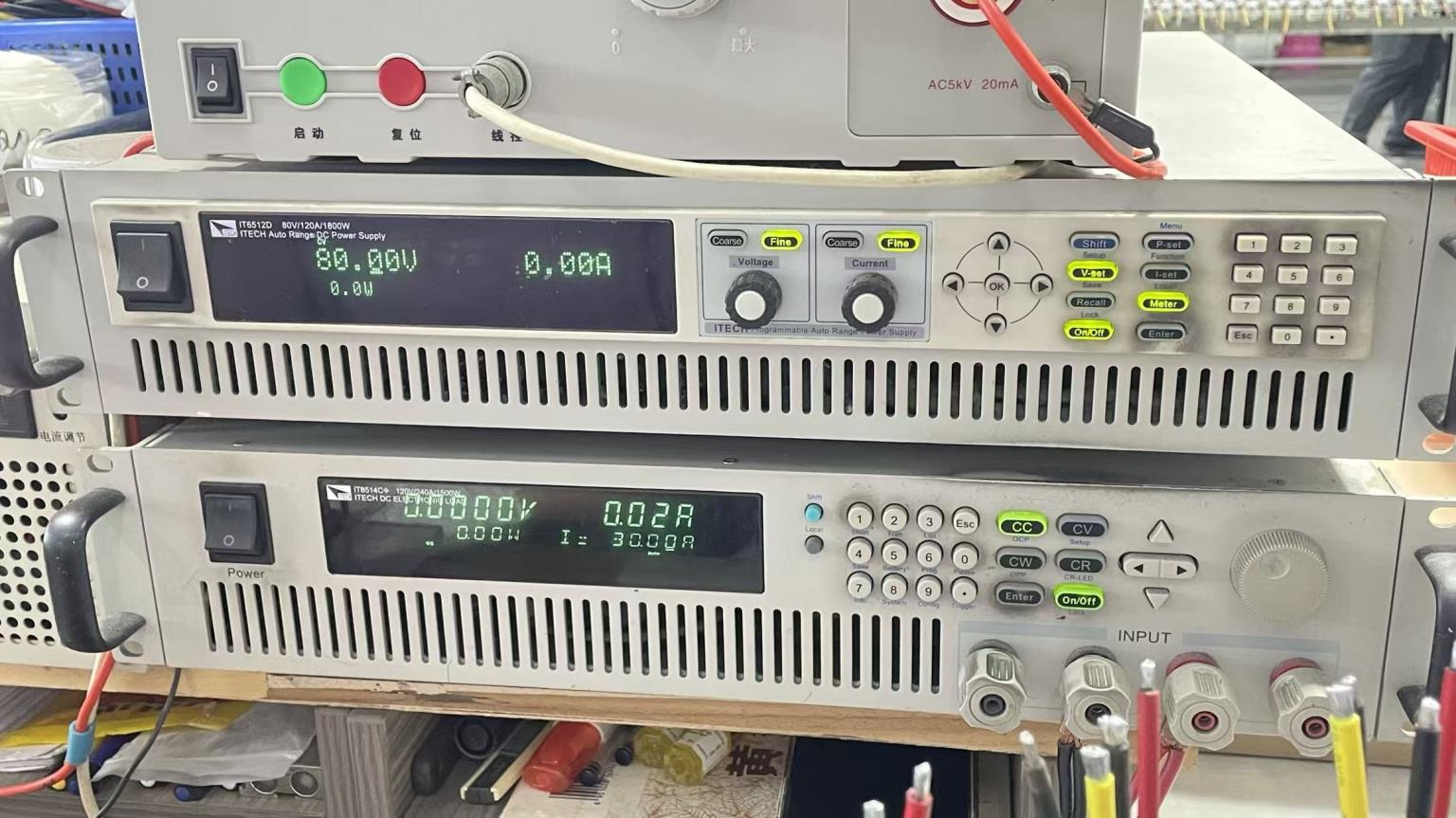
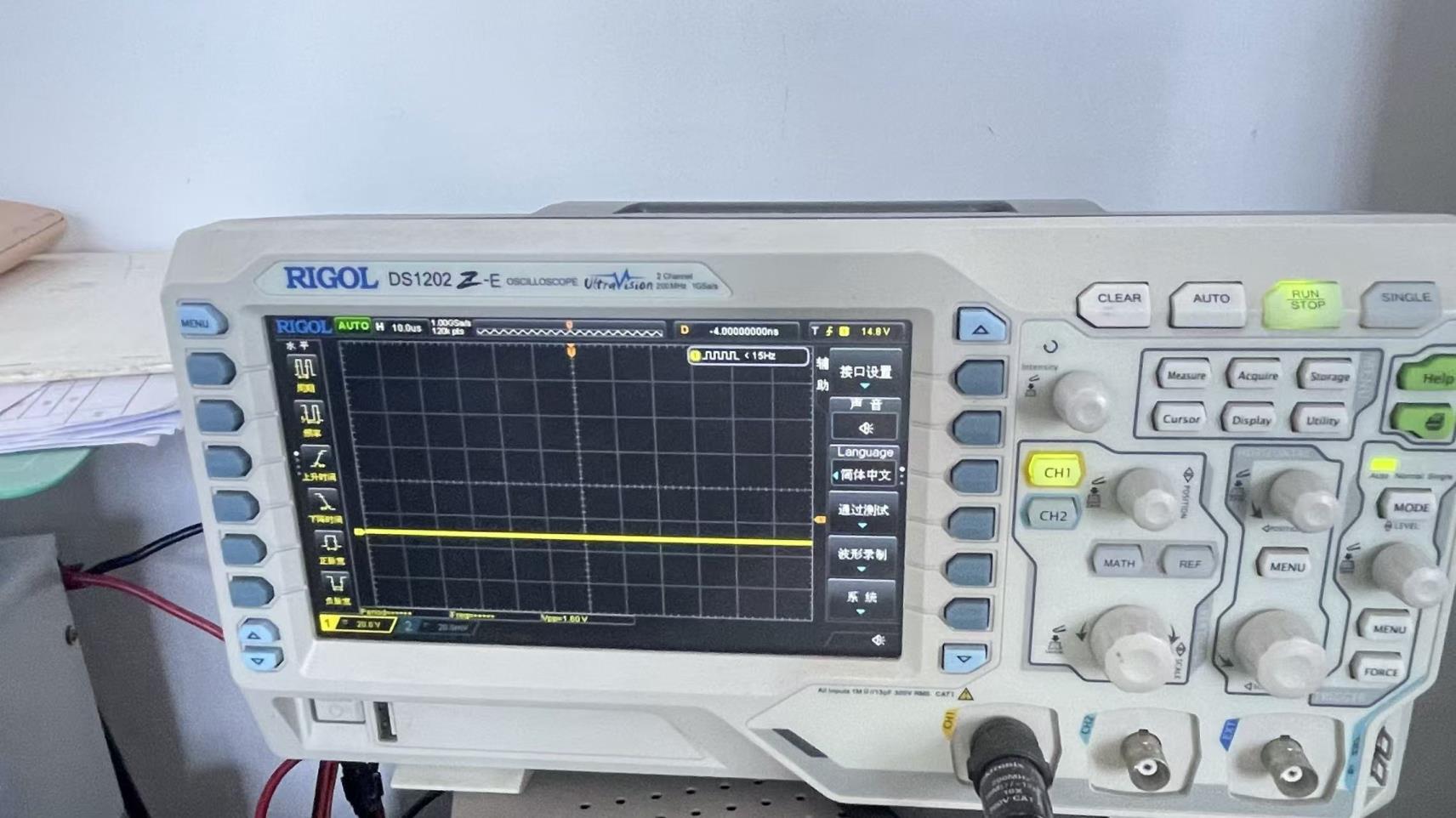
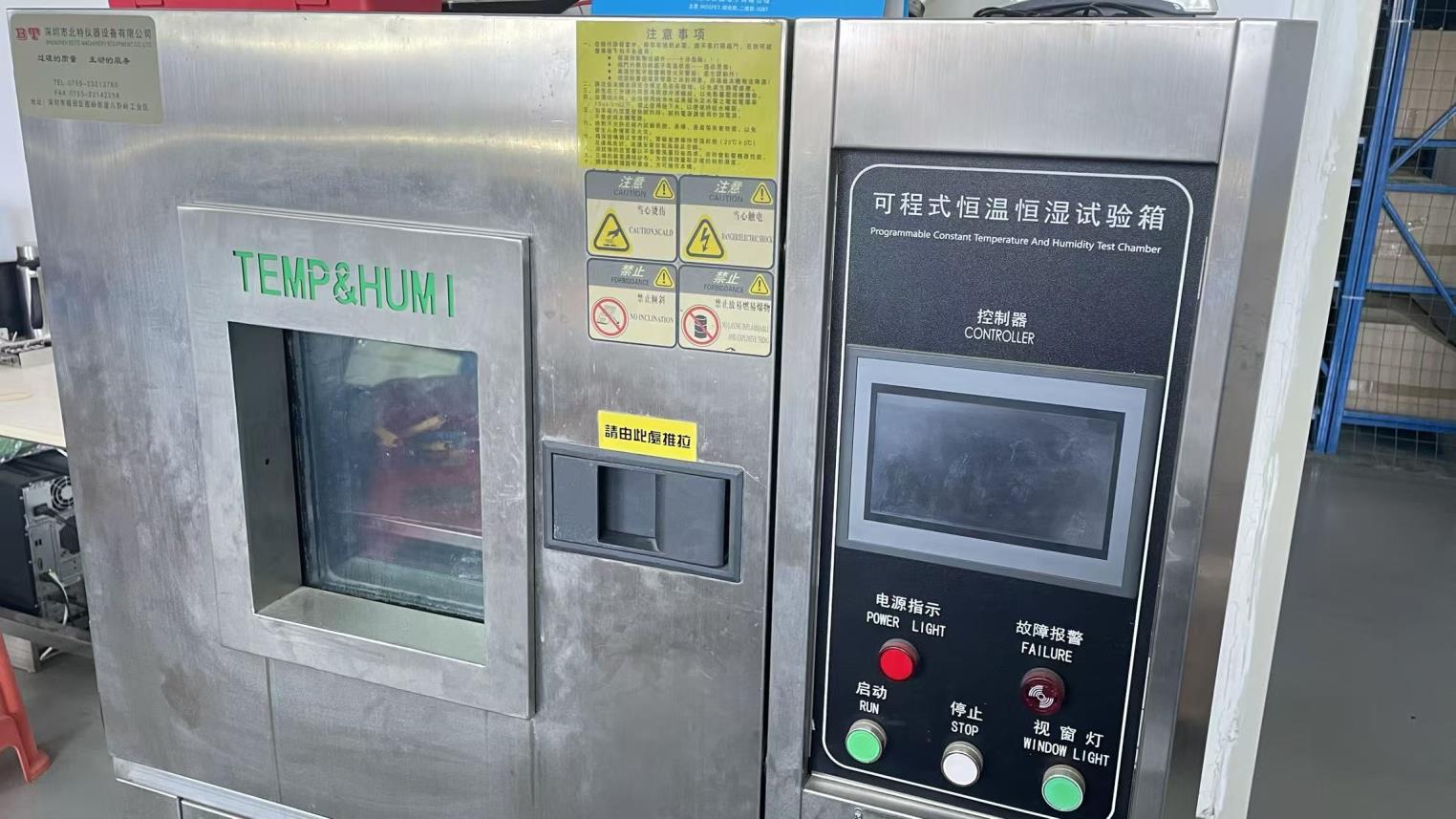
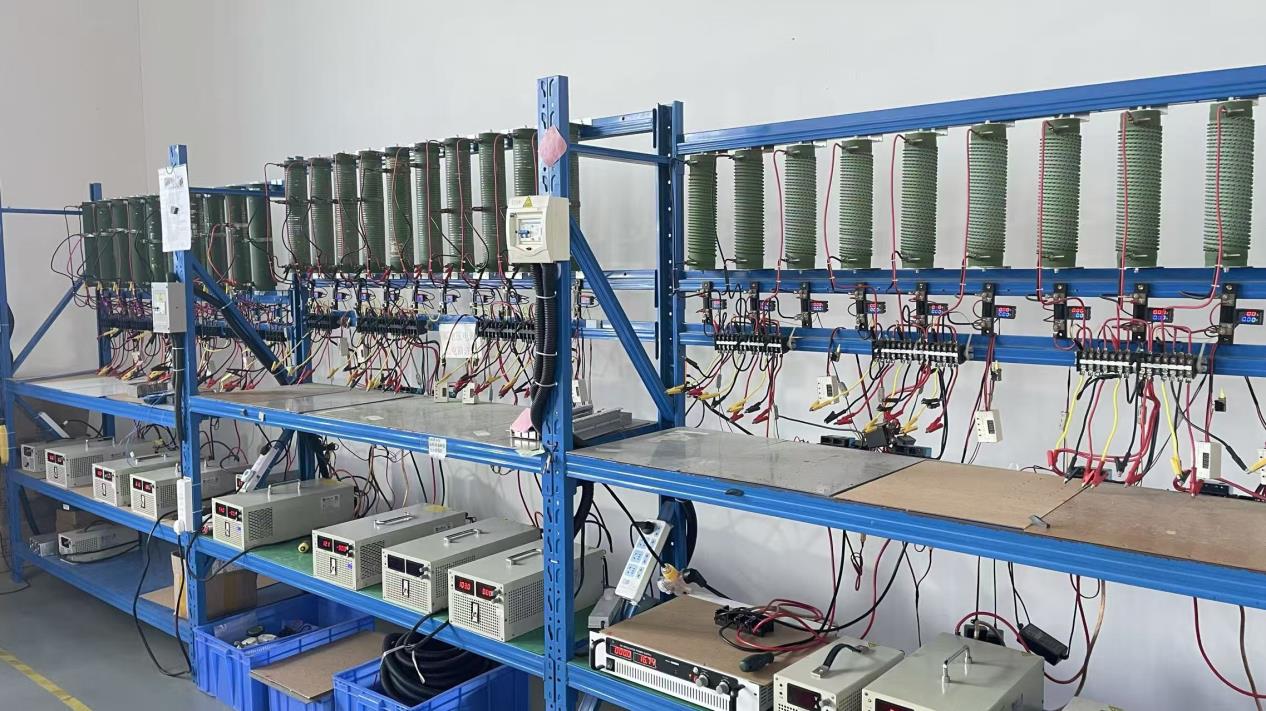
Every device undergoes a 19-step manufacturing and quality control sequence inside our 10,000 sqm Shanghai facility, achieving an industry-leading 99.9% product qualification rate.









The global power supply industry is undergoing swift technological evolution. In order to select the ideal hardware configuration for large-scale operations, engineering teams must evaluate modern architecture developments:
Gallium Nitride (GaN) and Silicon Carbide (SiC) switches are quickly replacing traditional Silicon MOSFETs in high-power setups. Due to their capability to switch at significantly higher frequencies with decreased thermal degradation, they enable dramatic footprint reduction in AC-DC conversion stages. This allows manufacturers to construct powerful switching platforms—such as 4000W to 8000W models—in highly dense enclosures with peak efficiencies exceeding 89%.
Analog feedback loops are increasingly giving way to Digital Signal Processor (DSP)-controlled topologies. DSPs enable real-time tracking of voltage regulation, line fluctuations, and current demands. This is especially vital for IoT edge networks where load characteristics alternate rapidly between sleep cycles and high-power wireless transmissions. Programmatic feedback systems ensure transient spikes are neutralized before reaching vulnerable microprocessors.
Modern industrial operations require continuous monitoring of their power infrastructure. Integration of standard communication protocols (such as Modbus, CAN bus, or PMBus) enables high-capacity systems to transmit voltage, current, and internal temperature profiles directly to cloud dashboard consoles. Operational managers can predict component wear and structure maintenance schedules before hardware failures take place.
In addition to manufacturing tolerances, ensuring damage-free transit across international supply routes is vital. Delicate electrical components, microcontrollers, and transformers are highly vulnerable to humidity, vibrations, and structural shock during maritime or air freight forwarding. To safeguard every unit, our Shanghai facility adheres to a rigid, multi-layered protective dispatch workflow:
Sealed anti-static packaging blocks coastal moisture and condensation during extended sea journeys, preventing copper and trace oxidation.
Molded, high-density polyethylene foams absorb kinetic impacts and mechanical vibrations occurring during loading and shipping.
Heavy-duty, multi-wall corrugated cardboard containers resist external compression forces and maintain structural integrity during transit.
Rigid timber structures reinforce the shipping boxes, providing impact defense against surrounding heavy cargo during shipping container transit.
Technical clarifications to help electrical system designers and procurement coordinators select the ideal power infrastructure.
Explore our high-performance switching power supplies engineered for reliability and long-term stability.