Voltmat Power Voltmat Power

Top 10 Silent Power Supply Manufacturer & Factory

High-Power Industrial DC Regulated Solutions with Advanced Acoustic Engineering & 99.9% Testing Reliability

Industry Analysis & Whitepaper

Engineering Acoustics: The Physics Behind Silent Power Supplies

In high-power industrial environments, electromagnetic stability is paramount. However, acoustic noise—often dismissed as a mere comfort factor—has emerged as a critical element of system failures and operator fatigue. Silent power supplies are not just quiet; they are designed from the ground up to reduce mechanical vibration, coil whine (magnetostriction), and high-frequency harmonics that can degrade delicate testing instrumentation. Achieving silent performance at high power thresholds (from 500W to over 20KW) requires sophisticated thermal management and component optimization.

"True silent power supply manufacturing is a delicate balancing act between thermal dissipation dynamics, magnetic component configuration, and advanced digital control loop algorithms."

1. Architectural Drivers of Silent Operation

Traditional high-power AC-DC switching power supplies rely heavily on active cooling systems. The high-RPM fans required to displace thermal build-up create significant broadband acoustic noise. Silent power supplies mitigate this through several hardware modifications:

  • Over-sized Heat Sinks: Utilizing aerospace-grade aluminum extrusions with high surface-area-to-volume ratios to maximize natural convective dissipation.
  • Zero Voltage Switching (ZVS): Employing soft-switching topologies that reduce switching losses, minimizing heat generation at the power semiconductor level (MOSFETs/IGBTs).
  • Encapsulated Magnetics: Vacuum impregnation of transformer windings with high-damping resins, completely eliminating mechanical vibrations caused by magnetostriction under high loads.
  • Variable Intelligent Fan Control: Implementing microcontrollers that dynamically adjust fan RPMs based on internal thermal junction temperatures, keeping noise outputs under 25 dBA at standard loads.

2. Global Procurement Matrix: Selecting the Right Factory

When selecting a manufacturer for silent or low-noise high-power regulated systems, global enterprise procurement teams must look past nominal specifications. The validation process must focus on factory capability, engineering compliance, and supply chain reliability. The following comparison outlines key evaluation parameters for silent power supply sources:

Evaluation Parameter Standard Manufacturers Top-Tier Professional Factories
Acoustic Rating (dB) >45 dBA under nominal load <30 dBA (with fan off/hybrid mode option)
Magnetic Design Off-the-shelf standard inductors In-house custom winding with varnishing and resin potting
Testing Protocols Sample testing before shipment Dual-stage validation: 100% automated testing & manual burn-in
Component Selection Standard commercial grade (85°C) Long-life, high-temp electrolytic capacitors (105°C)

3. China Supply Chain Advantages: The Shanghai Manufacturing Hub

Located in the industrial manufacturing center of Shanghai, our production facility benefits from China's highly integrated electronics supply chain. Our 10,000 square meter factory leverage immediate access to high-grade magnetic steels, specialized copper conductors, and state-of-the-art semiconductor packages. This structural proximity significantly reduces lead times for complex custom orders, such as high-voltage adjustable units ranging from 24V up to 1000V. Additionally, Shanghai's strategic port and logistics infrastructure ensure seamless international distribution utilizing heavy-duty, moisture-proof, and shock-absorbing protective frameworks.

4. Localized Support, Environmental Compliance, and Standards

Operating a global business requires adherence to localized safety, environmental, and electrical codes. Industrial power supplies must satisfy strict regulatory compliance frameworks to ensure site safety and electromagnetic compatibility (EMC):

  • Safety Standards: EN/IEC 62368-1, UL 60950 compliance for electrical insulation and creepage safety.
  • EMC/EMI Directive: FCC Part 15 Class B and EN 55032 compliance, ensuring minimal radiated emissions that could interfere with nearby machinery or measurement tools.
  • RoHS & REACH Compliance: Lead-free construction ensuring environmentally safe disposal at product end-of-life.
  • DIN Rail Integration: Standardized form factors allowing easy configuration in industrial automation enclosures.
15+
Years R&D Excellence
10,000㎡
Production Facility
99.9%
QC Qualification Rate
100%
Double Tested Shipments
Advanced Production Line

State-of-the-Art Manufacturing & Testing Infrastructure

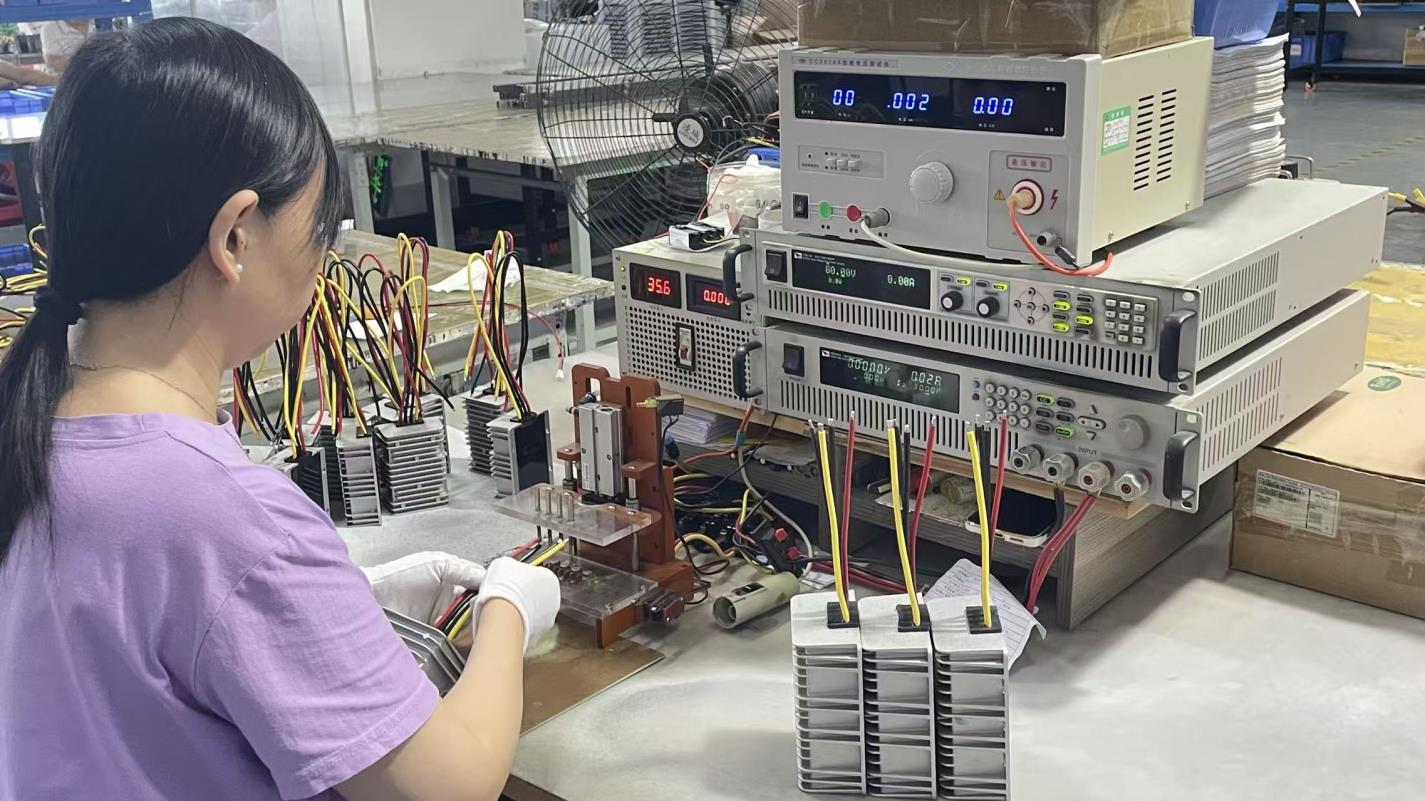
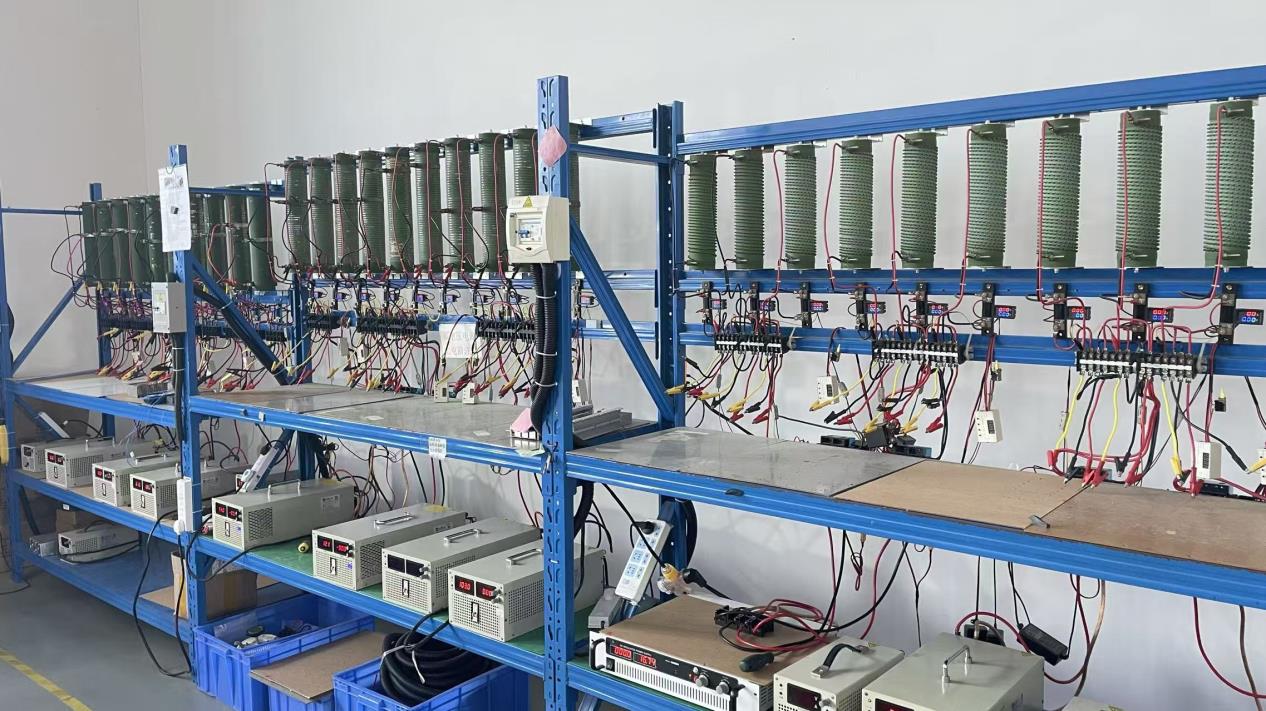
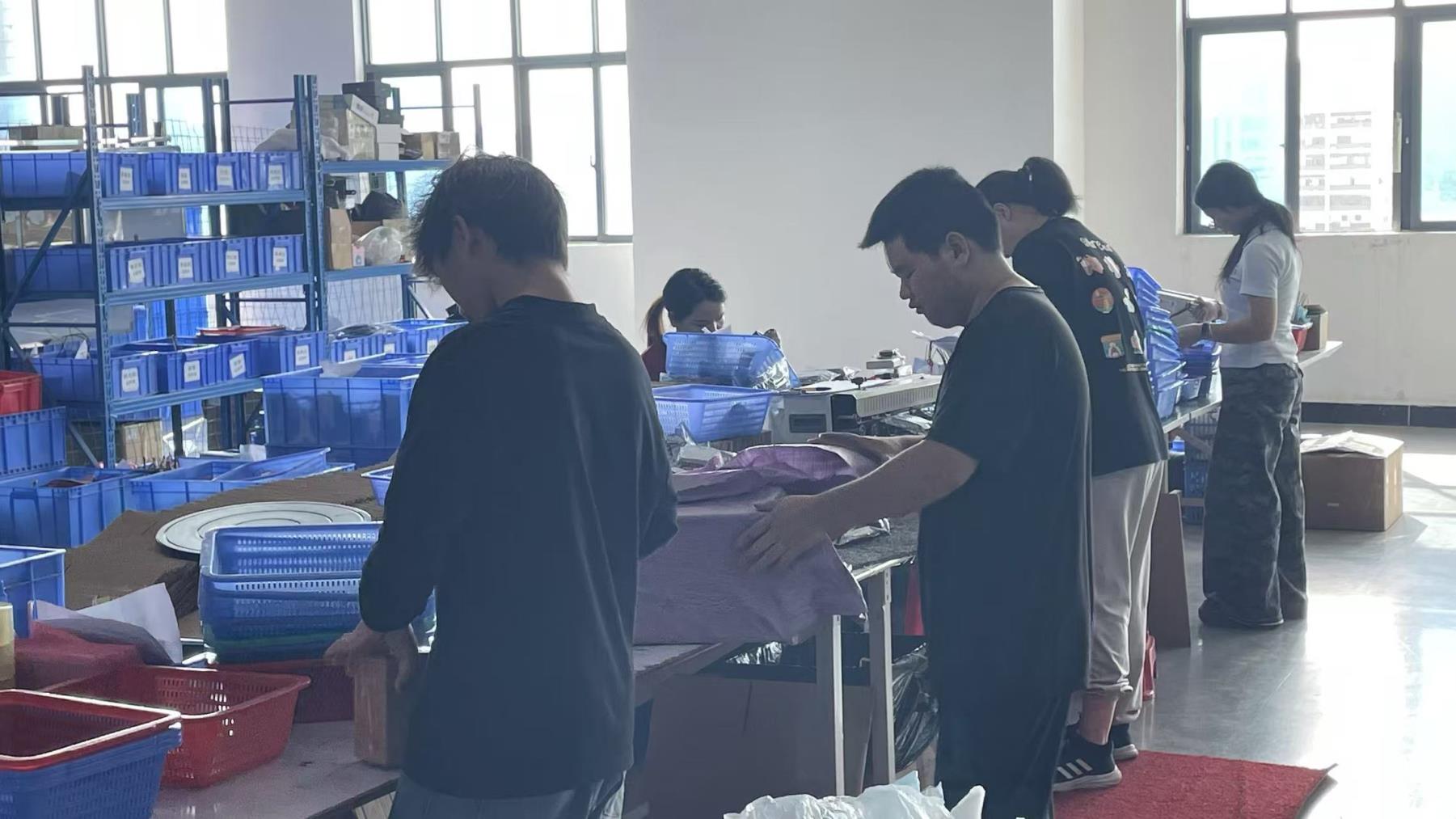
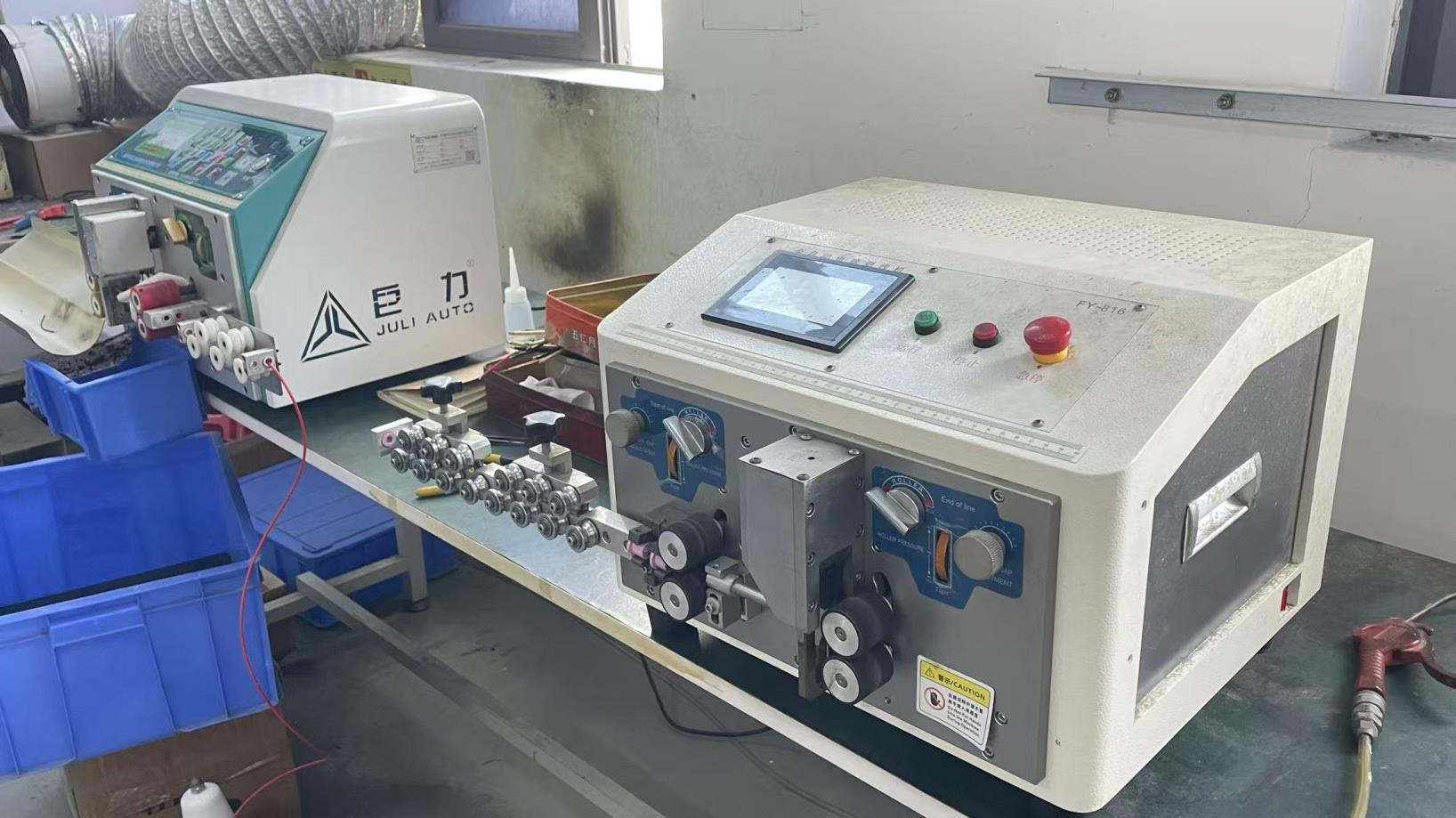
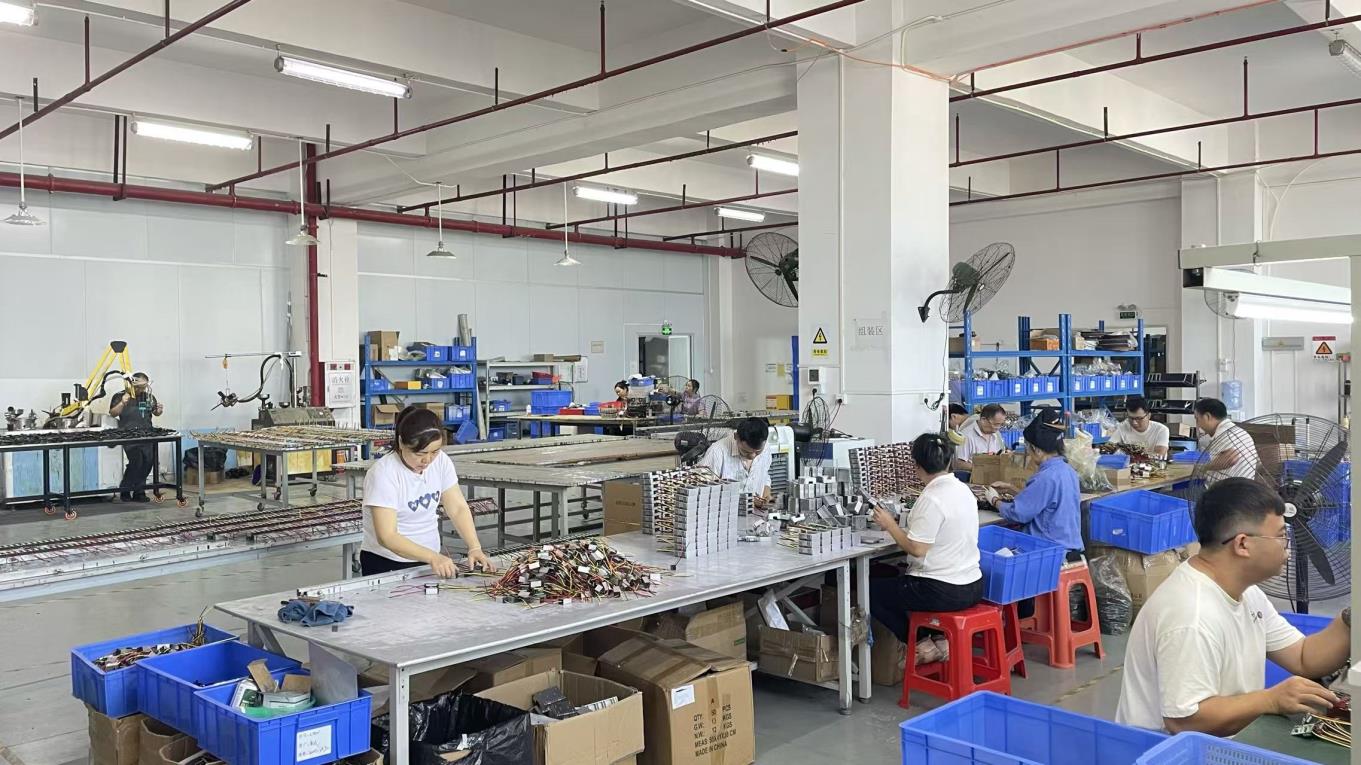
Inside our 10,000 square meter Shanghai factory. Every unit undergoes automated precision fabrication and dual manual-computer QC testing rounds.

Wire Cutting Process
Wire Cutting
Plug-In Process
Plug-In
Soldering Tin Process
Soldering Tin
Manual Testing Stage
Quality Testing
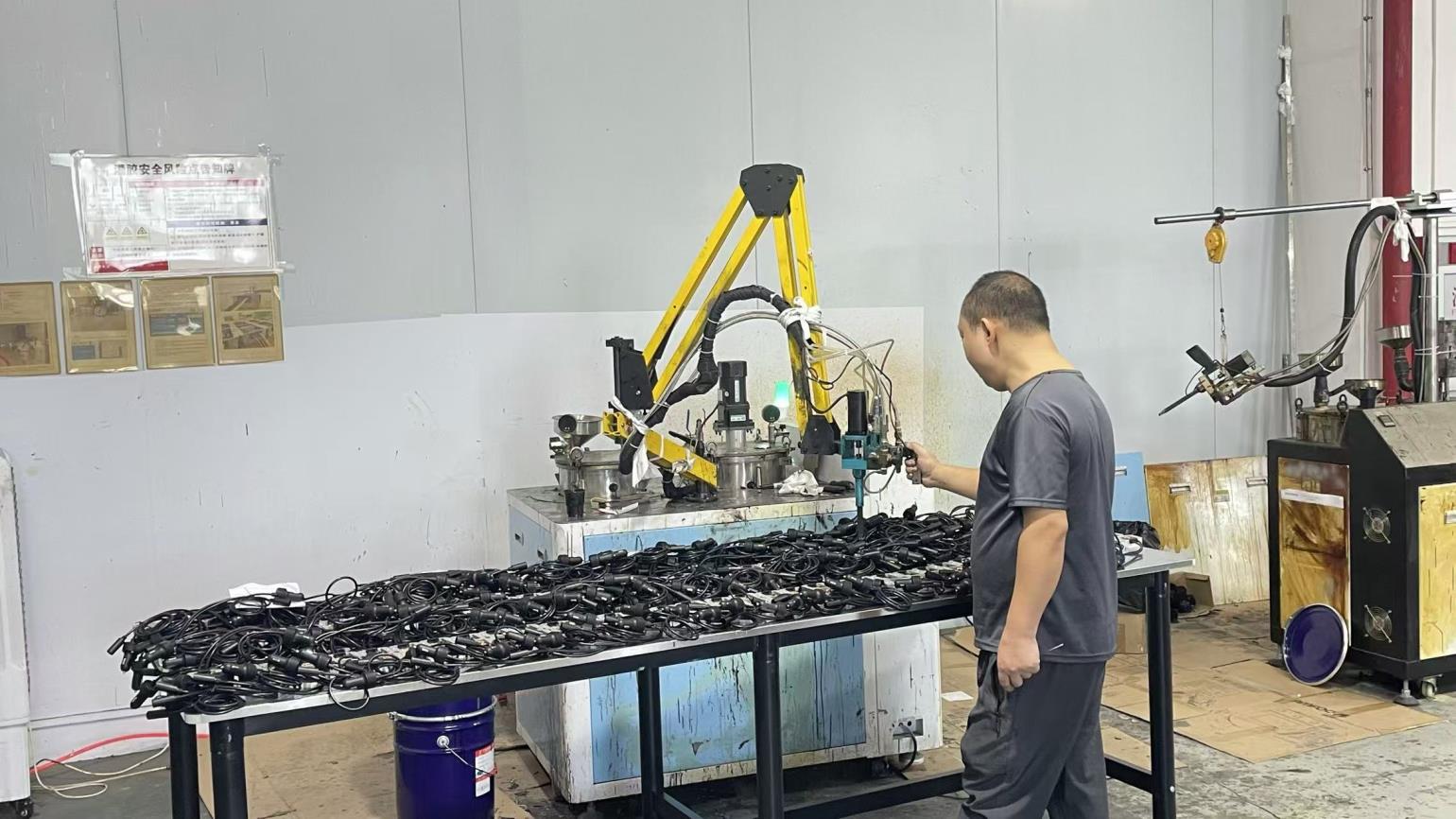
Glue Filling Process
Glue Filling
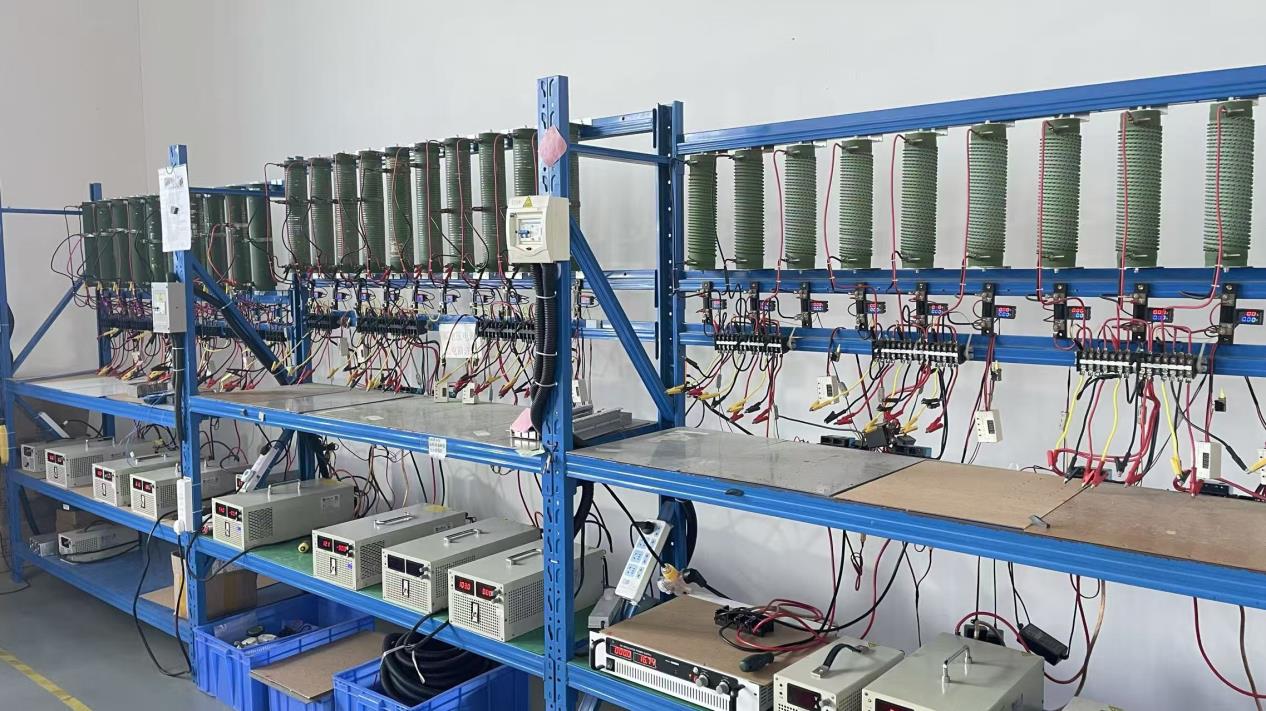
Burn-In Test Stage
Burn-In Test
Packaging Line
Protective Packaging
Transformer Winding Machine
Winding Machine
Wire Cutting Machine
Automatic Soldering Machine
Automatic Soldering
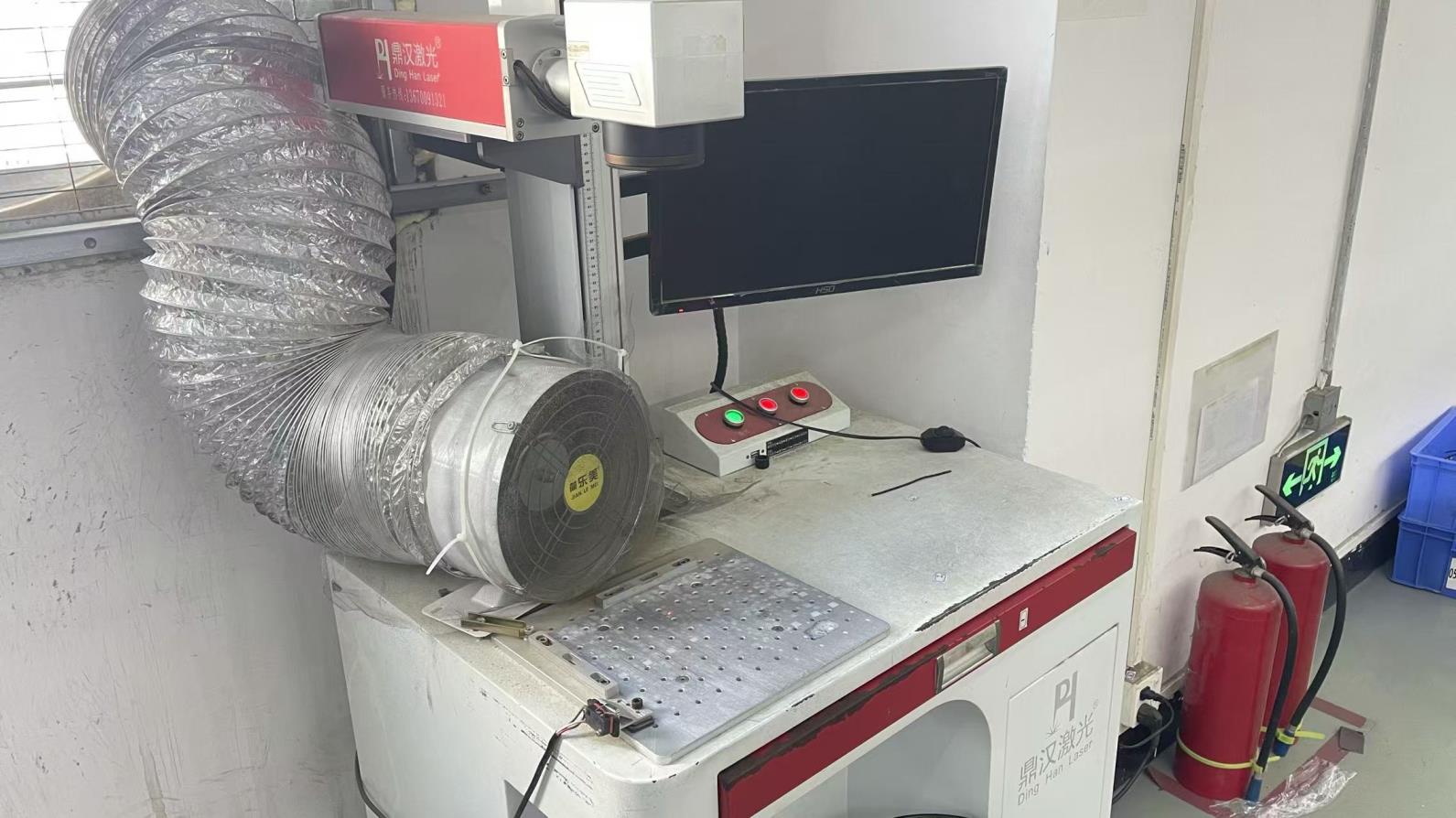
Laser Engraving Machine
Laser Engraving
Canning machine
Canning machine
Assembly Line
Assembly Line
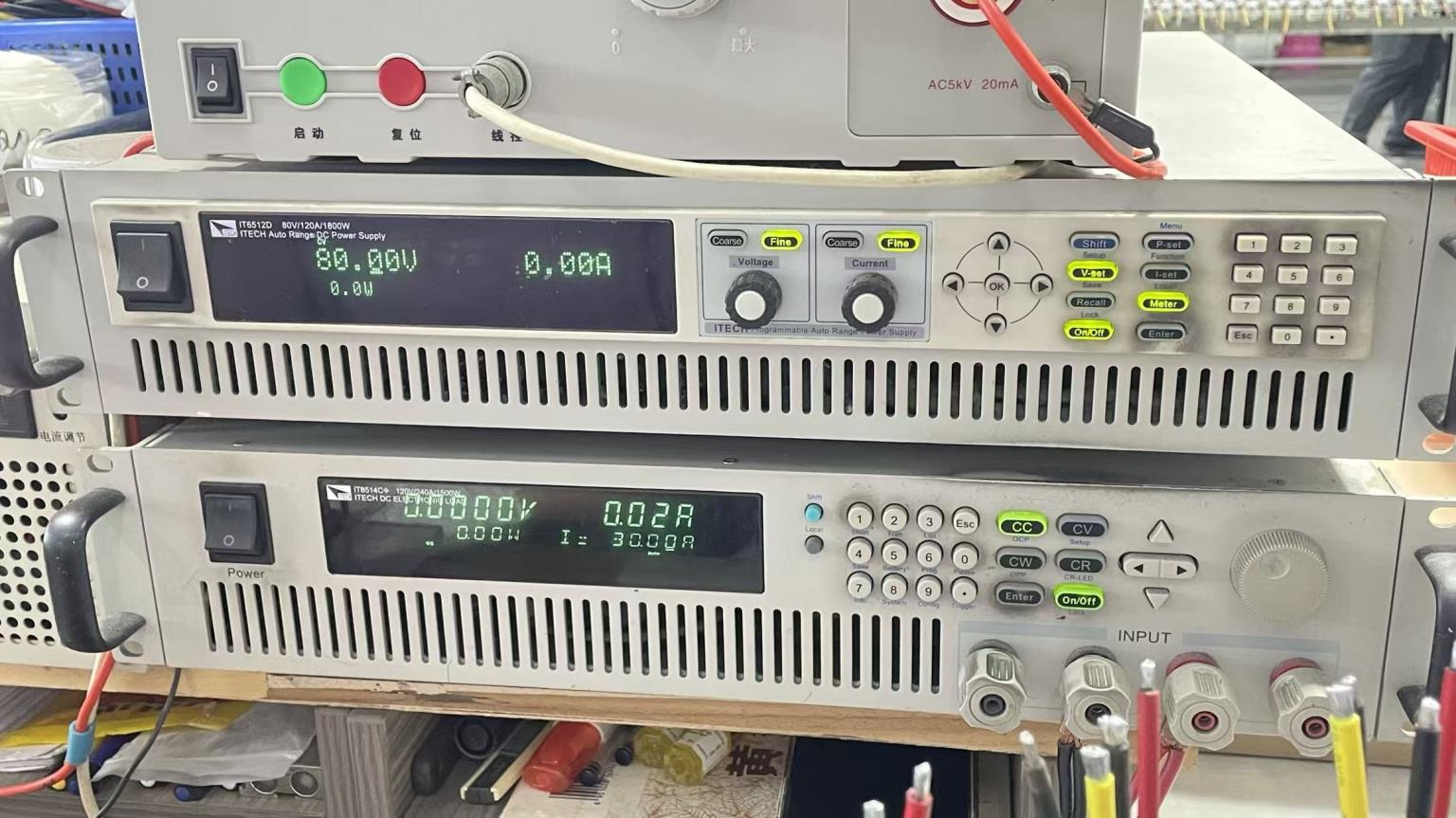
DC Power Supply Tester
AC Withstand Voltage Tester
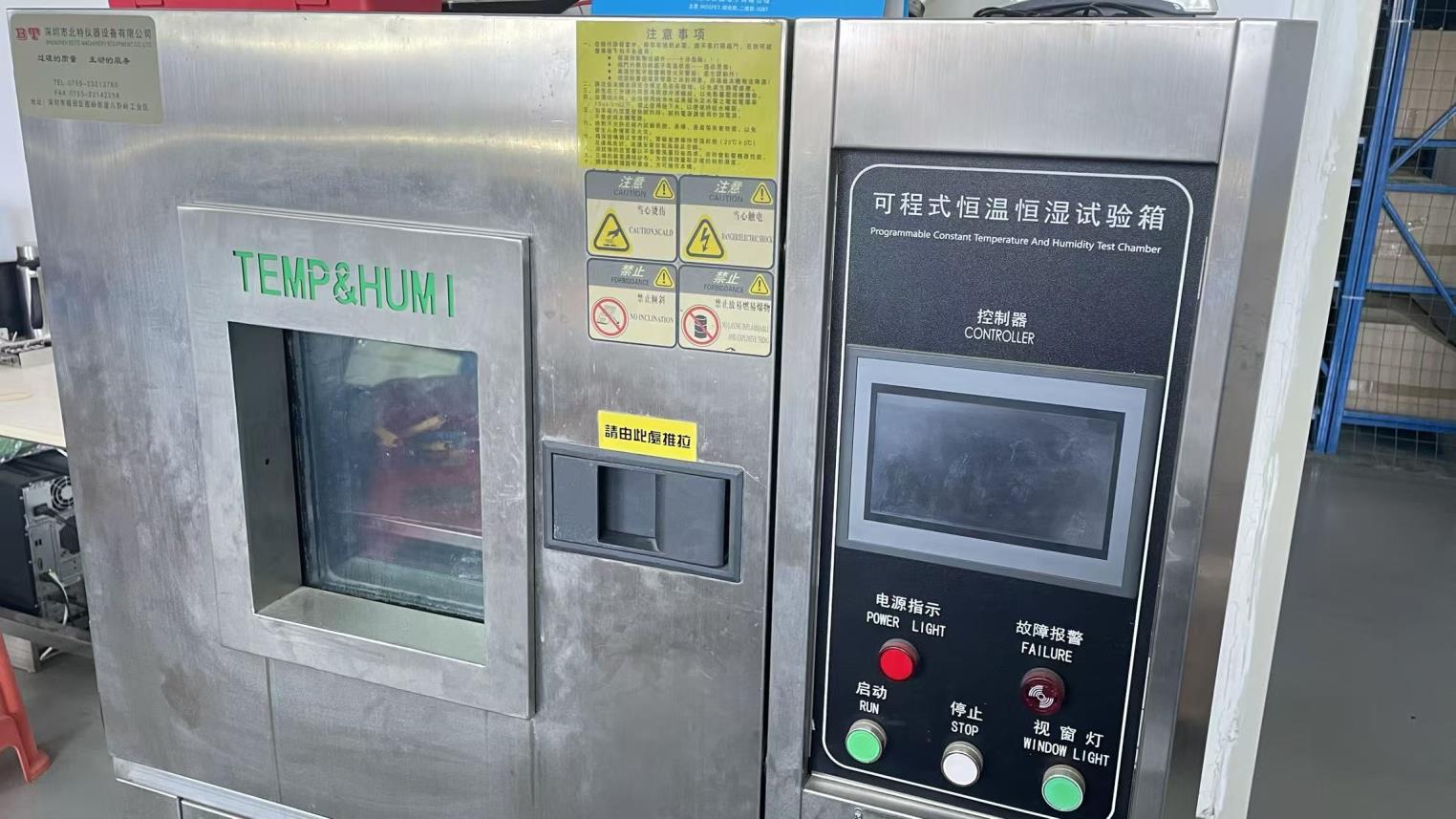
Constant temperature and humidity chamber
Constant Temp Chamber
Optical microscope
Optical Microscope
Aging test
Aging test
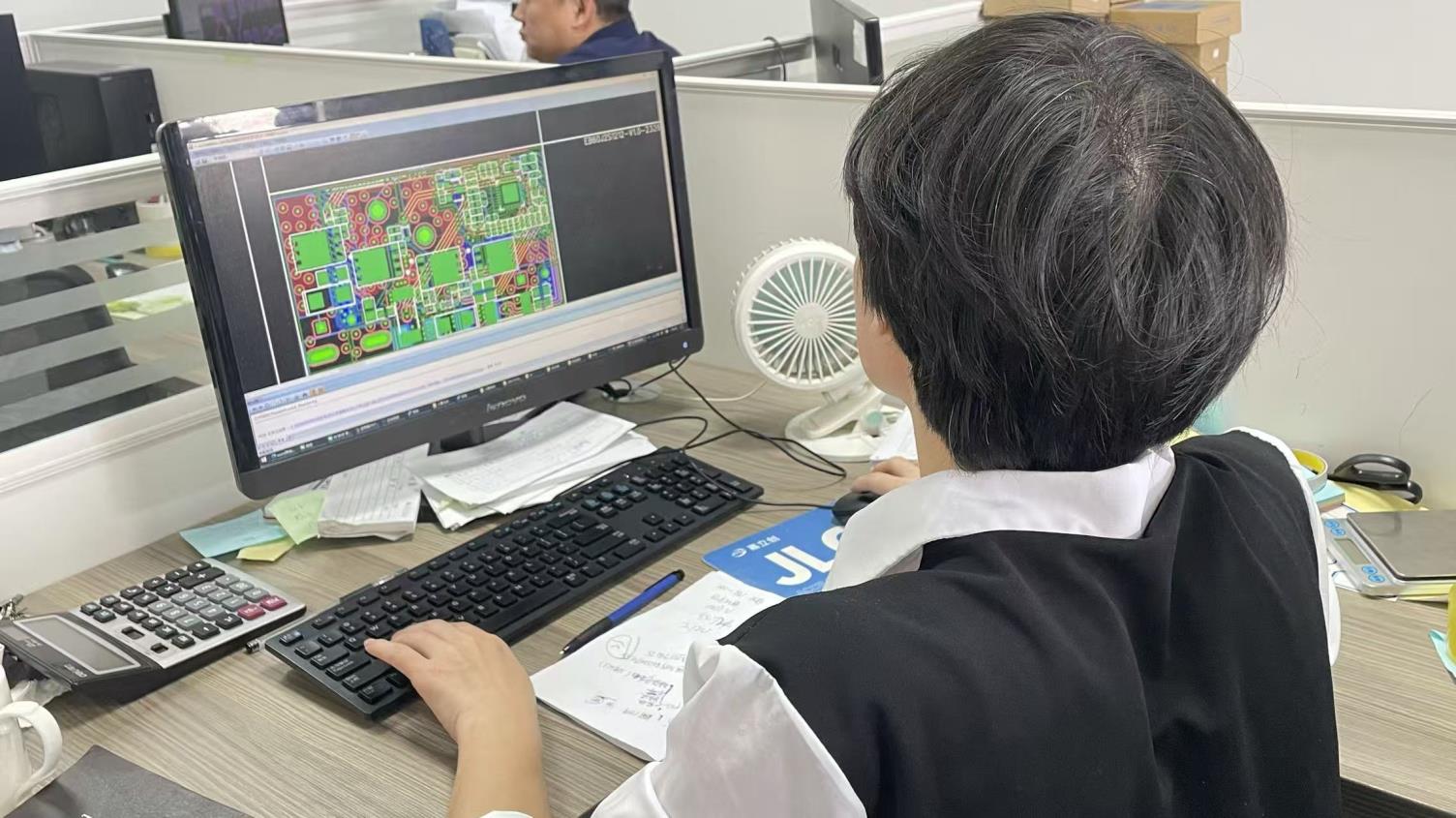
R&D Design
Product Design
Future Development

Emerging Trends in High-Power Industrial Regulation

The Shift Towards Silicon Carbide (SiC) & GaN Power Electronics

As power system efficiencies push past 90%, traditional silicon-based transistors hit their thermodynamic limitations. Leading manufacturers are now implementing wide-bandgap (WBG) semiconductors, such as Silicon Carbide (SiC) and Gallium Nitride (GaN). These advanced materials boast high thermal conductivity, faster switching speeds, and reduced energy losses. In silent power supplies, the use of SiC diodes and switches translates to lower operating temperatures and, consequently, smaller and less intrusive cooling solutions.

Modern Localization and Deployment Needs

Industrial applications across North America, Europe, and Asia-Pacific require power solutions tailored to complex local grids. Whether dealing with a 110VAC single-phase grid or a 480VAC three-phase industrial setup, a versatile power unit must adapt seamlessly. Our factory configurations feature dynamic input ranges (12V to 600V inputs) to match regional source characteristics. Furthermore, high-power systems deployed in harsh regions require enhanced environmental protections, utilizing moisture-proof barriers, anti-vibration framing, and rugged enclosures to withstand contaminants, humidity, and mechanical shock during shipping and operations.

Robust Packaging Strategy for International Shipping

To avoid transit-induced degradation of sensitive electronic components, we implement a multi-stage logistics packaging process:

  • Moisture-Proofing: Vacuum-sealed plastic enclosing to block ambient humidity and prevent oxidation on circuit boards.
  • Shock Absorption: Custom-cut polyethylene foam to absorb shocks up to 15G.
  • Dual-Layer Cardboard: Hard-shell protective boxes to resist external punctures.
  • Reinforced Wood Framing: External structural wooden crates providing maximum protection during global sea, air, or rail transport.
Help Center

Frequently Asked Questions: Industrial Silent Power Supplies

Get professional insights and technical explanations directly from our engineering team.
What causes "coil whine" in power supplies, and how is it prevented?
Coil whine is caused by magnetostriction, where alternating currents cause magnetic fields in the transformer windings and cores to expand and contract. This vibration generates an audible high-frequency buzz. We prevent this by vacuum-varnishing and potting our coils with high-grade, acoustic-damping resins, locking all components tightly in place to suppress micro-vibrations.
Why is a dual-stage test protocol (computer + manual) necessary?
Automated computer testers are excellent for verifying steady electrical parameters (voltage, efficiency, protection trigger points). However, manual inspections by senior quality engineers are necessary to detect non-electrical issues like subtle physical noises, loose housing fits, and visual cosmetic defects. This dual-stage validation helps maintain our 99.9% factory qualification rate.
How do you maintain high thermal efficiency in silent designs?
We use high-efficiency AC-DC architectures (88-89% nominal efficiency) along with oversized, high-conductivity aluminum heatsinks. By minimizing internal power losses through soft-switching ZVS circuits, we reduce waste heat. This allows the system to remain cool without relying on loud, high-speed cooling fans.
What certifications and compliance codes do your products support?
Our products conform to major international compliance standards, including LVD safety codes (EN/IEC 62368-1), electromagnetic compatibility (EN 55032/FCC Part 15), and environmental mandates such as RoHS. This guarantees that your systems can be seamlessly integrated into compliant industrial projects worldwide.