Voltmat Power
Voltmat Power
Voltmat Power
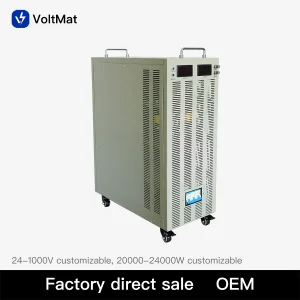
Engineered for high performance, featuring active thermal dissipation architecture, high energy efficiency, and certified safety compliance.
Why heat regulation governs reliability, output stability, and operation lifespan in industrial DC switching converters.
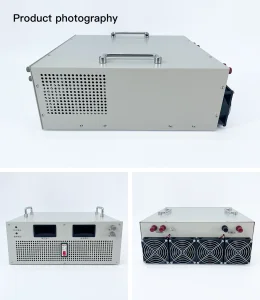
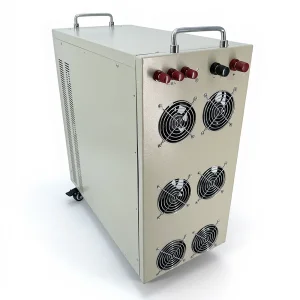
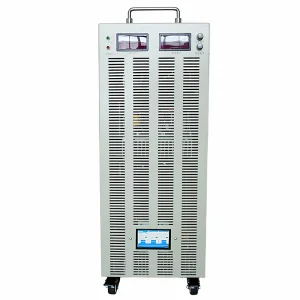
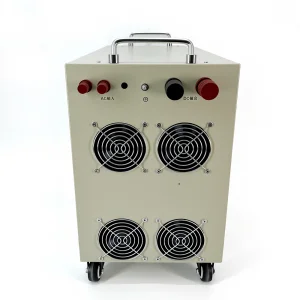
In high-power industrial power supplies (ranging from 1500W modules up to 24000W heavy-duty configurations), thermal dissipation is not merely an auxiliary consideration; it is the ultimate determinant of MTBF (Mean Time Between Failures) and overall voltage stability. Uncontrolled thermal accumulation degrades capacitor life, increases resistance, and induces voltage drift. As an industry-leading CE-certified manufacturer based in Shanghai, we incorporate holistic thermal design models featuring simulated airflow channels, enhanced copper path routing, and heavy-duty active fan modules to ensure components remain within optimal thermal margins.
Our 15 years of industry specialization have allowed us to master the balance between structural density and thermodynamic clearance. By choosing CE certified units, engineers guarantee compliance with European LVD and EMC directives, verifying that our thermal safety barriers and electronic isolations mitigate any risks of electrical breakdown even under continuous full-load environments.
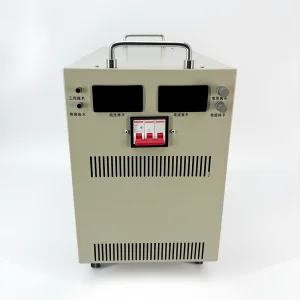
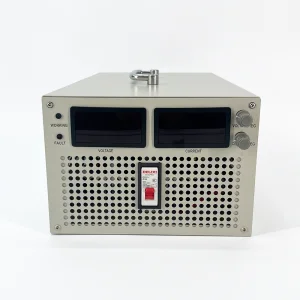
Real-time visual monitoring of voltage, current, and systemic temperature profiles prevents over-temperature conditions before threshold triggers occur.
Custom-wound transformers featuring premium insulation classes reduce core losses, which directly limits internal ambient heat accumulation.
Equipped with thermal-shutoff latches, over-current, and over-voltage safeguards that shield upstream grids and downline industrial machinery.
Navigating the transition toward high energy density, wide semiconductor bandgaps, and green industrial grids.
Modern power converters are moving away from traditional silicon transistors towards Silicon Carbide (SiC) and Gallium Nitride (GaN) components. These materials offer lower on-resistance, faster switching speeds, and higher thermal tolerances. However, their extreme power density demands advanced thermal matching substrates and complex localized heat sinks to dissipate heat from incredibly compact footprints.
Smart fan controls have evolved from simple binary ON/OFF cycles to multi-variable speed curves mapped against output current, ambient temperature, and magnetic core heat. Modern procurement demands digital protocols (such as Modbus, CAN bus, or PMBus) to continuously feed temperature telemetry back to primary PLC automation controllers.
Global sectors require adjustable DC voltage boundaries (from 12V up to 1000V levels) to satisfy electric vehicle battery testing, hydrogen electrolysis, and precision chemical deposition. Flexibility in single-platform structures significantly reduces line engineering overheads, making variable switching power supplies (like our 220V-24000W adjustable lines) highly sought after.
Procurement insight: Up to 74% of design engineers state that premature power supply degradation is directly linked to suboptimal localized ventilation and excessive ripple voltages that overwork output capacitor arrays.
15 years of precision engineering combined with manual and automated validations at our 10,000 square meter facility.
 Wire Cutting
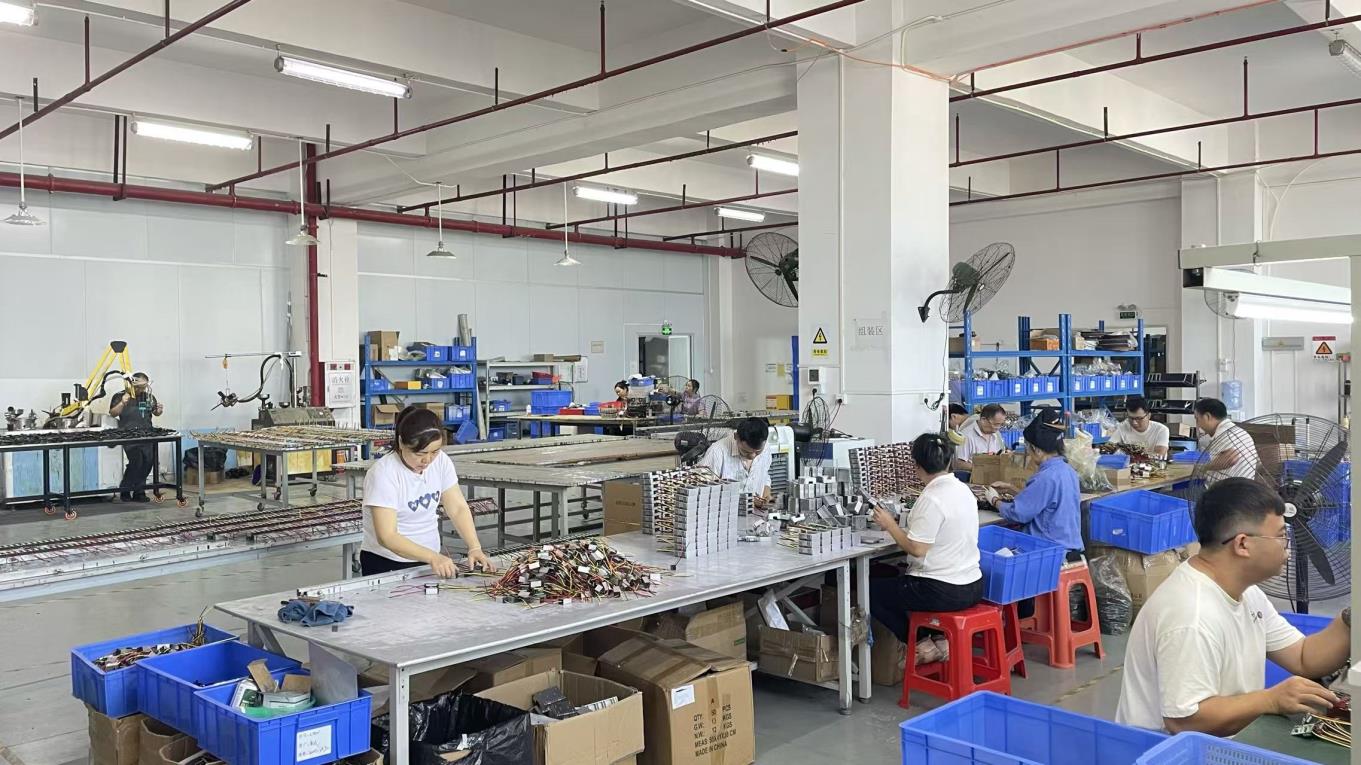 Plug-In
 Soldering Tin
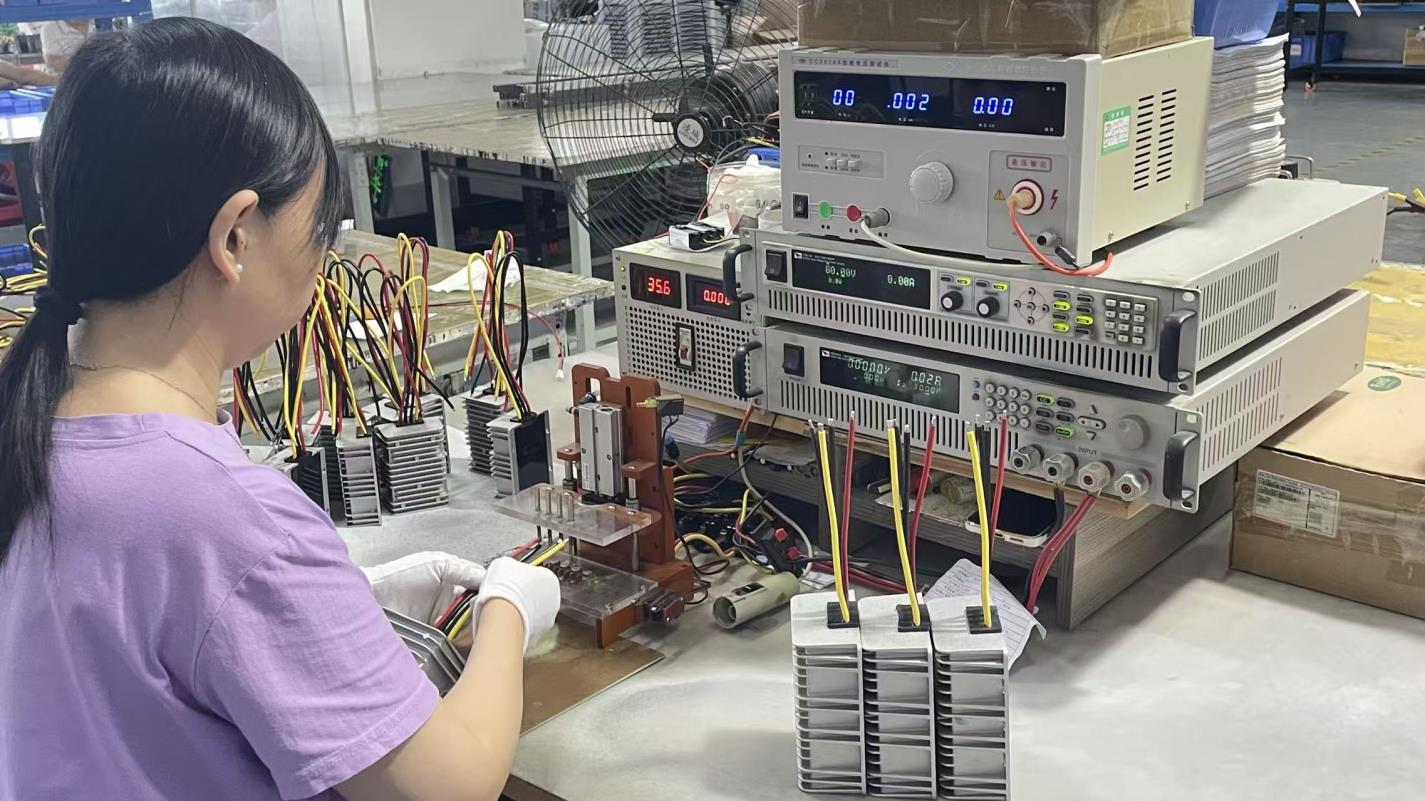 Test
Test
 Glue Filling
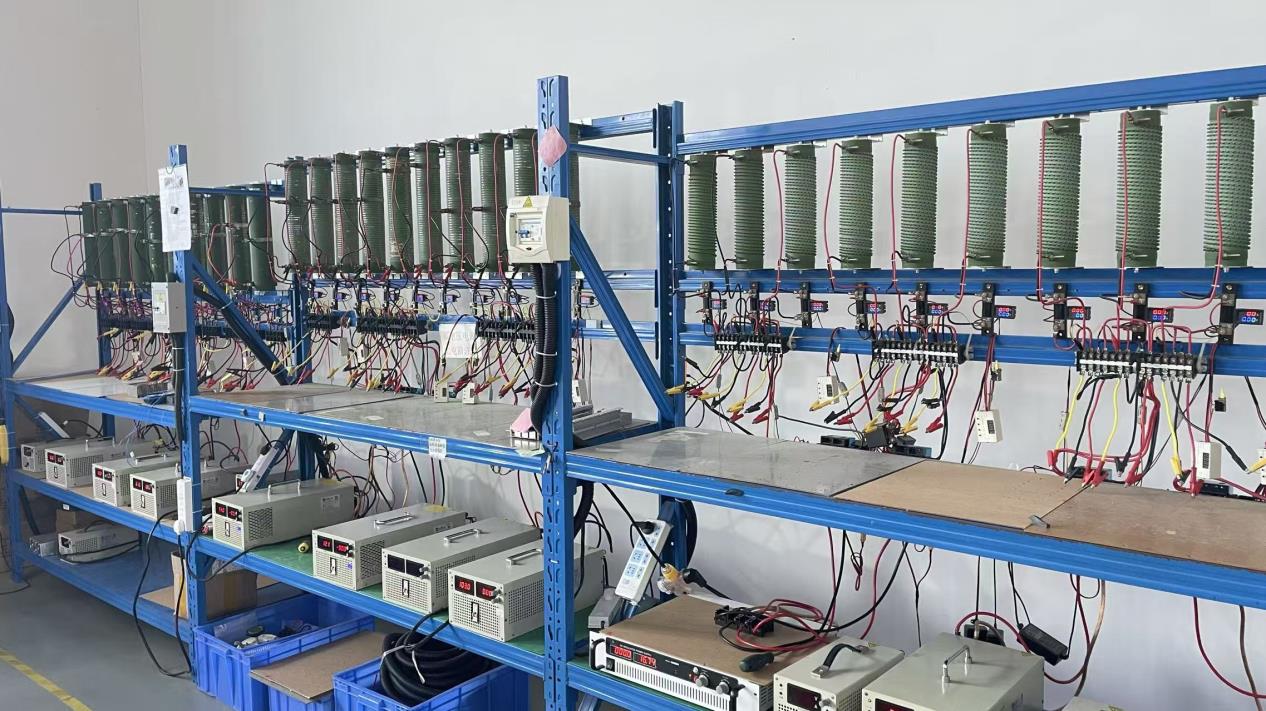 Burn-In Test
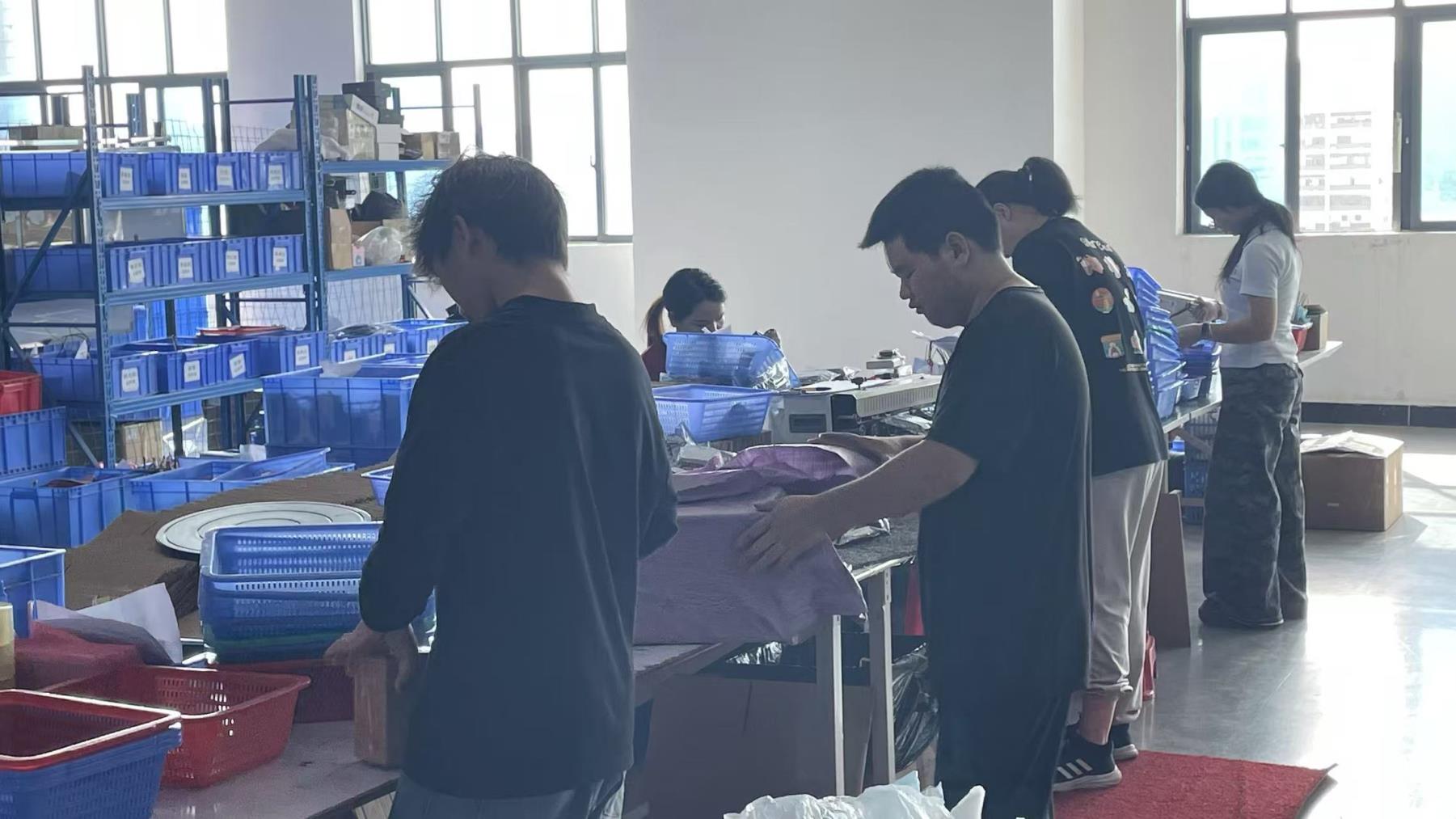 Packaging
 Winding Machine
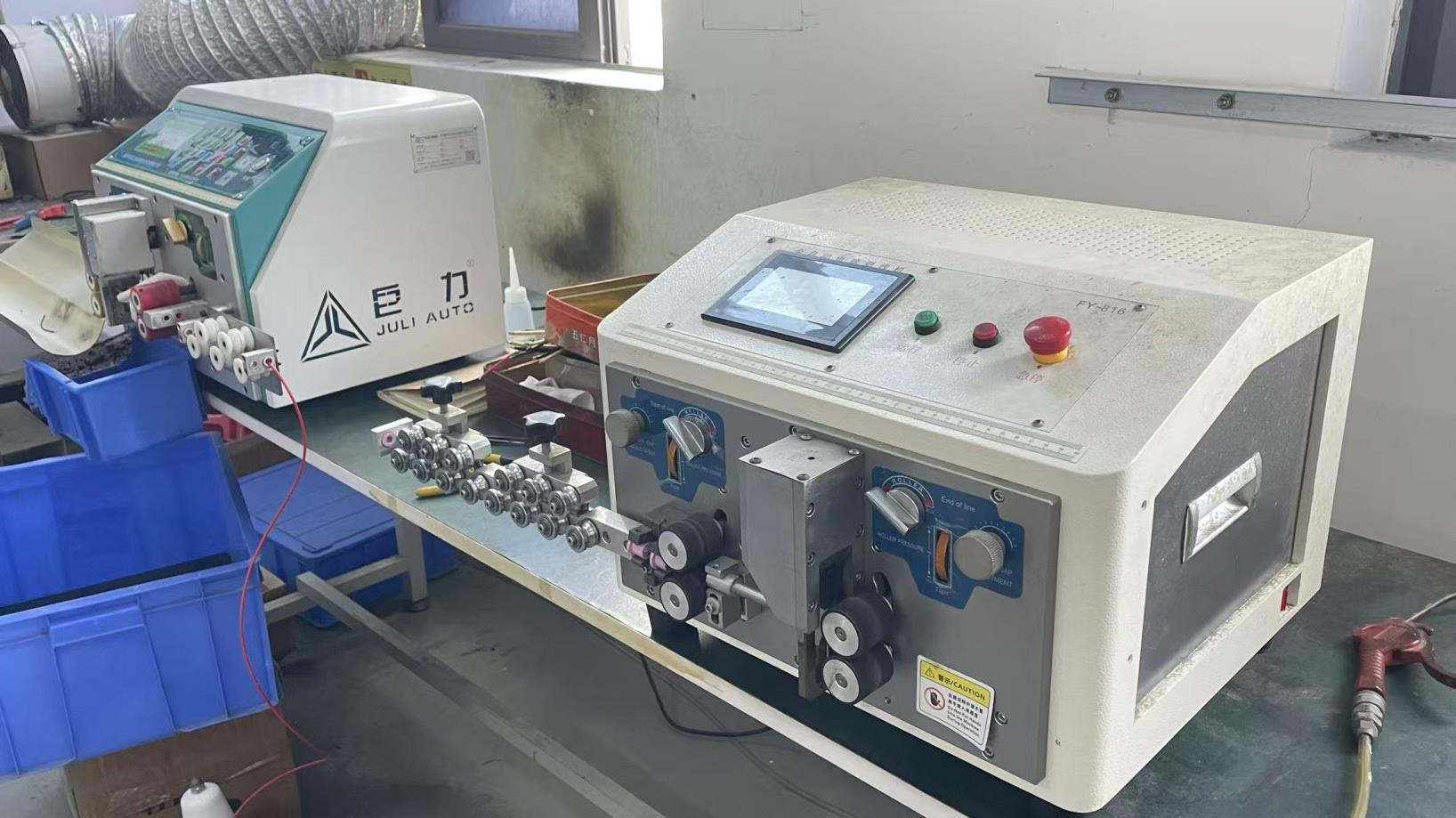 Wire Cutting Machine
 Automatic Soldering Machine
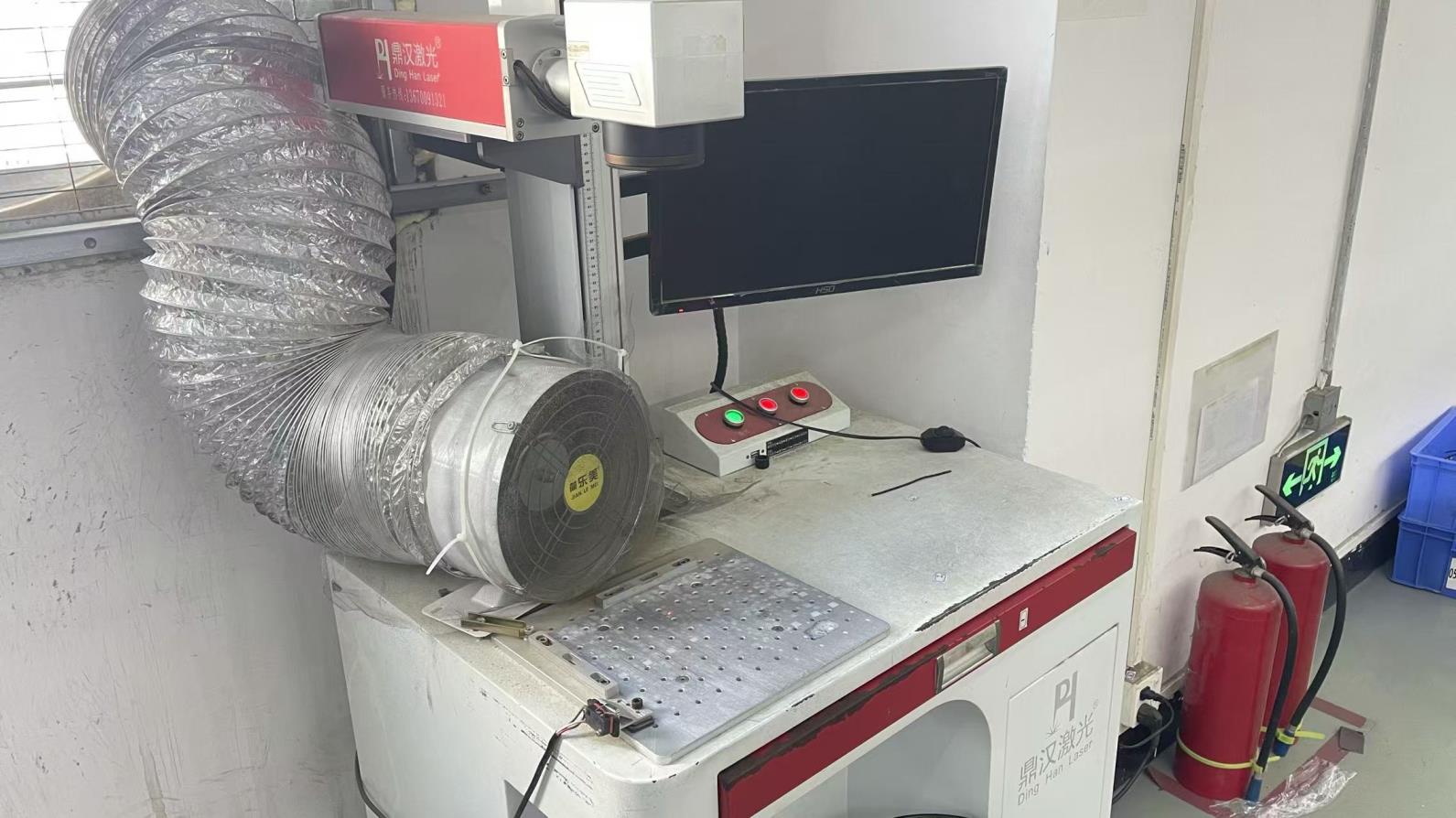 Laser Engraving Machine
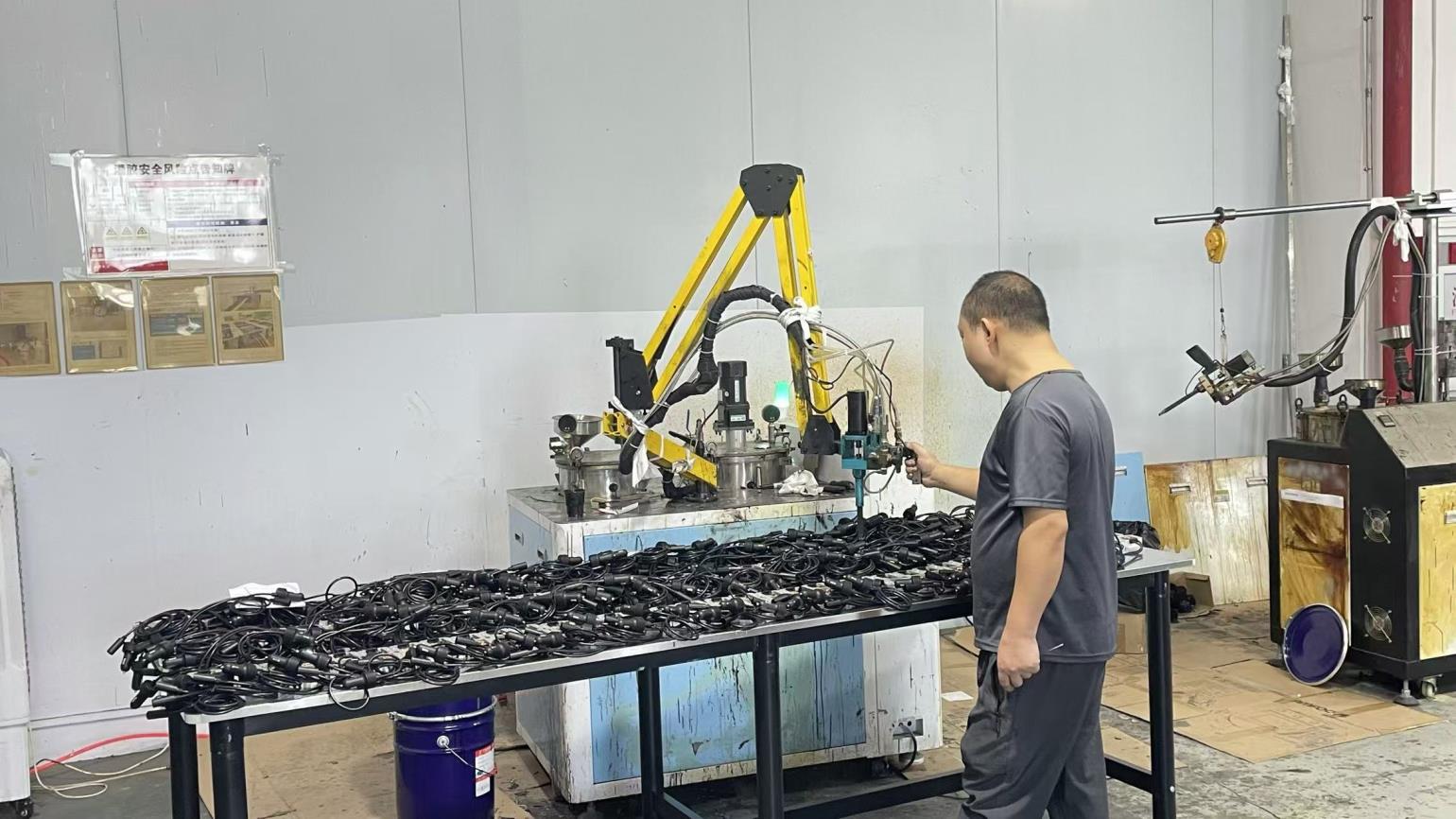 Canning machine
 Assembly Line
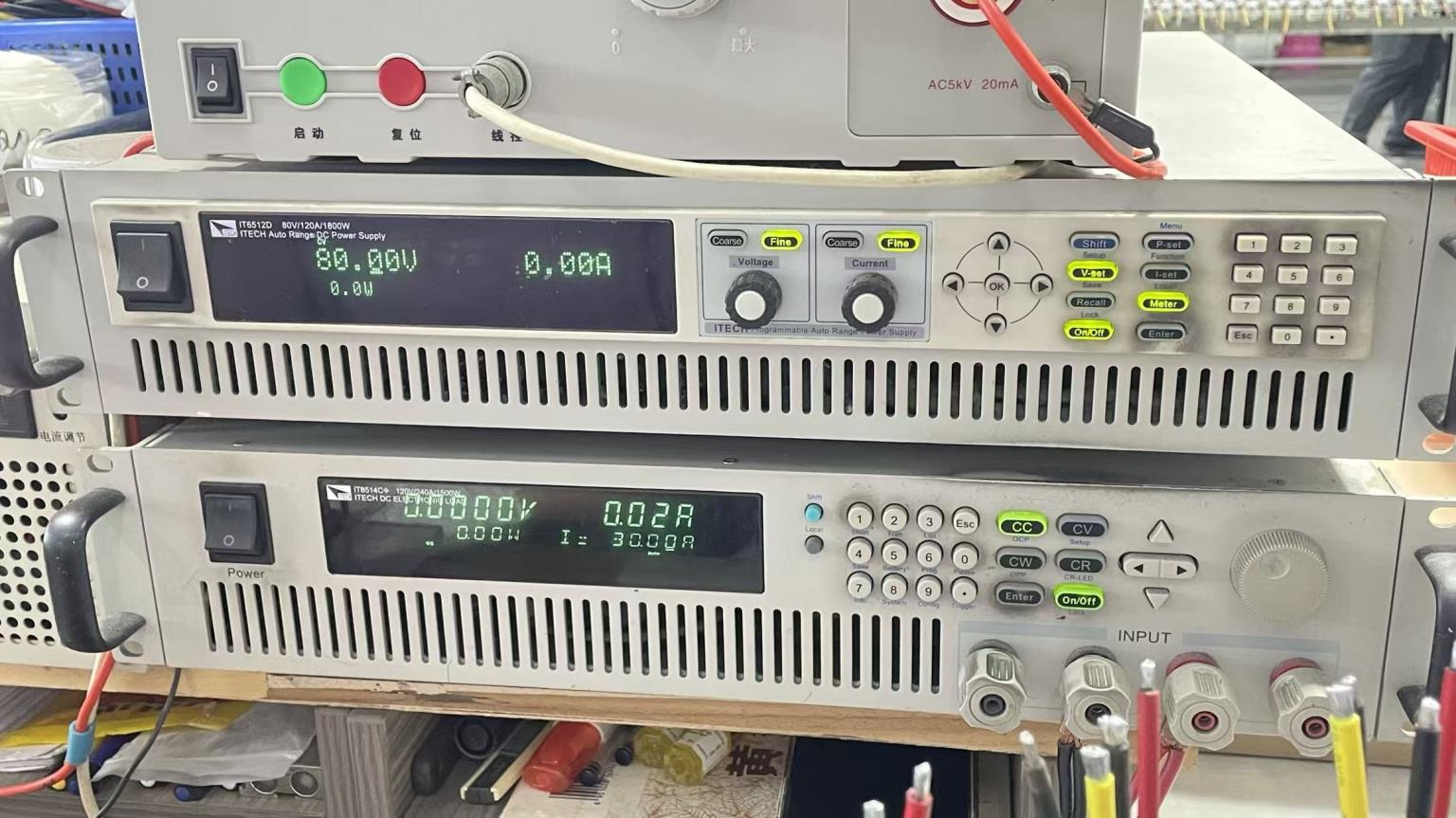 DC Power Supply Tester
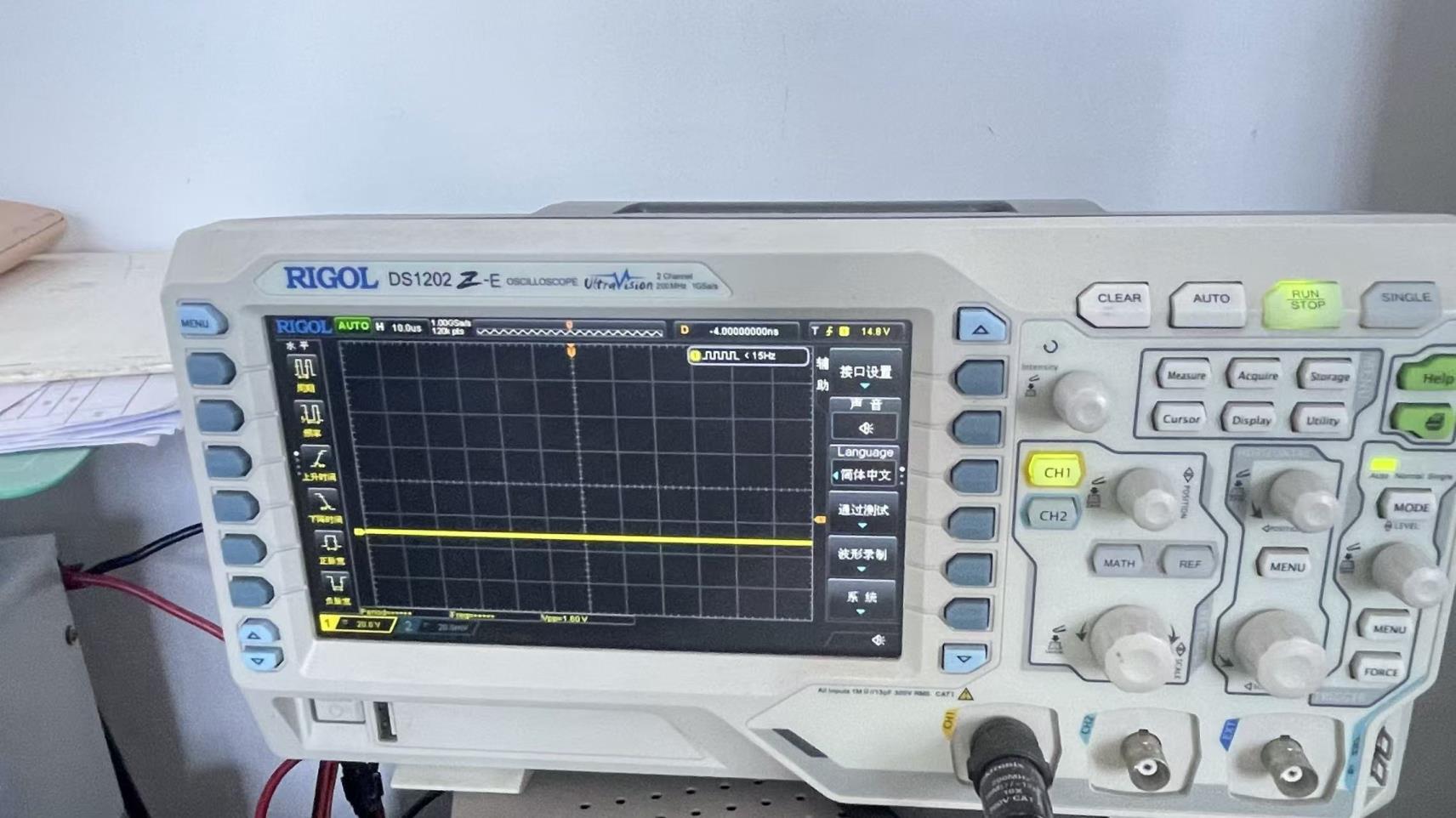 AC Withstand Voltage Tester
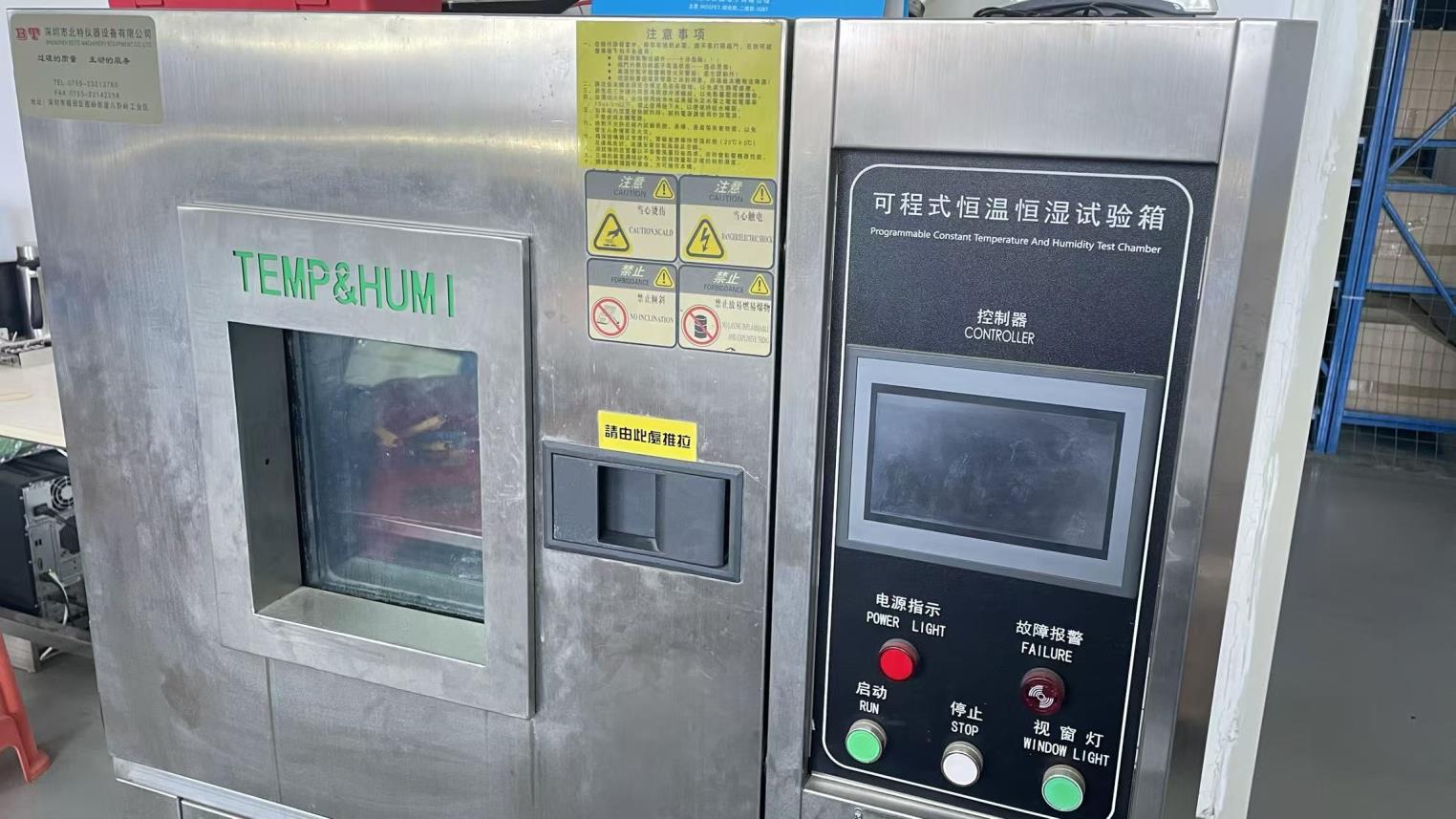 Constant temp chamber
 Optical microscope
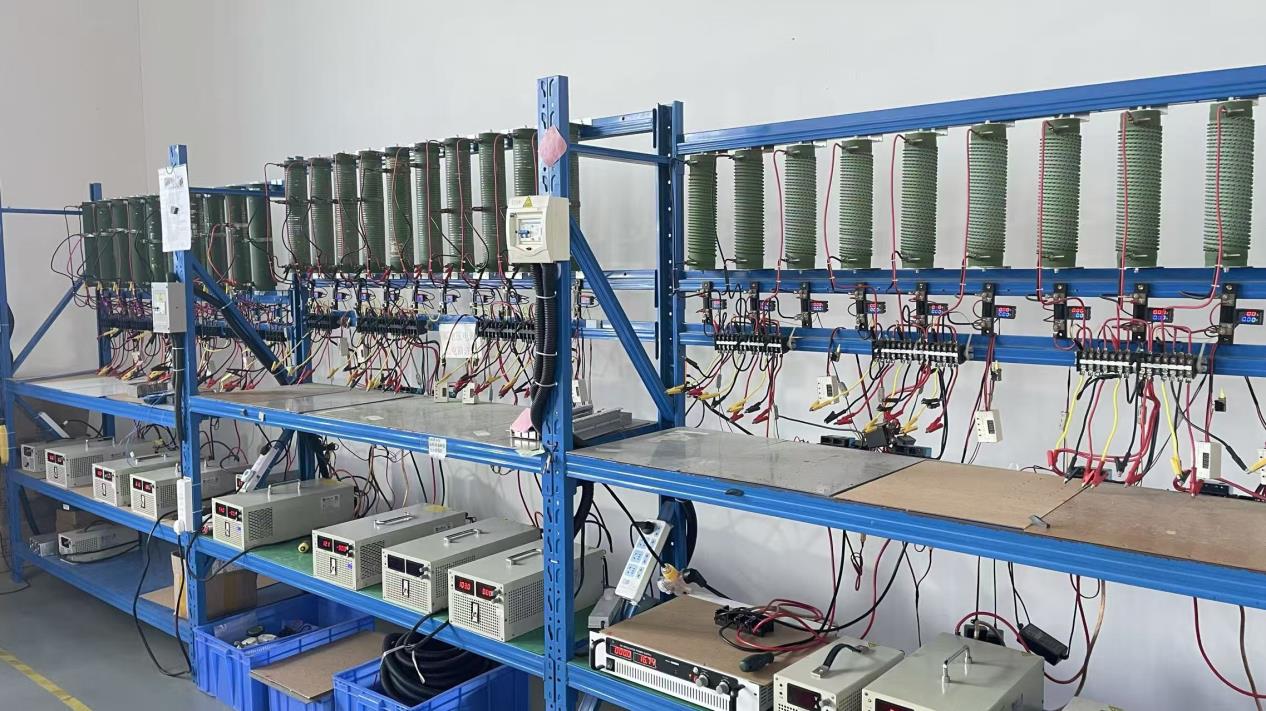 Aging test
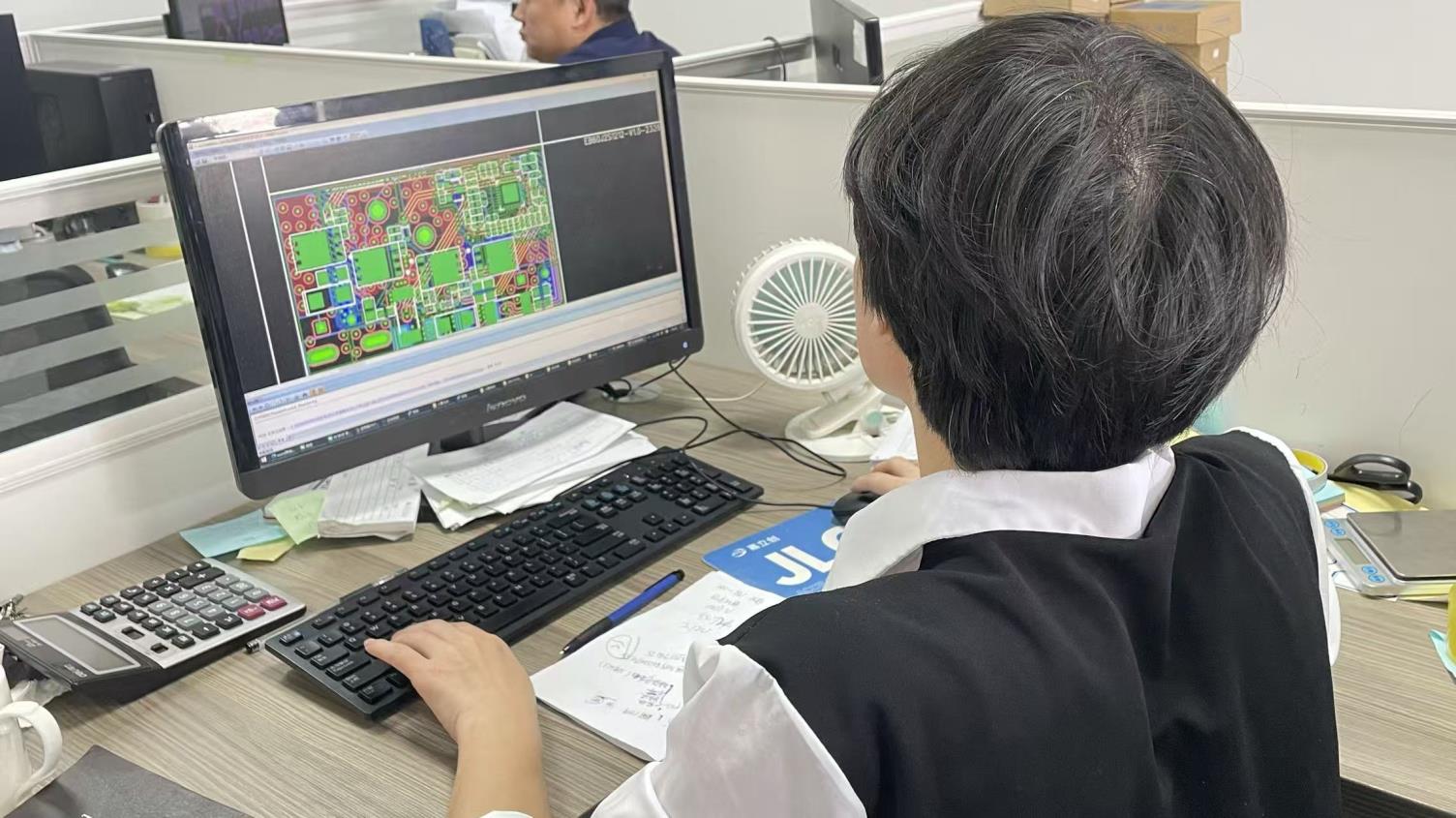 Design Department
Systemic deployment blueprints across energy grids, battery evaluation facilities, and aerospace testing.
Our programmable high-voltage switching lines (up to 1000V) allow engineers to simulate photovoltaic solar arrays and battery discharge responses. Low voltage ripple (under 1% RMS) is vital in preventing instrumentation interference, verifying the efficiency profiles of downstream DC-to-AC grid inverters.
High-voltage battery emulation requires sustained energy injection alongside active voltage adjustment. Systems such as our 20KW-24KW regulated DC battery charging topologies deliver high power levels with dual physical control loops. Fast rise and fall rates ensure precision profiling of regeneration cycles in vehicle drive tests.
Continuous plating and metals processing require reliable current stability under heavy industrial loads. Traditional power converters fail quickly in these corrosive and high-humidity environments. Our supplies protect sensitive circuitry with silicone potting gels (Glue Filling) and isolated dynamic fans to resist chemical degradation.
System Case Study: A European aerospace research vendor integrated our 17kW regulated DC units into vacuum chamber experiments. Stable external water-cooling and low heat dissipation within the instrument racks saved over 30% in ambient cooling energy costs.
Next-generation R&D focusing on modular designs, extreme-density configurations, and advanced thermal modeling.
Our Shanghai facility is continually developing next-generation high-power topologies. We are currently implementing digital control architectures that utilize 32-bit floating-point DSPs to enable real-time telemetry processing. This technology facilitates predictive warning indicators, alerting maintenance personnel of any shifts in dynamic load behavior or anomalous temperature changes.
On the thermal side, we are expanding our Liquid Cold Plate (LCP) systems for power capacities exceeding 30kW. Liquid cooling completely isolates electrical components from external particulates, dust, and corrosive vapors, eliminating the traditional dependence on ambient airflow.
Furthermore, modular hot-swapping is a key development path. By designing 1.5kW to 5kW modules capable of parallel plug-in operation, we allow system operators to scale power configurations on-demand. This configuration also enables redundant setups (N+1), keeping systems online even during maintenance periods.
Our commitment remains focused on delivering high performance at competitive prices. By controlling design, component sourcing, winding, and assembly under one roof, we minimize production overheads and ensure rigorous compliance with international safety protocols.
Answering crucial technical questions on heat management, performance ratings, and selection criteria.
Every 10°C rise in the operating temperature of a capacitor reduces its lifespan by half. High-power systems generate significant internal heat; without adequate dissipation, this localized heat leads to component degradation, voltage drift, and eventual system failure. Our cooling designs combine thermal interface materials (TIMs), large aluminum heat sinks, and speed-controlled fans to keep component temperatures well within safe operating margins, securing long-term reliability.
CE Certification ensures the power supply complies with the essential health, safety, and environmental protection standards of the European Economic Area. This includes compliance with the Low Voltage Directive (LVD 2014/35/EU) and the Electromagnetic Compatibility Directive (EMC 2014/30/EU). Choosing certified units guarantees that the systems will not cause harmful line interference and can withstand typical grid disturbances without safety hazards.
Yes. Our factory uses specialized protective coatings (Conformal Coating and Glue Filling processes) on sensitive control boards to protect them from moisture and airborne contaminants. The units are also packed in moisture-proof and shock-absorbent packaging to ensure they arrive in perfect condition, ready for demanding environments like industrial electroplating or chemical plants.
Every power supply undergoes two distinct validation rounds prior to dispatch: computerized diagnostic logging and manual performance verification. This includes high-voltage safety isolation checks (Hi-Pot testing), active load transient tests, ripple voltage analysis, and an extended burn-in cycle in our temperature-controlled test chambers to verify stability under continuous operation.
Higher efficiency means less energy is lost as heat. For example, a 24,000W supply operating at 89% efficiency draws significantly less grid power and generates far less heat than an 80% efficient unit. This reduces utility costs and lowers the demands on your facility's cooling system, resulting in substantial savings over the equipment's lifetime.
High-voltage output, adjustable parameters, and high-stability performance for precise industrial requirements.