Voltmat Power
Voltmat Power
Voltmat Power
High efficiency, heavy-duty industrial systems engineered to deliver absolute operational stability under demanding load conditions.
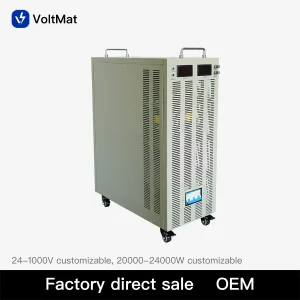
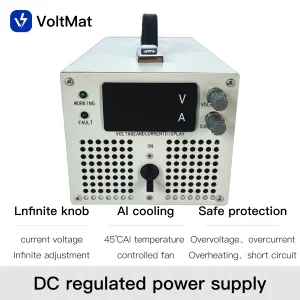
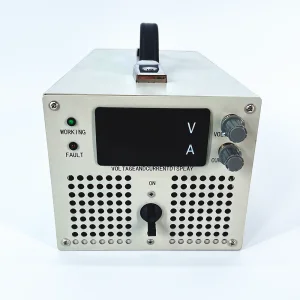
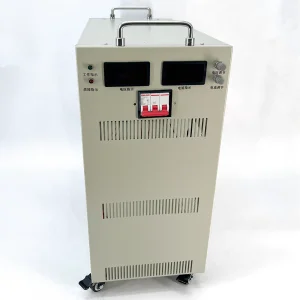
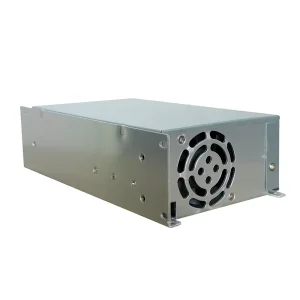
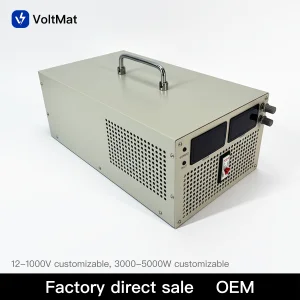
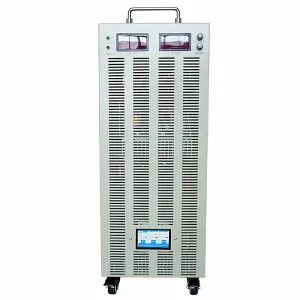
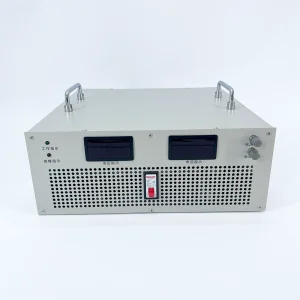
In modern industrial automation, semiconductor fabrication, and aerospace testing, the demand for highly reliable power architectures has led to the development of complex multi-channel power grids. While single-rail DC power supplies excel in driving heavy inductive or resistive loads, complex electronic systems require multiple concurrent, isolated voltage rails. A Triple Output Power Supply addresses this structural need, providing a single consolidated footprint that delivers three independent, galvanically isolated voltage outputs.
Globally, the multi-channel and triple output power supply market is undergoing significant expansion, driven by the acceleration of Industry 4.0 paradigms, the rapid transition to electric vehicles (EVs), and the increasing adoption of microgrid topologies. Leading automated test equipment (ATE) architectures rely on triple output systems to deliver a low-noise digital logic rail (e.g., +3.3V or +5V) alongside dual tracking bipolar operational amplifier rails (e.g., +15V and -15V). This design optimizes physical chassis space, simplifies thermal dissipation matrices, and dramatically minimizes electromagnetic interference (EMI) loops that typically arise when employing multiple discrete power sources.
Furthermore, international compliance frameworks, such as EN 60601-1 for medical equipment safety and EN 50155 for railway electronics, have tightened regulations surrounding insulation levels and leakage current. For global manufacturers, maintaining advanced research and development operations is essential to produce triple output systems that meet these stringent standards, utilizing soft-switching topologies and digital power management busses (PMBus) to achieve unparalleled cross-regulation and transient recovery performance.
Specialized Expertise in High-Power Industrial Regulated Systems.
Product Qualification Rate sustained by dual-stage computerized QA.
State-of-the-art Shanghai manufacturing facility optimized for rapid global export.
Exploring the core switching topologies and regulation architectures that differentiate industrial-grade multi-channel systems.
The design of a reliable triple output power supply relies on the management of two distinct challenges: cross-regulation error and thermal concentration. Traditional multi-output topologies employ a single transformer with auxiliary windings; however, asymmetrical loads across these channels cause output voltages to drift. Industrial-grade solutions deploy decoupled control schemes, where each secondary output features its own dedicated post-regulator module, such as a high-frequency buck stage or a magnetic amplifier controller.
This design prevents fluctuations on a primary high-power channel (e.g., 24V motor drive) from affecting sensitive analog sensor channels (e.g., 5V controller inputs). Additionally, high-power systems utilize zero-voltage switching (ZVS) phase-shifted full-bridge topologies on primary switching stages to reduce electromagnetic noise and power loss in the switching transistors, leading to efficiency levels exceeding 89%.
Effective thermal management is another critical design element. Because triple output configurations consolidate three separate power paths within a single housing, localized heat buildup can degrade electrolytic capacitors and shorten system life. Advanced mechanical designs use thermal vias, direct copper bonding (DCB) substrates, and targeted airflow patterns to ensure critical components remain cool. Over-temperature protection (OTP) monitoring systems are integrated alongside over-voltage (OVP) and over-current (OCP) circuits to dynamically throttle power output if thermal boundaries are breached.
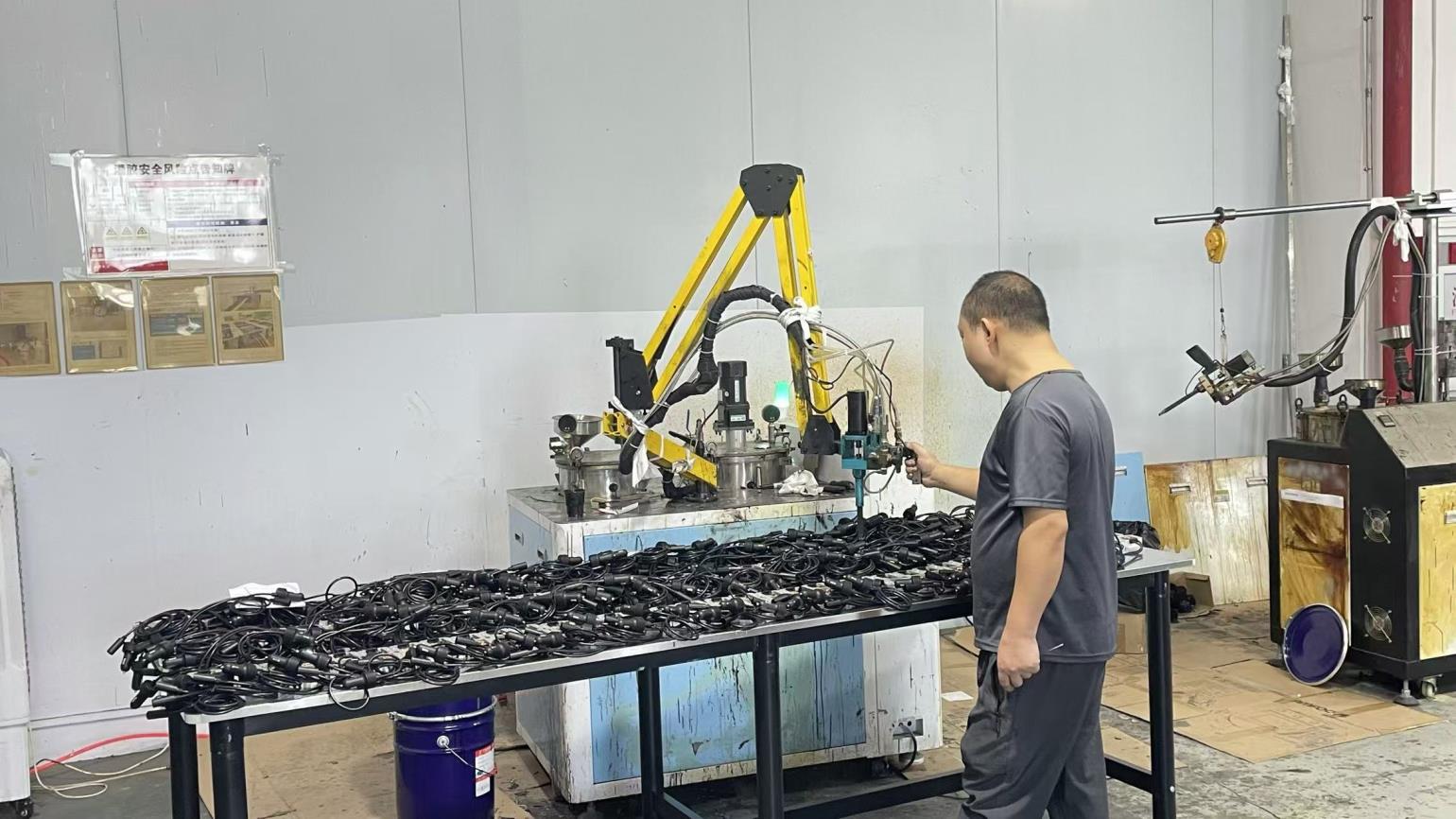
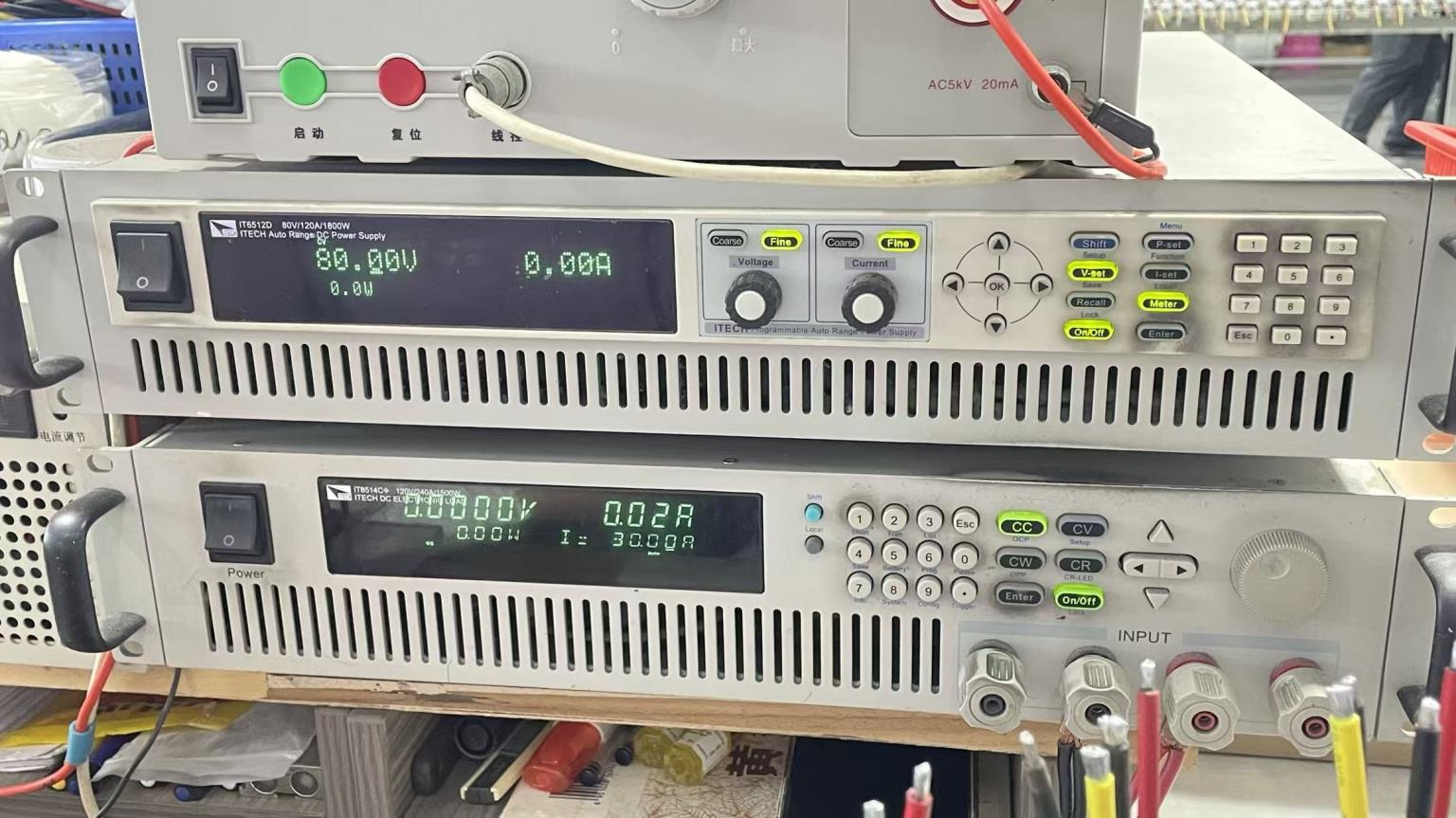
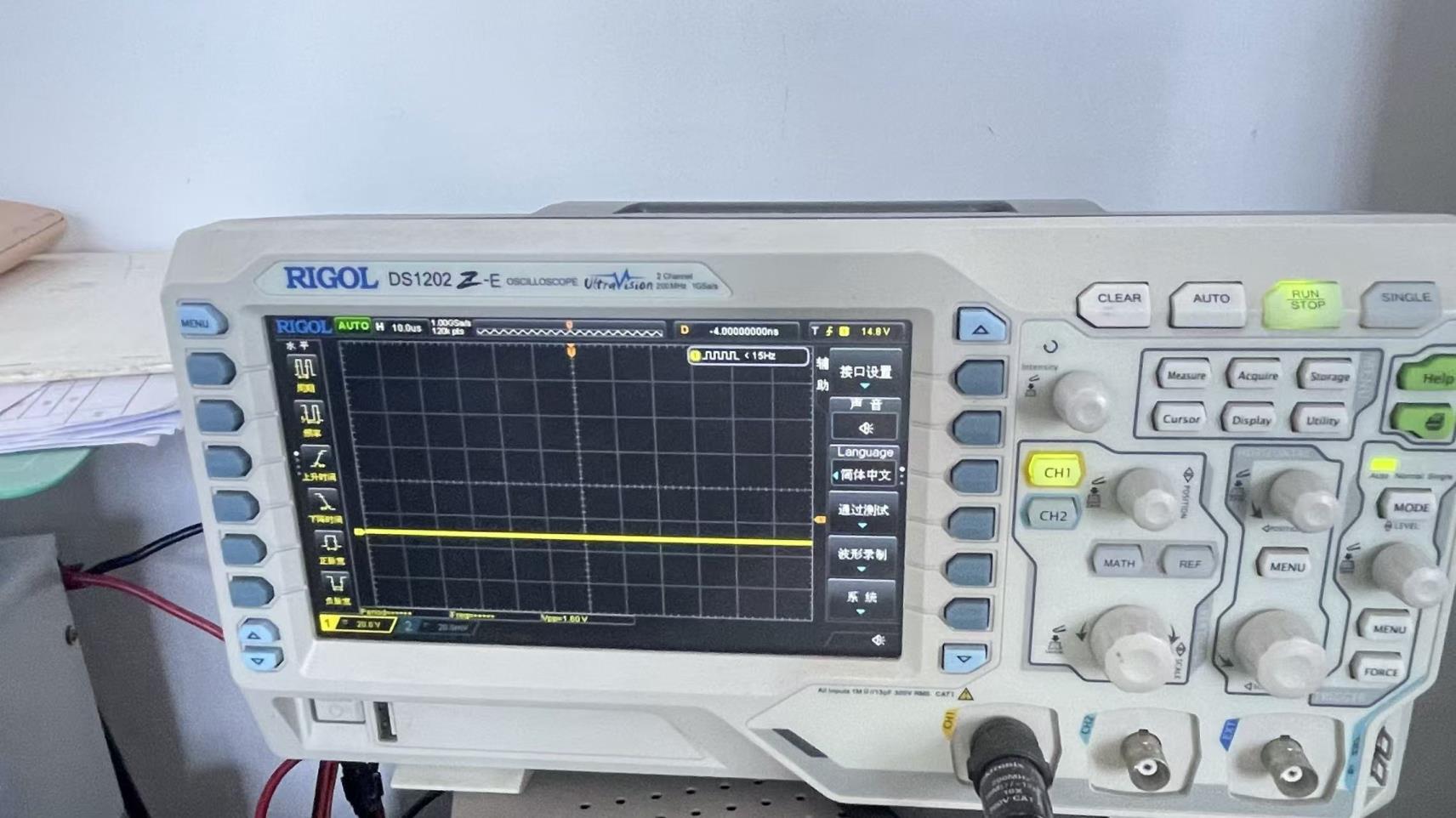
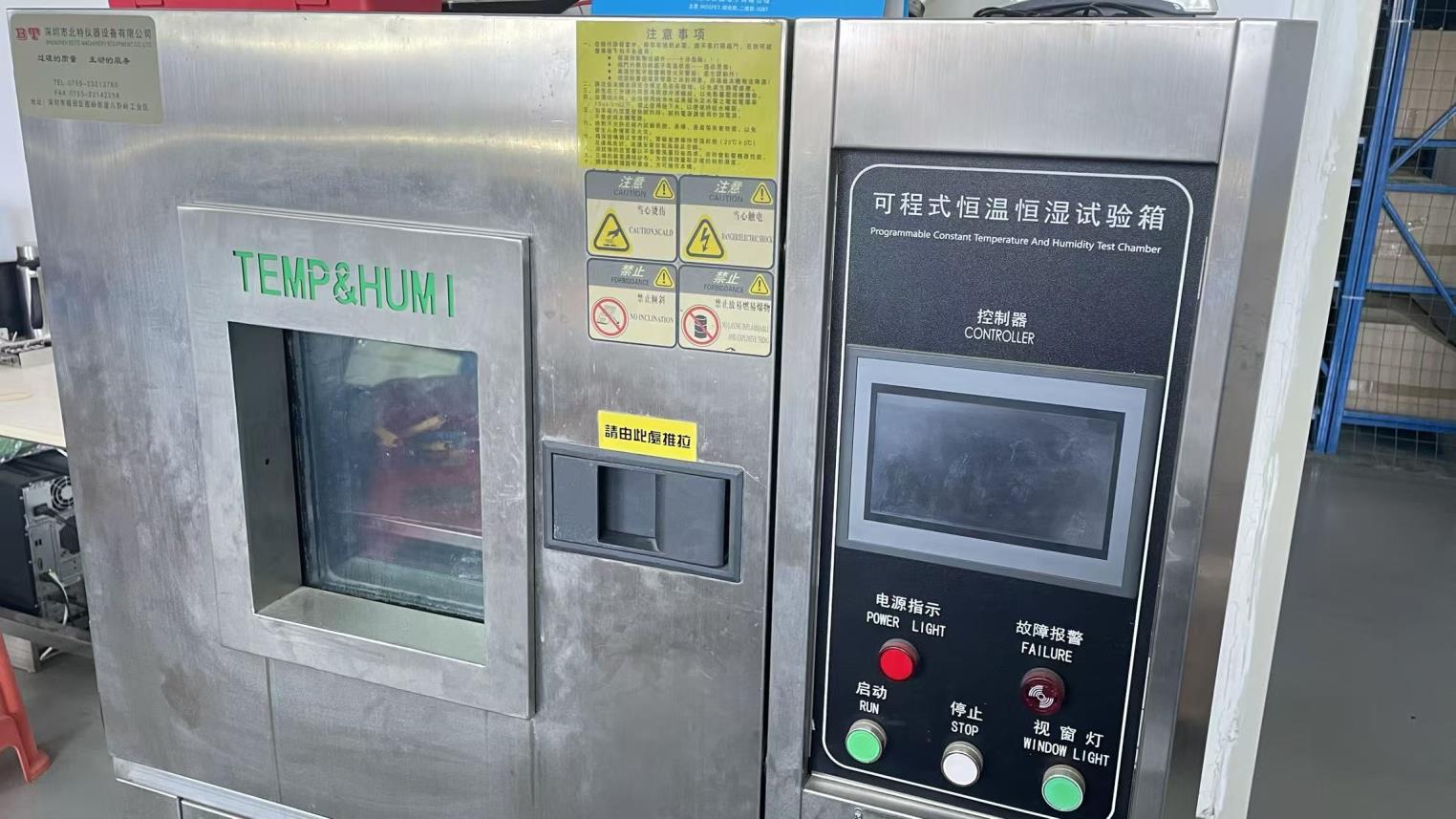
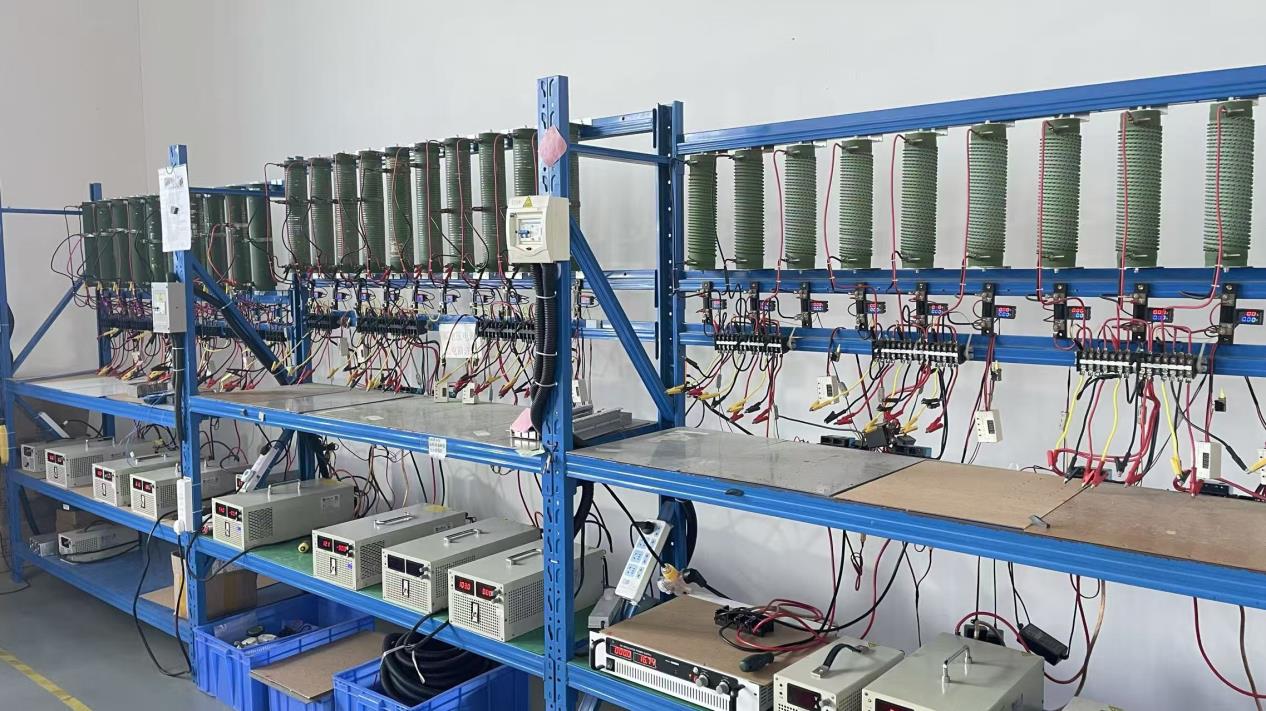
Every device undergoes two stages of computerized and manual evaluation inside our Shanghai facility to guarantee a 99.9% pass rate.

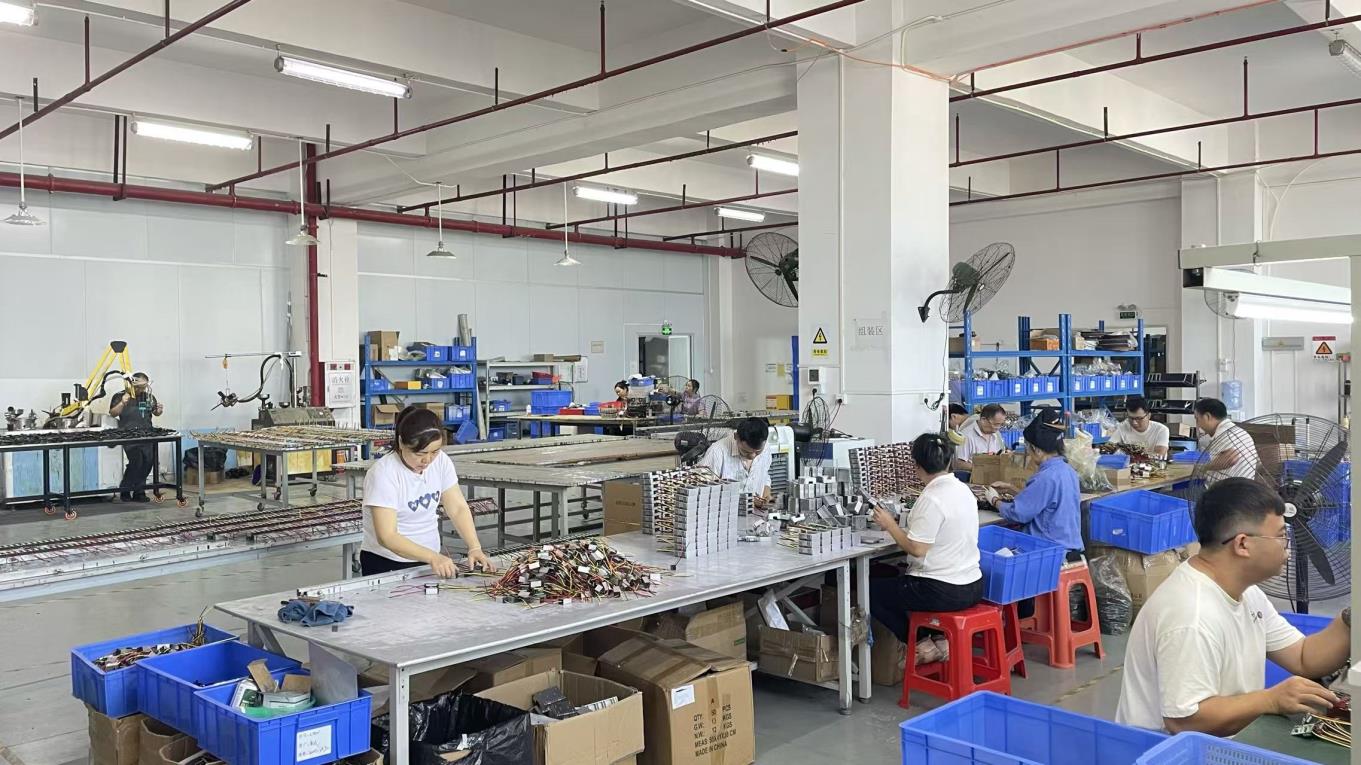

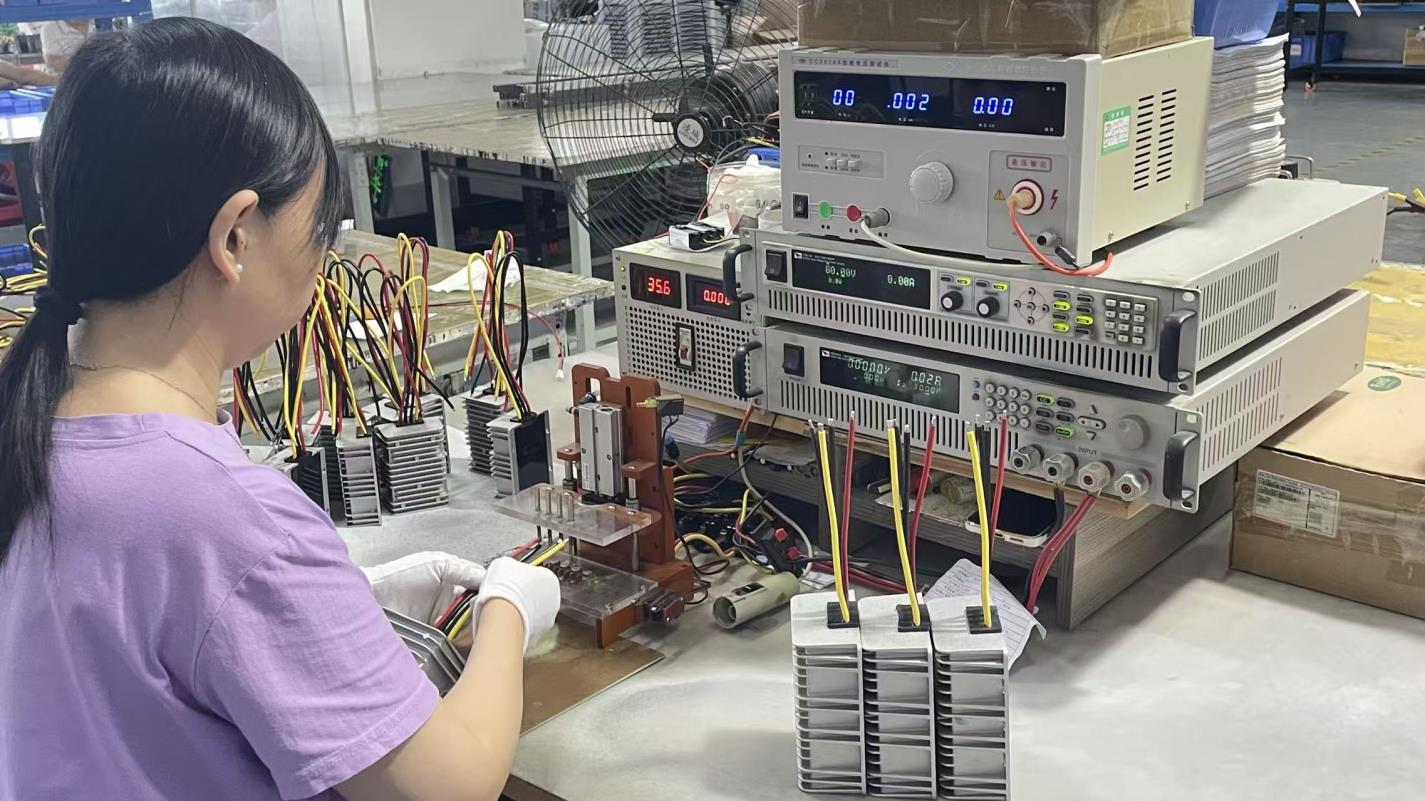

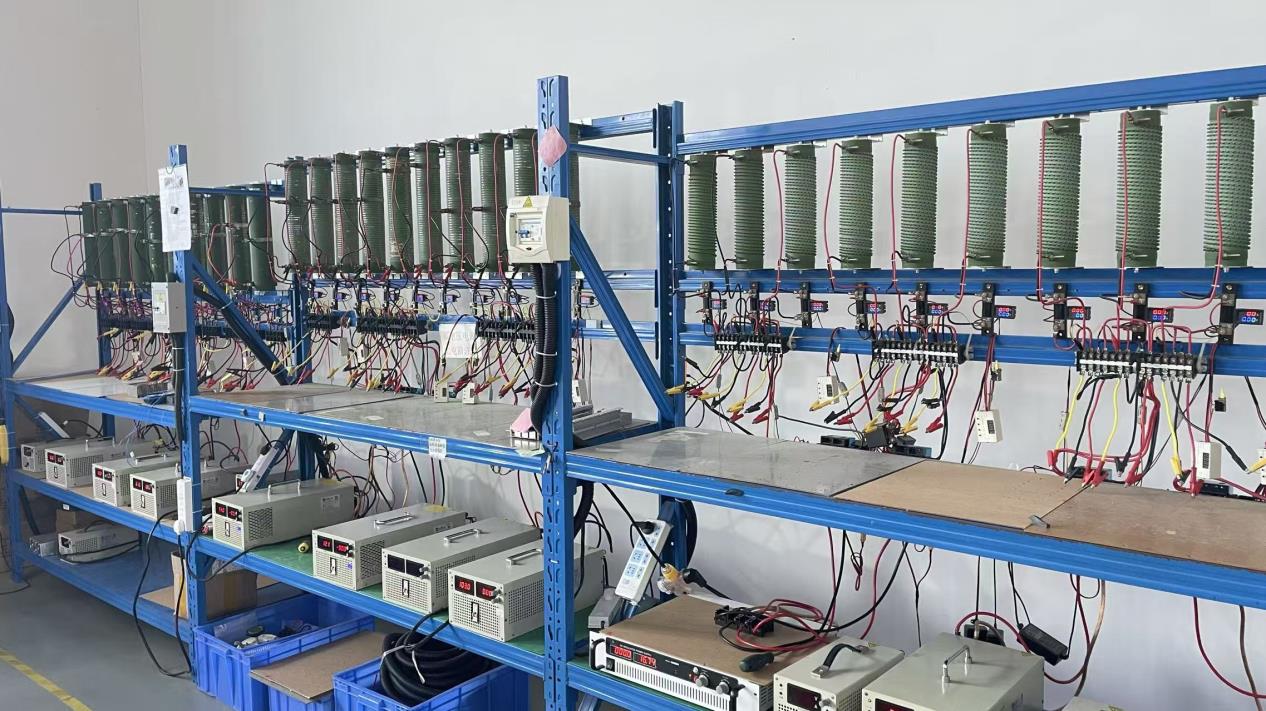

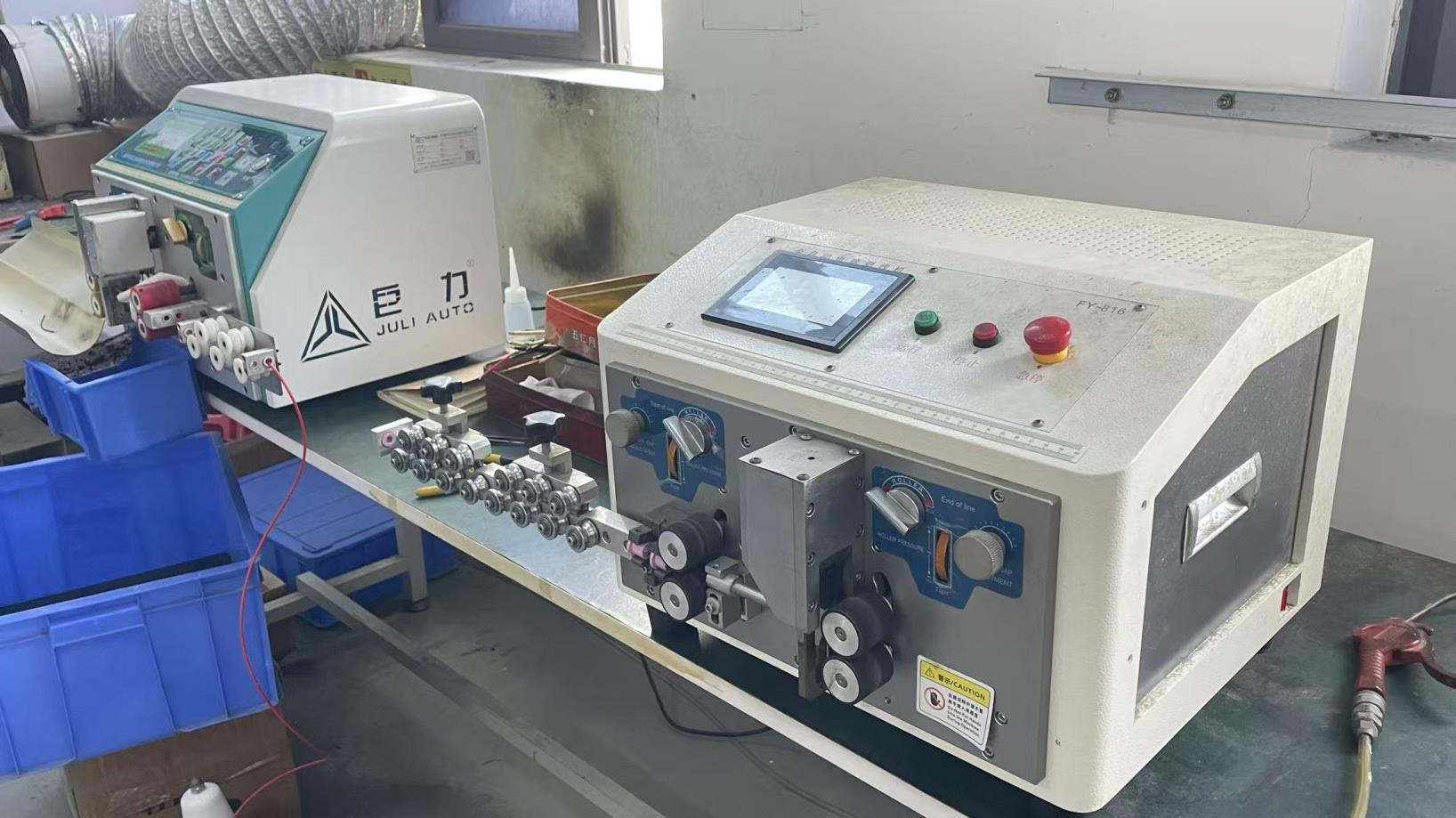
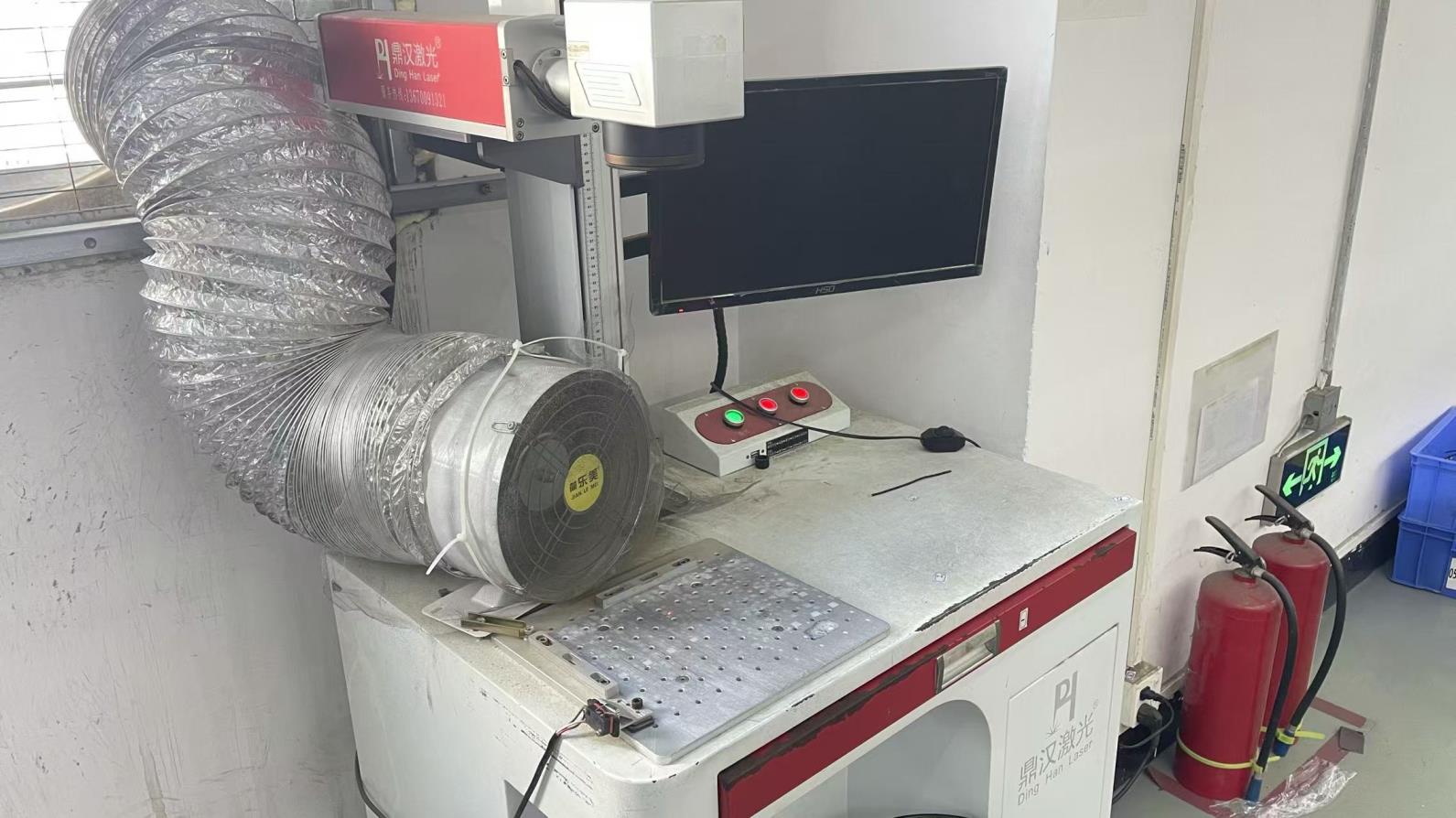
Equipped with specialized high-precision machinery to ensure structural integrity and mechanical repeatability across every unit.





Understanding the critical deployment environments of high-power regulated systems globally.
Modern industrial architectures depend on clean DC power. A major application for these systems is Automated Test Equipment (ATE), where a single device under test (DUT) must receive various distinct supply voltages. In automotive engineering, for example, electronic control units (ECUs) require 12V DC for drive relays, 5V DC for central logic units, and up to 100V DC for high-voltage isolation tests. Utilizing a single triple-output supply avoids potential phase conflicts and ground loops associated with using multiple individual units.
In the chemical processing and wastewater treatment sectors, these systems supply stable current for continuous-flow electrolysis and purification arrays. High-power DC supplies provide the constant voltage levels needed to manage load fluctuations caused by shifts in fluid resistance. The integration of digital remote sensing capabilities allows these units to adjust for line voltage drops in real-time, maintaining high precision even at long distances.
In laboratory testing and design validation, these supplies provide precise control for complex integrated circuits. Designers can configure the channels to run in independent, parallel, or series modes, supporting test setups that require higher voltage outputs (e.g., up to 120V) or increased current levels (e.g., up to 100A). This flexibility enables R&D labs to validate components under a wide range of operating conditions.
Delivering clean logic power alongside motor-drive DC rails in harsh environments.
Providing tracking outputs with ultra-low ripple (<1mV RMS) for analog prototyping.
Reliable constant-current setups designed for high-efficiency electrolysis tanks.
The evolutionary path of industrial power architectures toward modularity and digital control.
Incorporating SiC MOSFETs to increase switching frequencies, reduce passive component sizes, and achieve efficiencies above 94%.
Integrating real-time current, voltage, and thermal diagnostics via Modbus, CAN bus, and EtherCAT for predictive maintenance.
Developing sealed liquid-to-air cooling options for harsh chemical environments, protecting internal circuits from corrosive elements.
Hot-swappable triple output modules designed to scale system capacity dynamically while minimizing downtime.
Expert technical answers regarding design, configuration, and operation of multi-channel industrial power supplies.
Highly stable switching and regulated systems designed to perform consistently in demanding industrial environments.