Voltmat Power
Voltmat Power
Voltmat Power
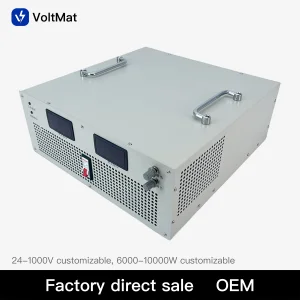
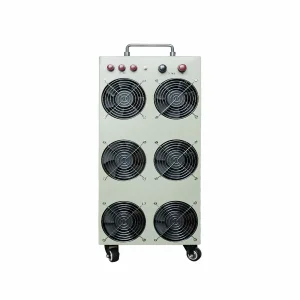
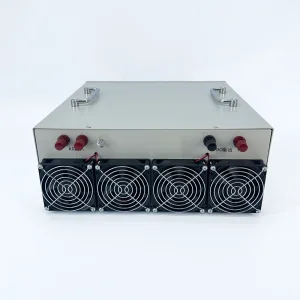
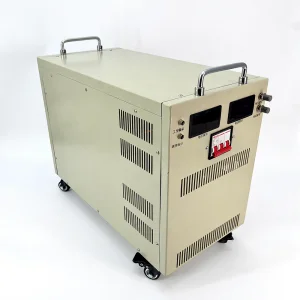
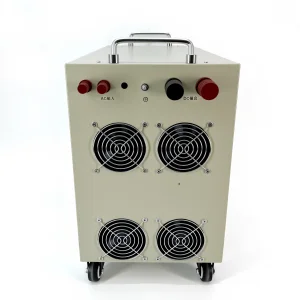
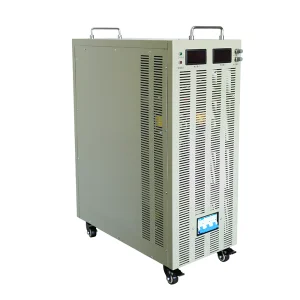
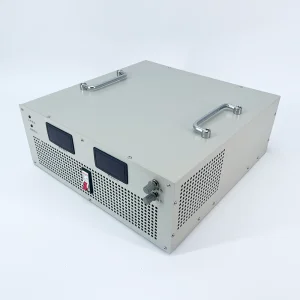
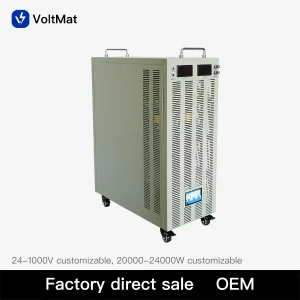
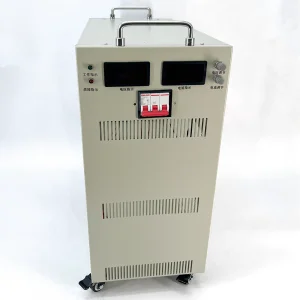
Explore our top-tier regulated power systems optimized for high-power digital testing, battery cell emulation, and demanding industrial automation loops.
Understanding the tectonic shifts in global energy demands, supply networks, and the vital role of industrial-grade desktop power systems.
In the contemporary industrial ecosystem, the stability, efficiency, and intelligence of DC power supplies are critical to technological progress. Modern electronic systems, robotic arms, aerospace telemetry, semiconductor fab lines, and massive EV battery testing bays demand unprecedented clean electricity. Standard consumer desktop power supplies fail to deliver the precision, duty-cycle capacity, or robustness required for these environments. Consequently, the global market has seen a rapid convergence towards customizable, software-defined high-power DC switching regulators.
According to current market intelligence, the demand for industrial AC-DC regulated power supplies is expanding at a projected CAGR of 7.2% through 2030. Key drivers include the exponential growth in local smart-factories, industrial Internet of Things (IIoT) sensors, electric vehicle powertrain verification, and complex grid-tie test chambers. Today's procurement departments no longer purchase power supplies as commoditized black boxes. Instead, they view them as integral strategic assets that affect production yields, test accuracy, and overall equipment effectiveness (OEE).
A deep dive into topology selection: Comparing switching and linear systems, output configurations, and protecting core loads.
Enterprise procurement professionals look beyond upfront price points to calculate the total cost of ownership (TCO) over a 5 to 10-year period. Key parameters evaluated include thermal dissipation overhead, efficiency degradation under continuous loads, grid line disturbances, and power factor alignment. Investing in premium units with PFC and over-designed cooling manifolds decreases HVAC load within the R&D facility, directly translating to thousands of dollars saved annually in facility overheads.
Additionally, for testing operations like battery cycle emulation, DC systems must support continuous load cycles. Our systems are engineered to withstand severe back-EMF, protecting the internal switching transistors (IGBTs and MOSFETs) from reverse-bias voltage spikes that typically cause field failures in lesser consumer-grade products.
How a 10,000 square meter facility in Shanghai maintains a 99.9% pass rate through advanced equipment and multi-stage manual and digital checks.
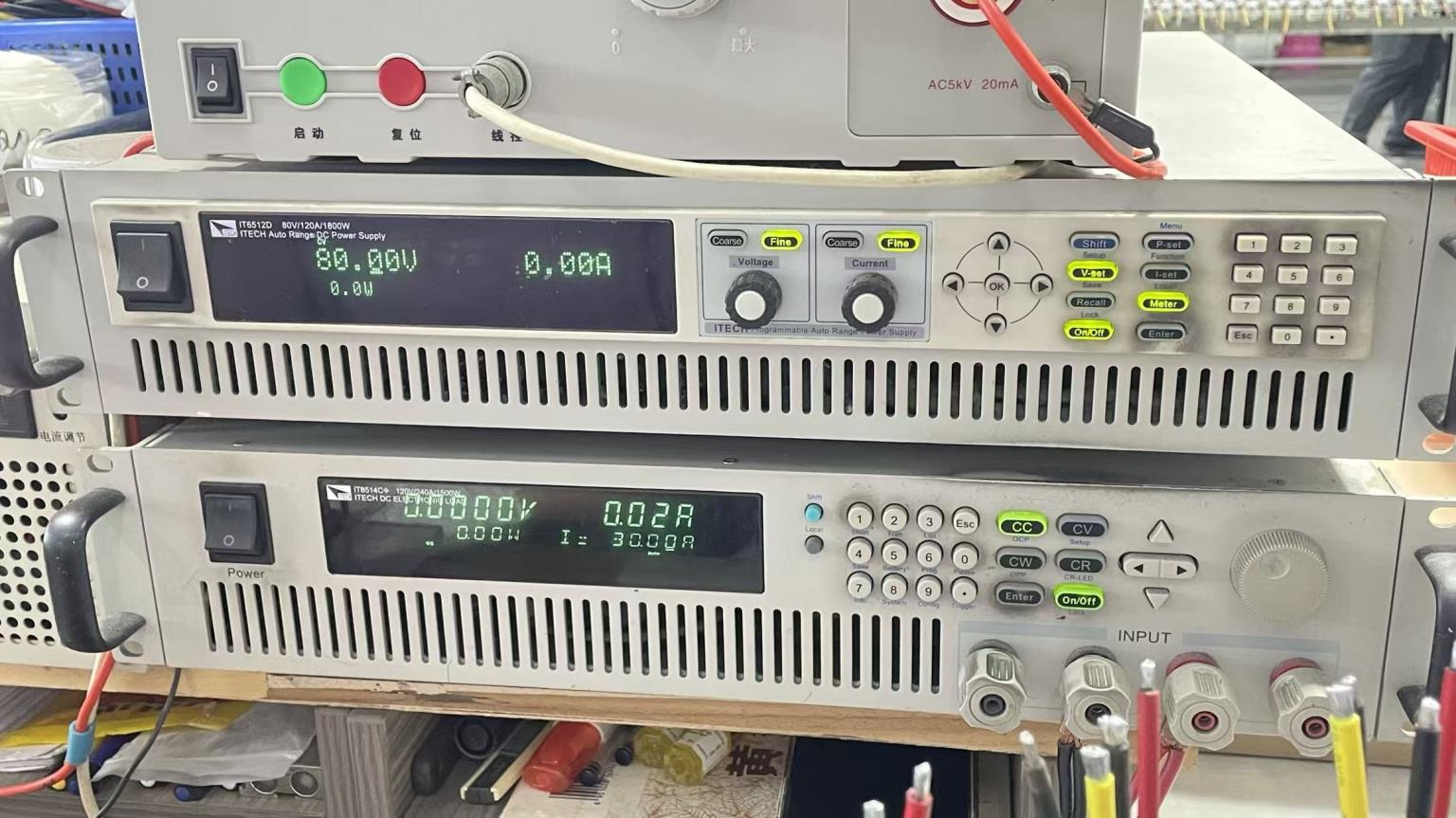
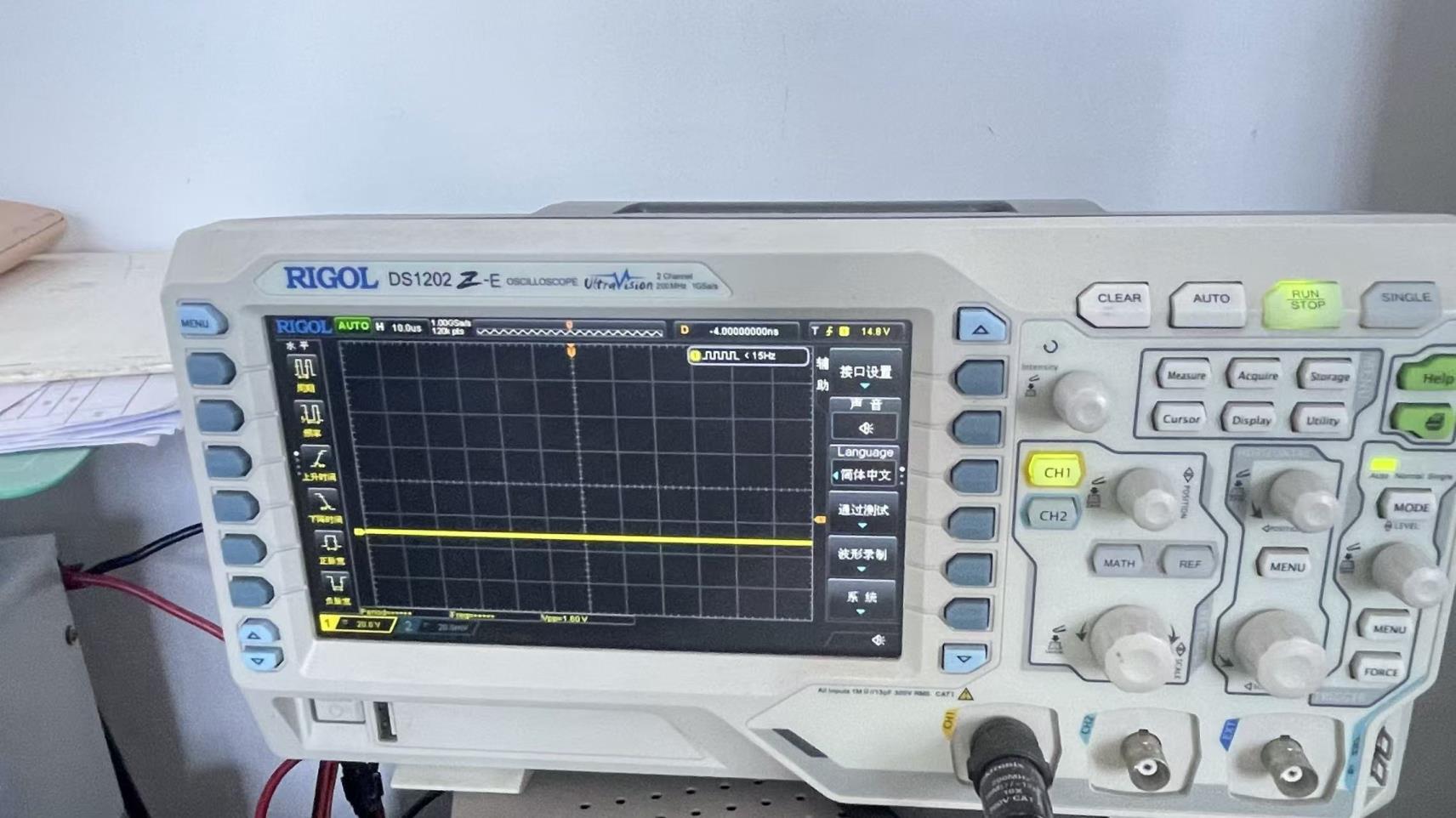
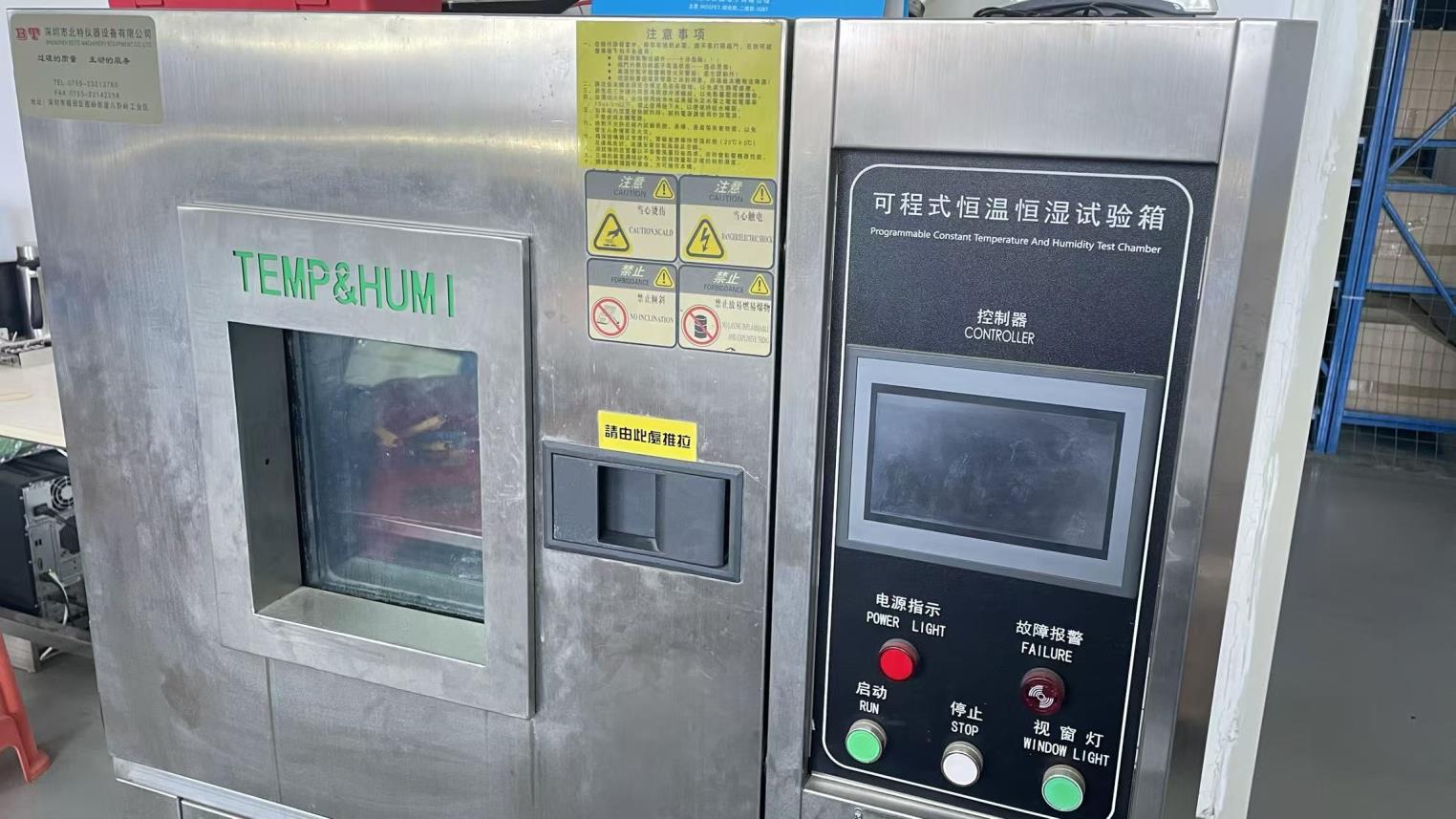
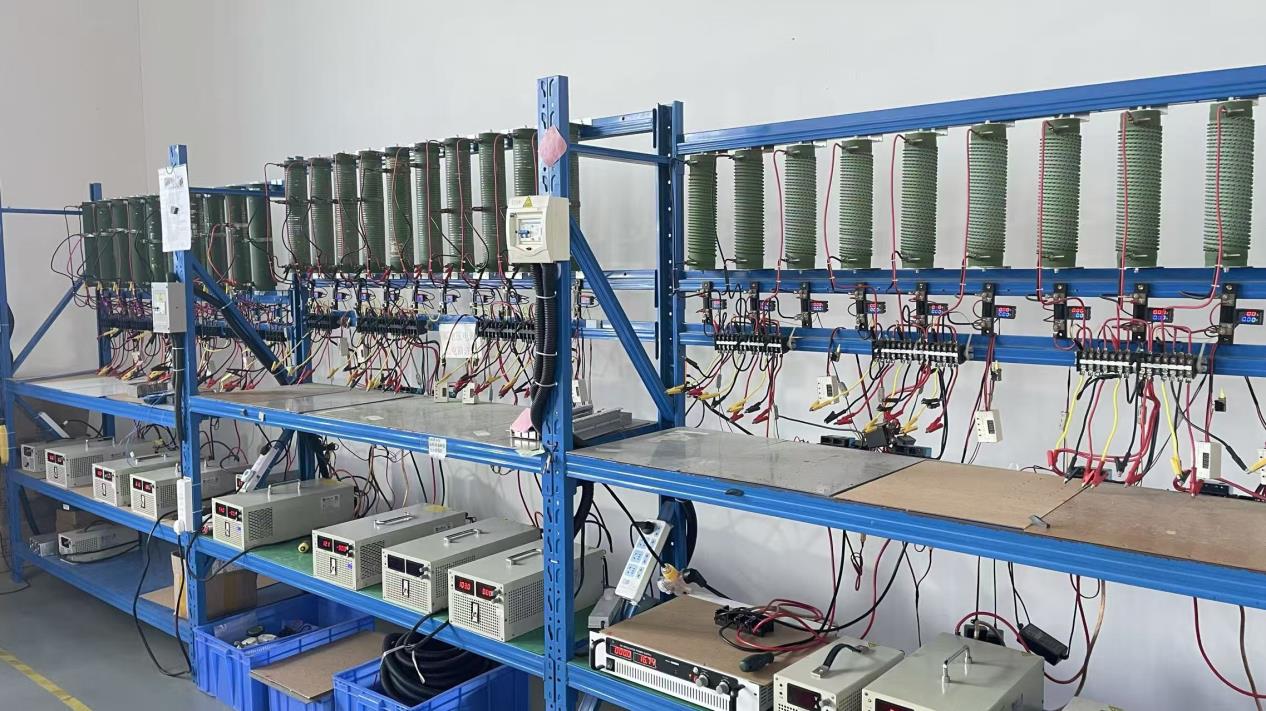
Operating a dedicated 10,000 square meter factory in Shanghai, we leverage 15 years of specialize engineering in high-power regulated DC supplies to maintain strict quality standards. Each unit goes through two separate rounds of testing before dispatch: an automated, computer-monitored system evaluation and a manual load simulation by our engineers. This combined protocol guarantees that every unit leaves the factory with a qualification rate of up to 99.9%.

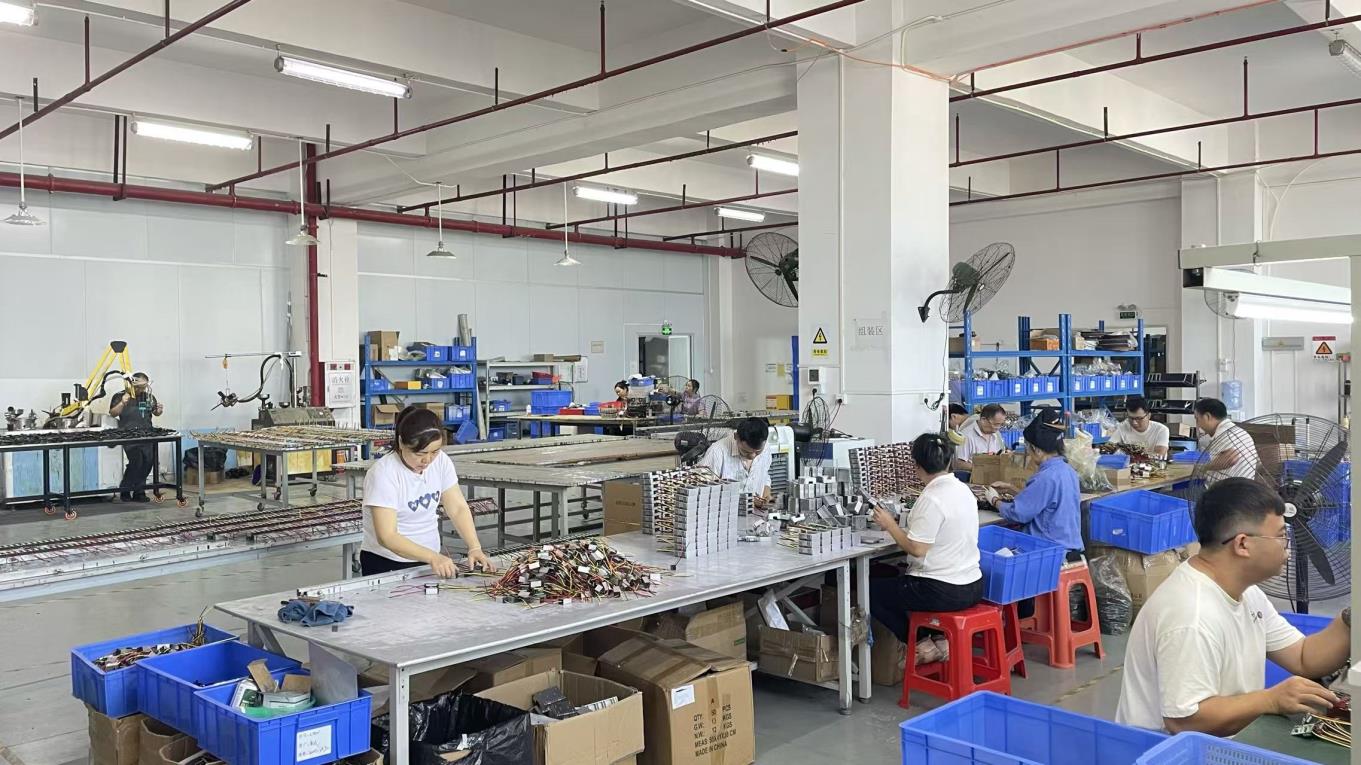

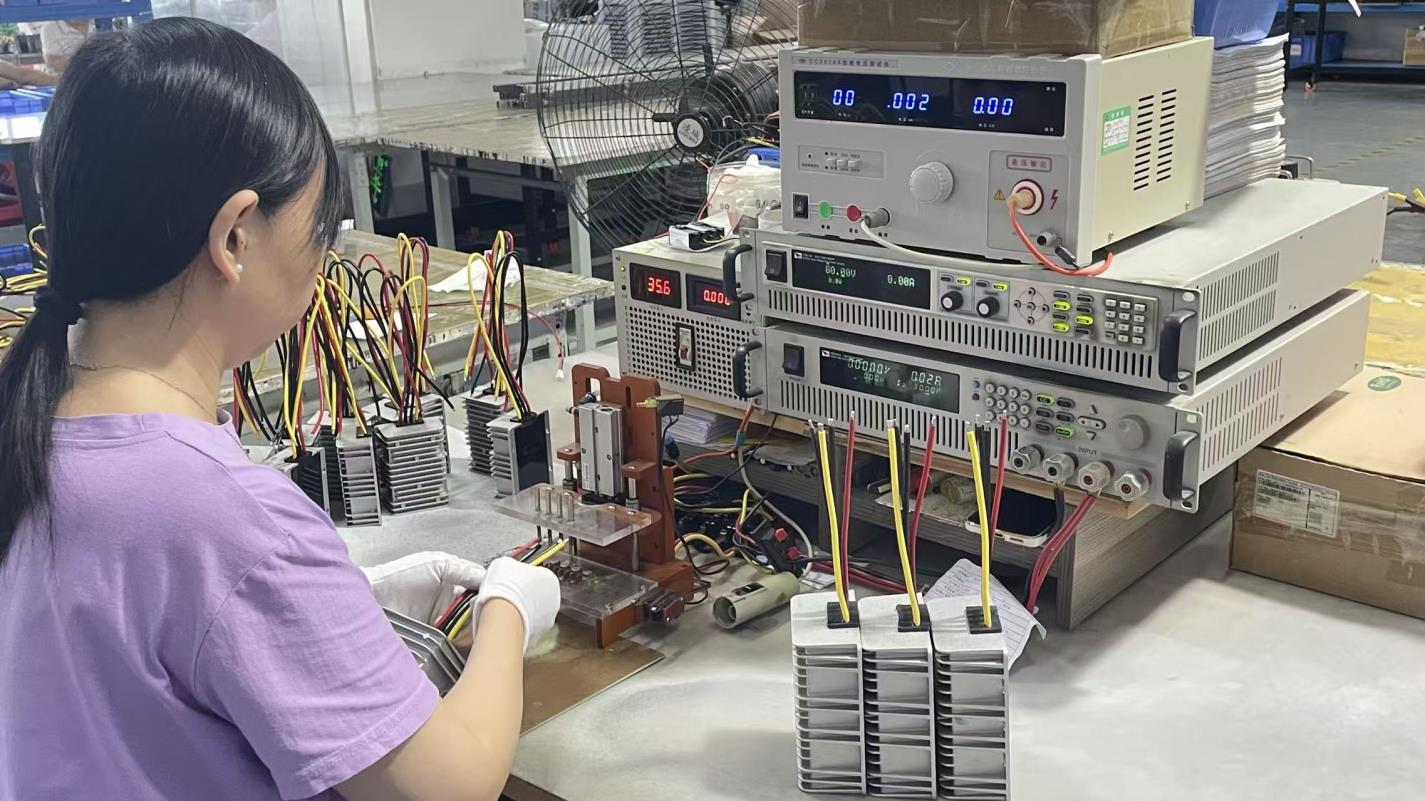

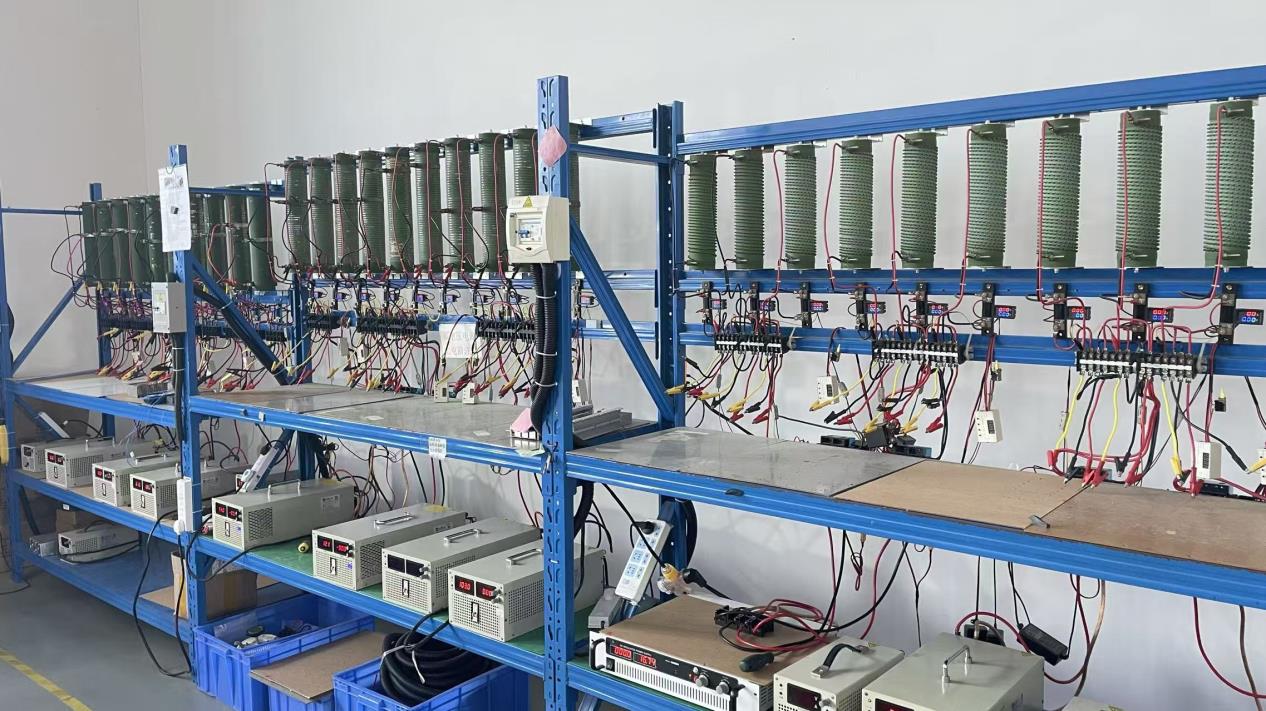


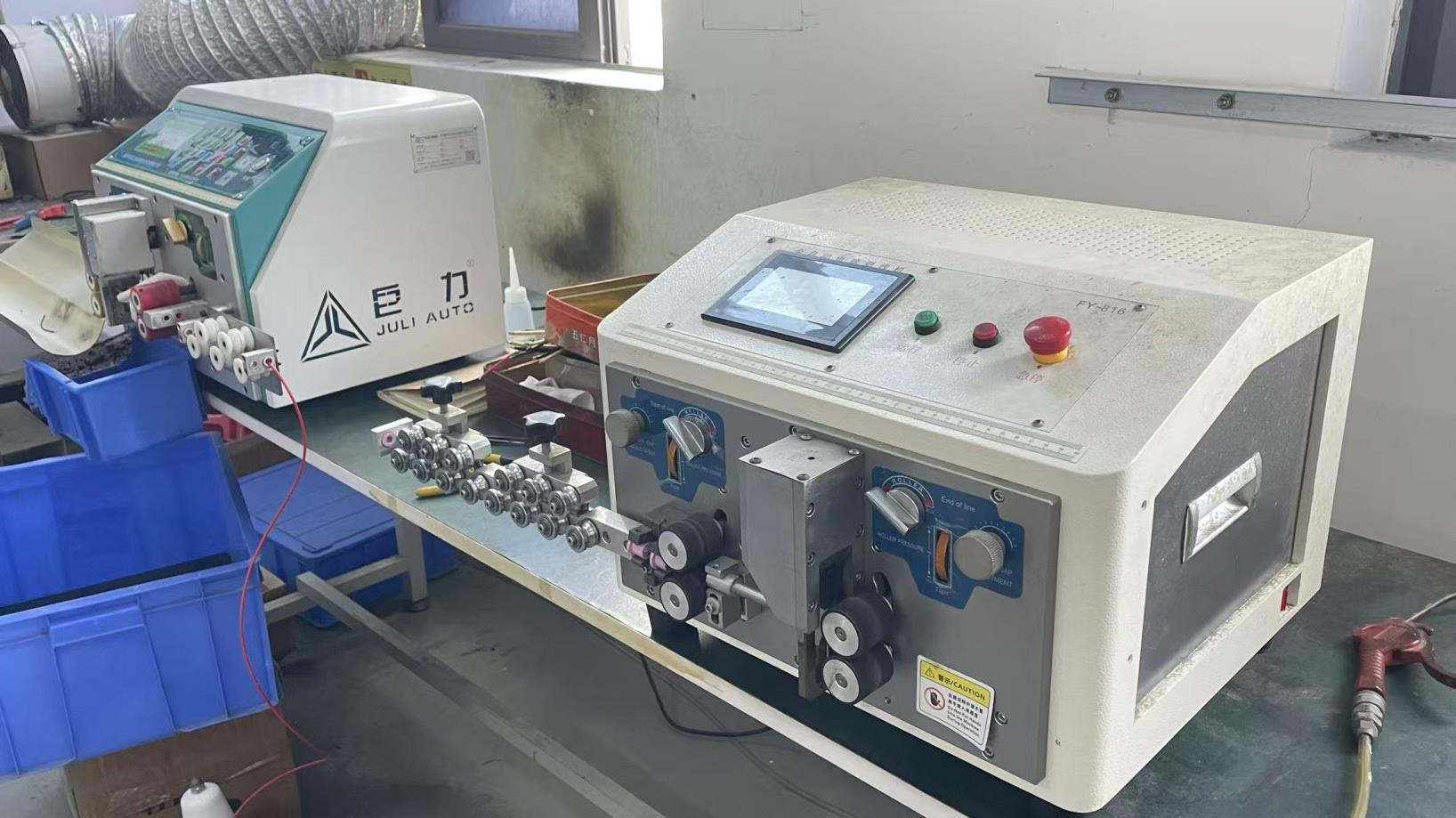

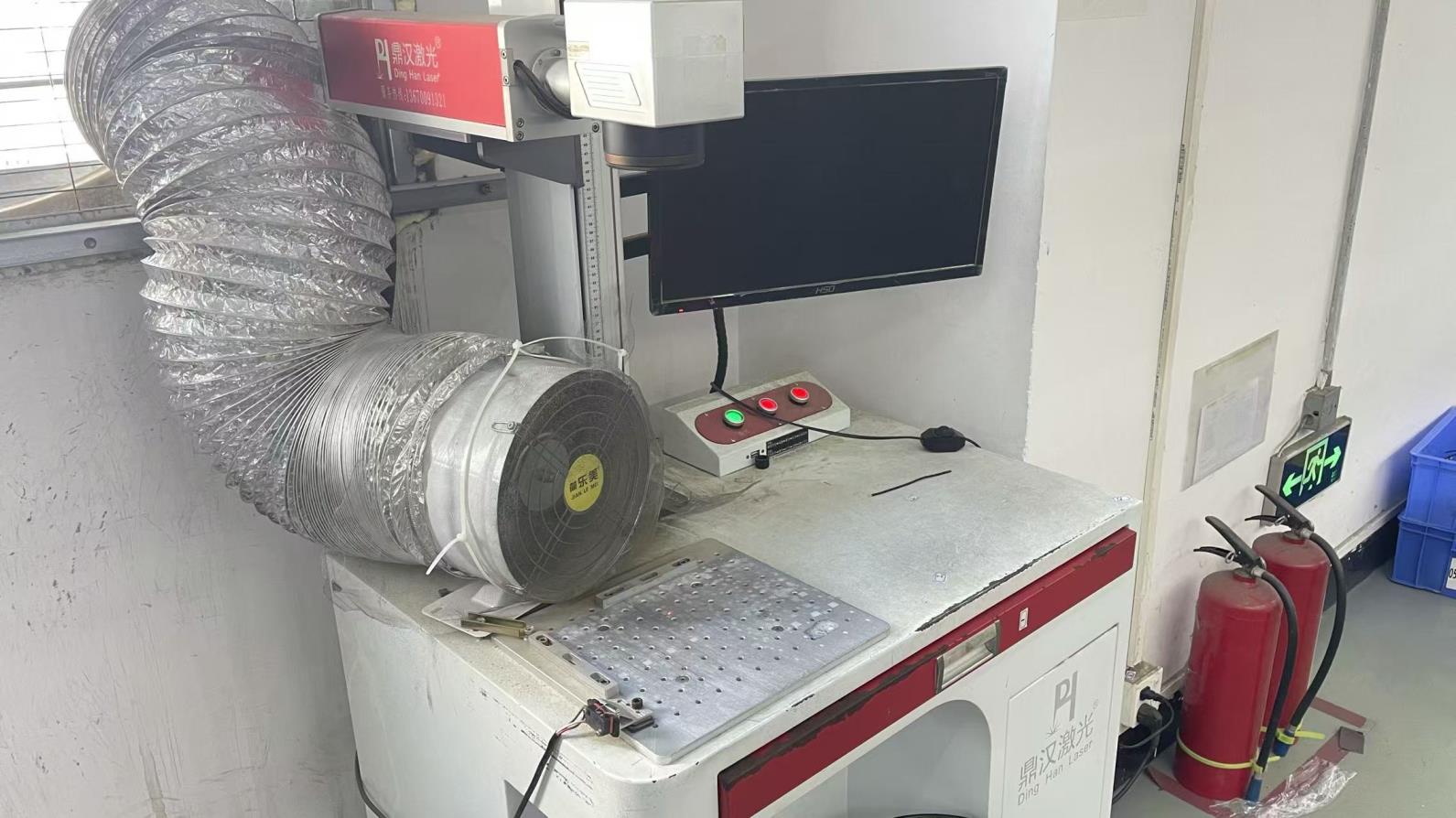
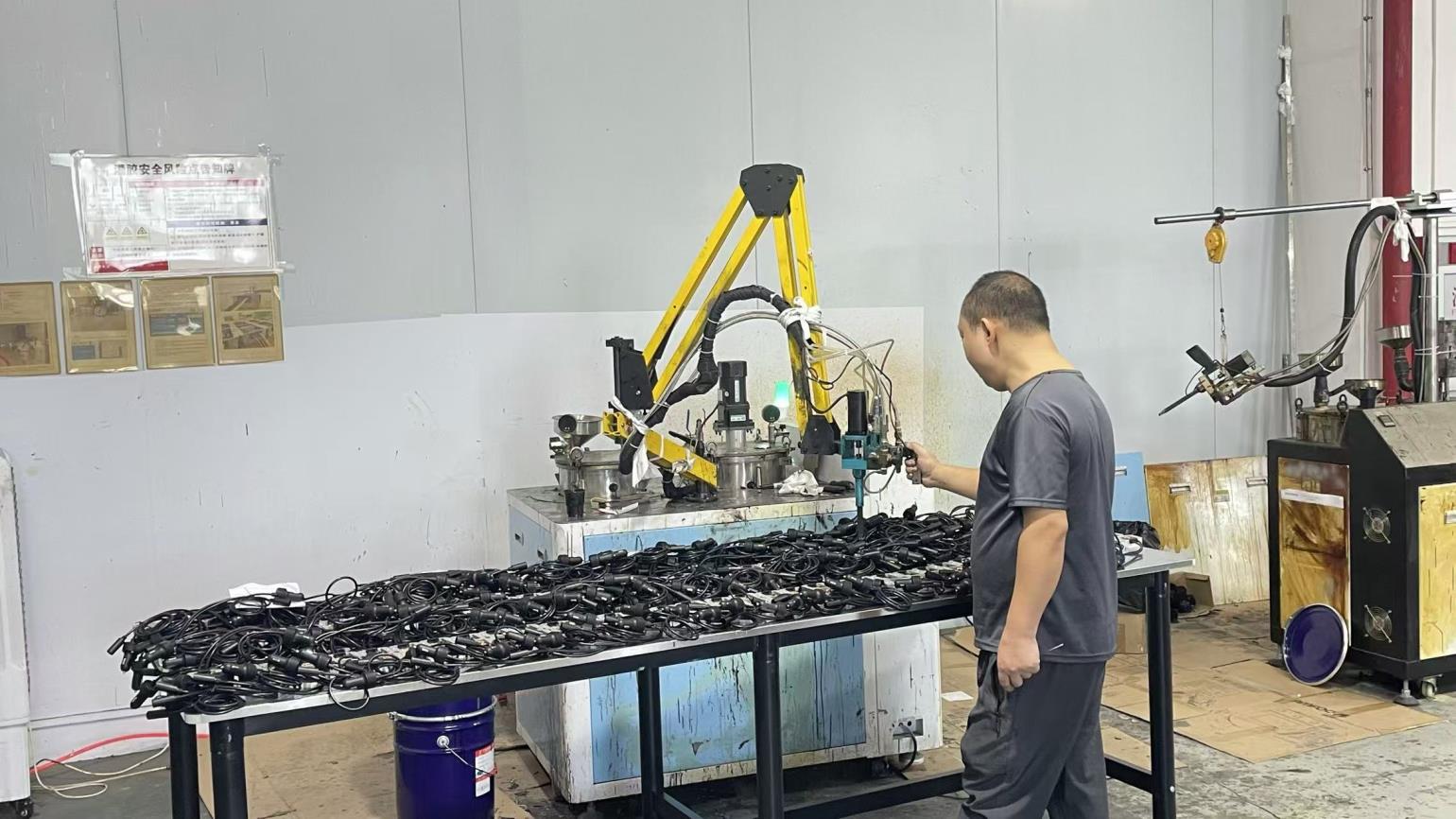

Our dedicated laboratory employs specialized verification equipment to ensure internal subassemblies match target tolerances. Under constant thermal cycles, power supply performance is verified using the following testing protocols:


Protecting delicate electronic component arrays from moisture, vibration, and impact during cross-border transit.
High-power switching supplies contain heavy transformers, inductors, and sensitive control boards. Without proper protection during transit, vibration and moisture can damage internal solder joints and structural mountings. To prevent these failures, we use a specialized export packaging structure:
Based in Shanghai, our location near major international airports and deepwater container ports simplifies global logistics. We offer streamlined customs handling, full export documentation, and support for all major commercial shipping terms (FOB, CIF, DDP).
How wide-bandgap semiconductors and digital control loops are shifting the limits of power density and efficiency.
The high-power DC regulated supply market is undergoing significant technological developments. The major driving trend is the shift from silicon-based MOSFETs to wide-bandgap semiconductors, particularly Silicon Carbide (SiC) and Gallium Nitride (GaN). This transition reduces switching losses, allowing higher frequencies and smaller magnetic components. Consequently, next-generation 10kW systems will require only half the physical volume of current silicon designs.
Alongside hardware improvements, digital control topologies are replacing analog control loops. Field-Programmable Gate Arrays (FPGAs) and high-speed Digital Signal Processors (DSPs) are now running real-time software algorithms that predict load variations and dynamically adjust switching timing. This minimizes transient response overshoot and ensures flat voltage profiles during rapid current changes.
Furthermore, cloud connectivity and IoT integration are entering industrial test environments. Modern systems feature onboard telemetry modules that push health diagnostics, thermal statistics, and historical load profiles to central dashboards. This telemetry enables predictive maintenance scheduling, alerting operations to fan wear or filter blockages before they cause unexpected system downtime.
Technical guidance on input line variations, system ripple reduction, and operating DC units in parallel configurations.
High-power systems designed for battery cycling, industrial plating, aerospace testing, and large-scale industrial use.