Voltmat Power
Voltmat Power
Voltmat Power
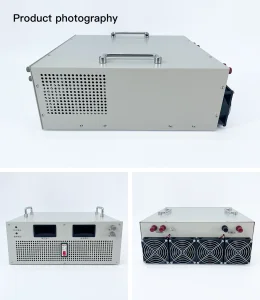
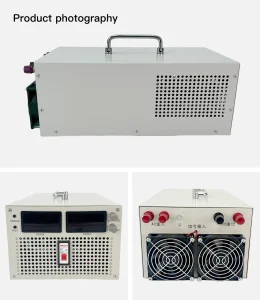
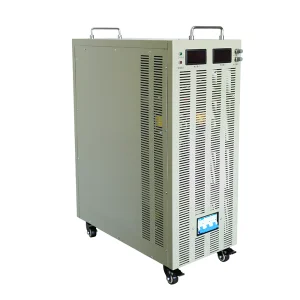
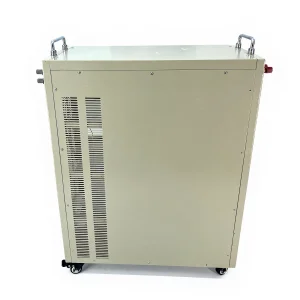
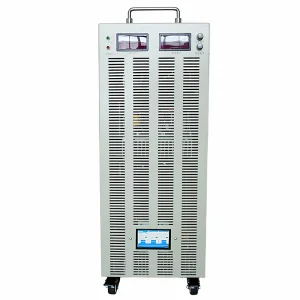
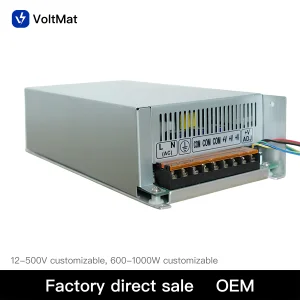
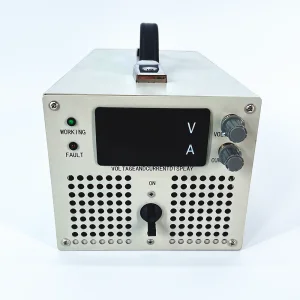
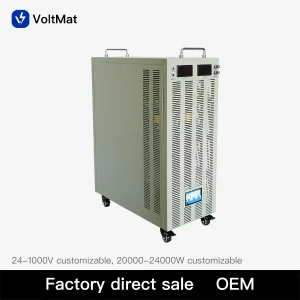
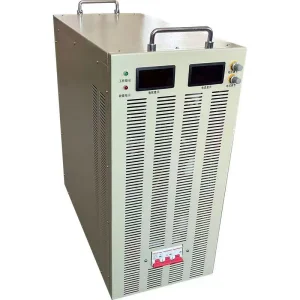
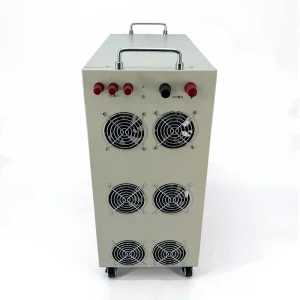
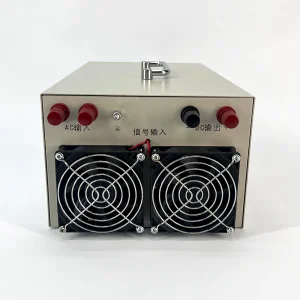
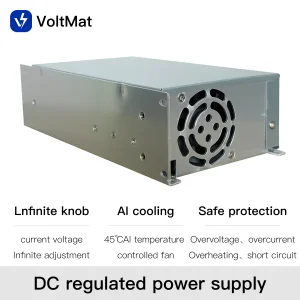
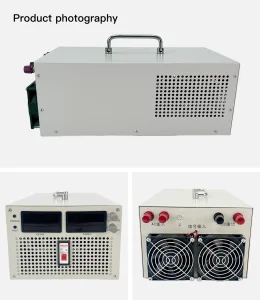
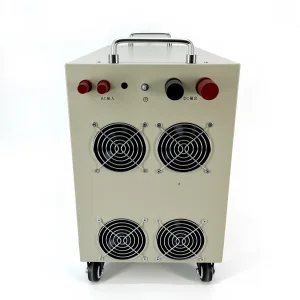
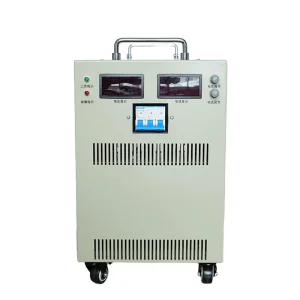
Direct access to our engineered high-efficiency industrial AC-DC switching power supplies, optimized for continuous operations and precision battery charging.
Modern commercial infrastructure and data centers require ultra-compact charging topologies. Transitioning from traditional silicon-based linear models to High-Frequency Switching Mode Power Supplies (SMPS) enables power densities upwards of 20W/in³, reducing footprint requirements while maintaining rugged thermal efficiency.
As microgrids and Battery Energy Storage Systems (BESS) proliferate globally, manufacturers are designing high-current, regulated DC-DC and AC-DC modules capable of interfacing directly with LiFePO4, Sodium-ion, and traditional Lead-Acid chemical batteries at grid scale.
Procurement criteria have shifted from analog control to programmable digital interfaces (CAN bus, Modbus, Ethernet). Modern chargers require remote configuration of constant current (CC), constant voltage (CV), and float modes to optimize battery longevity and enable real-time telemetry.
The technological trajectory of commercial battery chargers focuses on minimizing switching losses and optimizing electromagnetic compatibility (EMC). Leading power supply manufacturers are moving away from traditional silicon diodes and MOSFETs, integrating wide-bandgap (WBG) materials such as Silicon Carbide (SiC) and Gallium Nitride (GaN).
SiC devices display higher breakdown voltages and superior thermal conductivity, enabling switching frequencies up to 500kHz in high-voltage modules. This technical pivot yields crucial benefits for system design: magnetic component volumes (inductors and transformers) scale down by 40%, and passive cooling margins expand. The active power factor correction (APFC) utilizes interleaved boost topologies to reduce total harmonic distortion (THD) below 5%, complying with rigorous IEC 61000-3-2 regulations.
| Topological Parameters | Silicon (Si) Legacy Systems | Silicon Carbide (SiC) Systems | Gallium Nitride (GaN) Systems | |
|---|---|---|---|---|
| Typical Switching Frequency | 20 kHz - 80 kHz | 100 kHz - 300 kHz | 300 kHz - 1 MHz+ | Superior transient response |
| System Efficiency | 82% - 87% | 88% - 94% | 95% - 98% | Minimized thermal losses |
| Breakdown Voltage Cap | < 650V | Up to 1700V+ | < 650V (Standard) | Suitable for heavy industries |
| Thermal Dissipation Margin | Moderate (Requires huge heatsinks) | Excellent (High Tj limit) | High (Requires compact board layout) | Reduces overall system volume |
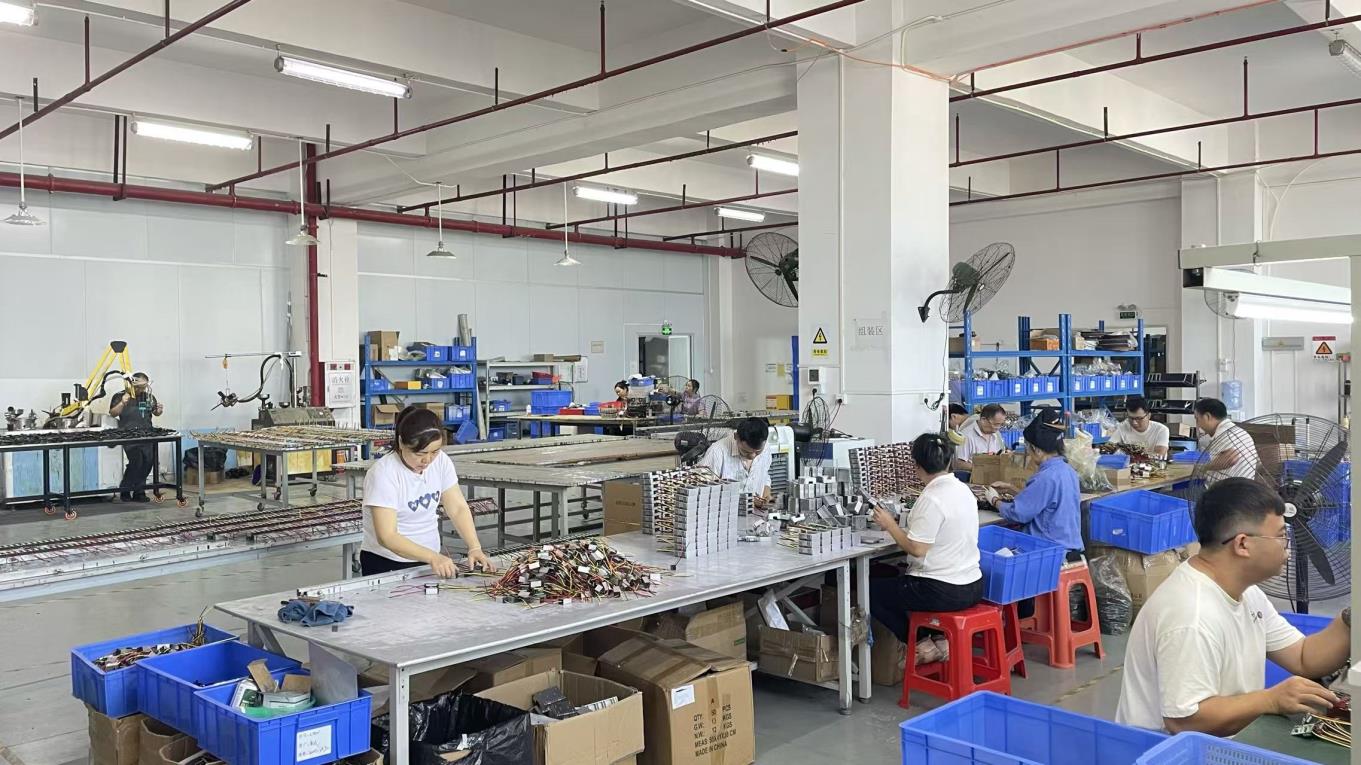
Operating a state-of-the-art 10,000 square meter facility optimized for high-power regulated power supply production and strict industrial testing protocols.
Every high-power switching power supply manufactured at our Shanghai hub undergoes two rigorous rounds of quality control: an automated computerized diagnostic process checking electrical parameters, ripple, and noise margins, followed by structured manual validation by expert electrical technicians. Our proximity to the Shanghai deep-water port allows for smooth, cost-efficient international logistics and secure maritime transport.
 Wire Cutting
 Plug-In
 Soldering Tin
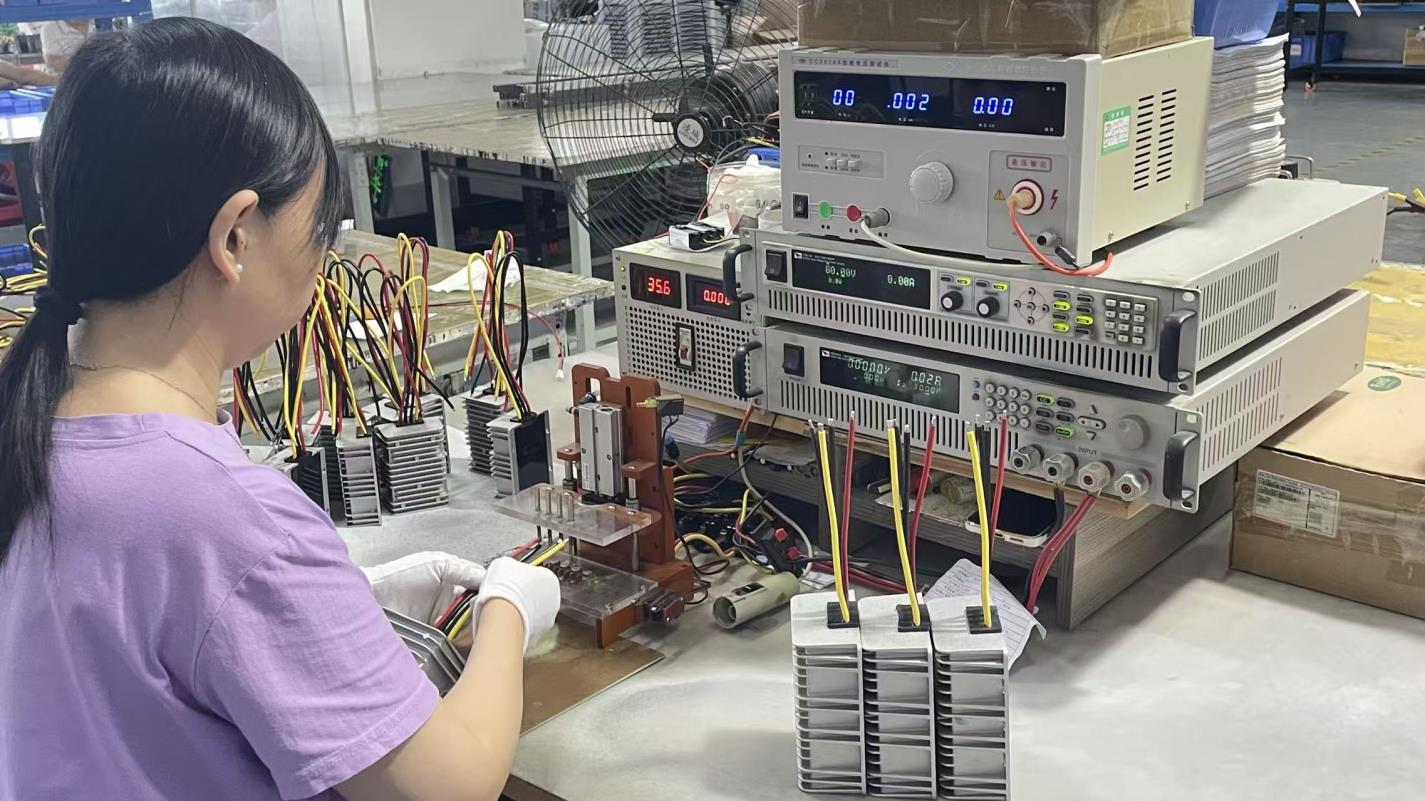 Test
Test
 Glue Filling
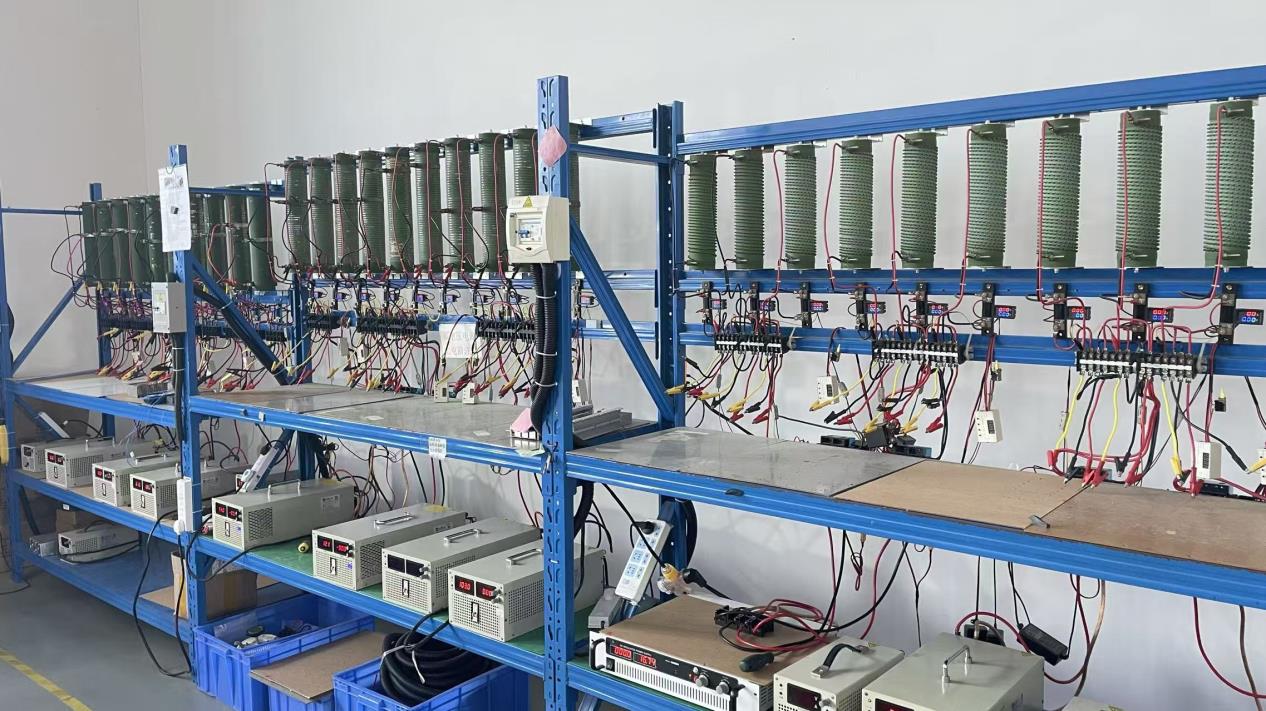 Burn-In Test
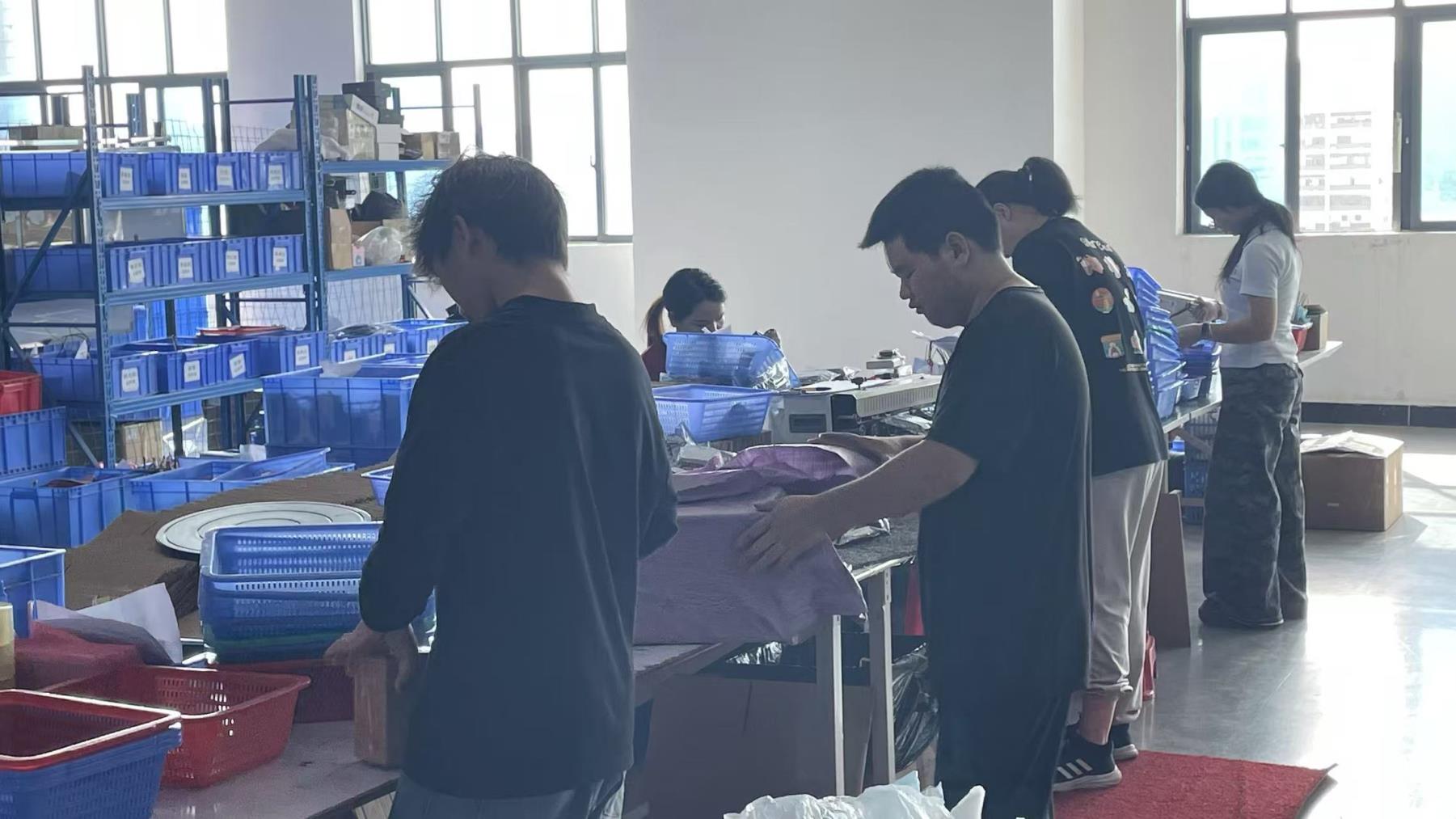 Packaging
 Winding Machine
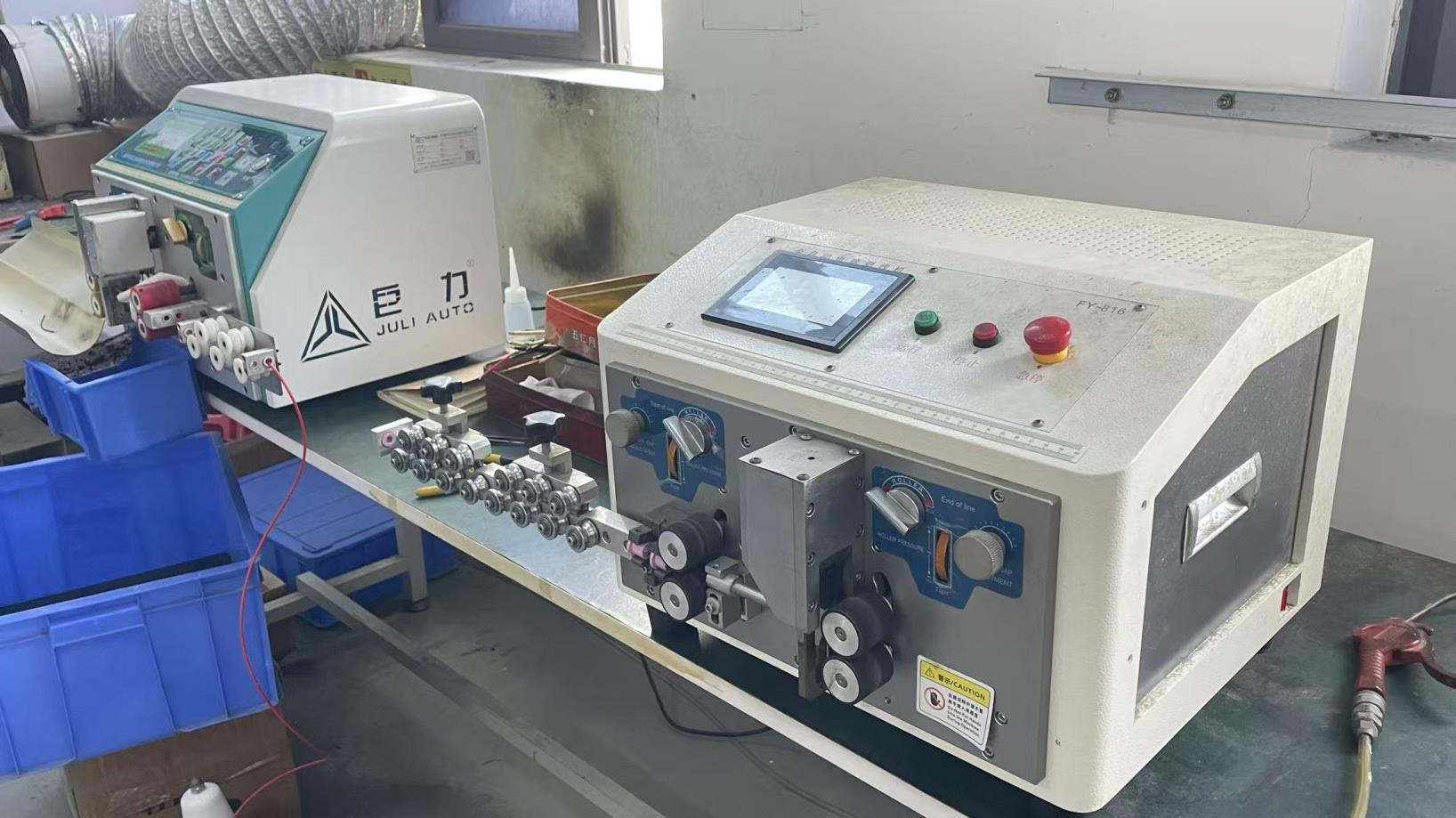 Wire Cutting Machine
 Automatic Soldering Machine
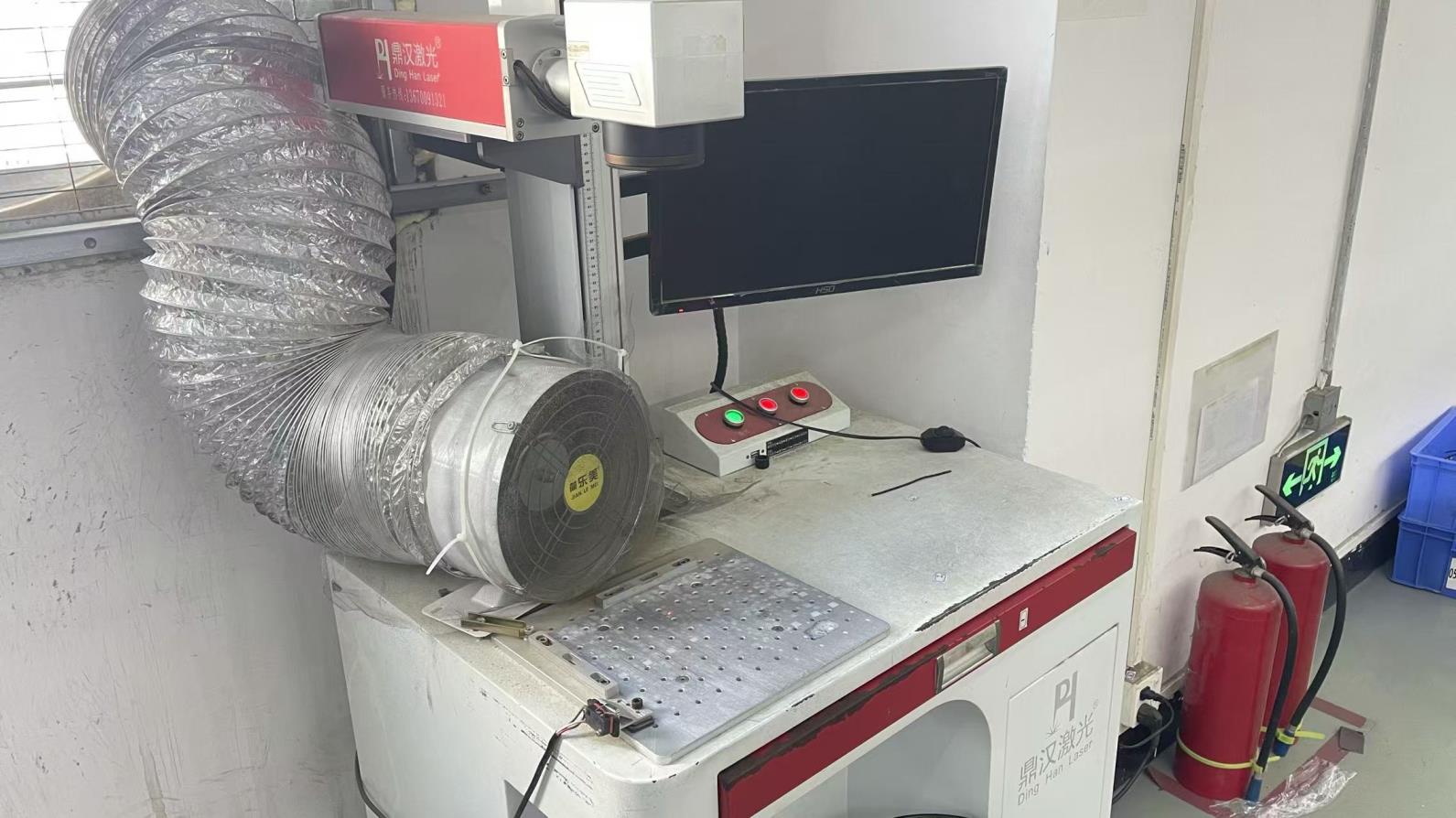 Laser Engraving Machine
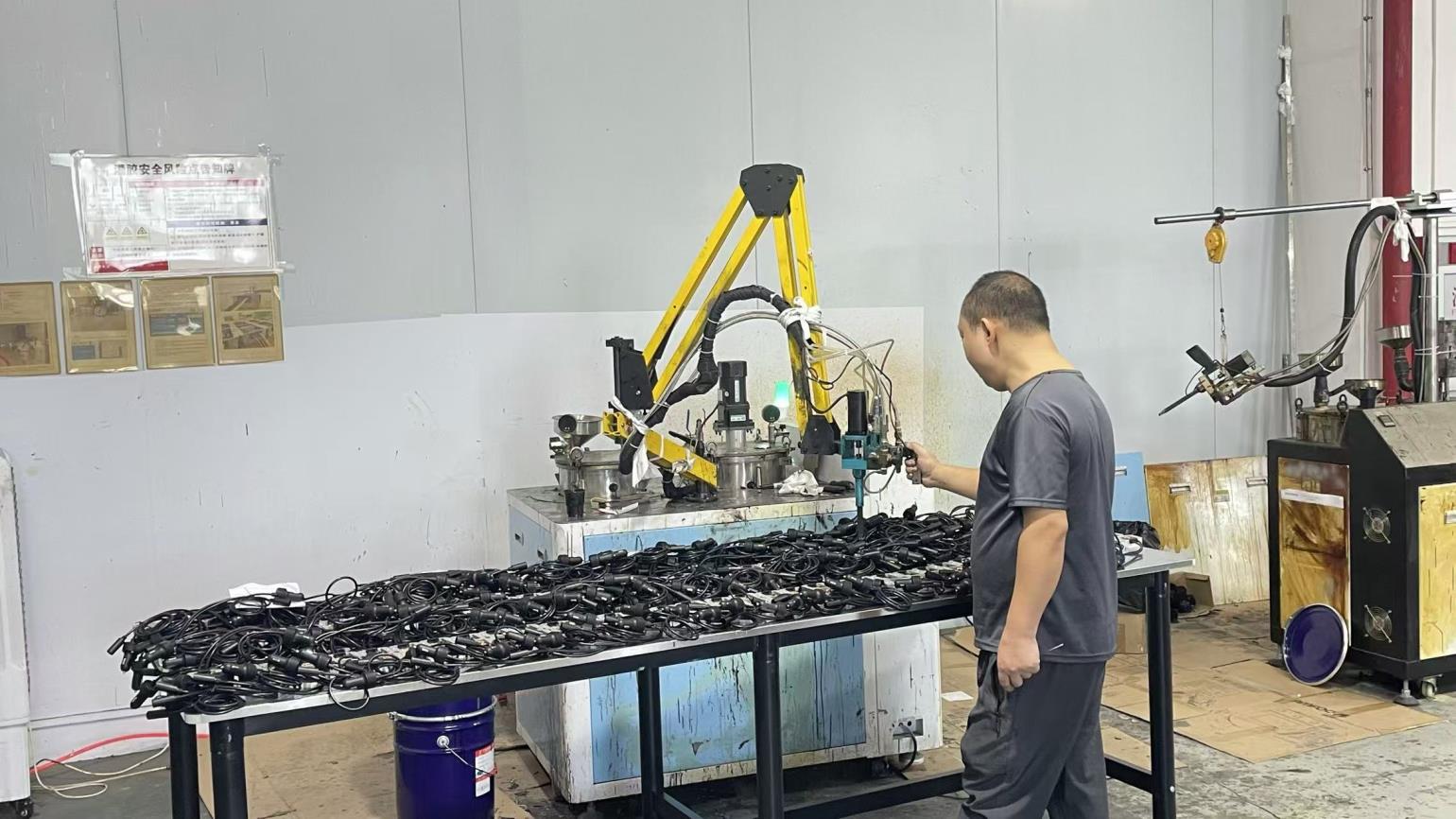 Canning machine
 Assembly Line
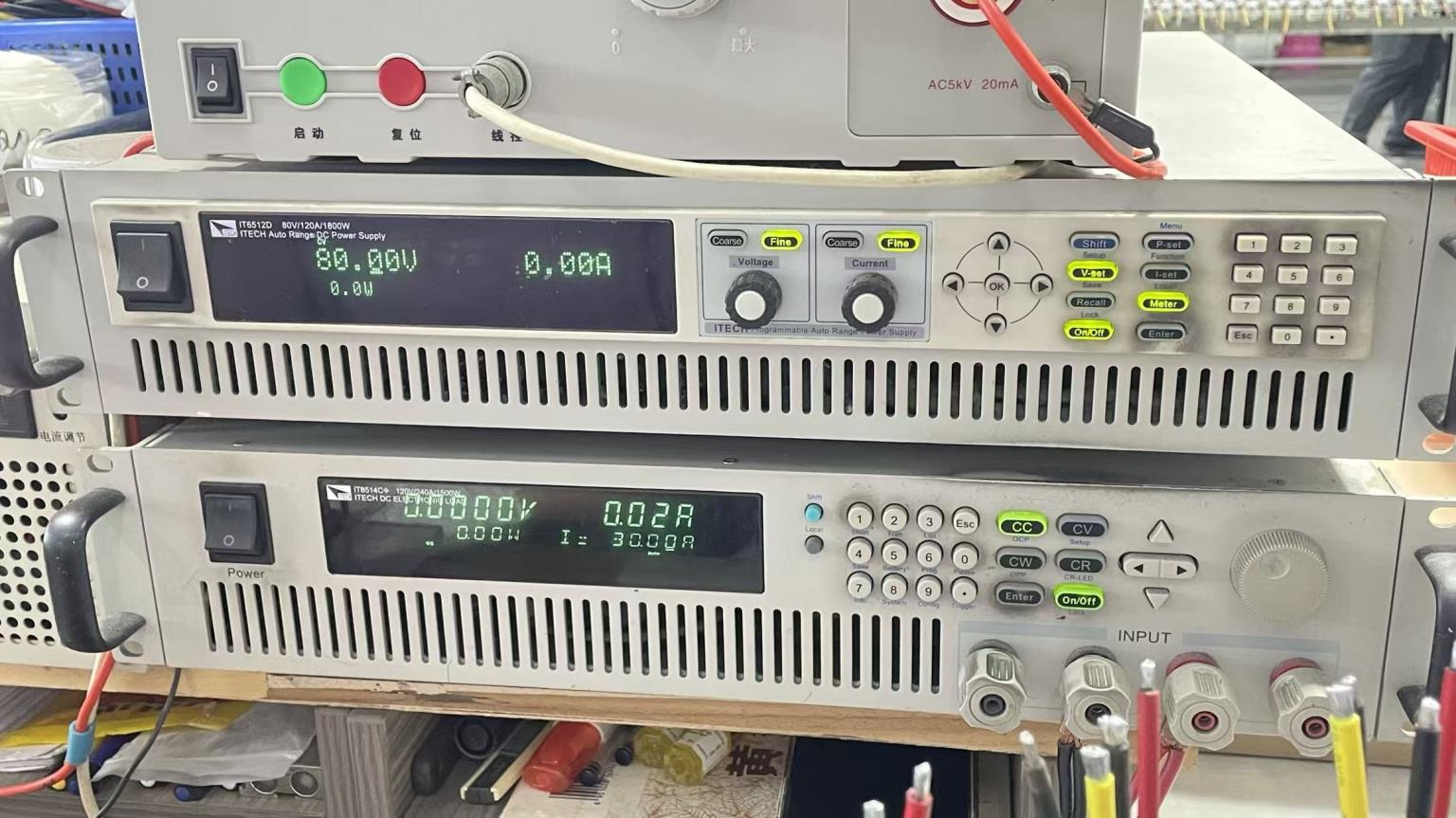 DC Power Supply Tester
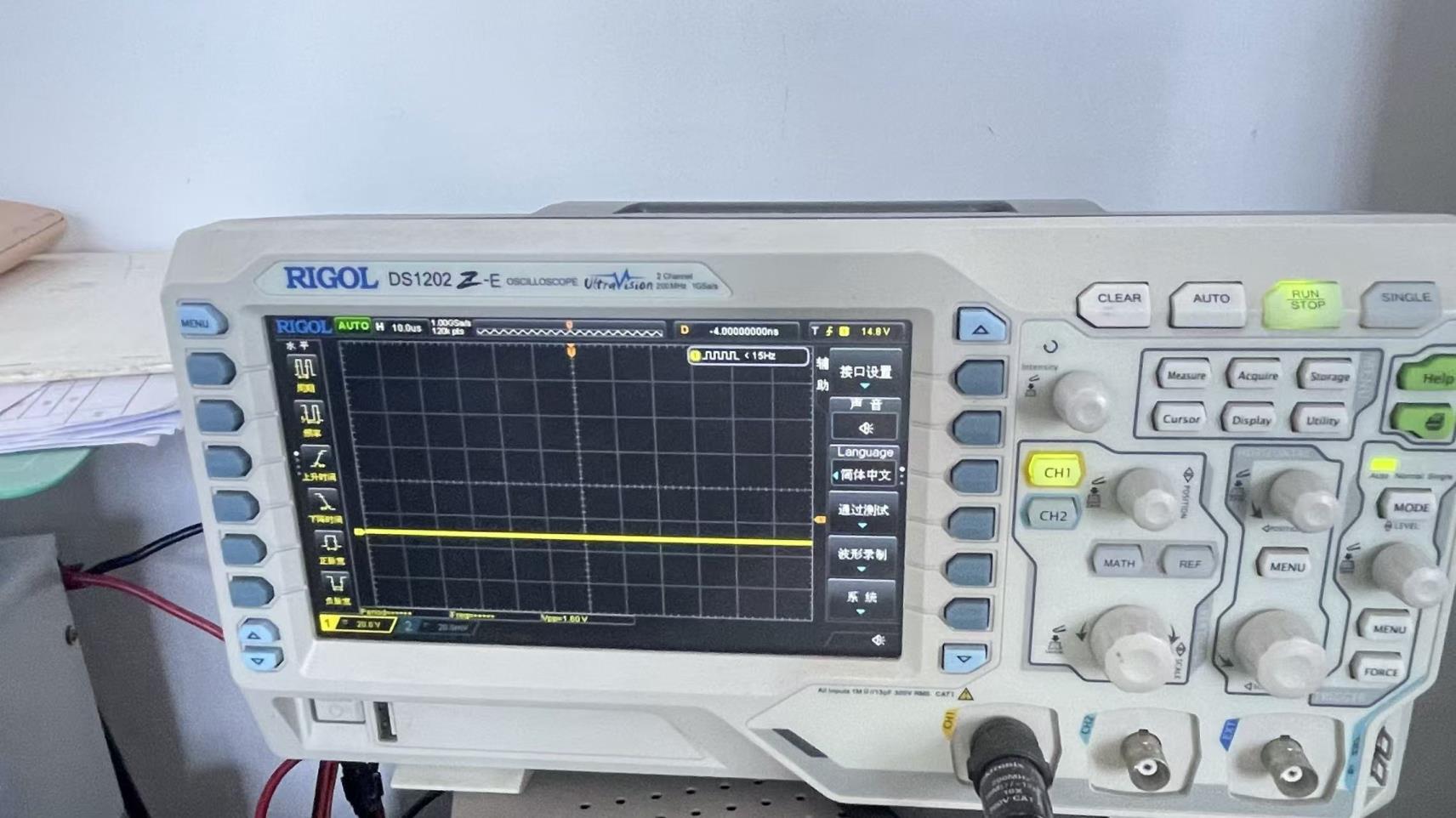 AC Withstand Voltage Tester
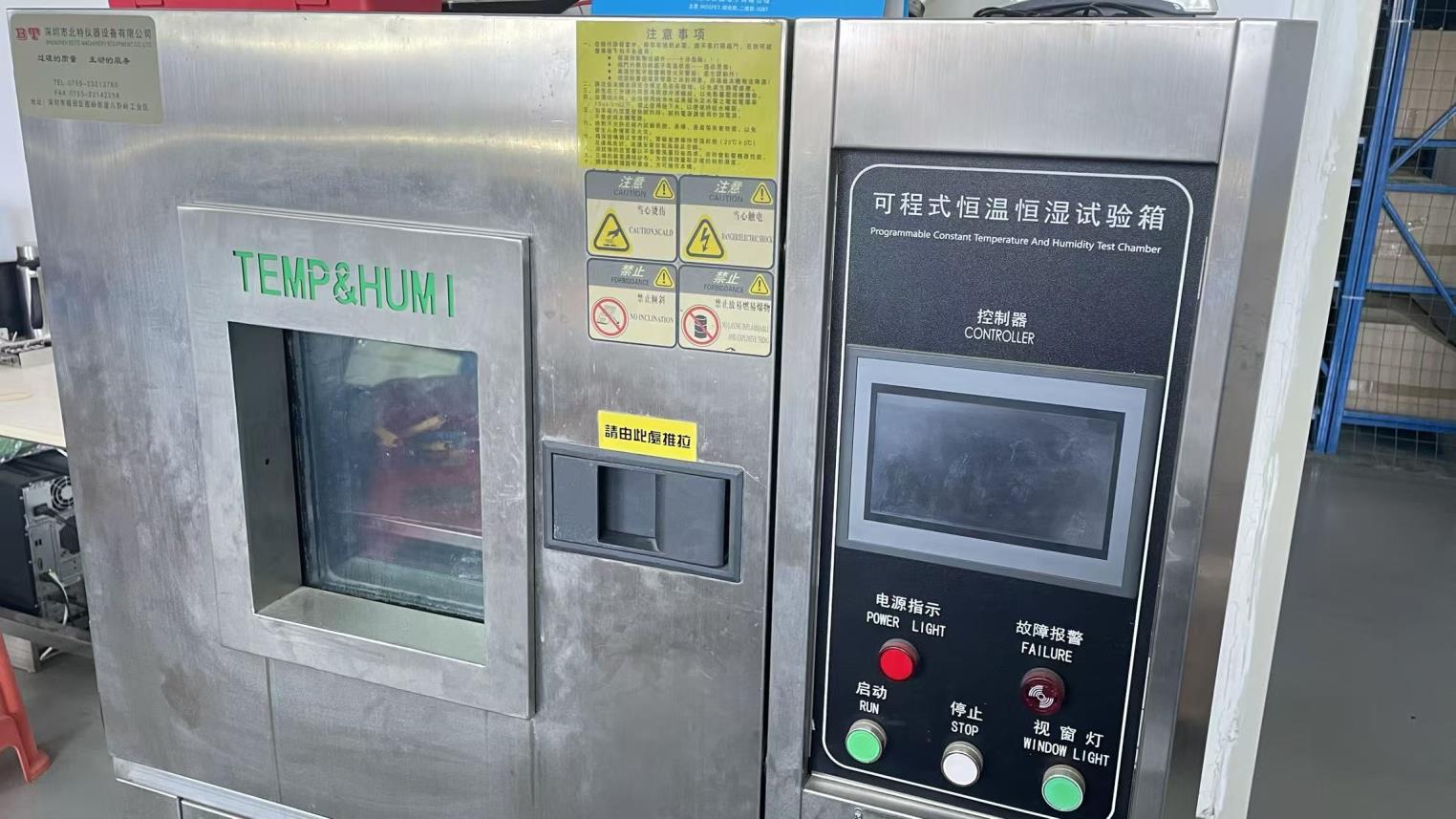 Constant temperature chamber
 Optical microscope
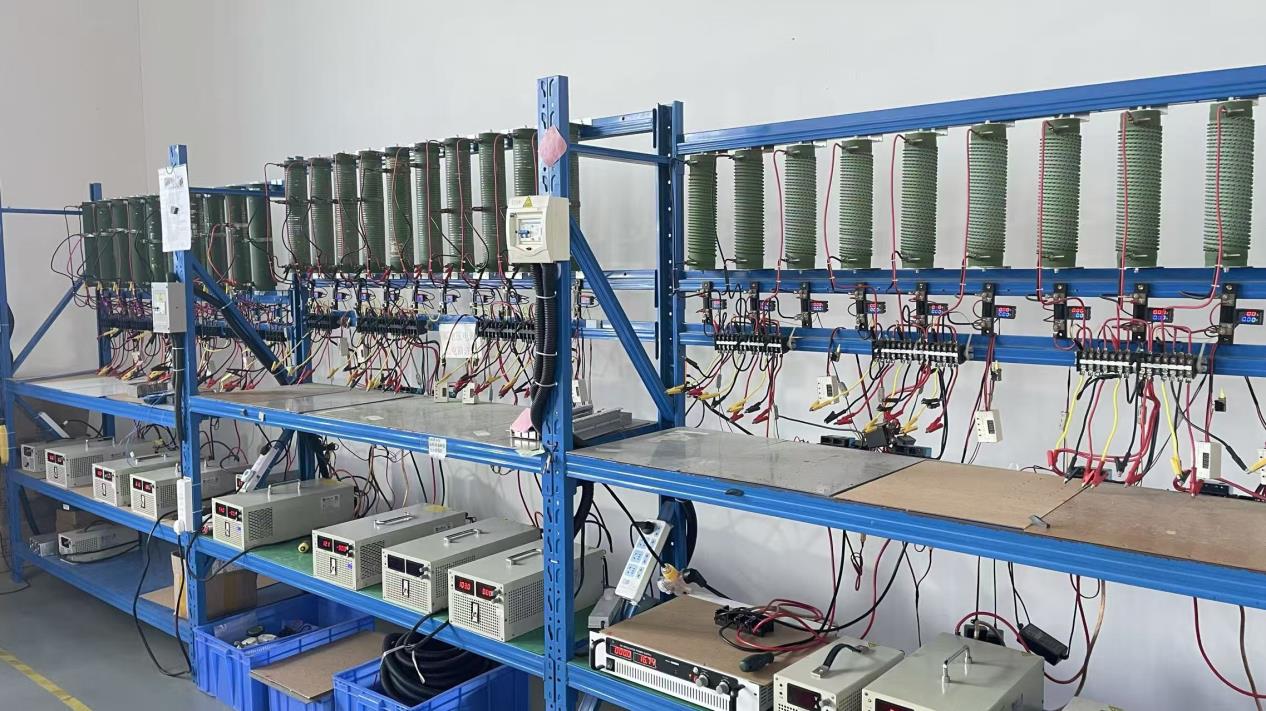 Aging test
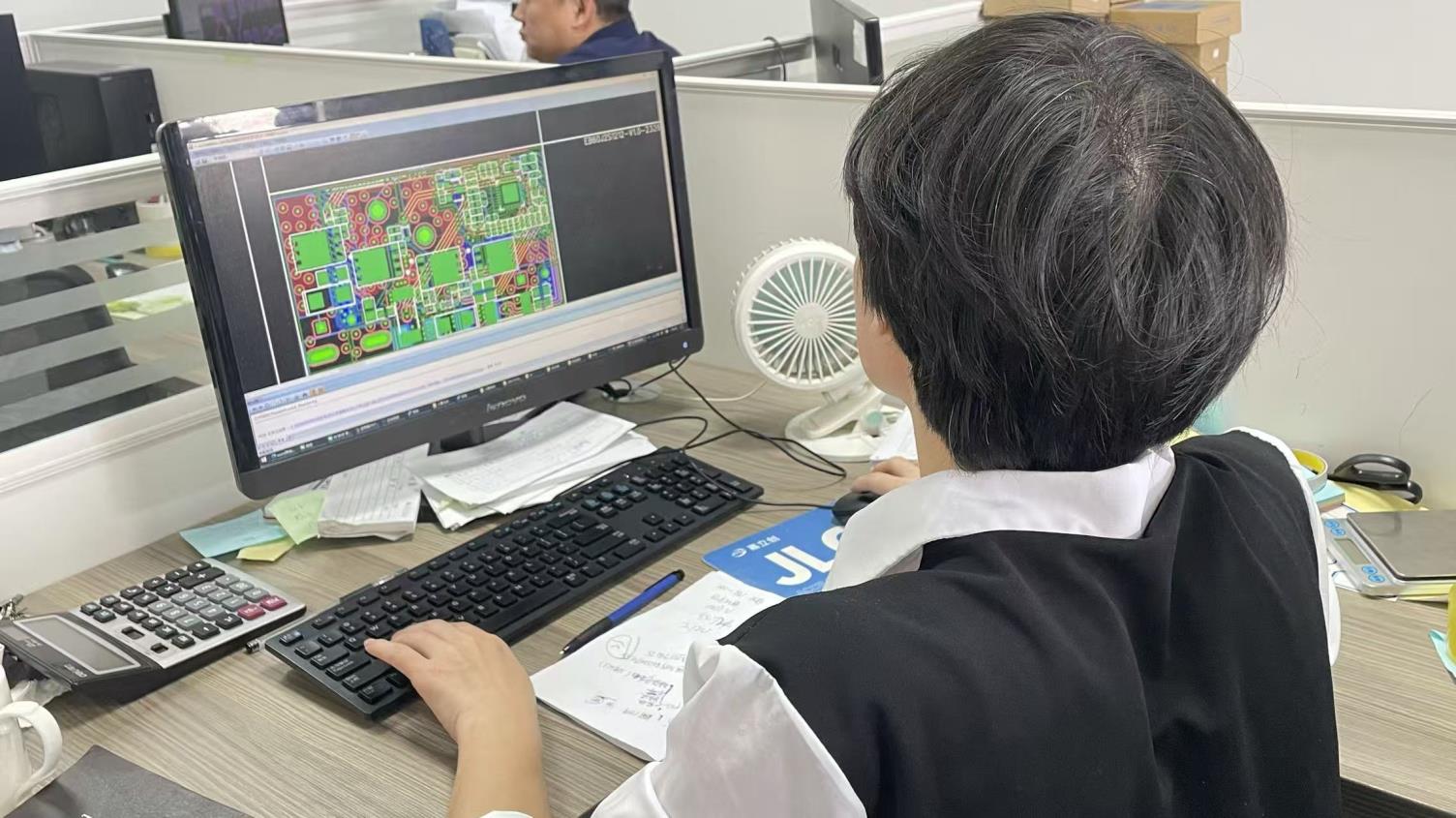 Design
High-power industrial systems are vulnerable to physical shocks, vibrations, and ambient moisture intrusion during transit. As leading suppliers, we utilize a multi-layered protective protocol designed for international shipping:
Sensitive semiconductor elements, high-voltage transformers, and digital micro-controllers are sealed in high-barrier anti-static film with engineered desiccant bags to prevent moisture damage and oxidation during oceanic transit.
Custom-cut polyolefin foam pads surround the chassis inside the inner carton, absorbing high-frequency transport vibrations that can weaken solder connections or displace internal sub-assemblies.
Units are packed in double-walled corrugated boxes and reinforced with external wooden frames. This external bracing keeps the load square, prevents impact damage, and permits safe vertical stacking.
Browse our high-capacity AC-DC regulated configurations, featuring digital telemetry displays, wide adjustable ranges, and rugged builds for demanding heavy industries.