Voltmat Power
Voltmat Power
Voltmat Power
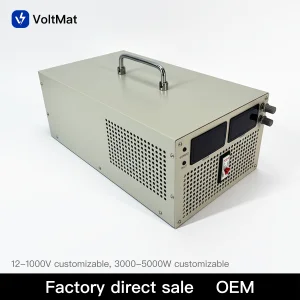
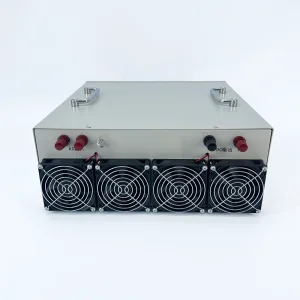
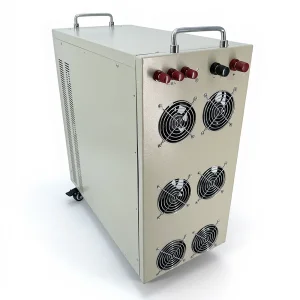
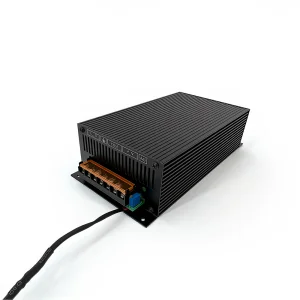
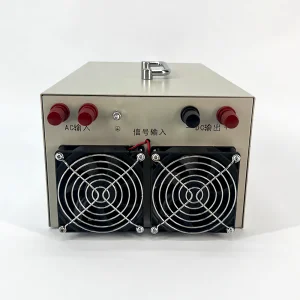
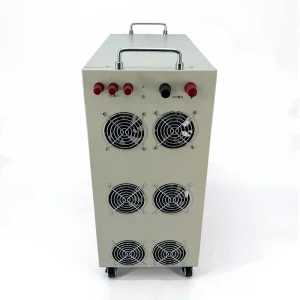
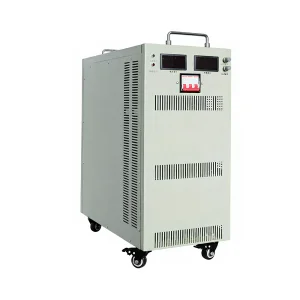
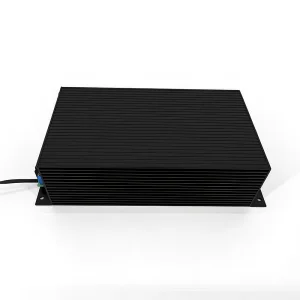
Engineered for absolute stability under fluctuating load and extreme grid conditions. Discover our primary range of regulated industrial switching supplies.
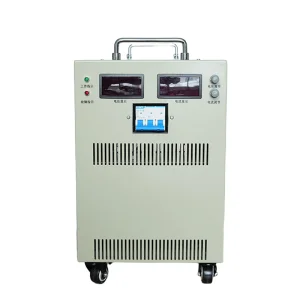
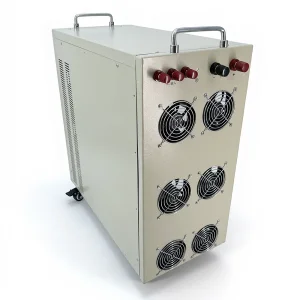
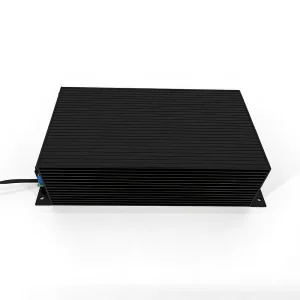
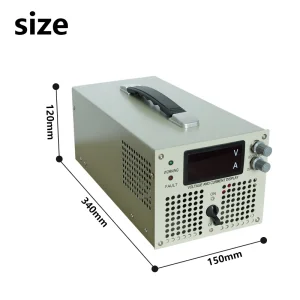
Addressing global voltage variance, grid transient anomalies, and high-capacity execution in heavy industry.
In modern manufacturing hubs and heavy industrial fields, electrical supply systems rarely provide a consistent, nominal voltage. Factors such as sag, surges, transient spikes, and brownouts caused by nearby high-draw inductive machinery regularly threaten delicate logic systems. Wide input range power supplies function as a structural shock absorber. Operating smoothly within a highly expanded input tolerance matrix (e.g., matching inputs from 88V up to 480V AC or vast DC voltage brackets), these systems maintain consistent downstream regulation without tripping protective interlocks or triggering safety shutdowns.
Our topological designs incorporate active Power Factor Correction (PFC) stages running concurrently with soft-switching architectures. By keeping conversion efficiency between 88% and 89%, internal component stress is significantly lowered. This reduction in operating heat mitigates thermal runaway issues, even under full-load operation in challenging thermal environments.
Why engineering departments and global purchasing groups select Shanghai's primary power engineering standard.
Exporters shipping equipment globally face challenges from regional voltage standards (100V, 120V, 220V, 240V, 380V, 480V). Employing wide-input SMPS modules allows manufacturers to standardize on a single internal power supply layout. This simplifies system design, reduces bill-of-materials (BOM) complexity, and streamlines regulatory compliance testing across different target markets.
Operating at high conversion efficiency levels (up to 89%) reduces lost energy in the form of heat. This efficiency lessens cooling requirements and thermal strain on adjacent electronics. Over the service life of a 24kW system, this efficiency improvement results in energy savings and longer service intervals, helping to prevent unscheduled plant downtime.
Whether driving highly reactive inductive coils, servo motors, or precision electrolysis chambers, load demands can shift rapidly. Dynamic loop feedback systems keep transient output voltage deviations within tight parameters. The response recovery time typically measures in microseconds, protecting sensitive microprocessors from voltage drops.
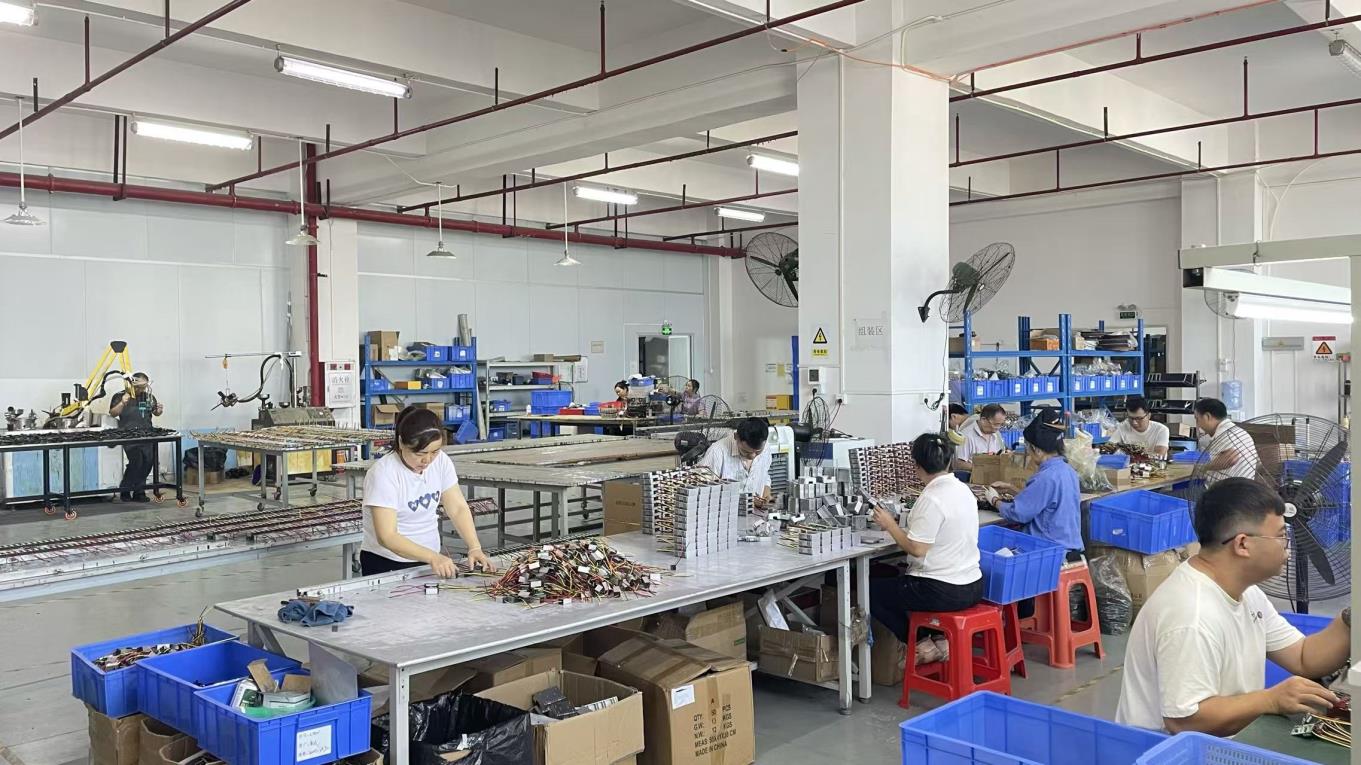
Our Shanghai headquarters supports a 10,000 m² factory floor, specializing in regulated, high-power systems for over 15 years.
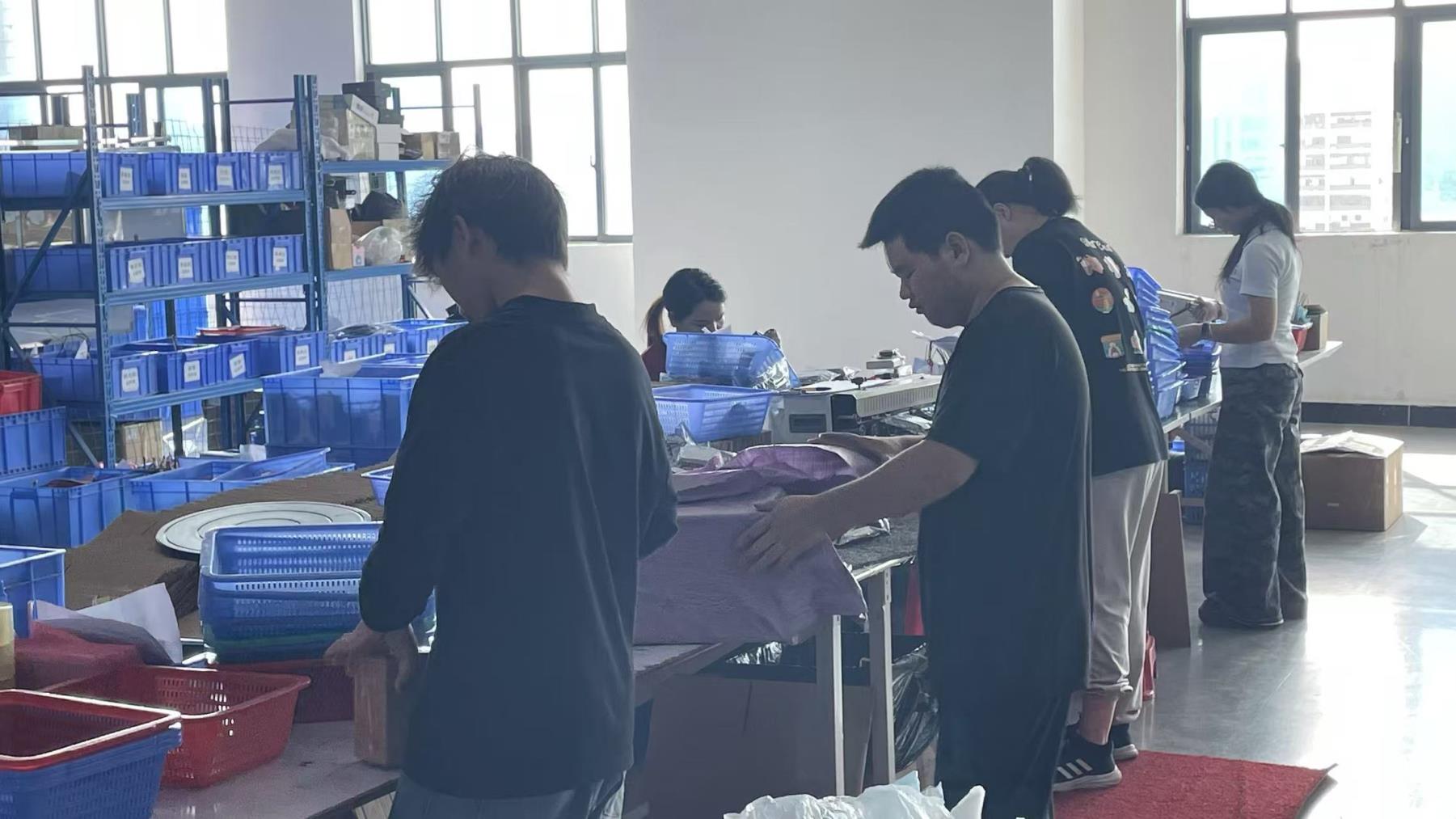
Industrial electronics are vulnerable to environmental conditions during transport. To address this risk, all shipments undergo a multi-layered protective packaging process to ensure they arrive ready for integration:
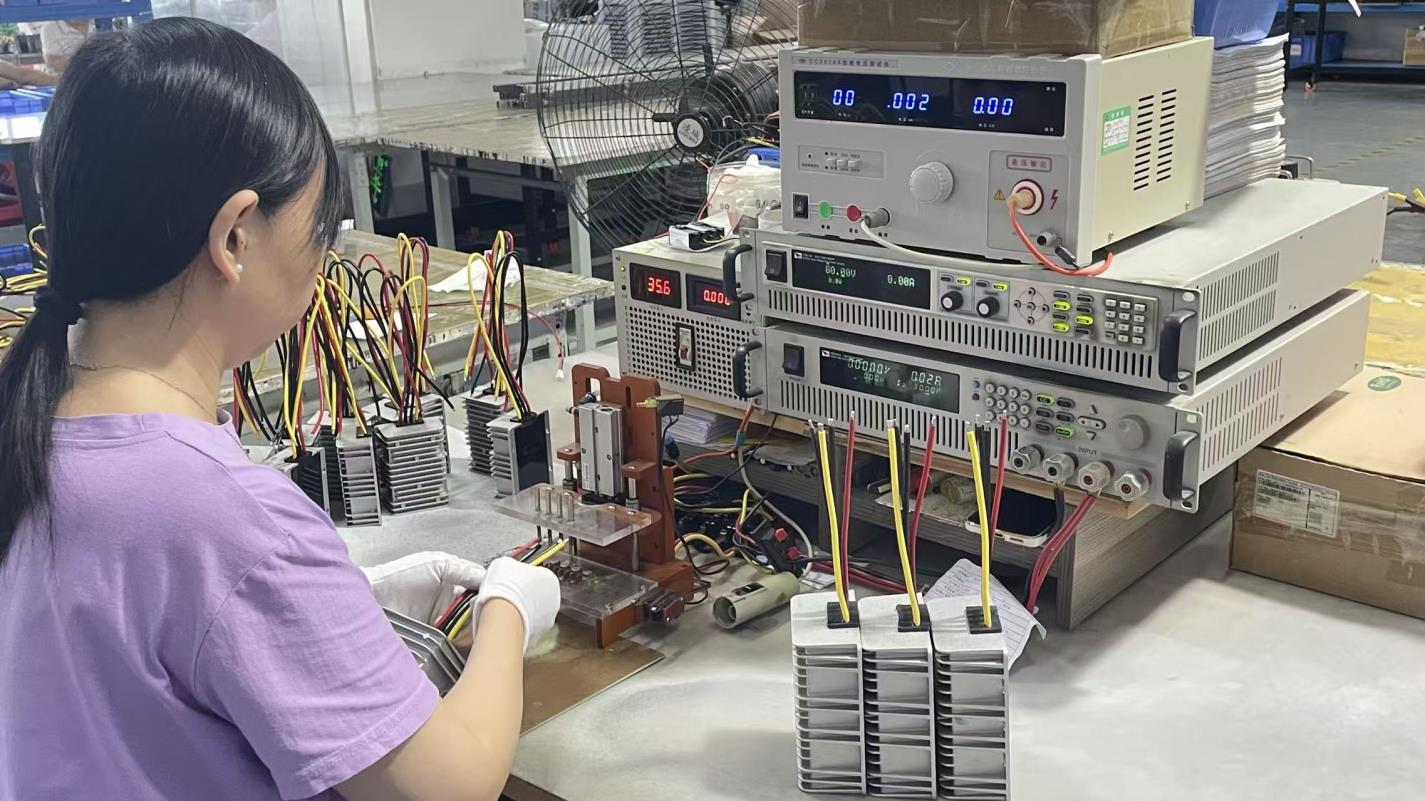
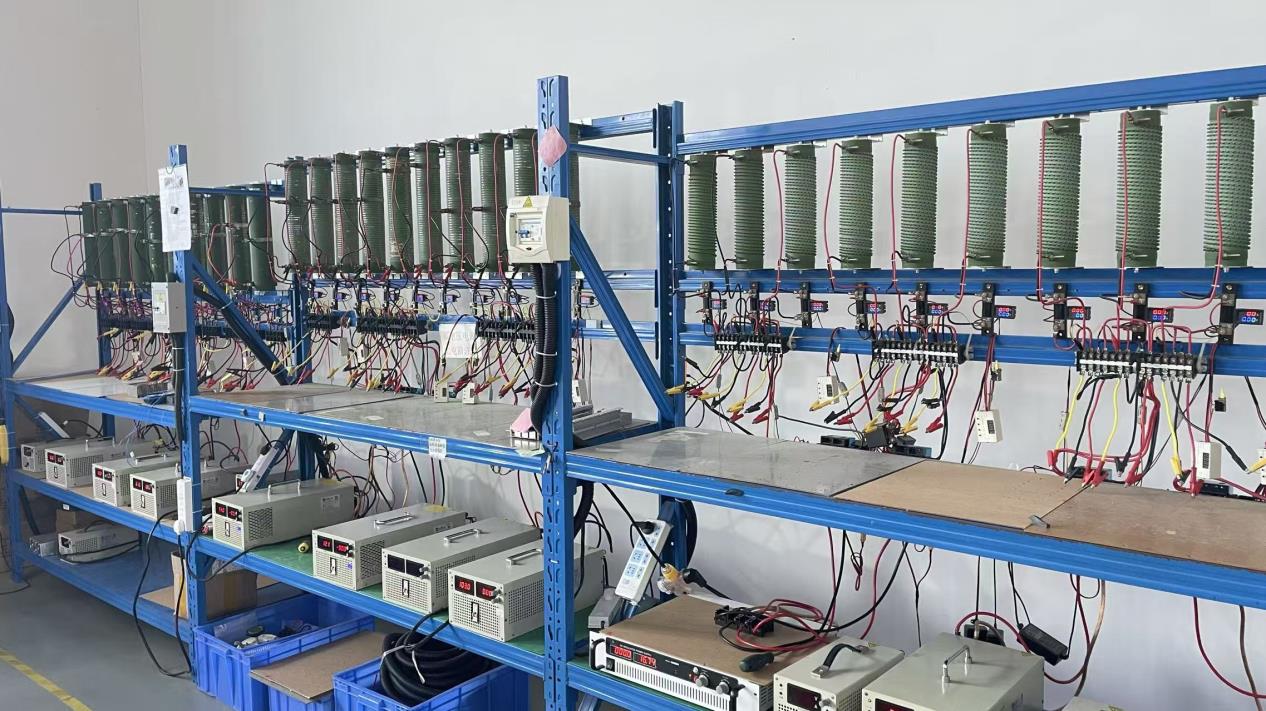
Before leaving the factory, every unit undergoes two full rounds of quality control: an automated diagnostic check and a manual engineer assessment. Testing procedures include thermal stress analysis in environmental test chambers, high-voltage insulation tests, and extended burn-in periods under simulated maximum loads. This testing process ensures the final qualification rate meets our 99.9% target standard.
Visual overview of our component preparation, automated assembly lines, and regulatory testing labs in Shanghai.




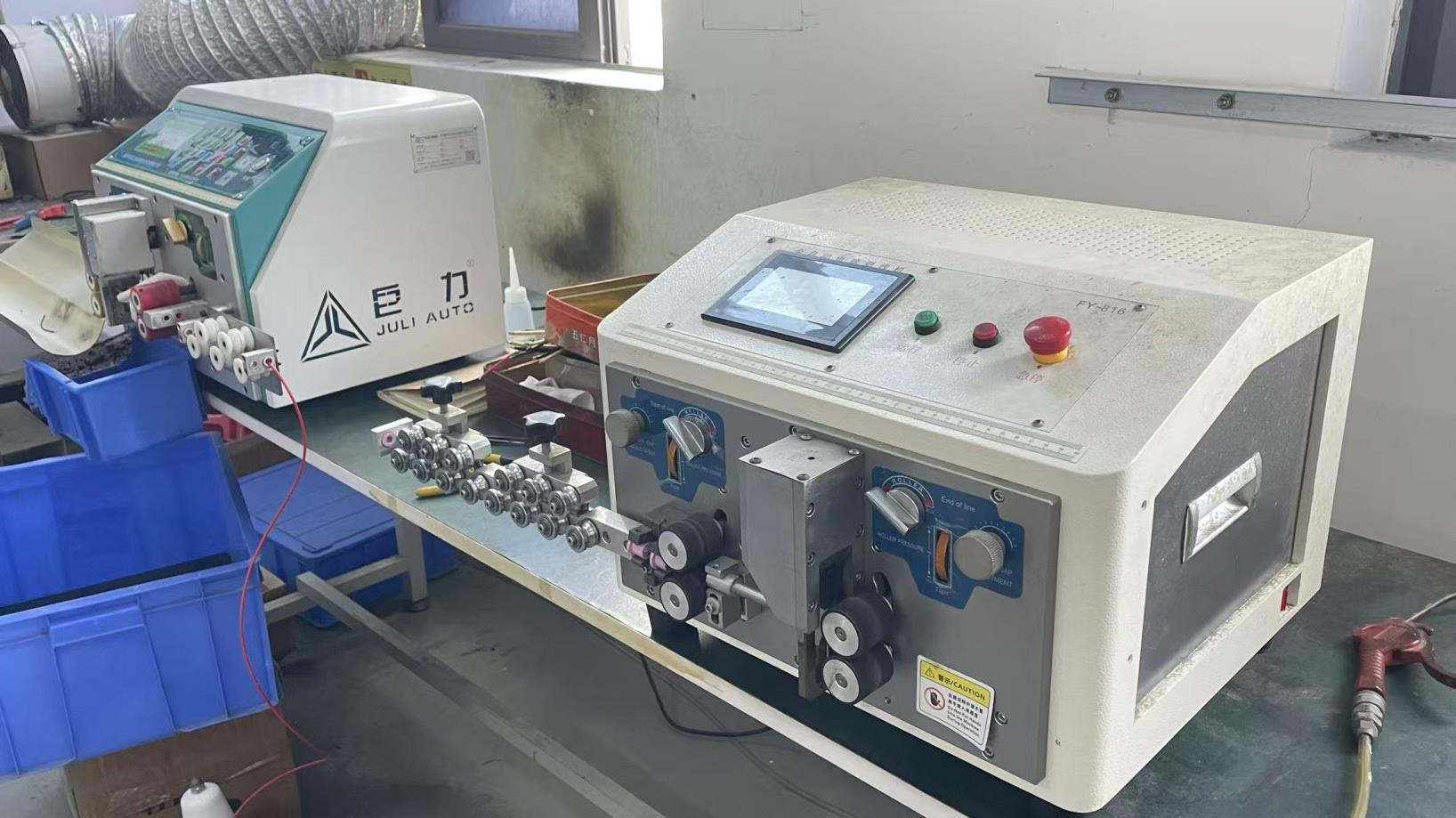

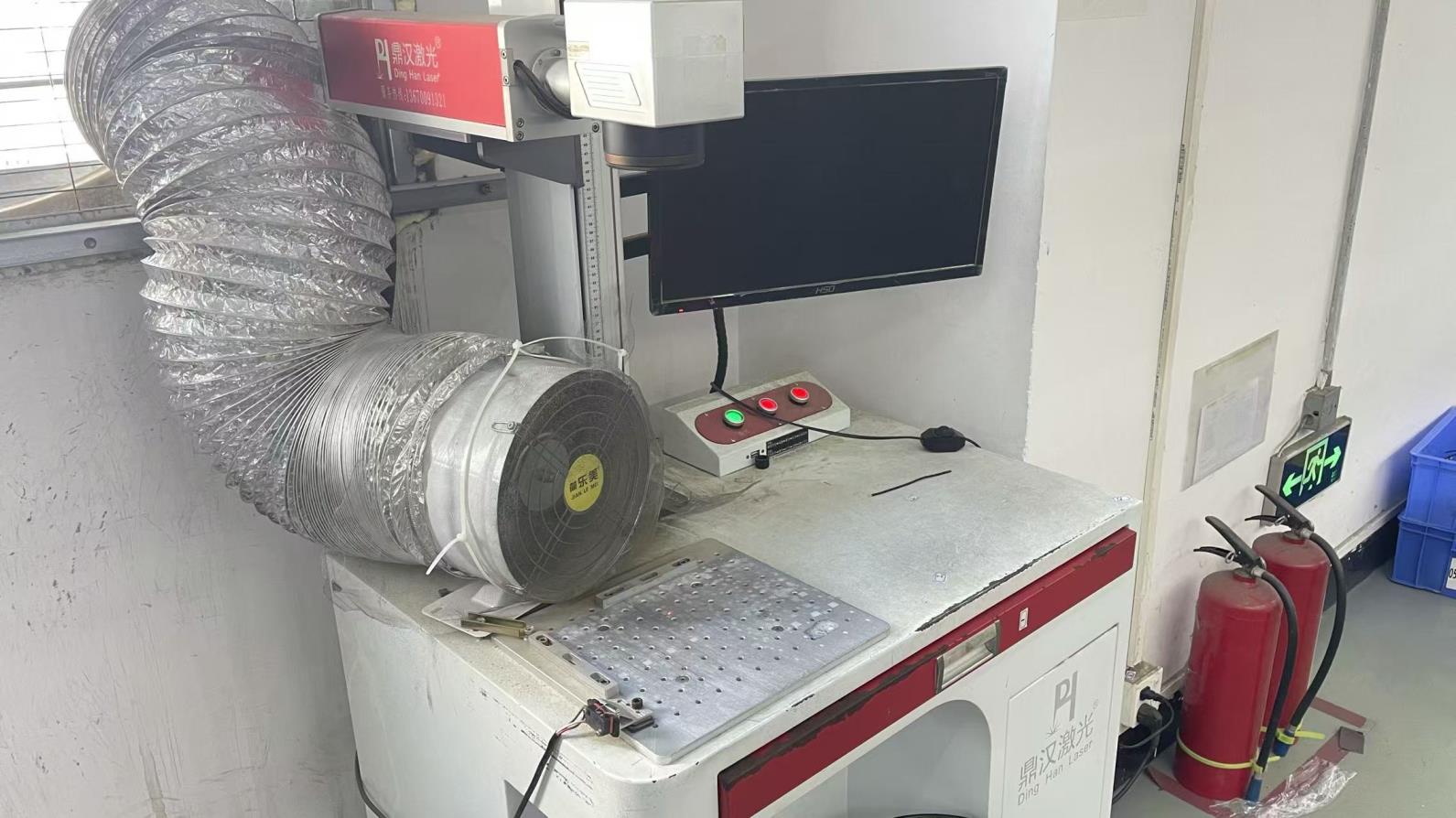
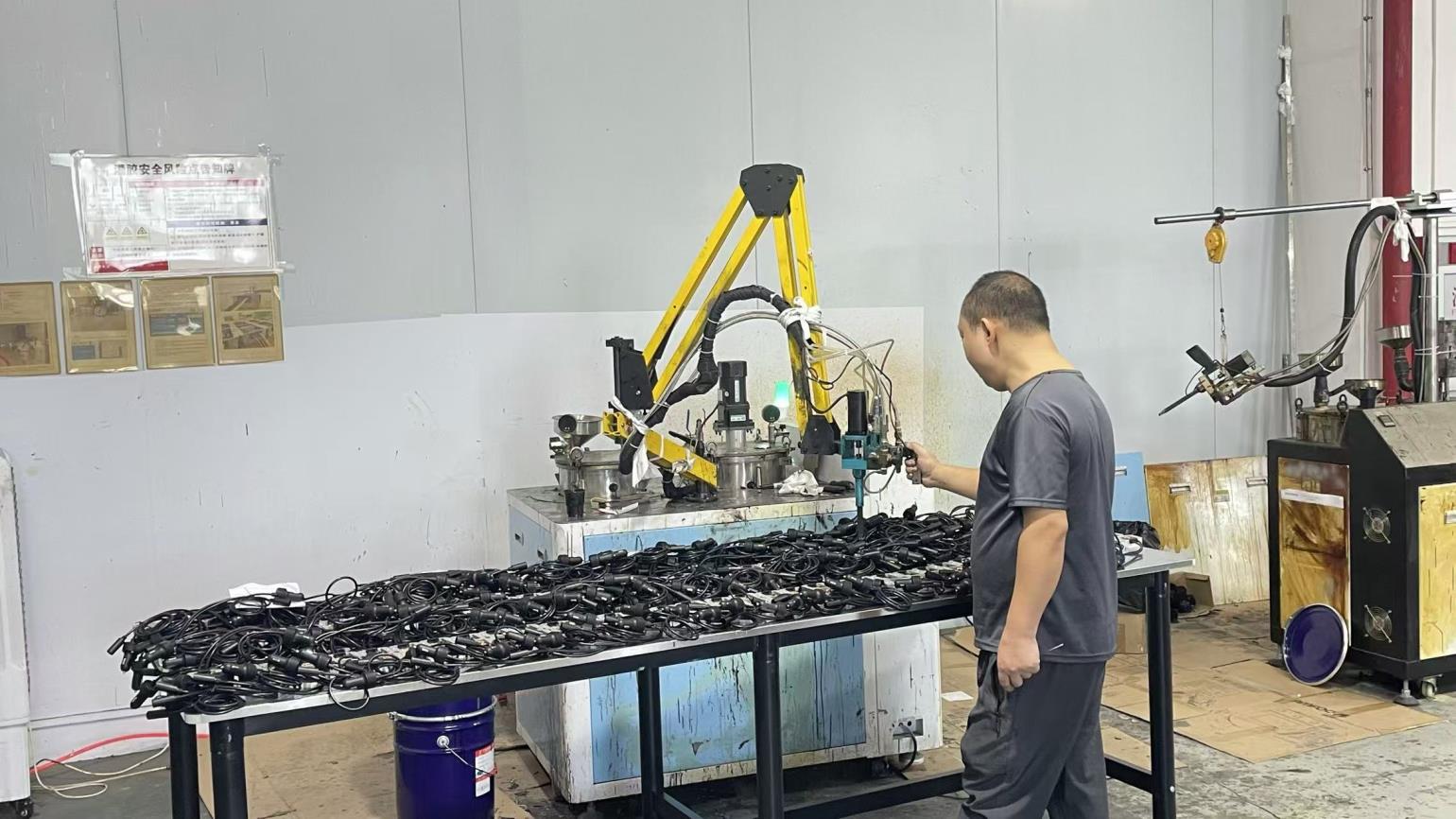

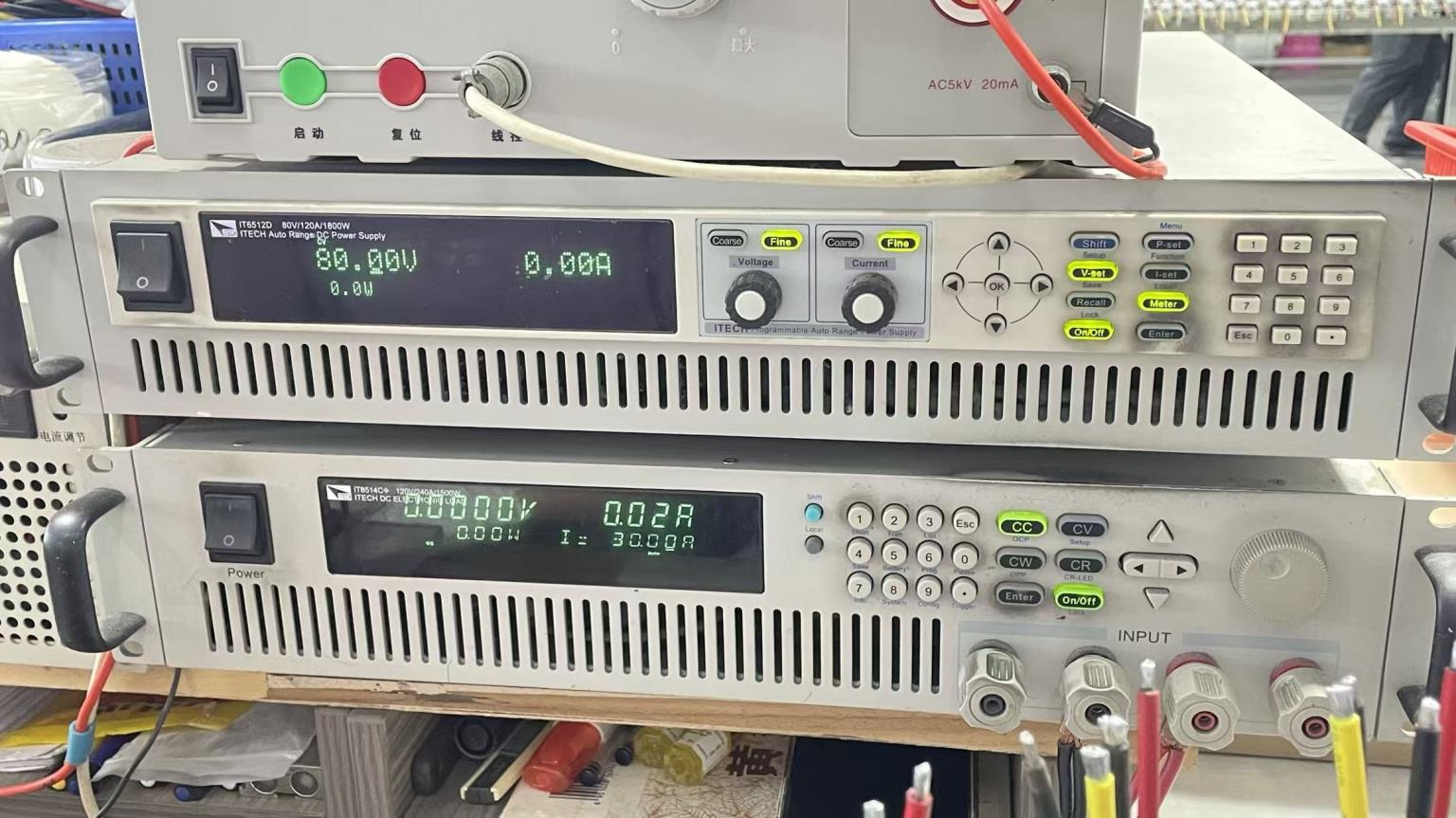
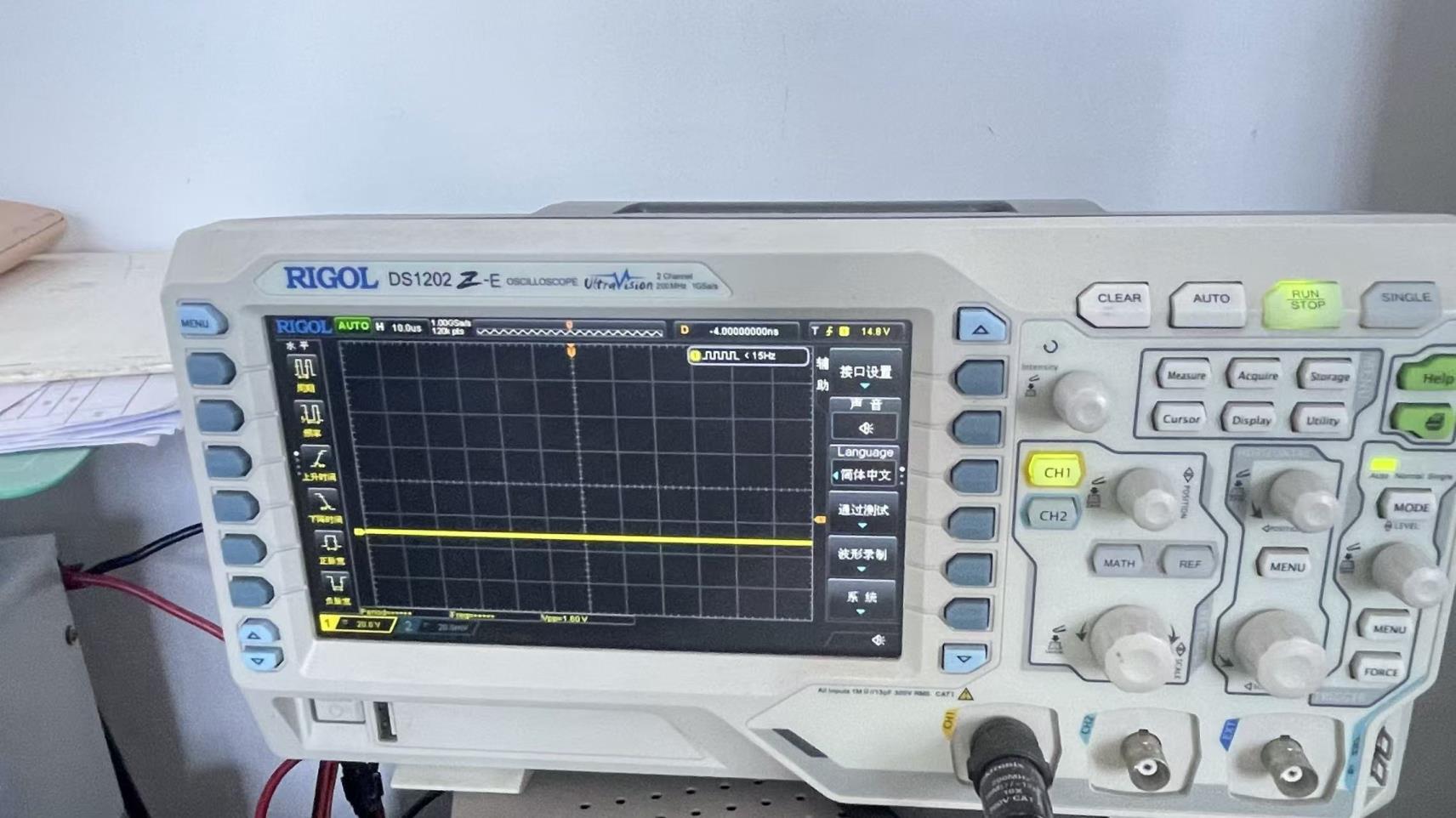
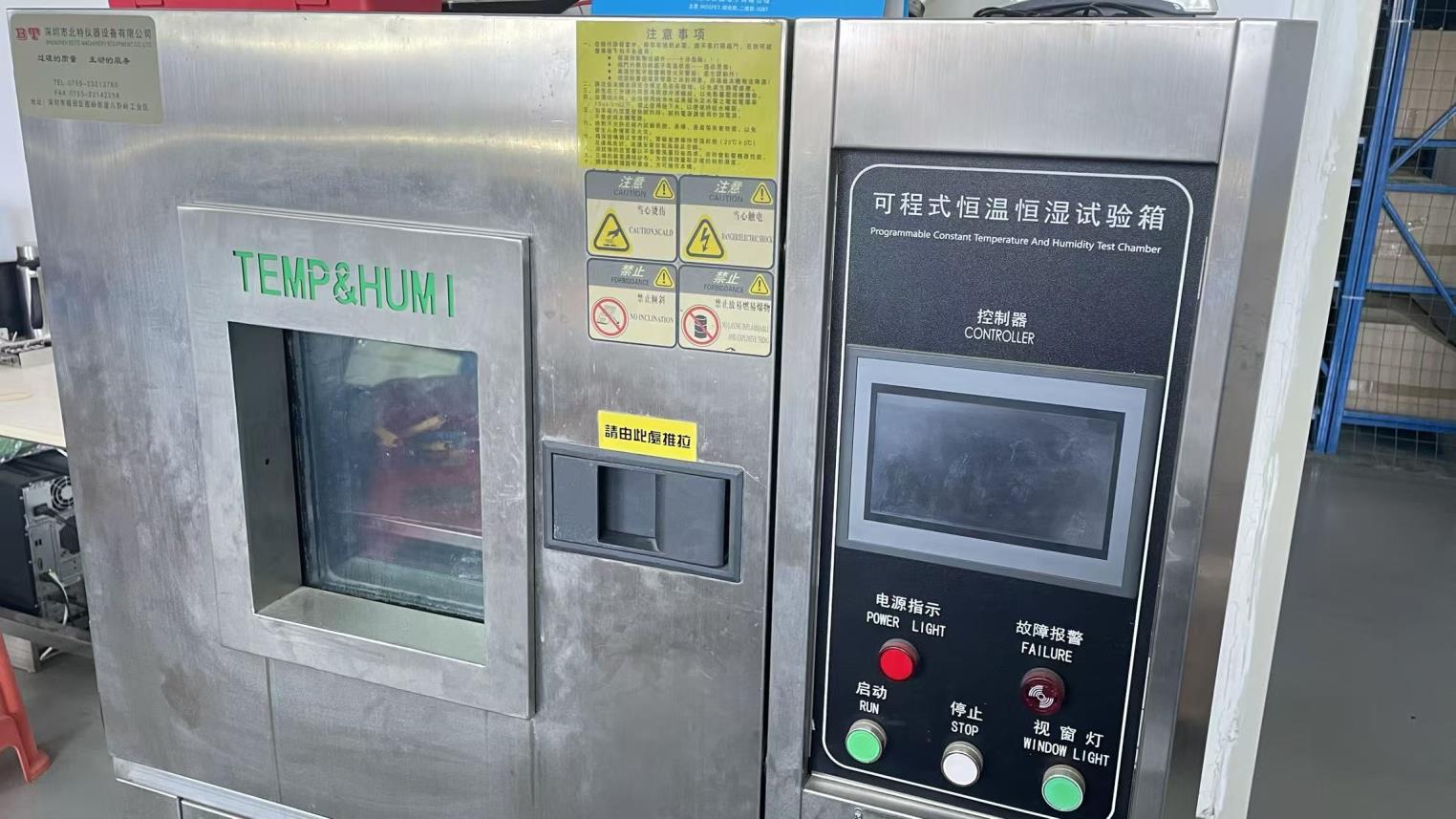

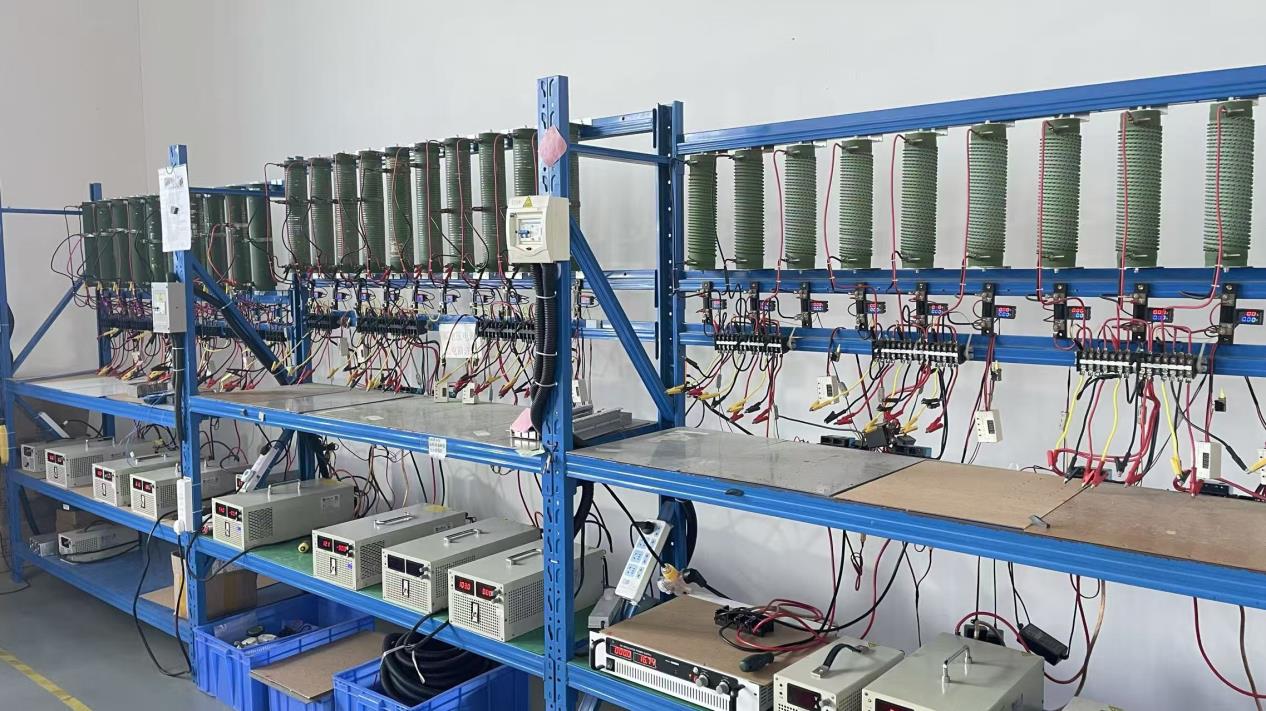

Our ongoing R&D initiatives focus on efficiency improvements, power density, and smart diagnostics.
Transitioning switching systems to Wide Bandgap (WBG) semiconductors to reduce switching losses, shrink component sizes, and target efficiency levels above 94%.
Replacing analog feedback control with digital signal processing to allow real-time adjustments and firmware configuration options for complex load profiles.
Integrating Modbus, CAN-bus, and Ethernet telemetry protocols into our power modules, enabling remote status monitoring and predictive maintenance modeling.
Upgrading manufacturing processes to align with global environmental requirements, reducing standby power consumption, and using fully recyclable packaging materials.
Key information for system designers, procurement specialists, and engineering leads.
Explore our technical catalog for heavy-duty manufacturing, automated process control, and laboratory test setups.