Voltmat Power
Voltmat Power
Voltmat Power
Engineered for high safety margins, extreme voltage regulation, and robust thermal management in mission-critical manufacturing and system integration.
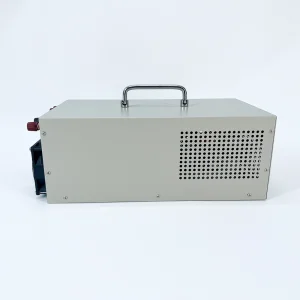
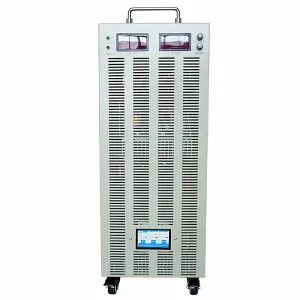
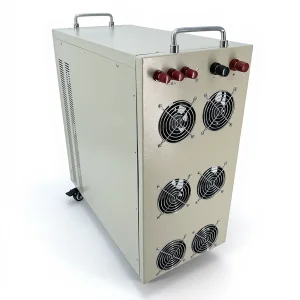
Analyzing the evolution of distributed DC grids, efficiency thresholds, and regulatory landscapes for smart factories globally.
As global industrial frameworks advance towards Industry 4.0 automation, the demand for highly reliable, space-optimized, and energy-dense power conversion systems is escalating. Embedded power supplies serve as the vital sensory-and-actuator foundation of modern industrial enclosures, robotic units, and data infrastructures.
Today's power distribution topologies are transitioning from simple central transformers to highly complex, decentralized DC grids. This architectural evolution aims to lower transmission line losses, implement localized fault isolation, and seamlessly support microgrids integrated with renewable sources. However, shifting to high-voltage, high-current sub-modules introduces critical engineering challenges. Designers must balance high-efficiency power factors, complex electromagnetic interference (EMI) profiles, and demanding thermal dissipation constraints within compact, embedded footprints.
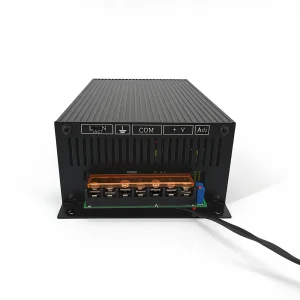
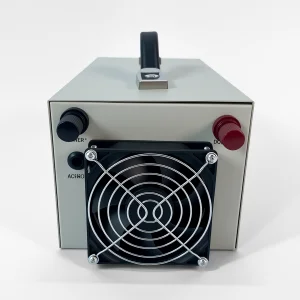
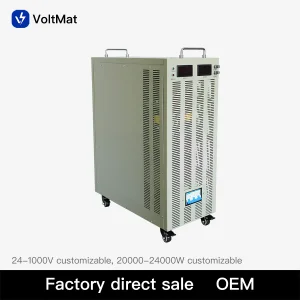
Our production unit in Shanghai targets these specific pain points by engineering switching power systems ranging from 400W up to 40,000W. Incorporating active power factor correction (PFC) circuitry and advanced phase-shifted full-bridge topologies, our hardware ensures stable, high-voltage output profiles (from 24V up to 1000V) with minimal harmonic back-feeding to the primary line. This degree of power quality is no longer just optional—it is a baseline compliance metric for modern factories seeking to maximize operational uptime.
Enabling reliable power transformation across EV infrastructure, green hydrogen production, advanced metallurgy, and remote automation sectors.
Providing continuous, low-ripple high current DC power to industrial plating, metal anodizing, and water electrolysis processes to ensure uniform chemical deposition and high output yield.
Delivering programmable, wide-range adjustable DC power (up to 1000V) optimized for cycle-testing traction batteries, automotive inverters, and high-voltage DC-DC on-board converters.
Supporting high stability voltage controls for physical vapor deposition (PVD), chemical vapor deposition (CVD), and automated etching equipment requiring fast arc-response times.
Providing clean 115V AC / 400Hz frequency converter simulation setups, combined with robust, regulated DC power backends for aerospace validation rigs and communication centers.
Custom embedded sub-rack modules configured for standard rackmount integration, designed to power robotic assembly lines, high-power conveyor drives, and automated warehouse sortation networks under continuous operation.
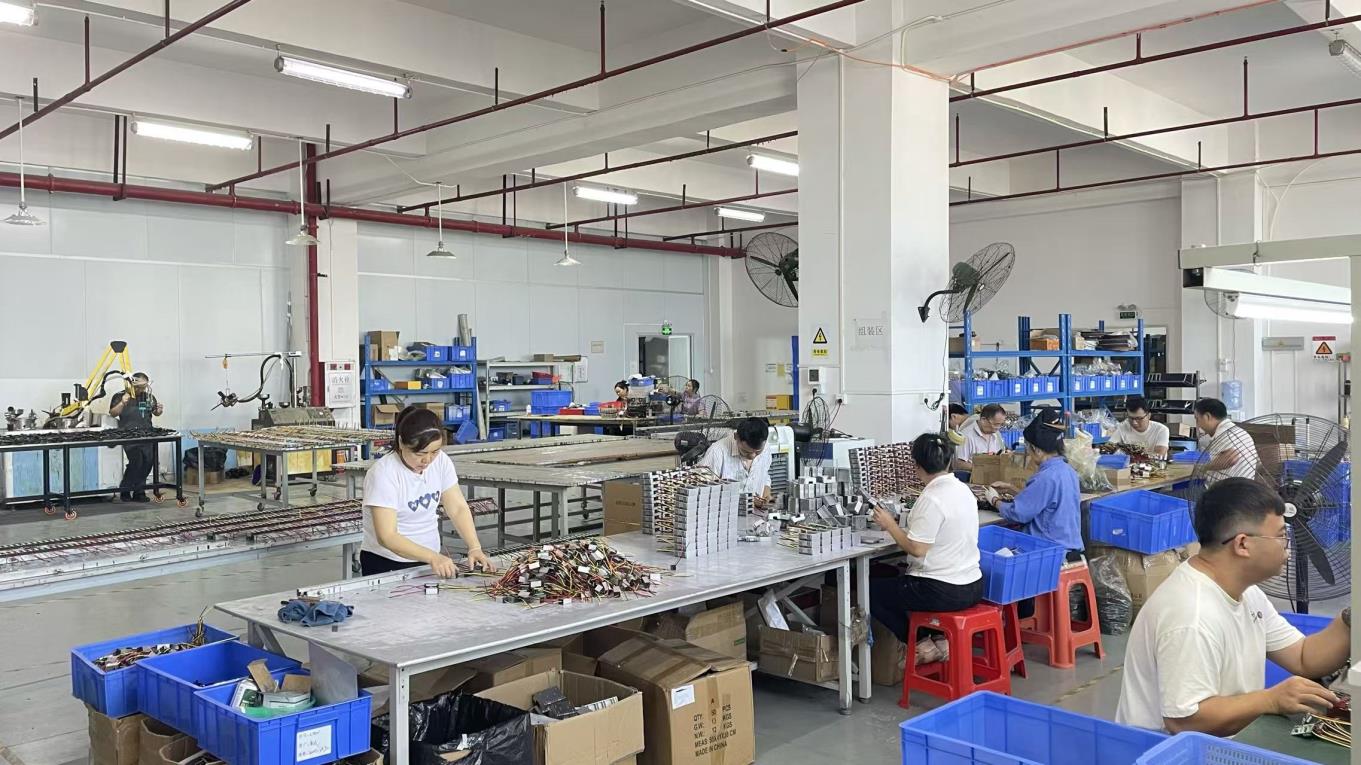
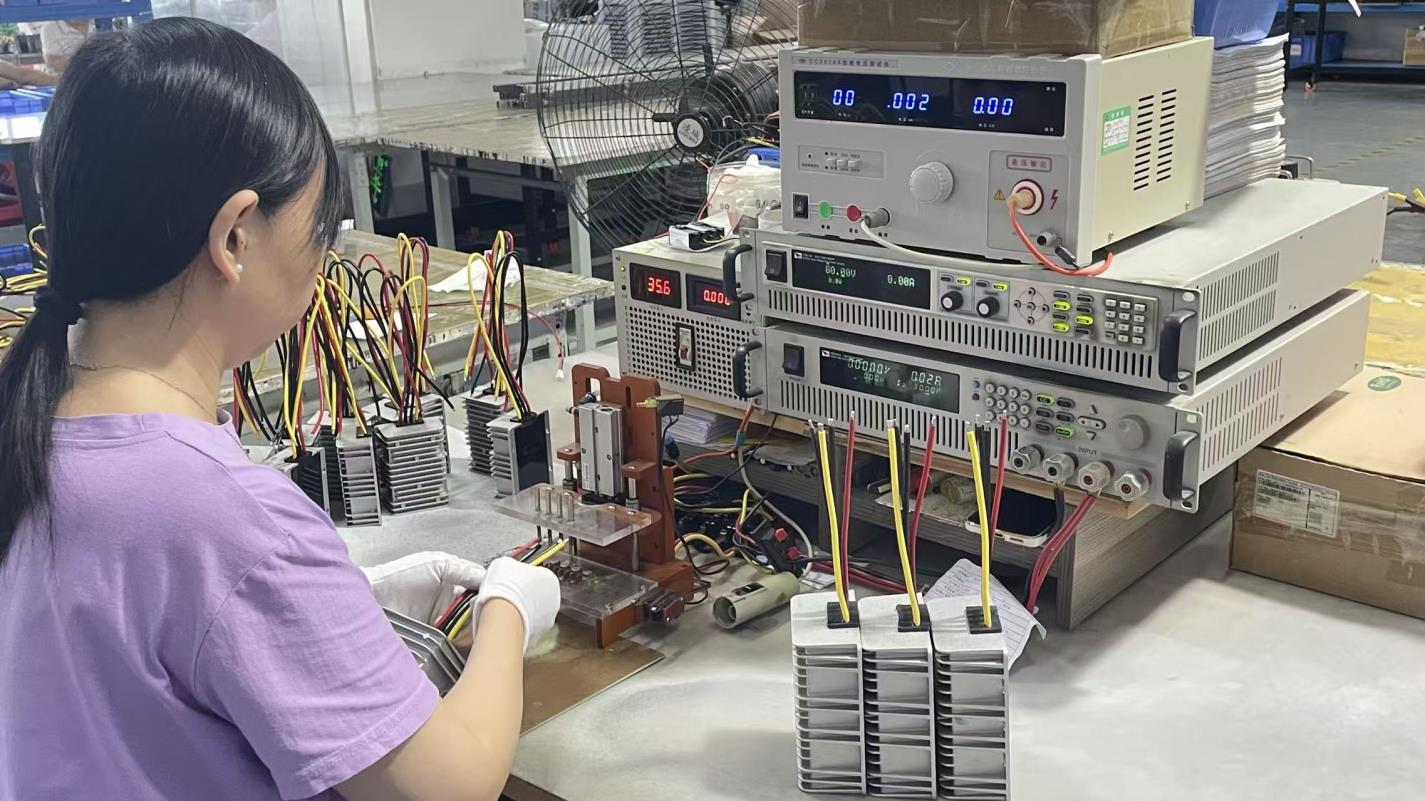
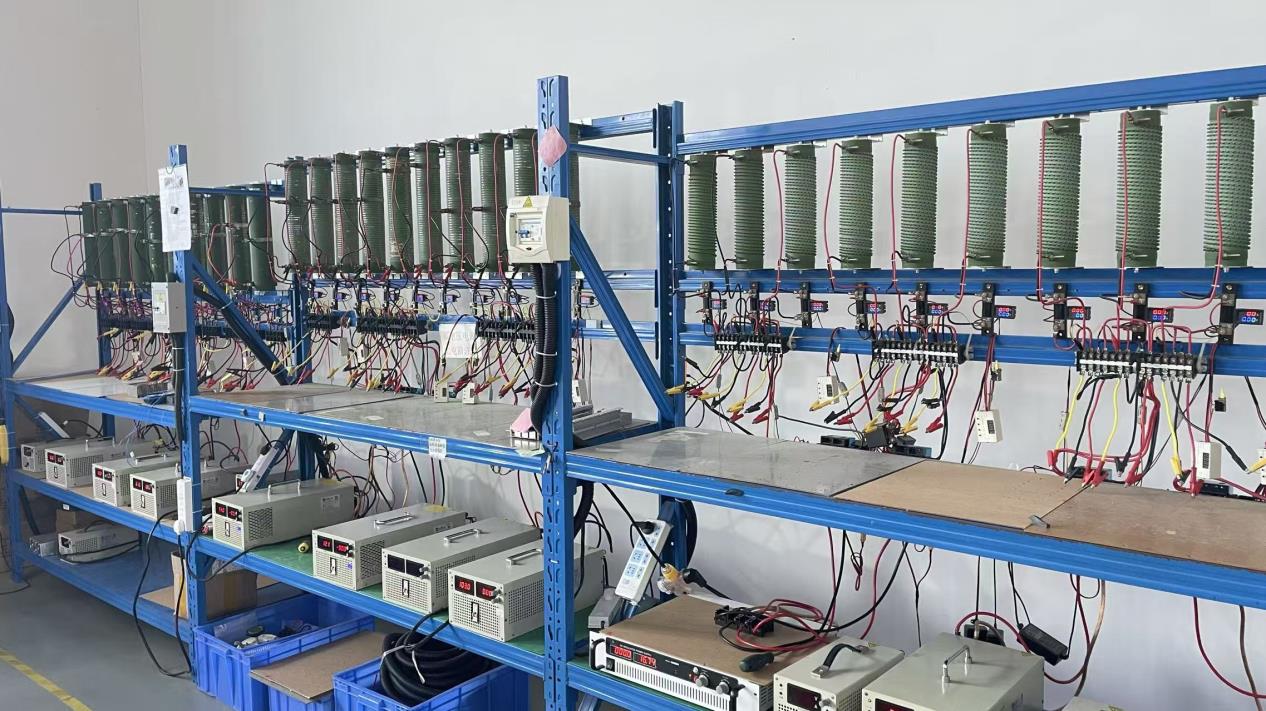
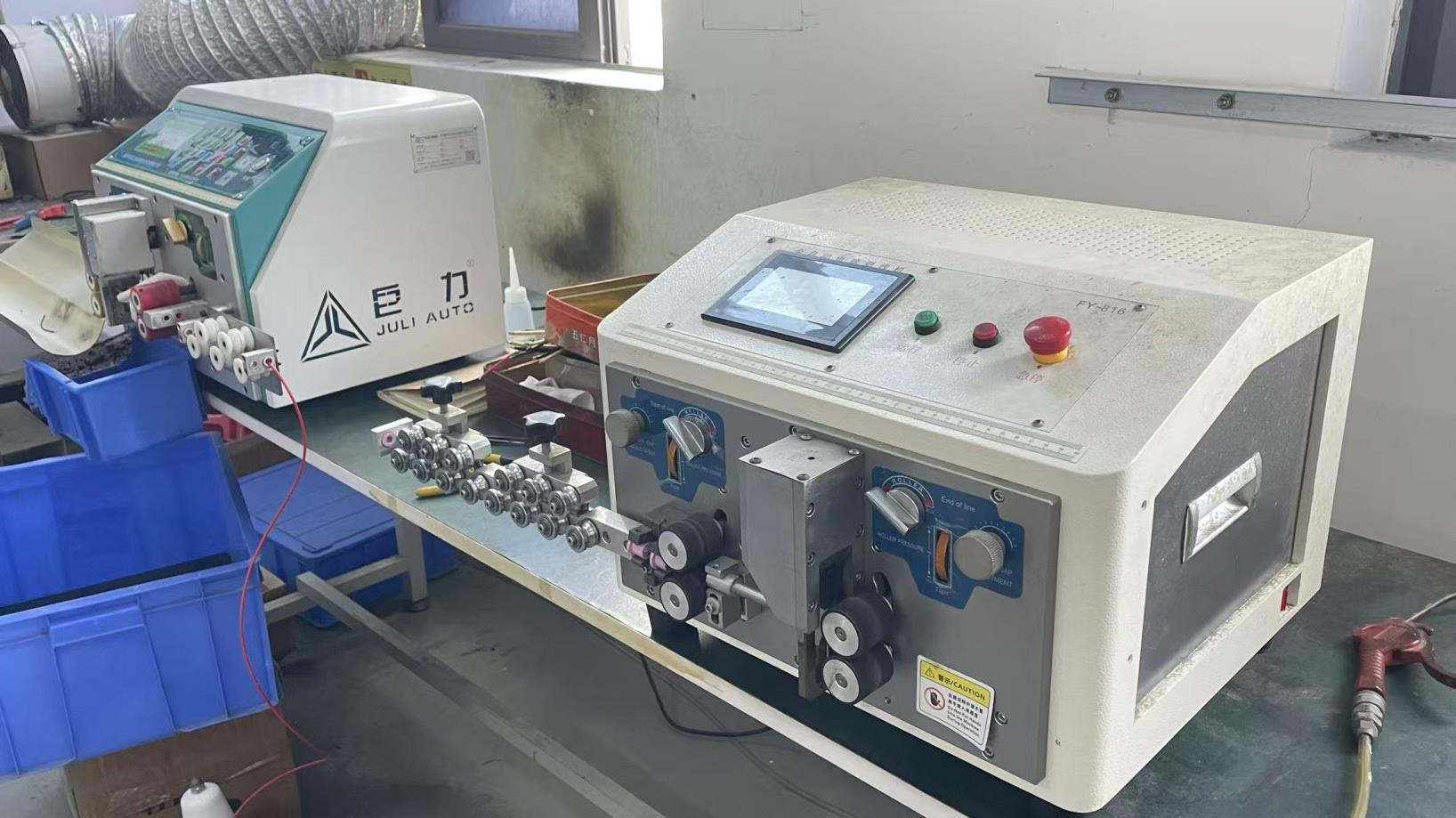
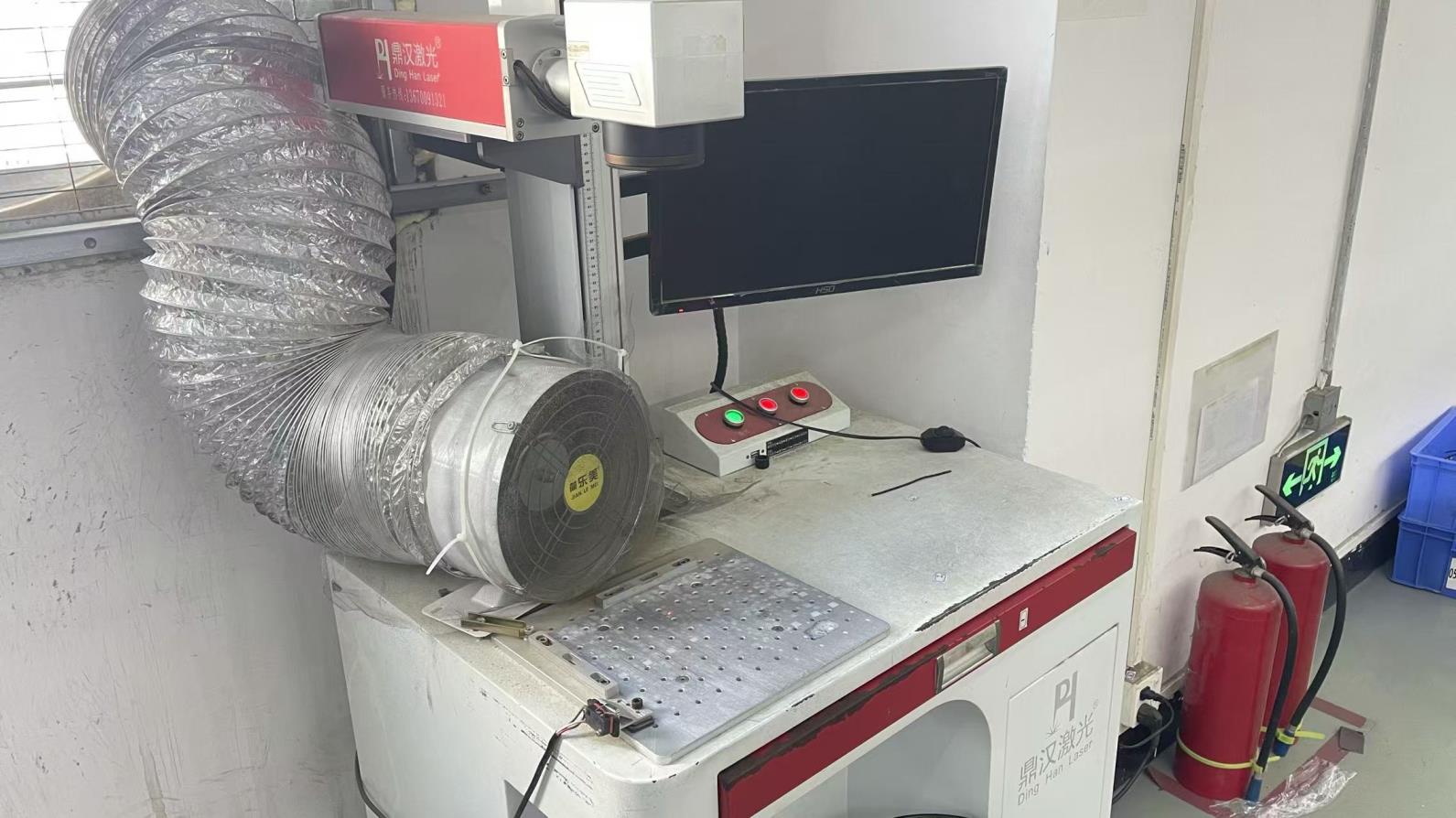
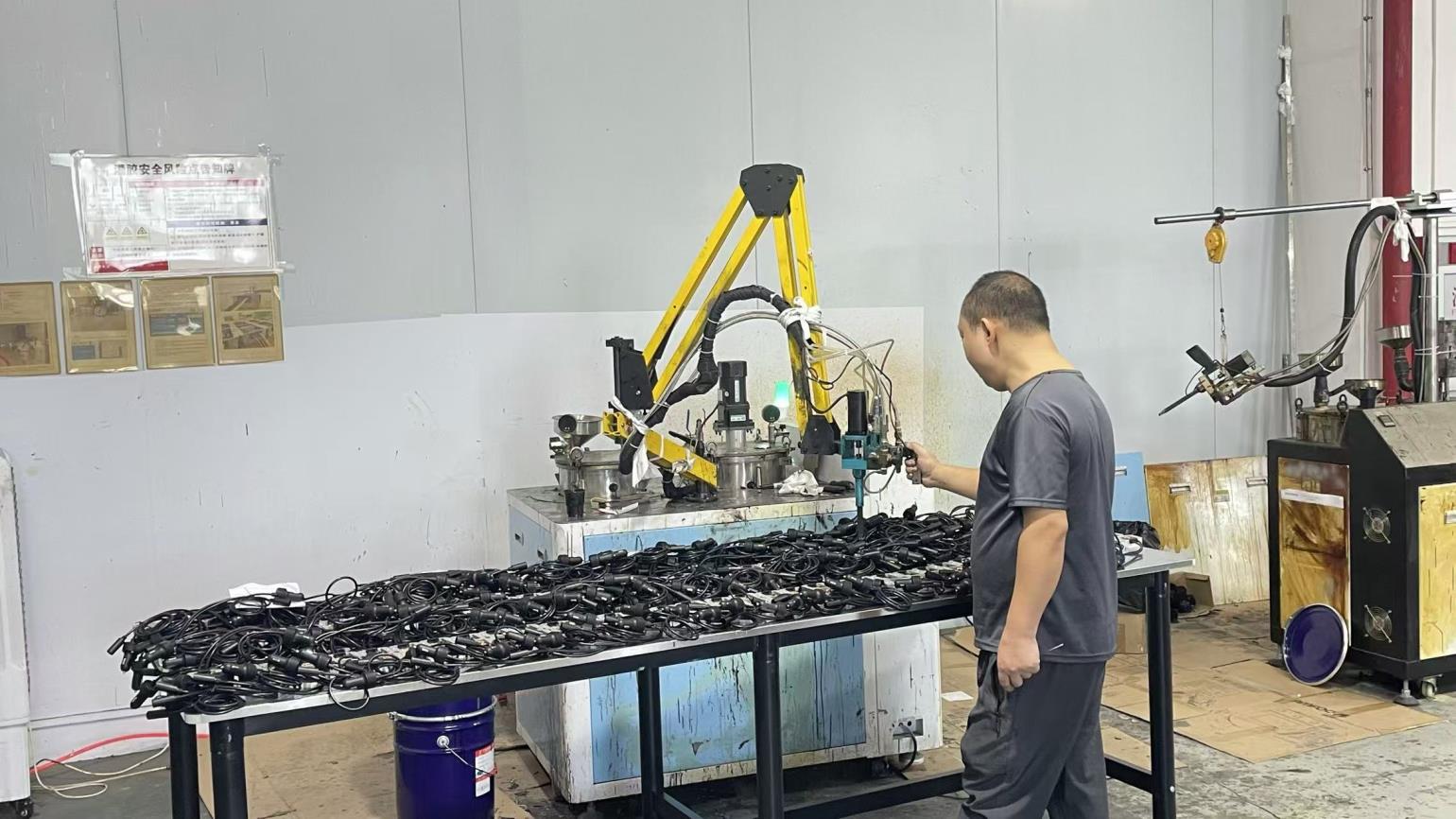
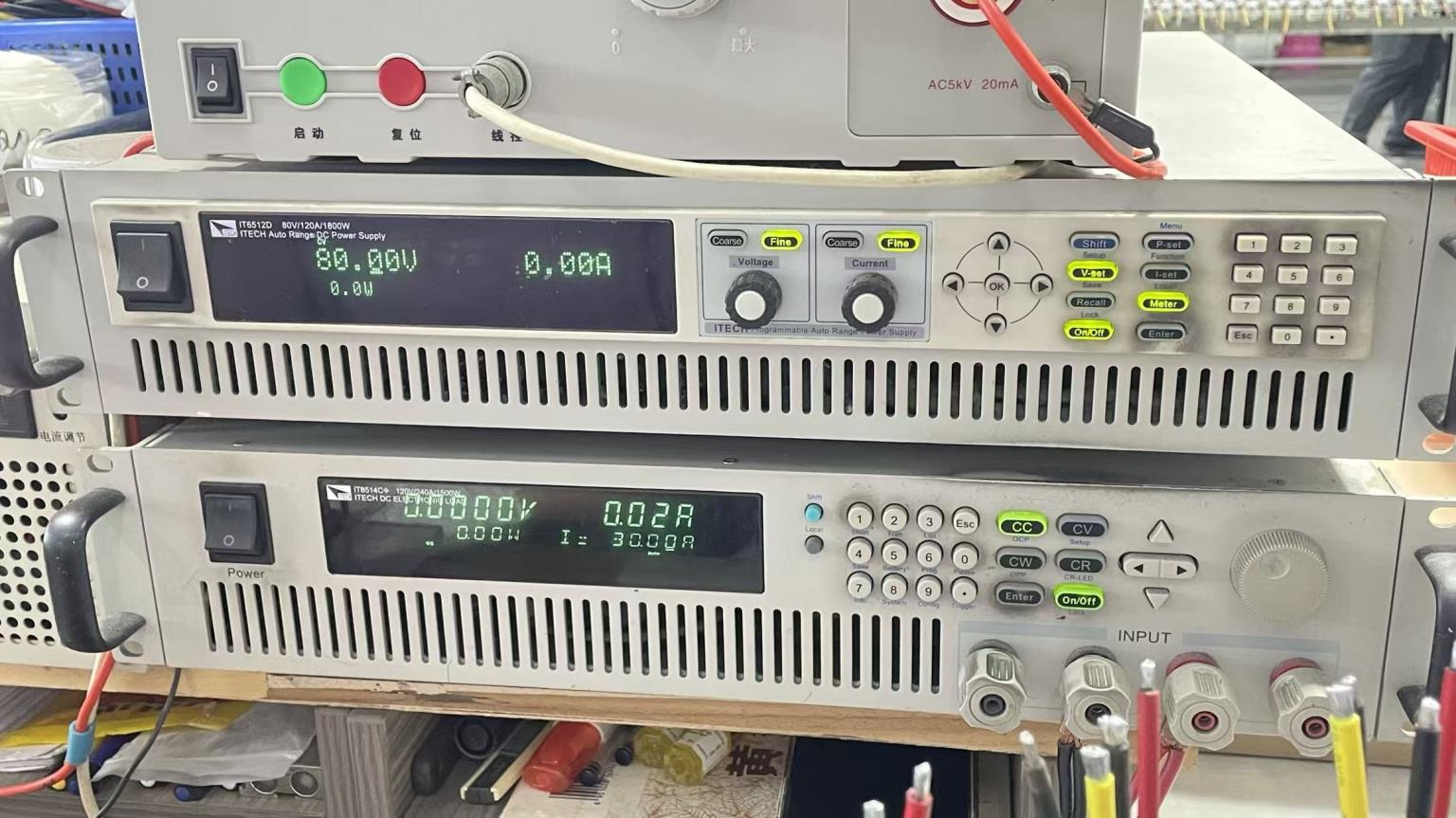
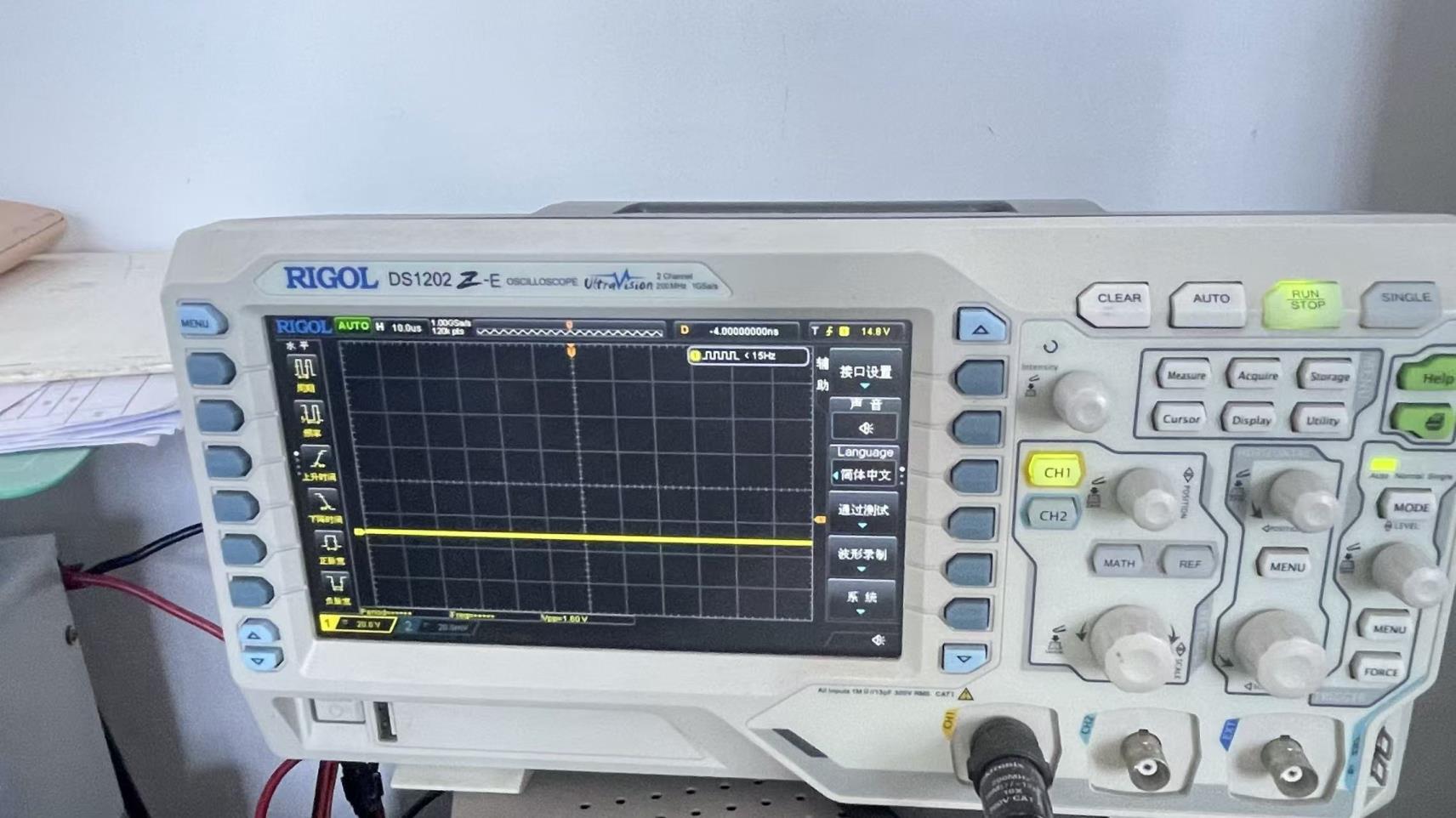
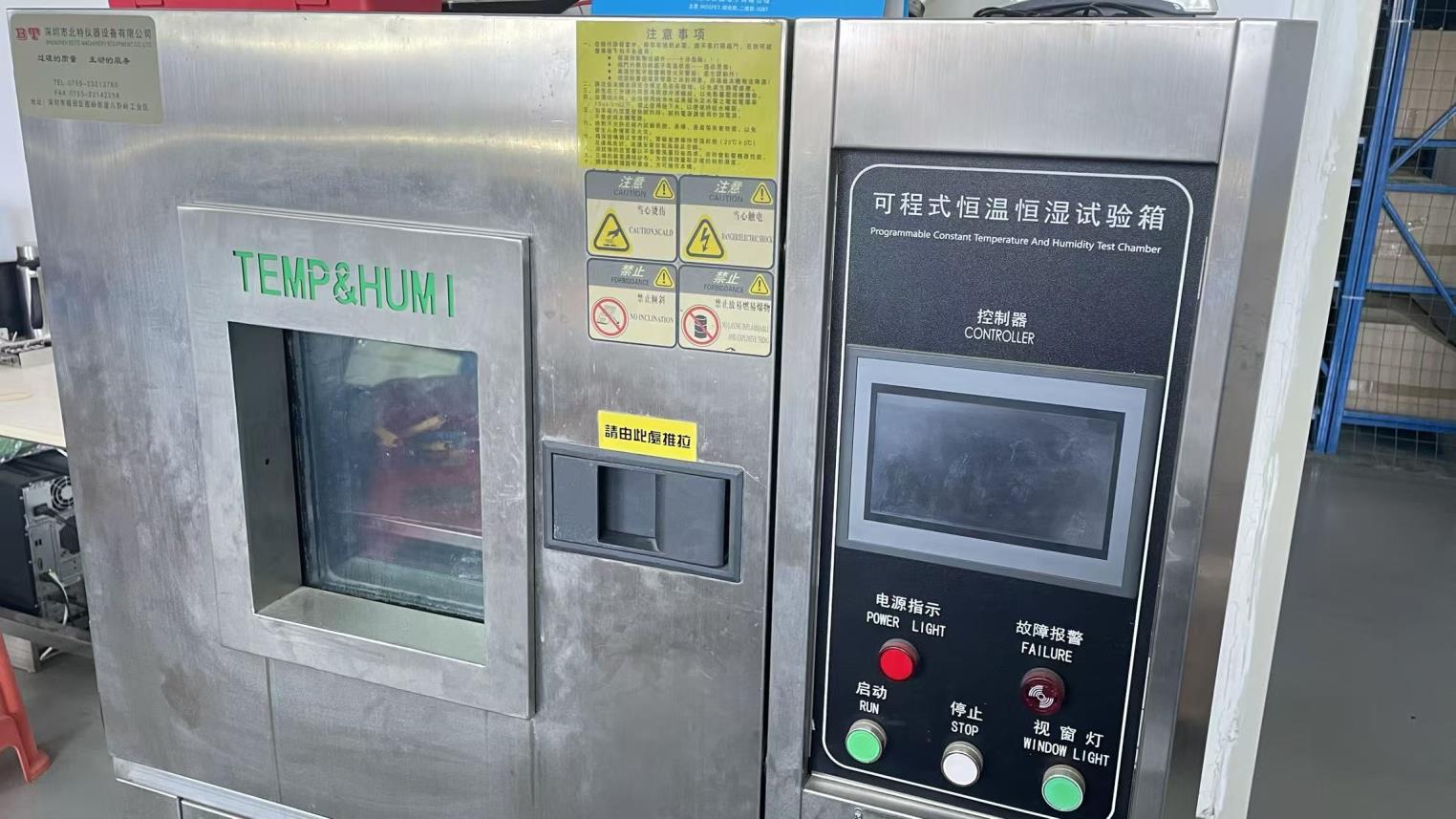
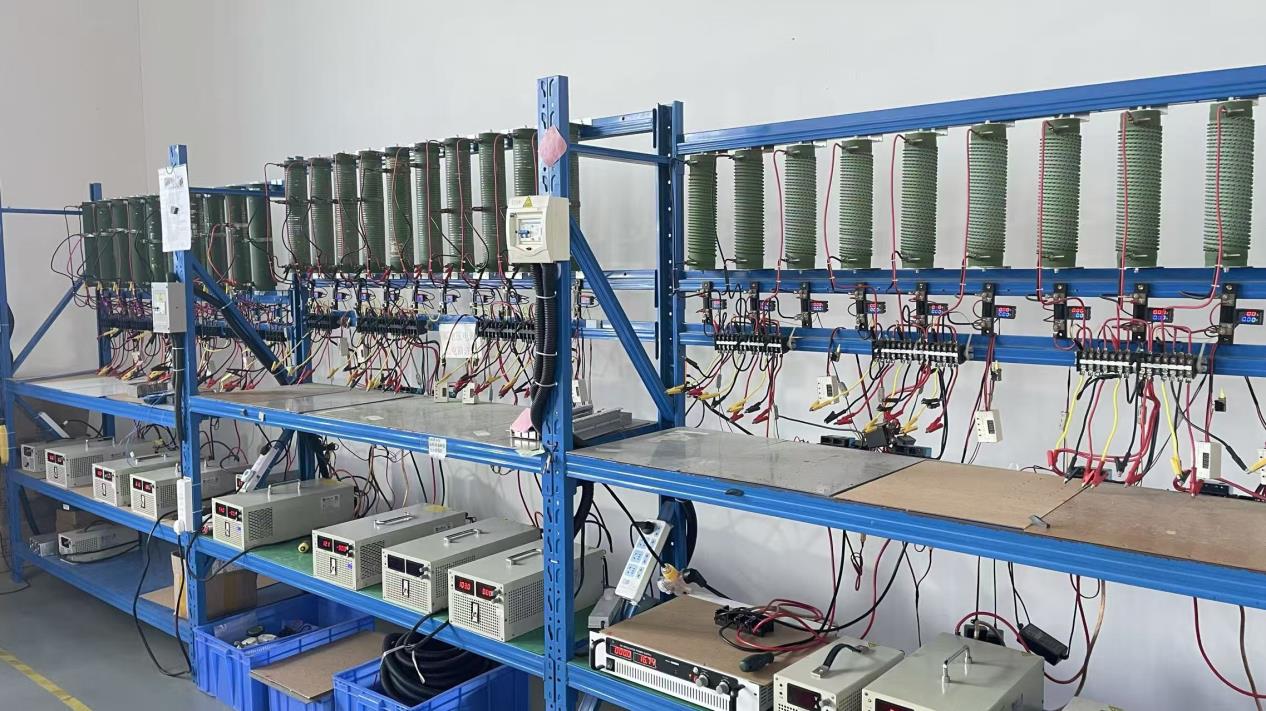
An inside look at our 10,000 square meter ISO 9001 factory in Shanghai, operating custom automation and high-voltage burn-in facilities.
With over 15 years of industry specialization, we maintain control over every step of the design, assembly, encapsulation, and validation cycle. Our double-phase QA validation process guarantees a 99.9% product qualification rate before shipment.









Ensuring cross-border electrical compatibility, adherence to international directives, and localized engineering support.
International supply chains require strict alignment with global safety frameworks. All industrial switching power systems leaving our Shanghai plant carry the CE Mark, verifying compliance with the European Union's directives. Specifically, our designs adhere to:
Beyond documentation, our global engineering department assists with localization. If your machinery operates on European three-phase grid systems (380V/400V AC) or North American configurations (208V/480V AC), our embedded systems adapt to variations in source impedance and line frequency (50Hz / 60Hz) without sacrificing overall efficiency or load regulation characteristics.
We provide deep field-engineering integration, enabling customers to request direct mechanical modifications, custom control interfaces (0-10V, RS485 Modbus, CAN-bus), and customized chassis mounts. Our team delivers fast prototyping turnarounds, bridging the gap between offshore manufacturing efficiency and localized engineering support.
To eliminate damage during ocean freight, intermodal transport, and long-term storage, we utilize a 4-tier packaging framework.
Power supplies are sealed in heavy-duty polyethylene vapor barriers with desiccant packs to prevent moisture condensation and corrosion during long ocean transit windows.
We use high-density, custom-molded polyethylene foam frames to cushion the internal electronics, isolating them from vibration, drops, and physical impacts during transit.
Individual power supplies are housed in crush-resistant double-wall corrugated shipping boxes, providing puncture protection and structural support for stacking.
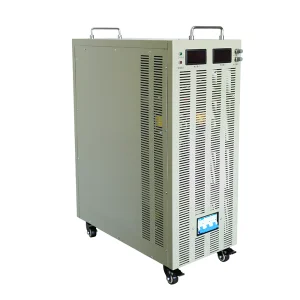
For our high-power systems (ranging from 10kW to 40kW), the boxed shipments are reinforced inside fumigated wooden crates with perimeter strapping. This design provides maximum fork-truck stability and transit safety, keeping units securely aligned from our Shanghai warehouse to your facility.
Discover how our R&D team is using wide-bandgap semiconductors to improve high-temperature switching efficiency.
Our technology roadmap centers on replacing traditional silicon MOSFETs with Silicon Carbide (SiC) and Gallium Nitride (GaN) power switches across our high-power product lines. SiC semiconductors offer superior thermal conductivity, higher dielectric breakdown fields, and significantly lower switching losses. This transition allows our switching frequencies to scale into hundreds of kilohertz, reducing the size of magnetic components (inductors and transformers) while boosting efficiency beyond 94%.
In parallel, we are transitioning from analog control loops to fully digital software-defined power platforms. Managed by high-speed digital signal processors (DSPs), these systems execute complex feedback control algorithms in real time. This architecture enables dynamic response configuration, soft-start ramping profiles, and complex load-sharing protocols. Users can monitor performance and program parameters on the fly via PMBus, Modbus TCP, or EtherCAT interfaces.
Answering common questions regarding high-voltage AC-DC switching regulators, safety standards, and customized integration.
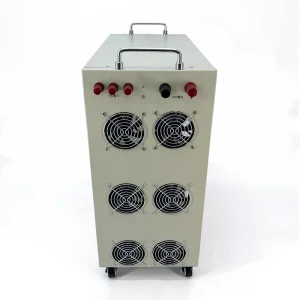
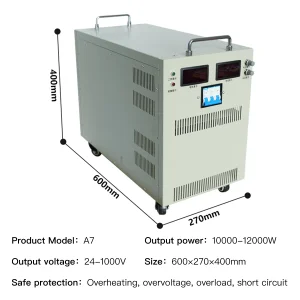
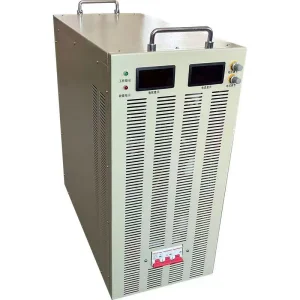
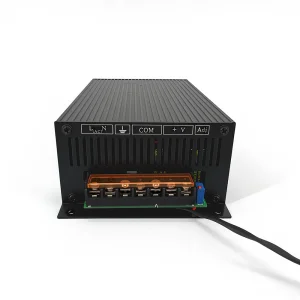
Offering output levels up to 40,000W with adjustable parameters, designed for demanding industrial applications.