Voltmat Power
Voltmat Power
Voltmat Power
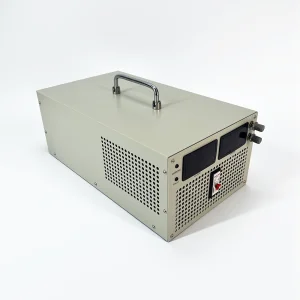
Engineered for high-duty cycles, stabilized output voltage, and reliable performance across varying grid standards in Brazil.
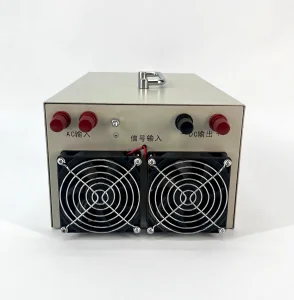
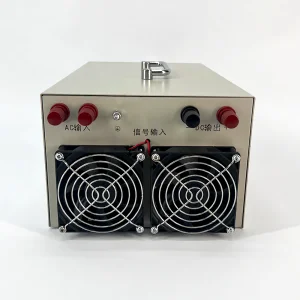
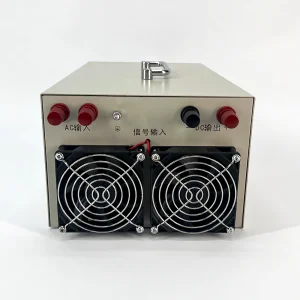
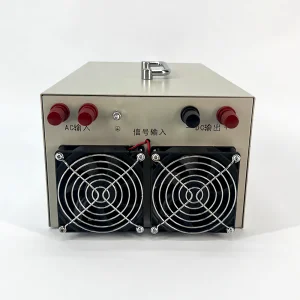
Navigating the electrical infrastructure in Brazil poses unique engineering challenges for electrical systems designers and procurement directors alike. Unlike markets with singular standardized voltages, the Brazilian energy profile is highly decentralized. Industrial regions may operate anywhere from single-phase 127V/220V systems to robust three-phase configurations of 220V, 380V, and 440V. Frequency parameters run at 60Hz, but long-distance distribution lines often subject remote production facilities to severe voltage drop, harmonic pollution, and transient surges.
In regions such as São Paulo, Rio Grande do Sul, and Minas Gerais, automotive assembly lines, chemical processing units, and high-performance electroplating facilities demand highly stabilized and adjustable DC power. Deploying generic voltage conversion topologies can result in catastrophic equipment downtime. Our line of 3000W to 5000W AC/DC switching regulated power supplies is specifically engineered to handle unstable input windows, utilizing high-performance capacitor banks and localized isolation techniques to ensure stable power delivery even under severe source fluctuations.
Brazil's diverse geography presents distinct environmental challenges. Industrial sites located in the north and northeastern regions face high humidity levels, while southern and inland regions experience extreme temperature swings. These conditions can accelerate internal component degradation and lead to premature failure in standard power systems.
To combat these issues, our power supplies feature heavy-duty design parameters, including conformal silicone coating and complete potting insulation options. This keeps high-frequency transformers, diode bridges, and power MOSFETs safe from ambient humidity, dust accumulation, and corrosive environments. With comprehensive protections against overcurrent, overvoltage, and overheating, these units are built to withstand the demands of heavy industries like wastewater treatment, battery manufacturing, and telecommunications infrastructure across Brazil.
Engineered for laboratory testing benches, new energy battery charging, and water treatment systems in the Brazilian market.
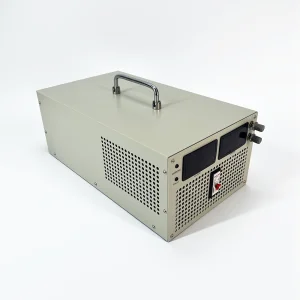
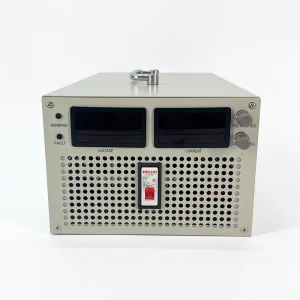
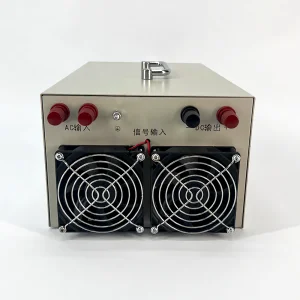
In the landscape of modern power electronics, the demand for higher power density and conversion efficiency is pushing conventional topologies to their limits. Global manufacturers are moving away from traditional linear regulators toward switch-mode topologies. Soft-switching techniques, such as phase-shifted full-bridge (PSFB) and LLC resonant converters, are becoming the industry standard. These advances reduce switching losses and electromagnetic interference (EMI), which is critical for compliance with international safety and EMC standards.
Additionally, modern industrial operations require smart features. Current power supplies must offer both robust analog control and digital integration. Industry 4.0 systems need real-time monitoring of voltage, current, and temperature parameters via interfaces like RS485, CAN bus, or Ethernet. This allows engineering teams to implement predictive maintenance plans, track power consumption, and protect downstream equipment from unexpected grid events.
Operating from our modern 10,000-square-meter facility in Shanghai, we leverage the region's advanced industrial manufacturing and logistics infrastructure. This strategic location enables us to export our products efficiently, ensuring reliable deliveries to major ports worldwide, including Santos and Paranaguá in Brazil.
Our production capabilities combine advanced manufacturing tech with strict quality control. With 15 years of specialization in high-power regulated systems, our team handles everything from automated coil winding and precision wave soldering to dual-stage automated testing. Every single unit undergoes a strict testing regimen before leaving our doors. This includes a full-load burn-in cycle and computer-assisted diagnostic verification, allowing us to maintain a 99.9% factory qualification rate.
Deep-dive into our production steps and test protocols. Every process is optimized for reliability.

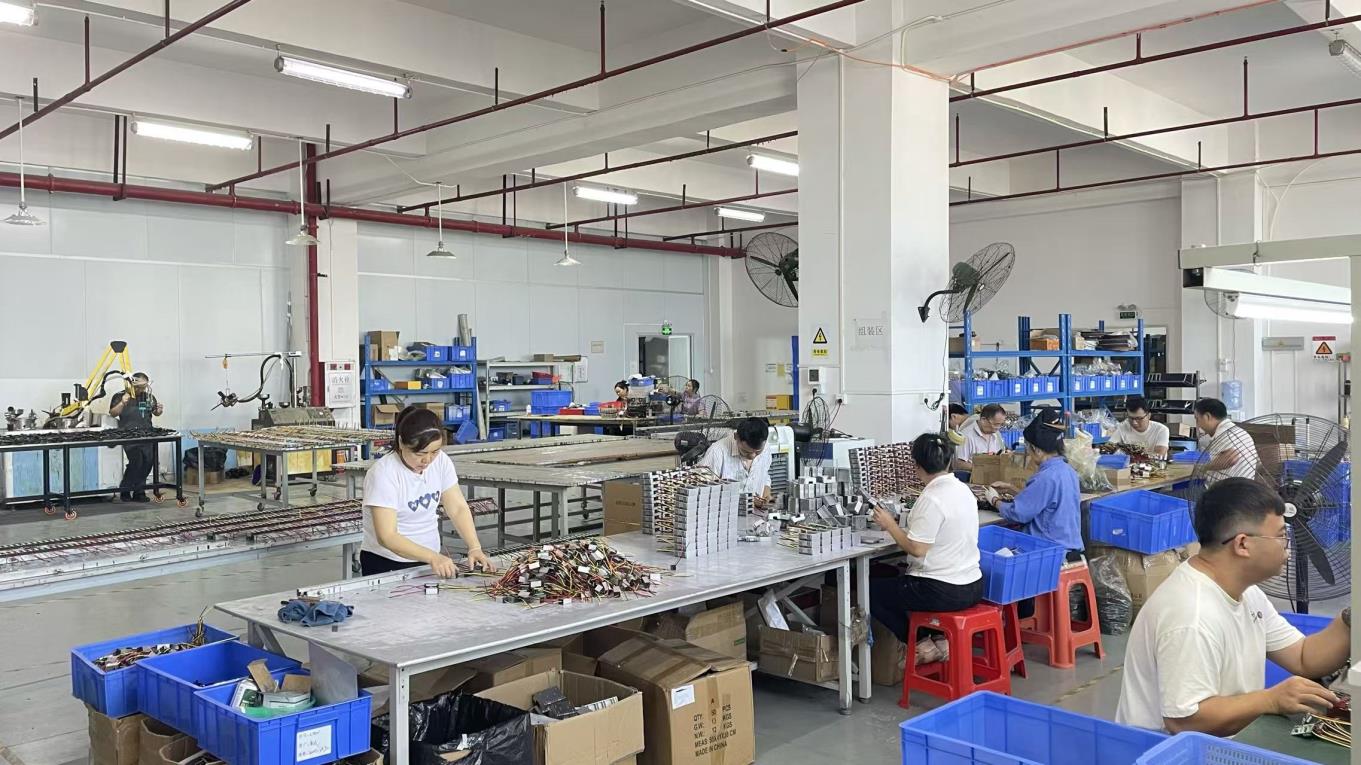

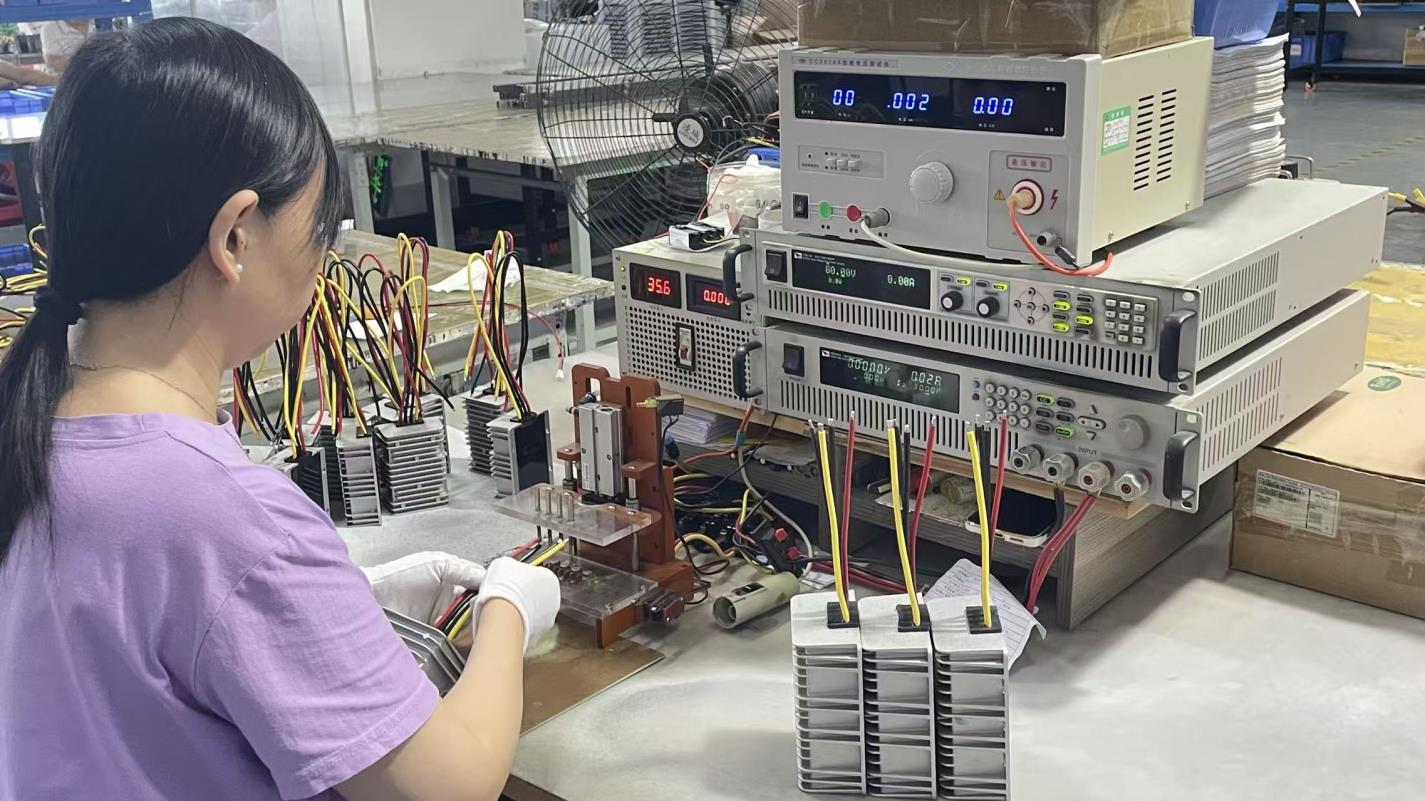

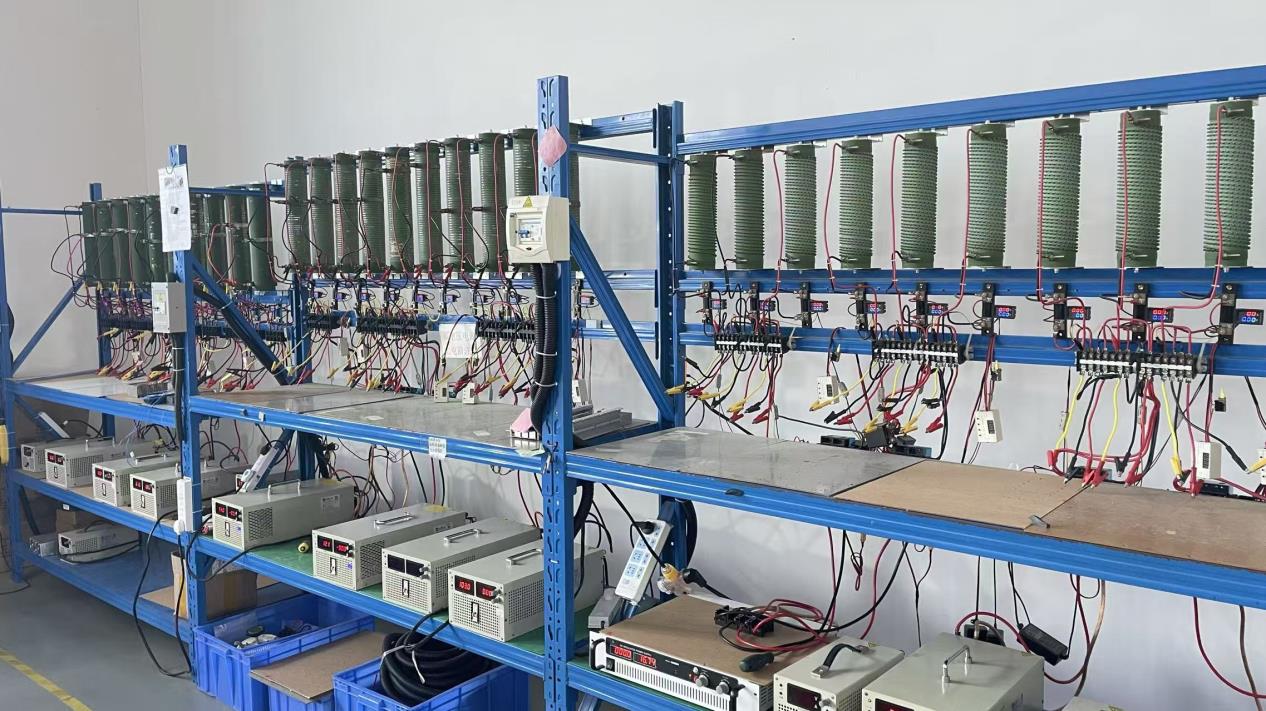
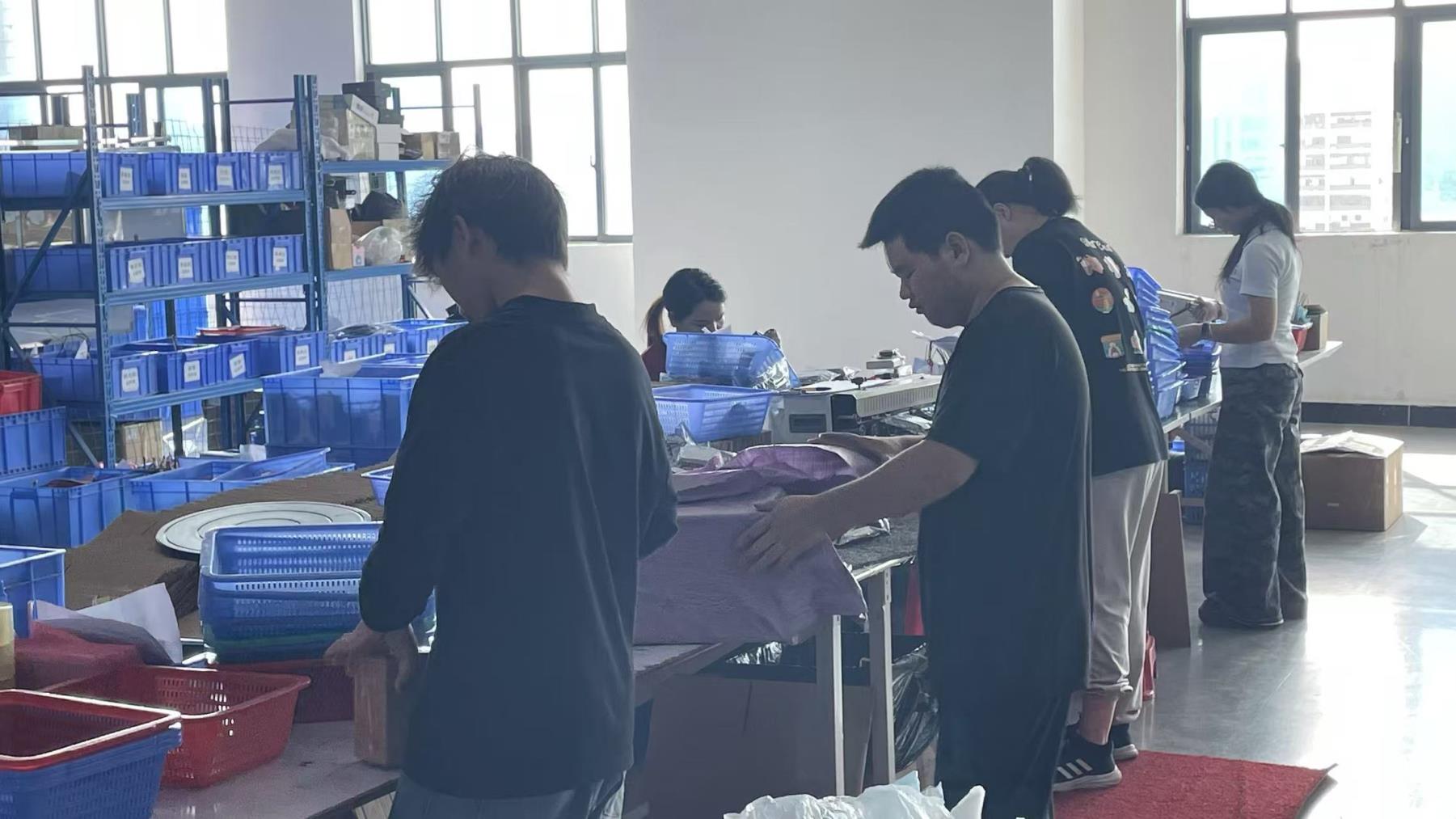

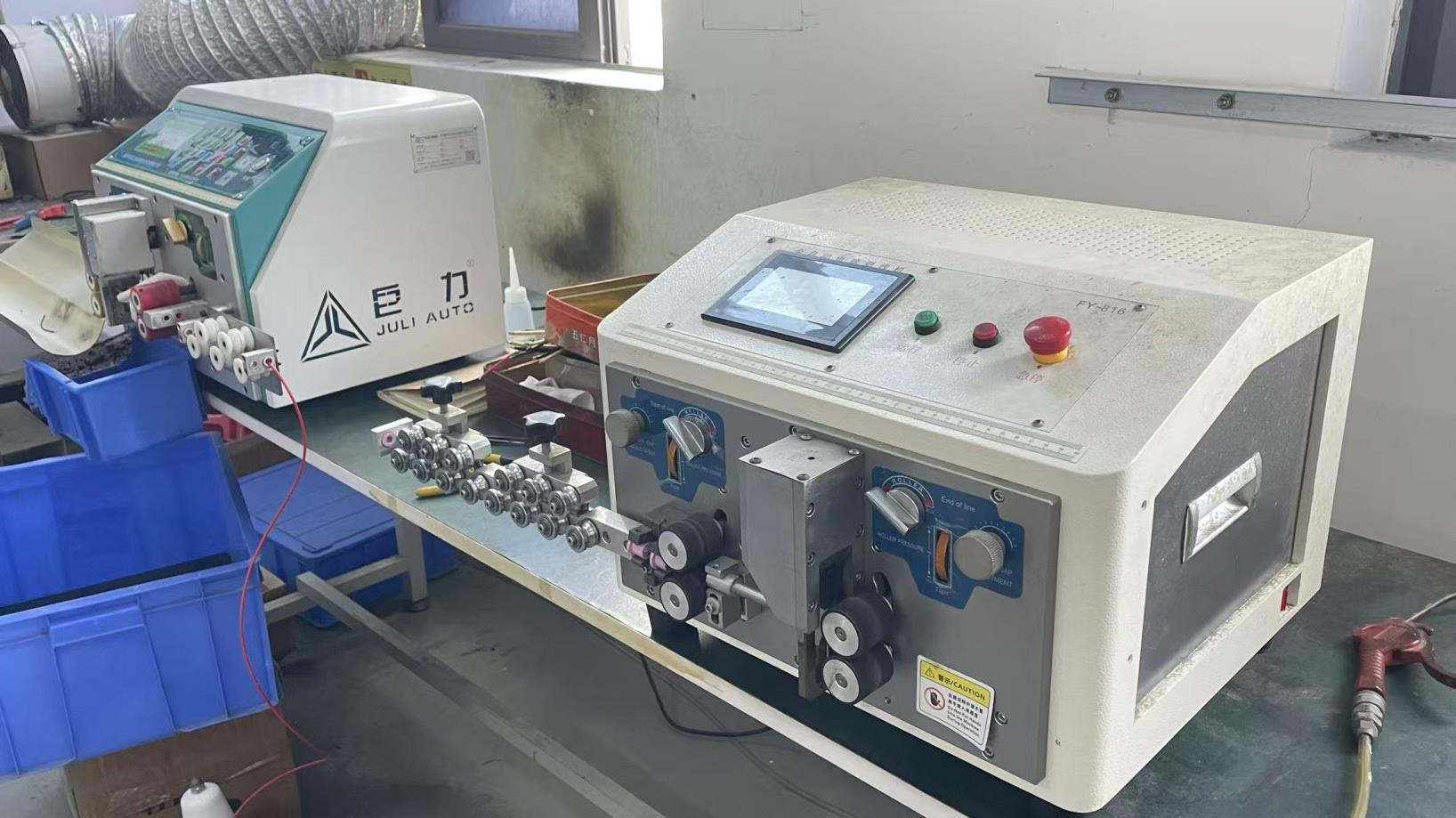

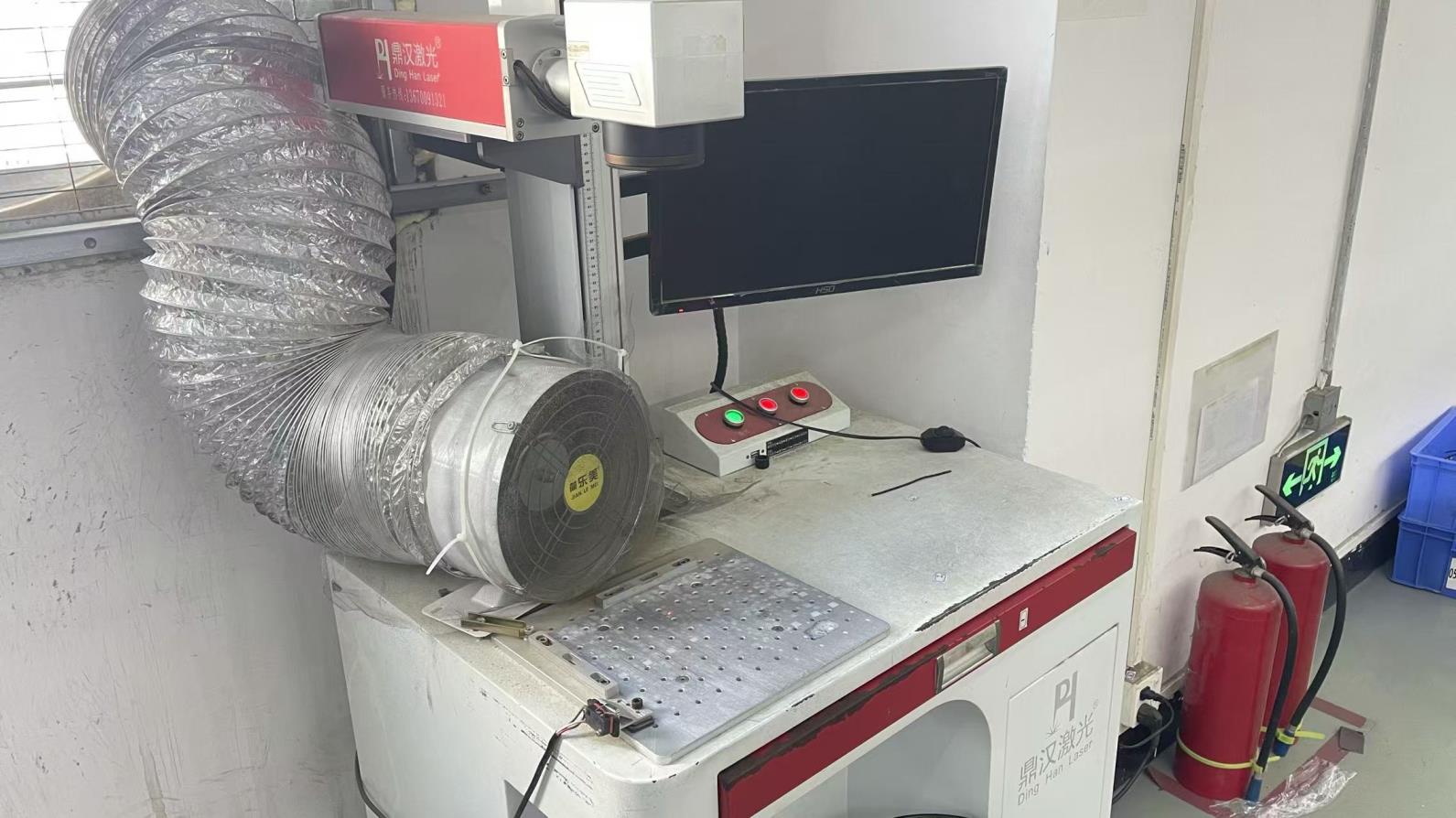
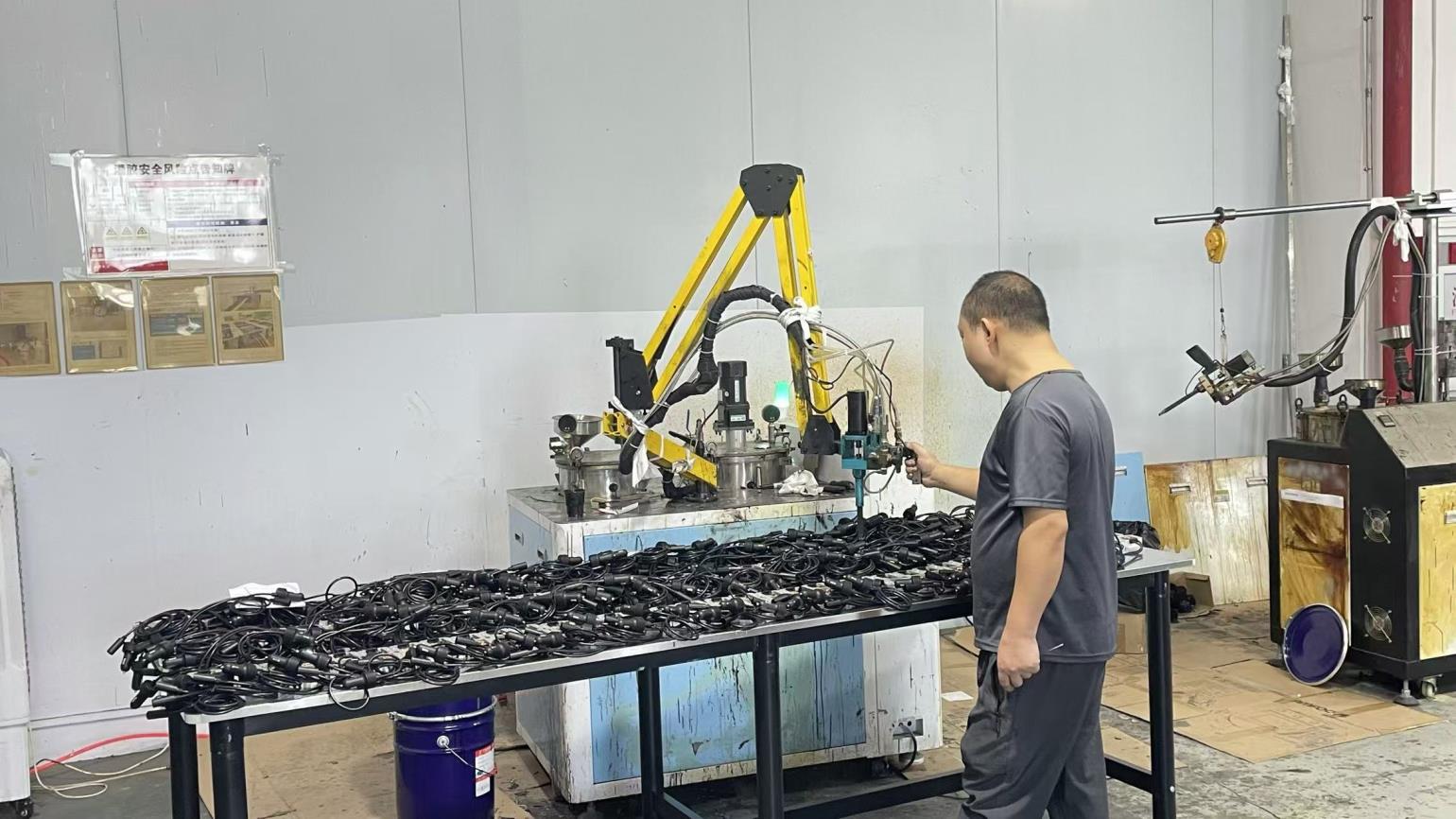

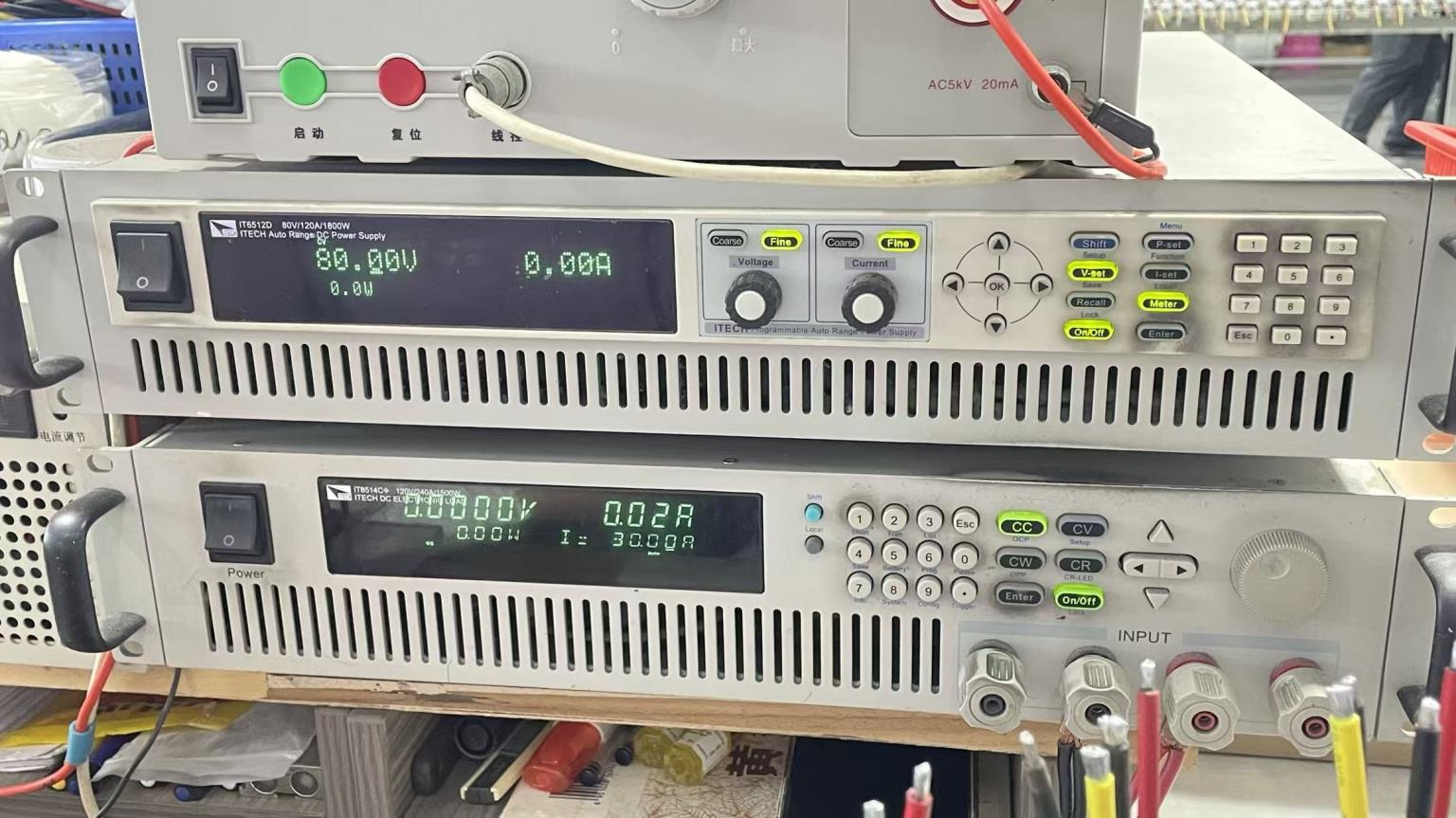
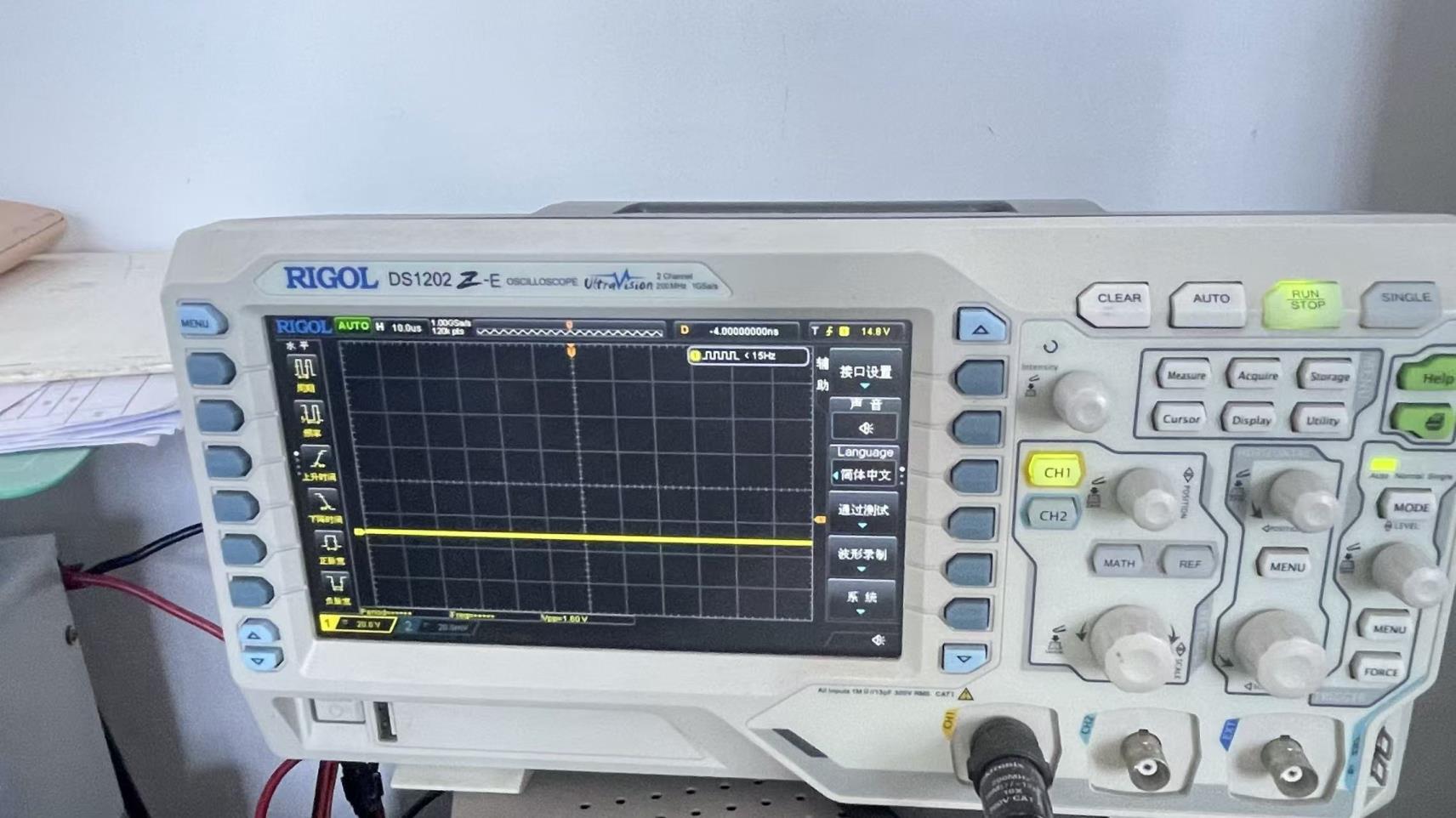
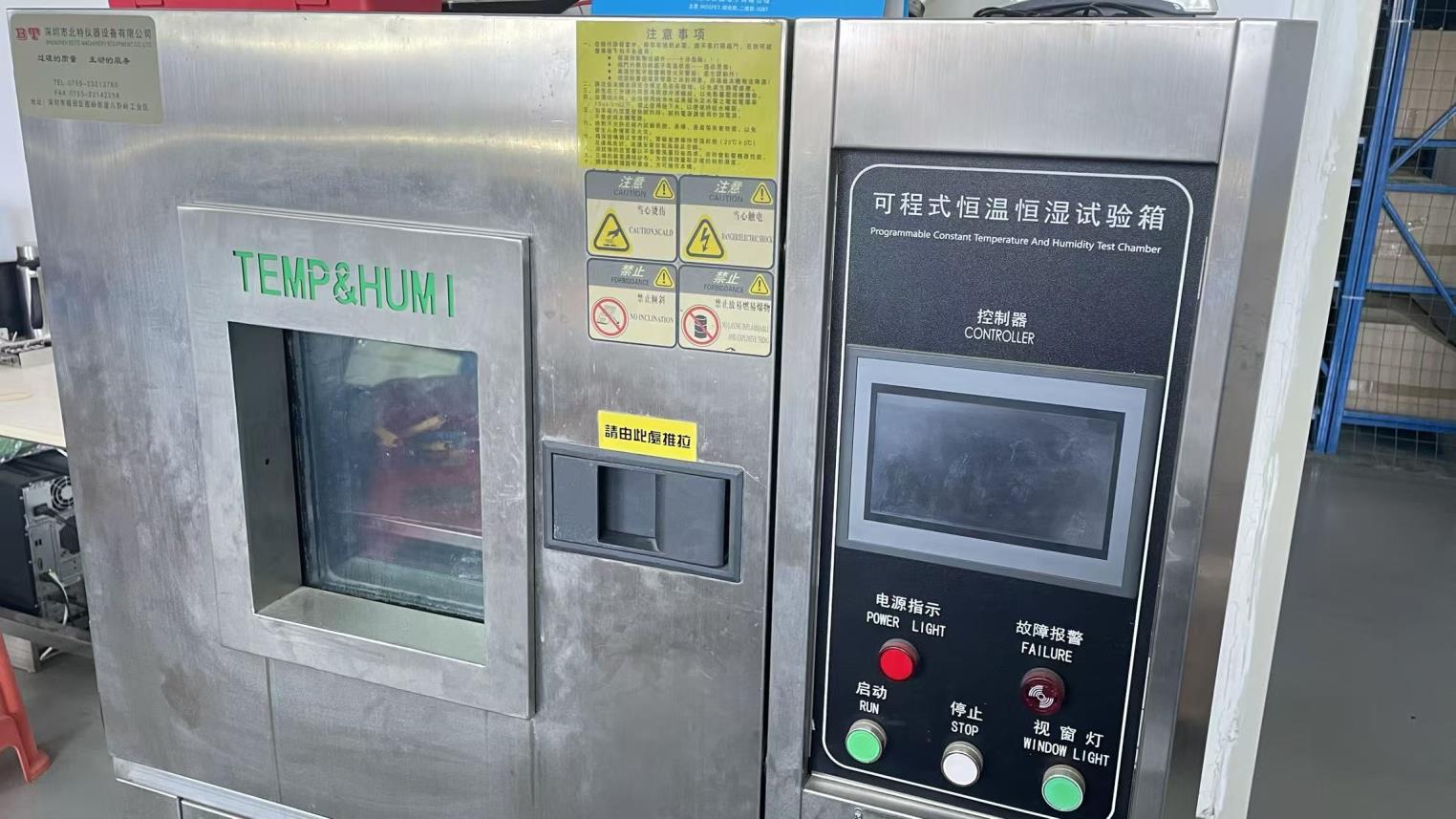

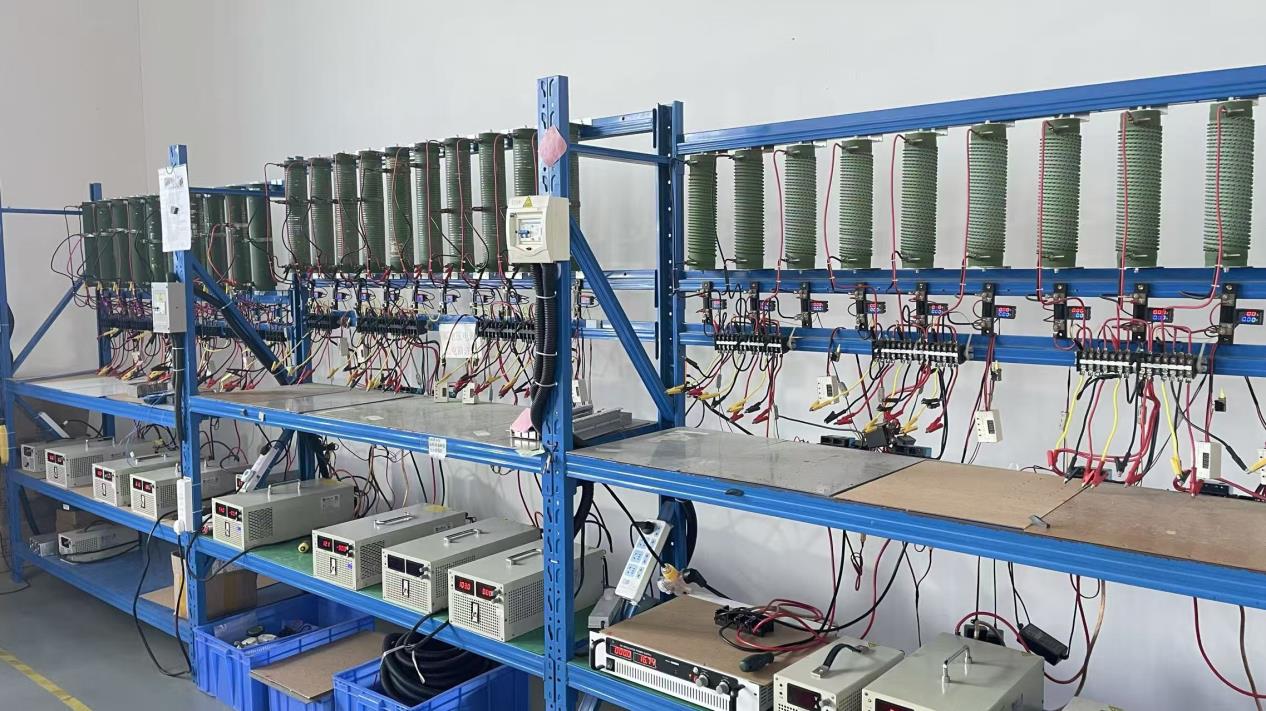
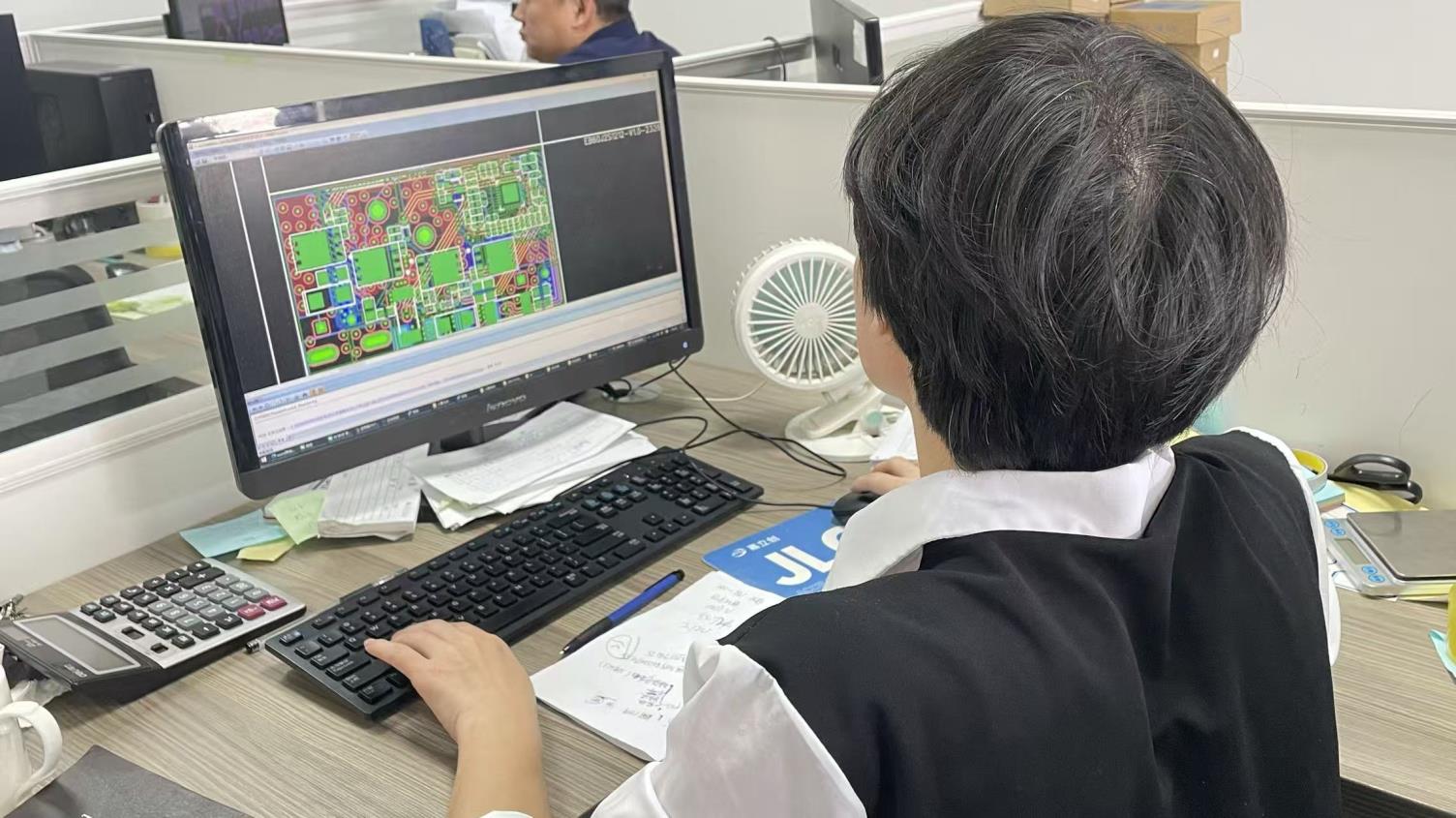 Every product series is engineered in our core design center for performance customization.
How Brazilian electrical engineers optimize operations using our switching DC power regulators.
Electrodeionization (EDI) and electrocoagulation installations in São Paulo and Paraná require constant DC output voltages. The 72V 4000W regulated power supplies provide the necessary power level and current adjustment accuracy to optimize cell lifespan and prevent anode degradation.
Automated guided vehicles (AGVs) and localized battery banks in Minas Gerais and Bahia logistics hubs rely on precise current control to extend battery lifespans. Our 150V 5KW adjustable power units provide smart multi-stage charging algorithms to deliver fast, safe battery top-offs.
Coating and electroplating mills in Santa Catarina require consistent low-voltage, high-current DC inputs to ensure uniform deposition thickness. Our power supplies maintain output voltage within a tight ±1% tolerance, eliminating defects like pitting and burning on copper or nickel plated parts.
Browse our catalog of 3000W to 5000W single-output and adjustable systems, optimized for LATAM import specifications.
Essential technical questions answered for project engineers importing power systems into Brazil.
Our systems feature high-input-tolerance design, making them compatible with common Brazilian voltage levels. They are configured for three-phase standard power or wide-range single-phase AC lines, operating smoothly across both 50Hz and 60Hz. We can customize the input stage to fit your facility's exact grid profile, protecting your processes from grid-side voltage drops.
We offer custom conformal coating and complete potting compound insulation for humid regions or dusty environments. This seals the circuit board assembly from atmospheric moisture, salt fog, and conductive dust, preventing high-voltage flashovers and long-term electrochemical corrosion.
Yes. Many models in our product line support adjustable outputs. Users can control settings using local front-panel potentiometers, 0-5V/0-10V analog control signals, or digital communication links (such as RS485/Modbus). This flexibility makes them ideal for automated testing setups and smart industrial lines.
Our quality control process includes two stages. First, computer-aided diagnostic systems run insulation resistance, component tolerance, and voltage stabilization tests. Second, every unit undergoes a full-load burn-in cycle in our environmental test rooms to verify thermal stability under heavy operation.
We use a specialized shipping package design. Each unit is wrapped in a vacuum-sealed, moisture-proof barrier with silica gel packs to prevent condensation during sea transit. The unit is then cushioned with thick, shock-absorbing foam inside a heavy cardboard box, reinforced with an outer wooden frame to prevent transport damage.