Voltmat Power
Voltmat Power
Voltmat Power
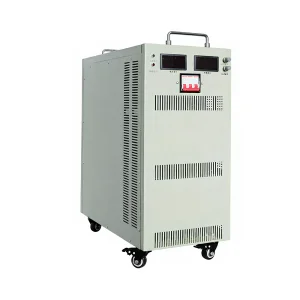
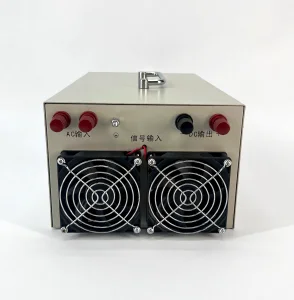
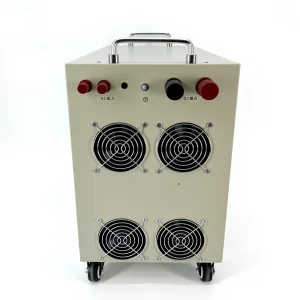
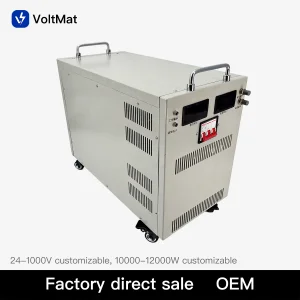
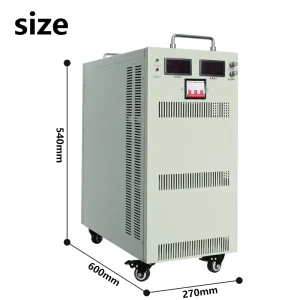
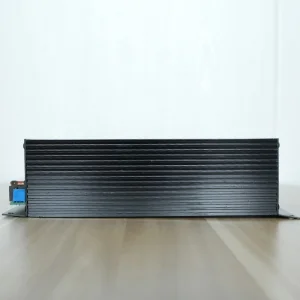
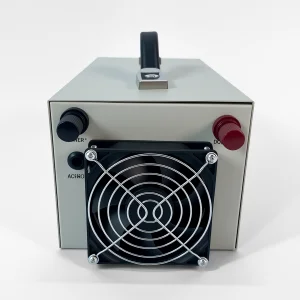
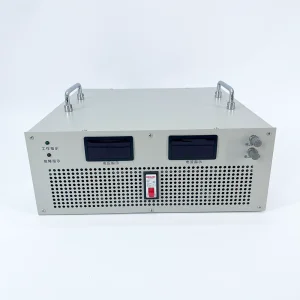
Engineered for mission-critical operations, providing high voltage stabilization, advanced cooling systems, and digital micro-regulation.
Analysis of high-power grid integration, electrification trends, and global supply chain frameworks.
The global high-voltage and high-power regulated switching power supply industry is undergoing a significant transition. As global industries shift toward smart manufacturing, electrification, and green grid architectures, the requirement for reliable DC power modulation has accelerated. Industrial applications demand power conversion units that maintain low ripple voltages, high system efficiency (often exceeding 88-89%), and modular, scalable architectures.
In geographic hubs such as Shanghai, China, logistics infrastructures and supply chain integrations allow factories to access high-grade electronics and copper materials. This geographic alignment enables local manufacturers to serve European, American, and APAC markets with responsive turnaround times and reliable export channels.
Silicon Carbide (SiC) and Gallium Nitride (GaN) components minimize internal thermal output and enhance transient load stability.
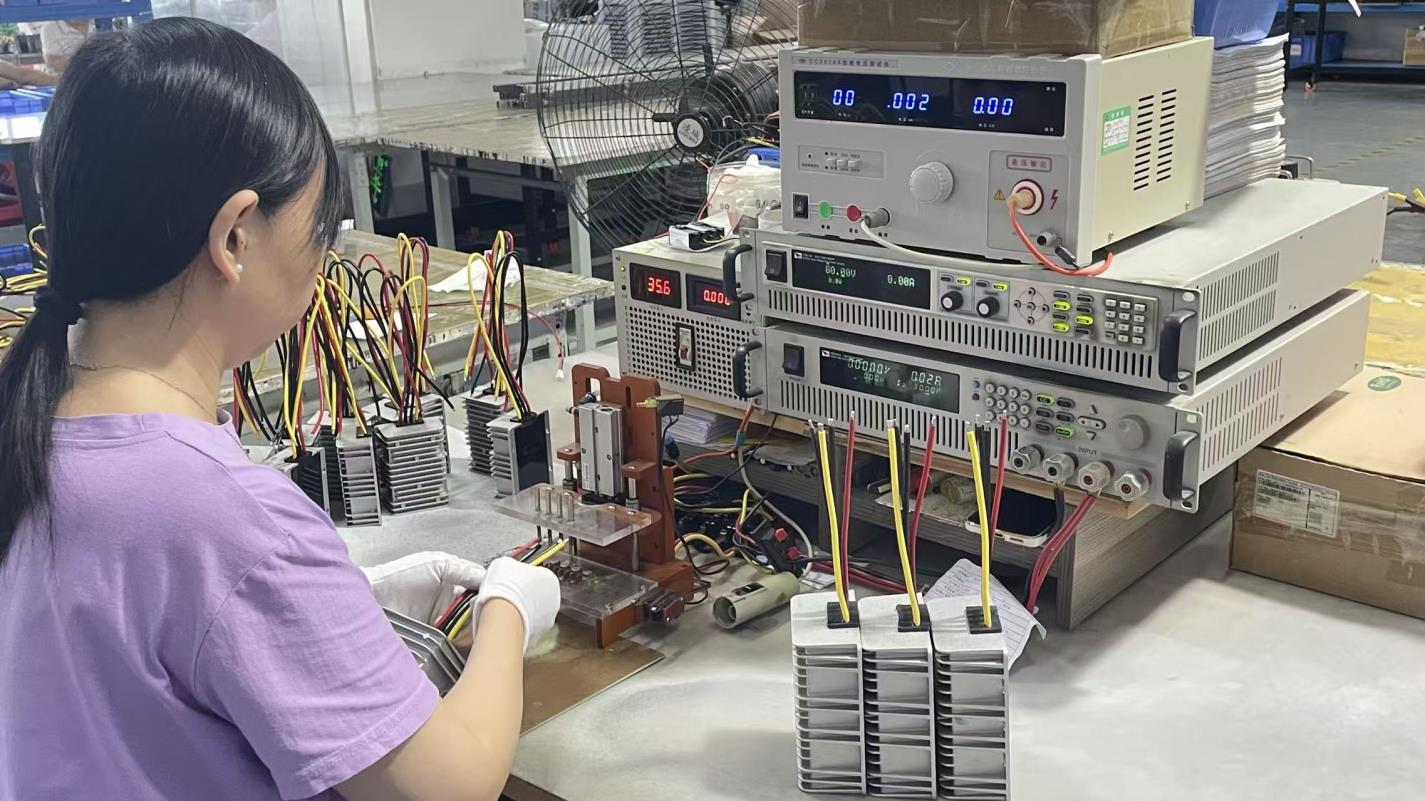
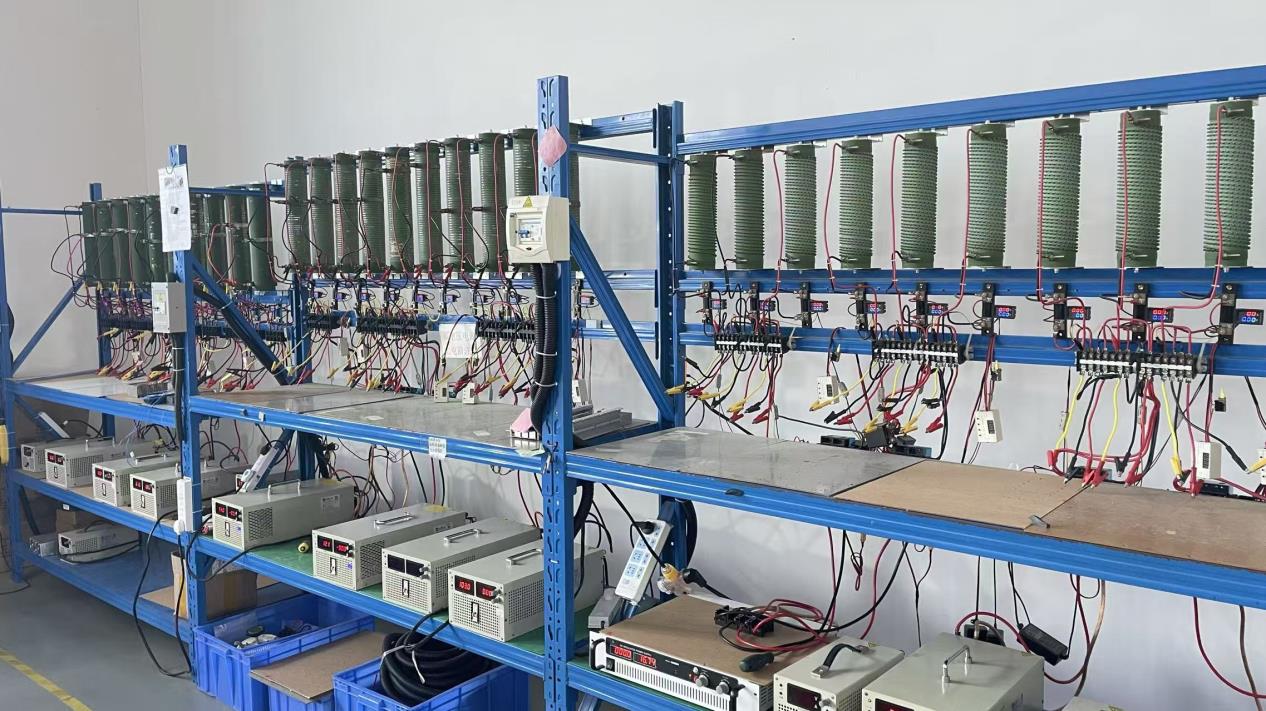
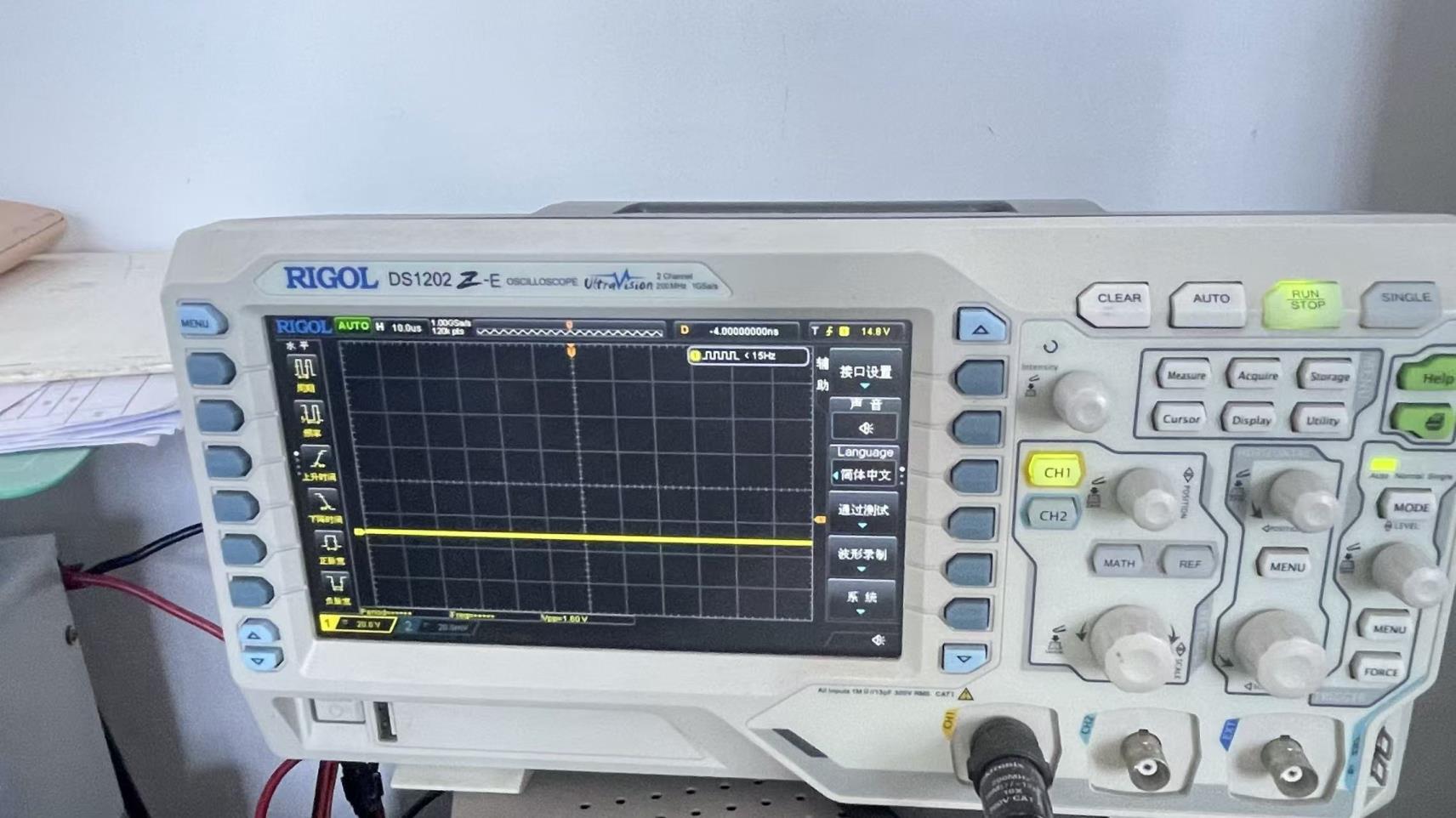
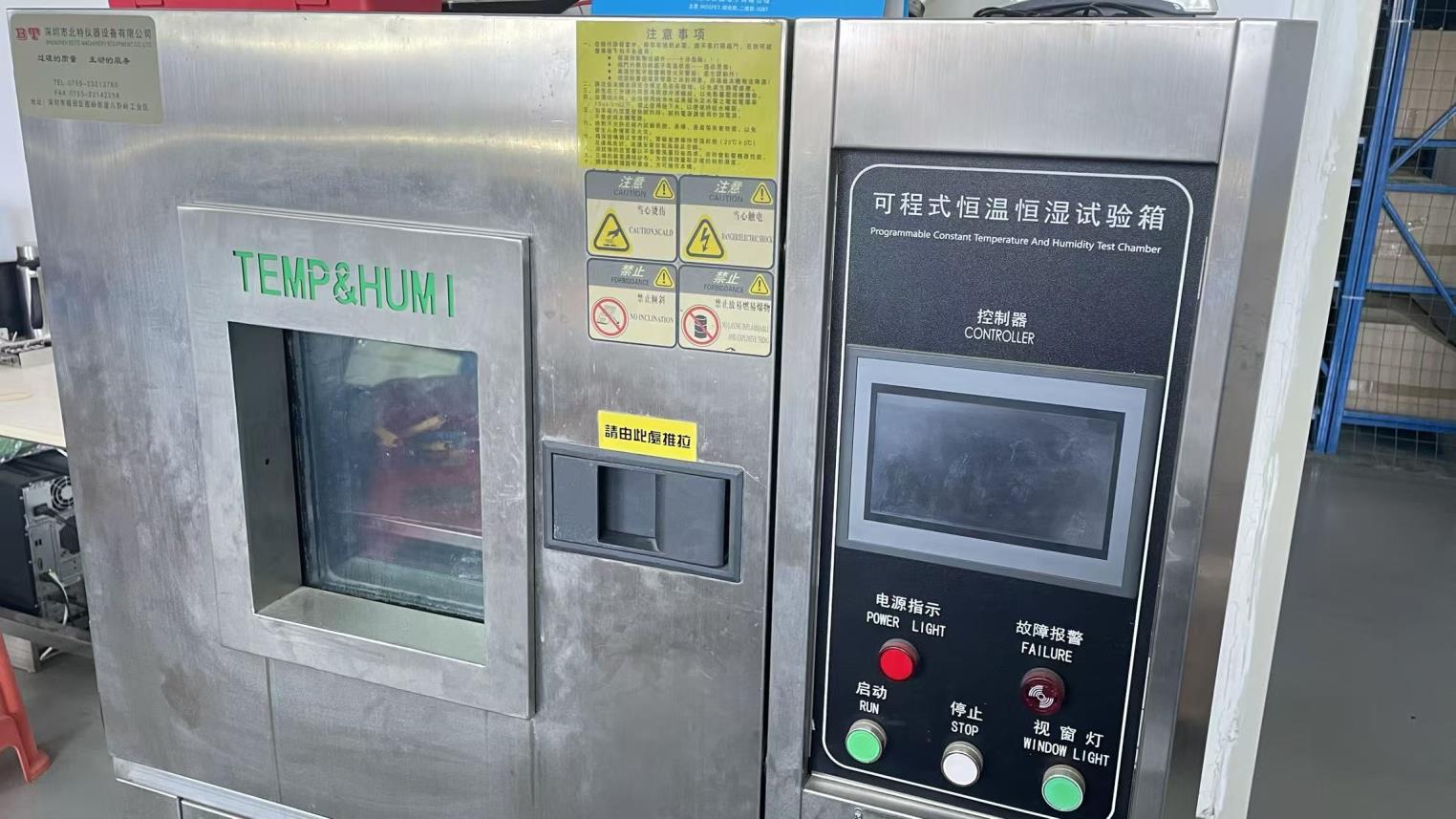
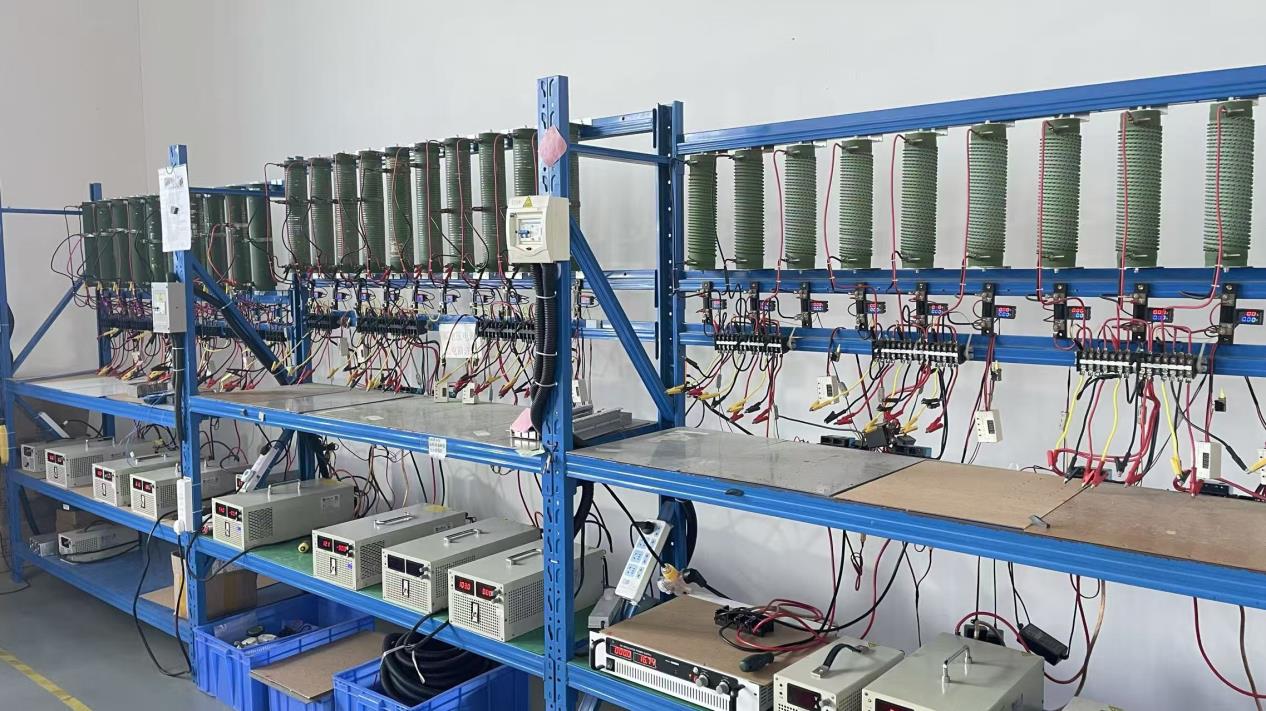
Each unit undergoes long-duration thermal stress runs and active load simulations to reduce runtime anomalies.
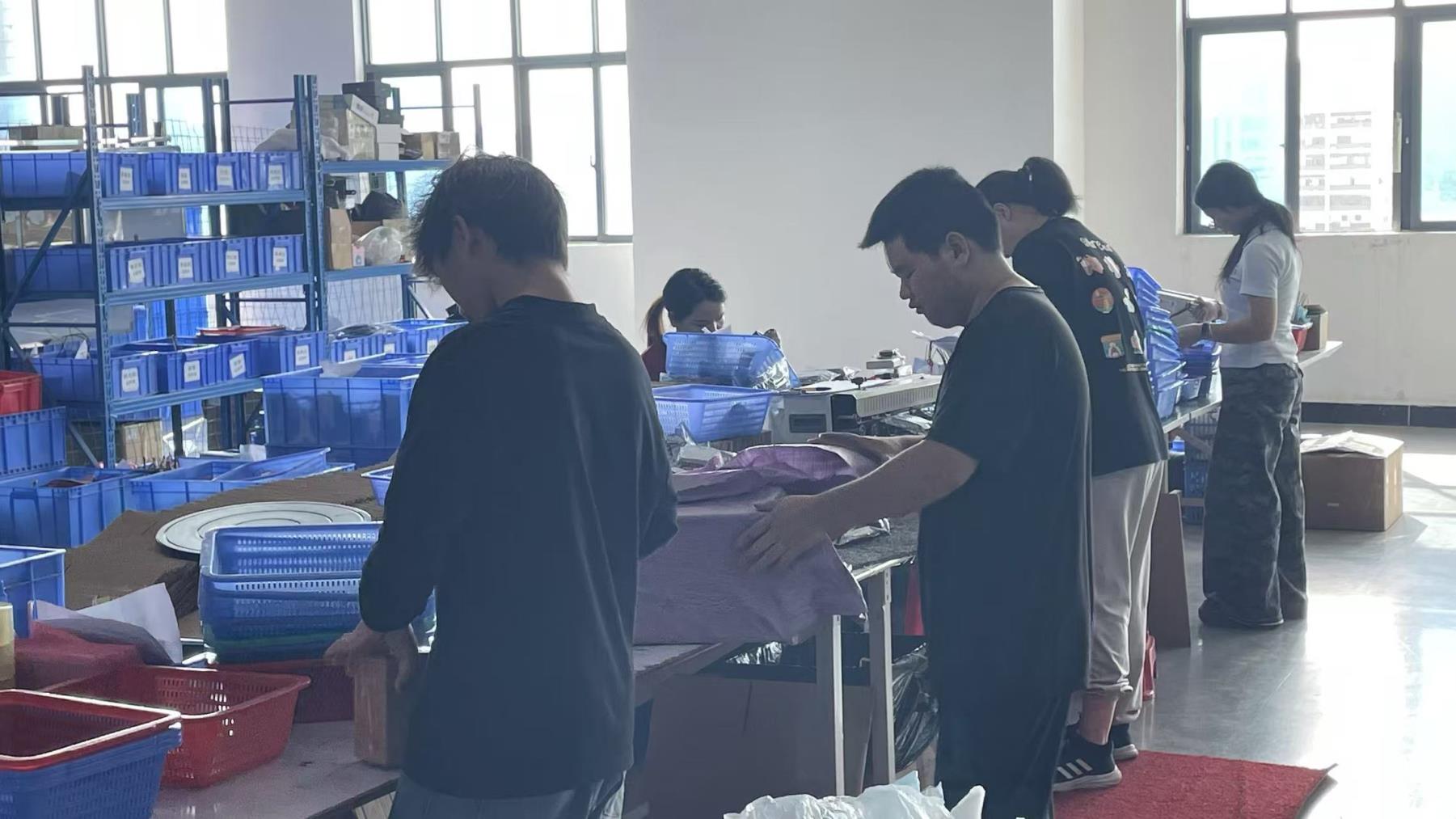
Units are packaged in moisture-proof barriers, dynamic shock-absorption materials, and reinforced wooden crates.
High-power regulated DC power supplies are critical subsystems in sectors where raw power must be converted into high-stability voltage. To prevent system degradation, advanced semiconductor processing tools, aerospace radar rigs, and high-intensity LED systems require minimal output drift, low ripple currents, and isolation safety mechanisms.
Legacy architectures relied on discrete analog circuits. These models featured basic protection mechanisms and were prone to thermal drift over extended operating cycles.
Modern configurations integrate MCU boards to monitor output voltages, display status information on digital panels, and interface with factory PLCs via Modbus protocols.
Integrating SiC diodes and MOSFET switch networks reduces power losses, increases switching frequencies, and decreases overall unit weights.
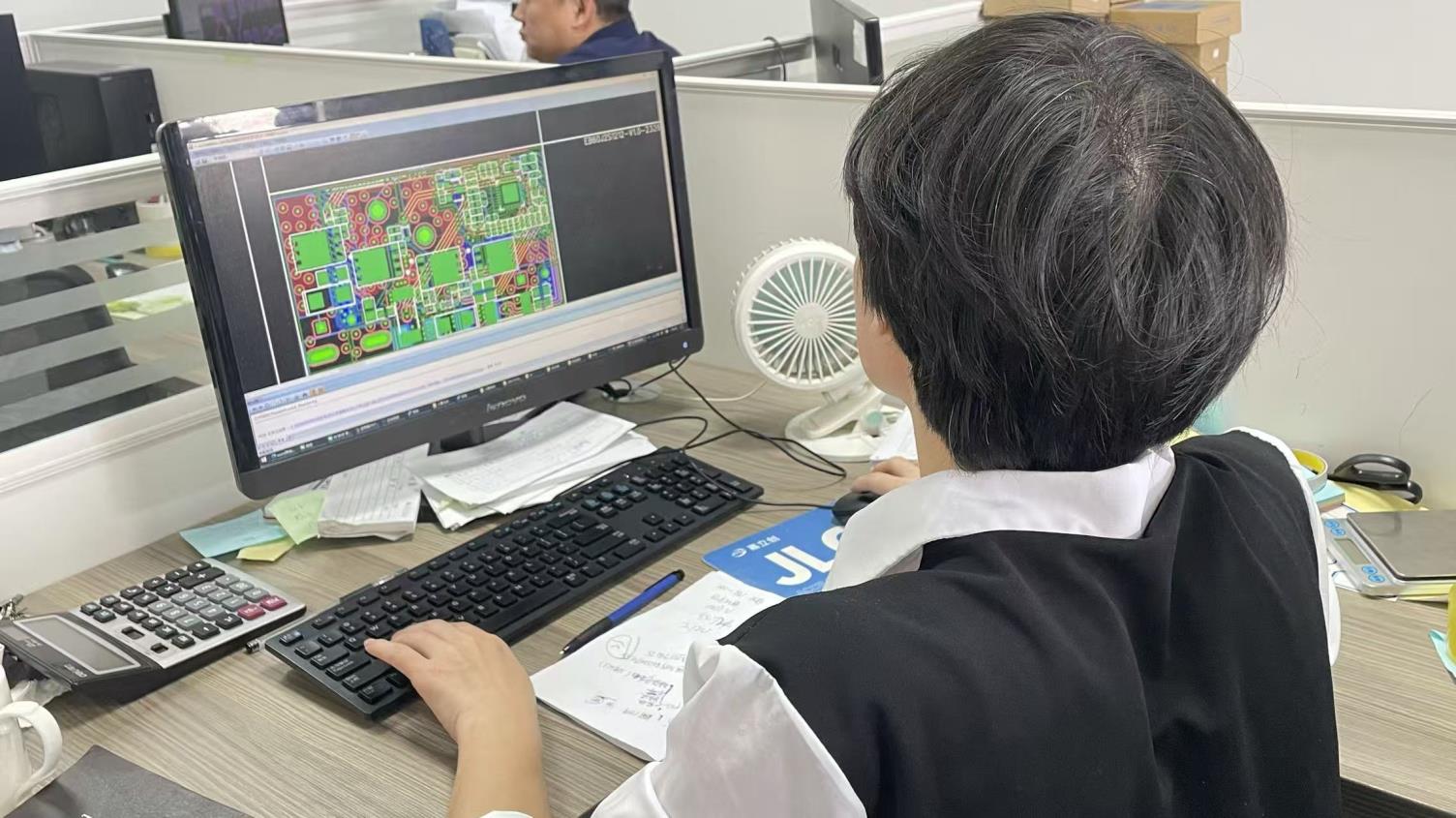
Our 10,000 square meter factory operates specialized production systems, maintaining a 99.9% product qualification rate through multi-stage quality control.

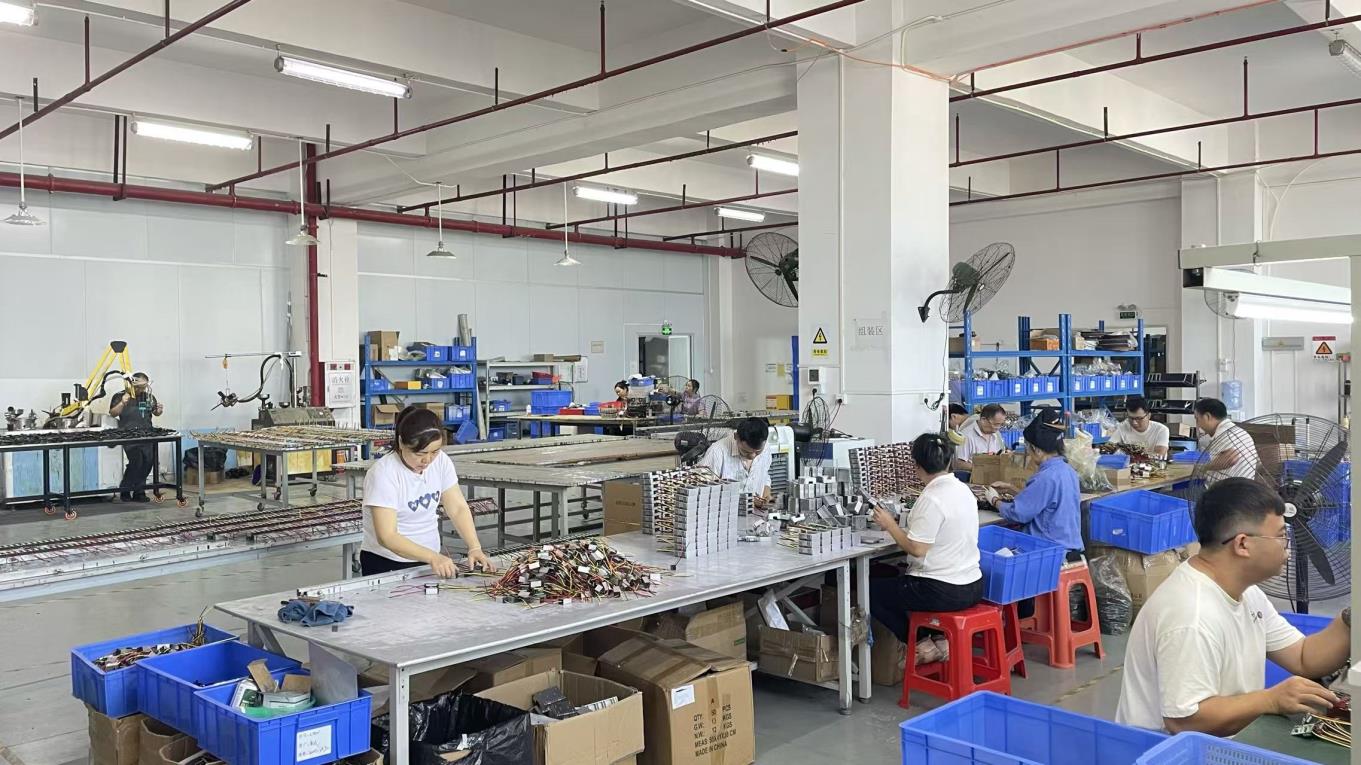



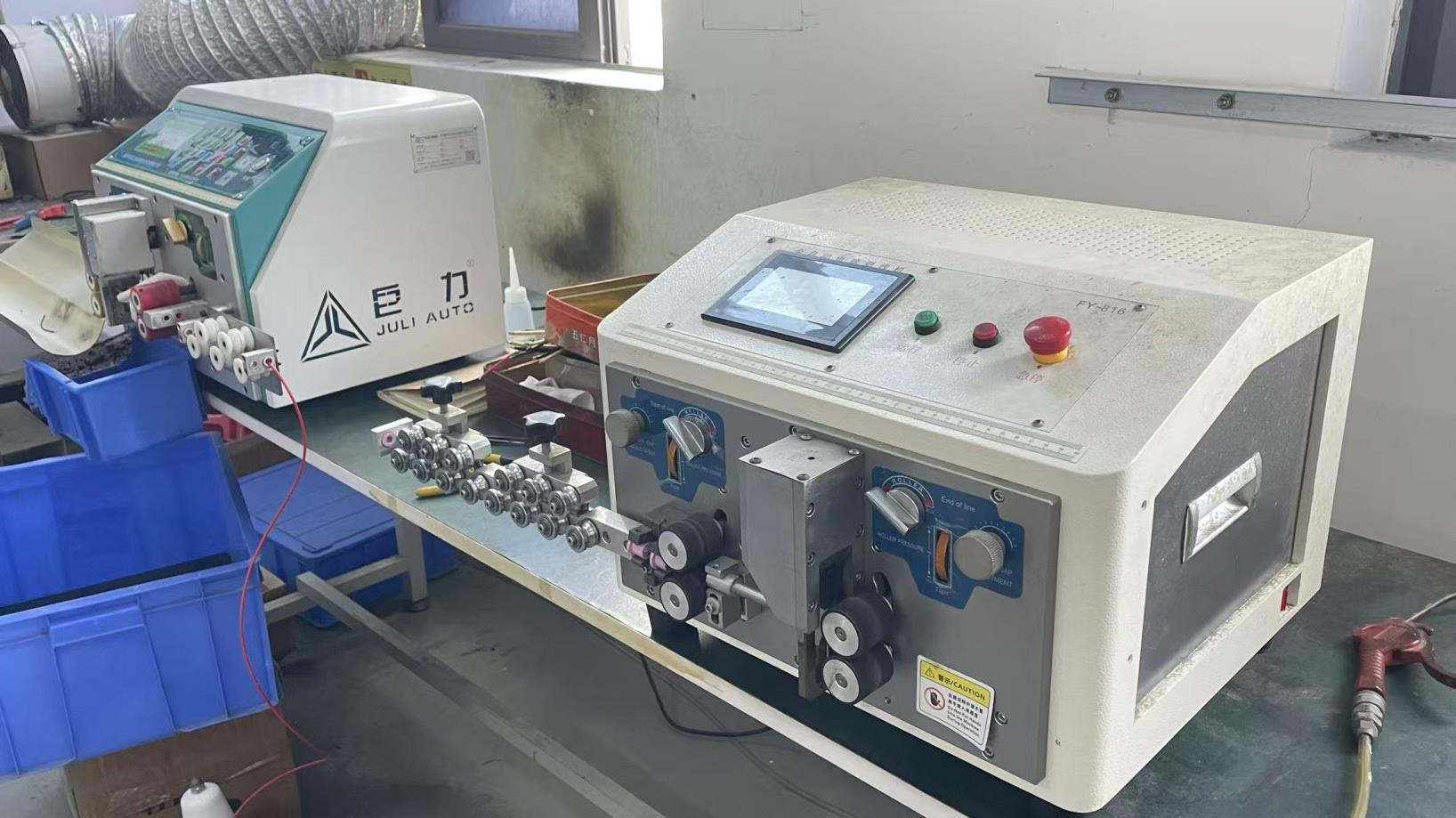

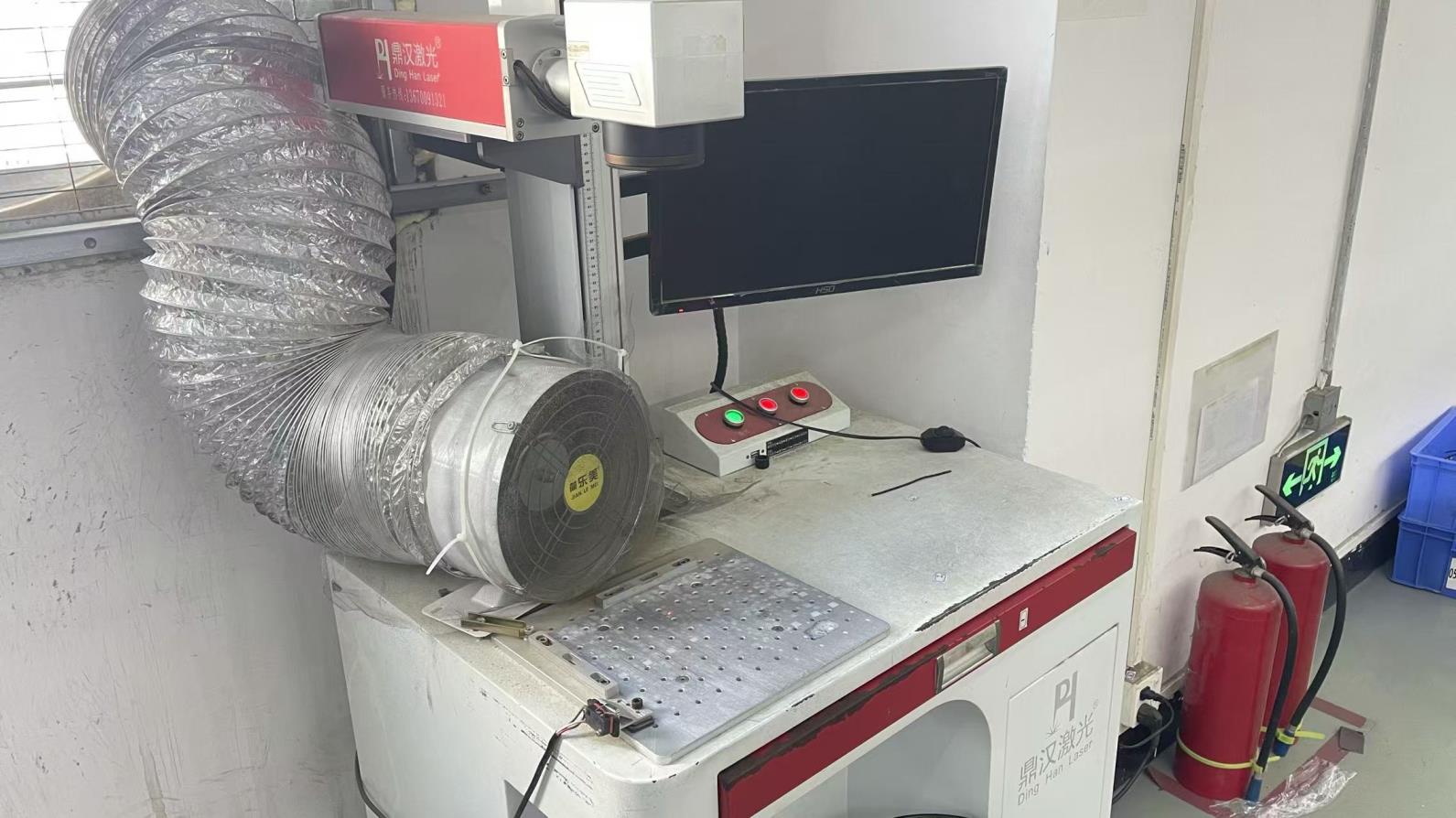
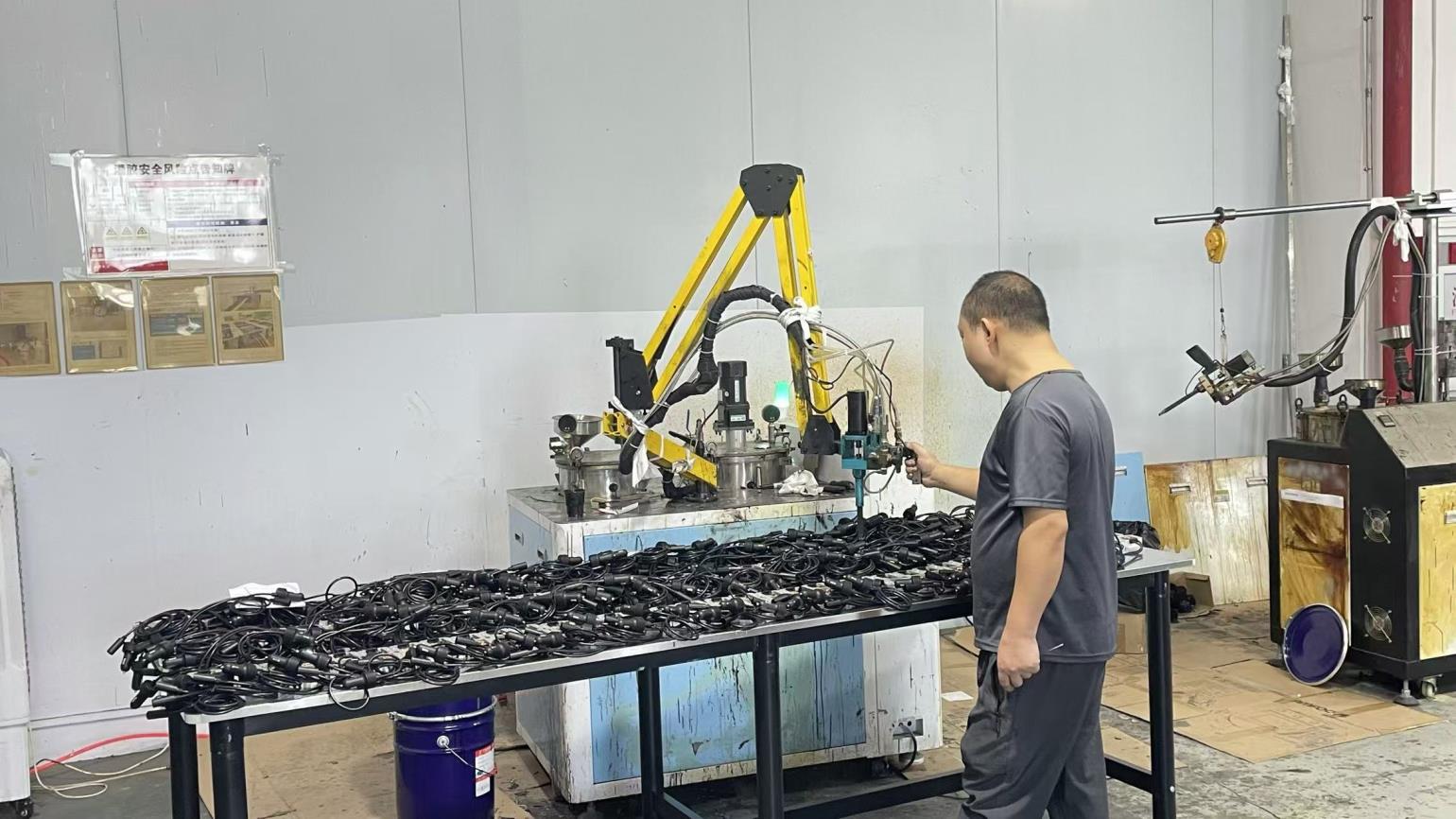

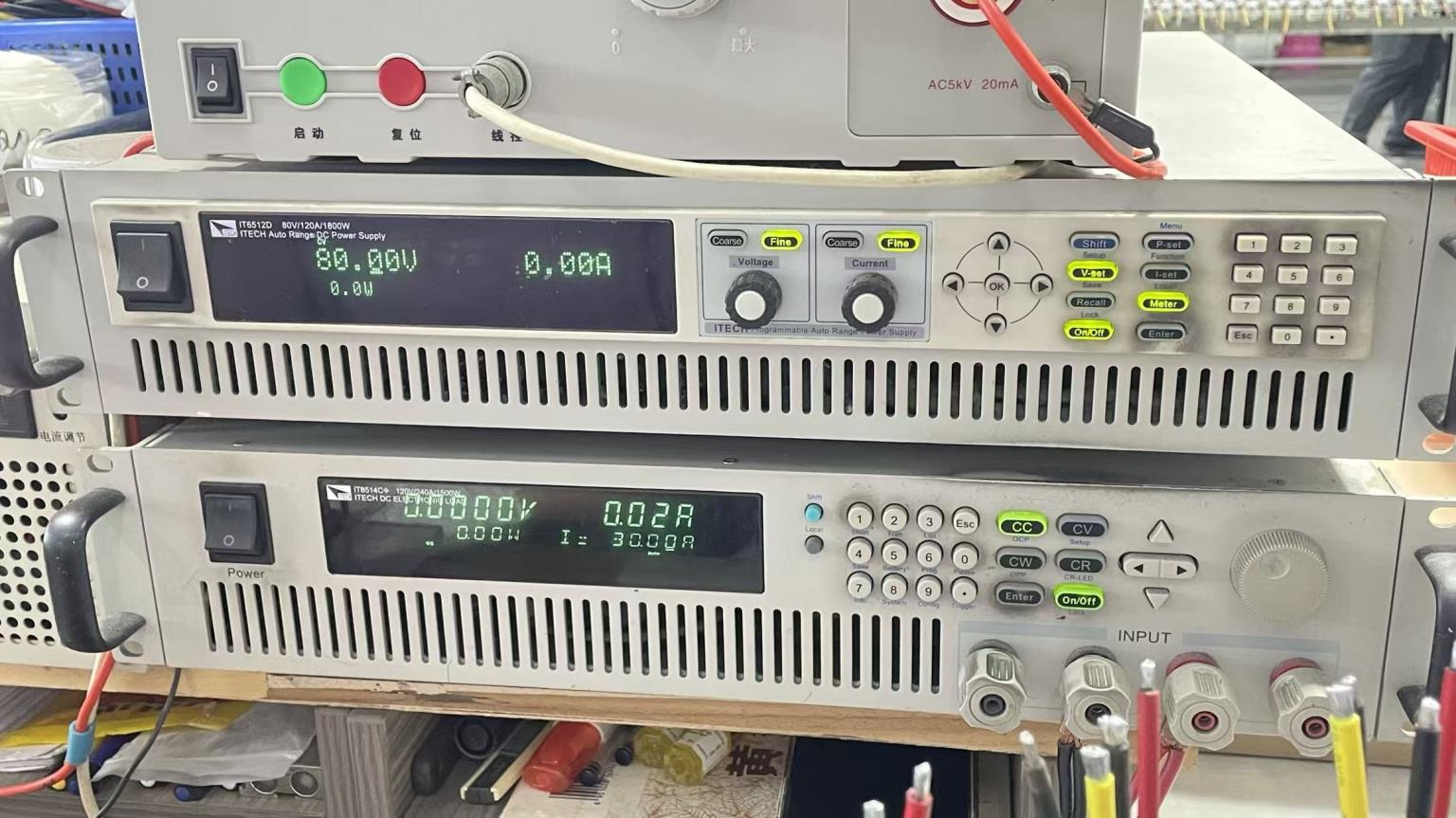

Industrial production environments face power grid noise, temperature shifts, and transient load spikes. Our high-voltage solutions provide system isolation and continuous line monitoring. By maintaining a 15-year engineering background in high-power systems, our designs support several key applications:
Electric vehicle batteries require stable, high-voltage DC currents during formation and testing cycles. Precise current profiles control ion flow, ensuring cell capacity is accurately characterized without triggering thermal runaway.
Semiconductor wafer processing relies on high-voltage power lines to drive plasma generators and ion sources. Minor changes in voltage can compromise silicon crystal integrity. Our regulated supplies maintain voltage ripple profiles under 0.1% to protect wafer runs.
High-power lighting grids used in horticulture and factory spaces require constant, flicker-free current profiles. Standard switching units can introduce high harmonic distortion. Our active line filtration designs help minimize EMI/RFI issues.
Insights on engineering selections, efficiency metrics, and installation setups.
Semiconductor systems depend on high-voltage lines for plasma generation and thin-film deposition. Minor voltage fluctuations can cause thickness variations on the wafers, reducing yields. Regulated power supplies help maintain the plasma field under shifting load conditions.
An 89% conversion efficiency reduces power dissipation within the supply chassis, lowering thermal stress on internal capacitors and inductors. This reduction in heat helps extend the lifespan of critical components.
Computer testing checks output parameters across simulated operational conditions, while manual inspection verifies chassis connections, mechanical seals, and connector integrity. This process helps us maintain a 99.9% factory pass rate.
Ocean transit exposes shipping containers to temperature fluctuations and high humidity, which can lead to moisture condensation on printed circuit boards. We seal units inside vapor-impermeable barriers with desiccant packs to prevent moisture ingress.
Explore our full range of single-output switching power supplies engineered for industrial applications, charging systems, and line regulation.