Voltmat Power
Voltmat Power
Voltmat Power
Explore our top 8 high-performance switching power supplies engineered for industrial automation, renewable testing, and high-power applications.
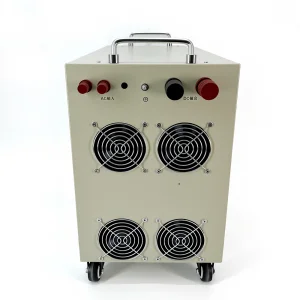
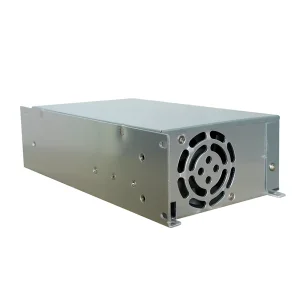
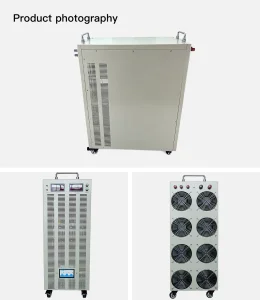
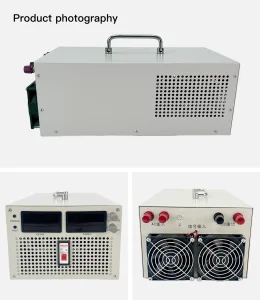
In today's fast-evolving industrial landscape, high-power DC switching power supplies serve as the foundational bedrock for automation, high-precision test instrumentation, electrochemical plating, e-mobility charging infrastructure, and laboratory research. The historical transition from linear regulators to Switch-Mode Power Supplies (SMPS) marked a crucial paradigm shift, optimizing efficiency from a meager 40% to upwards of 90%. As technologies demand tighter tolerances and massive load ranges, the role of a specialized DC power adapter factory has grown more sophisticated.
Contemporary topologies utilize high-frequency switching technology, often operating in the range of 50 kHz to several hundred kilohertz, allowing for drastic reductions in the physical size of inductors and transformers. Advanced architectures incorporate Resonant LLC or Phase-Shifted Full-Bridge (PSFB) conversion schemas to achieve Zero Voltage Switching (ZVS) and Zero Current Switching (ZCS), minimizing switching losses and thermal output. This technological baseline enables single output units to scale from 600W up to massive 24,000W blocks, capable of regulating voltages from 12V to 1000V DC with extreme accuracy.
Strategic sourcing managers across North America, Europe, and the APAC region are moving away from fixed-voltage power rails in favor of digitally adjustable, wide-input, and wide-output DC power adapters. The rise of industrial Internet of Things (IIoT) platforms requires DC supplies that can communicate telemetry data—such as output current, system temperature, and operational stability status—via protocols like RS485, Modbus, or CAN bus.
Another major global shift is the push for energy efficiency. Organizations targeting carbon neutrality are mandating active Power Factor Correction (PFC) circuitry with a PF exceeding 0.95, which significantly reduces line harmonics and spatial current draws. Whether it is powering hydrogen electrolyzers, evaluating electric vehicle drivetrains, or driving industrial LED matrices, modern global operations demand robust, single-source power structures that minimize thermal dissipation.
“Supply chain stability is no longer just about the lowest unit cost. Global enterprises require high thermal engineering margins, extensive regulatory compliance, and a factory partner capable of fast OEM/ODM adaptations.” – Senior Procurement Analyst, Power Grid Systems
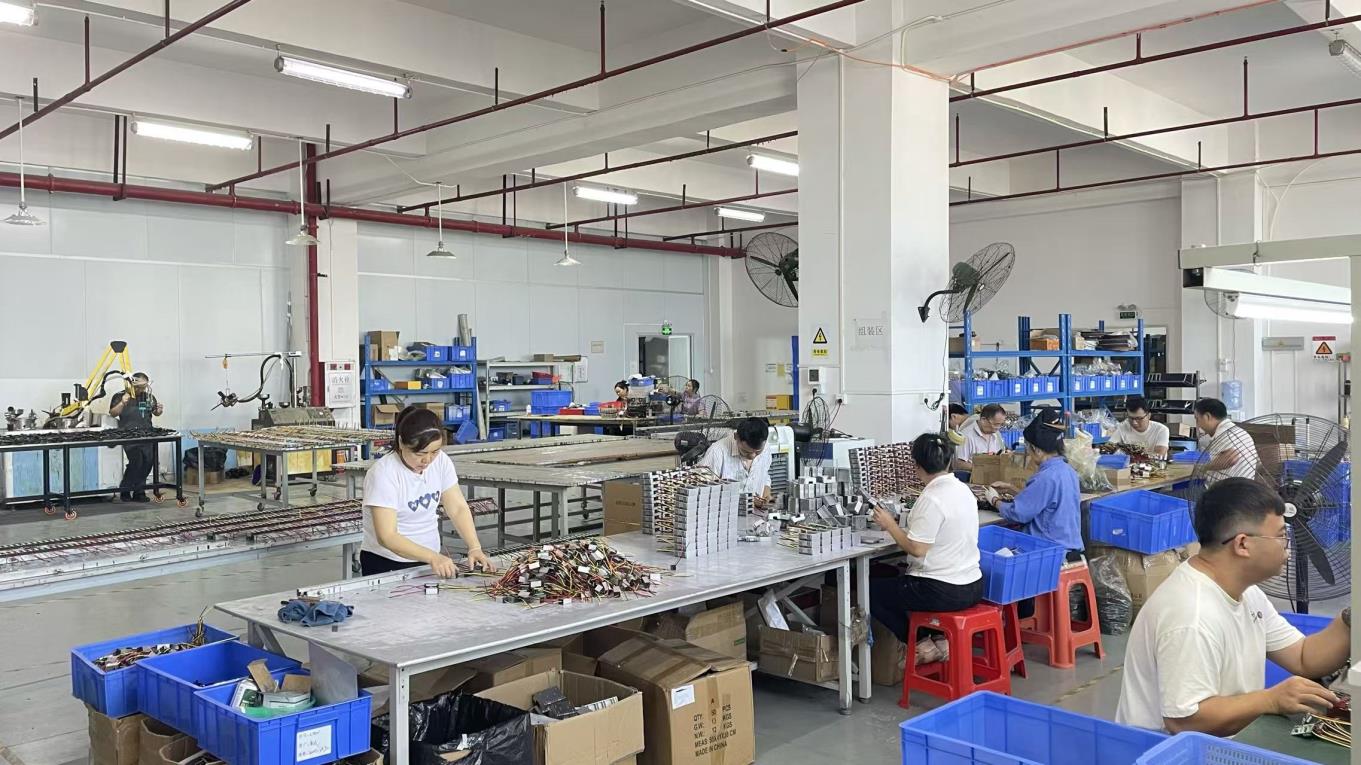
At our state-of-the-art facility located in Shanghai, we have integrated Industry 4.0 paradigms to meet the stringent demands of global buyers. Spanning over 10,000 square meters, our facility streamlines the movement of raw silicon, heavy-gauge copper winders, magnetic cores, and aluminum chassis through optimized material processing pathways. Shanghai's world-class shipping hubs allow us to dispatch large-volume orders quickly, minimizing international freight lead times.
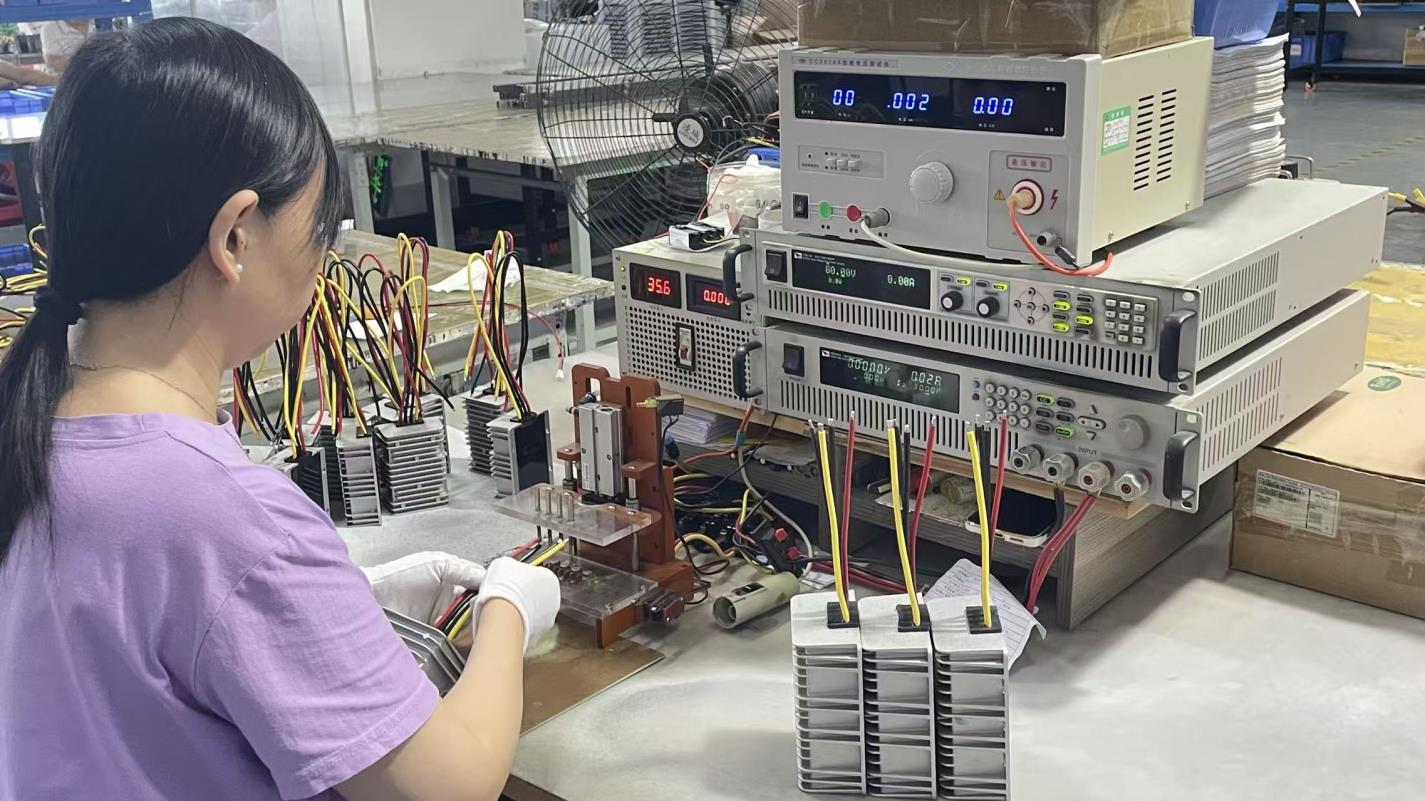
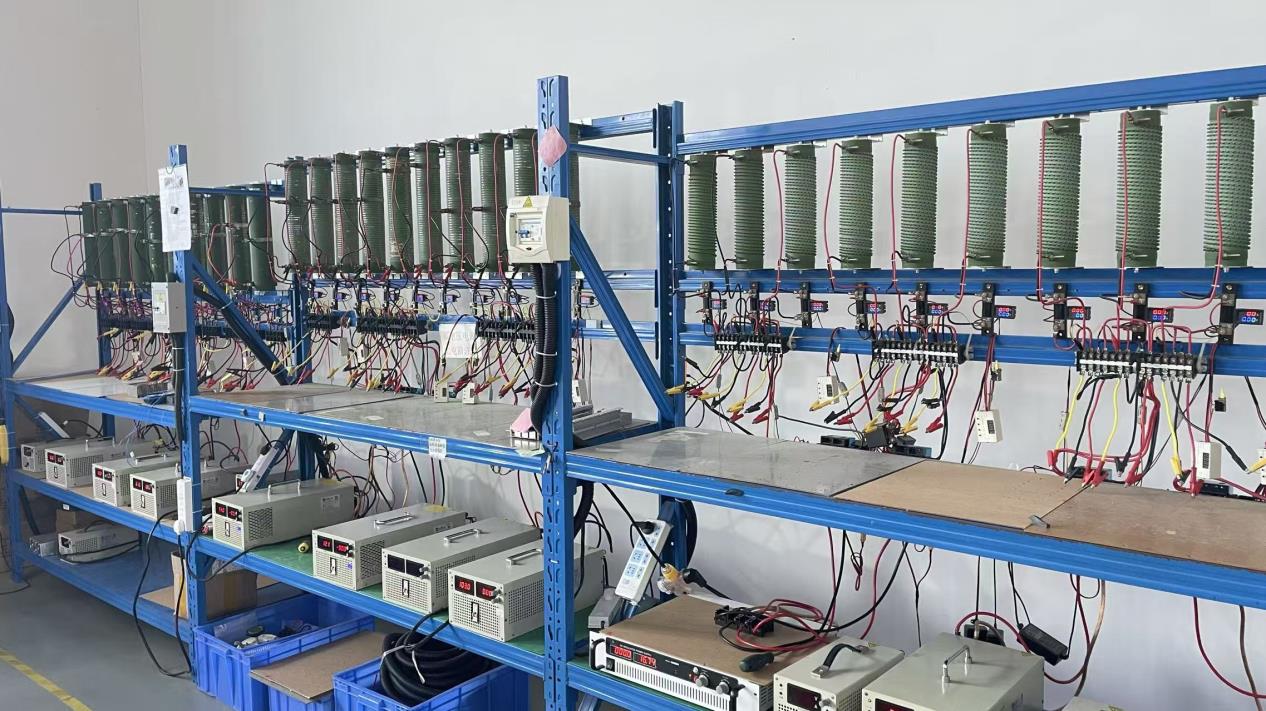
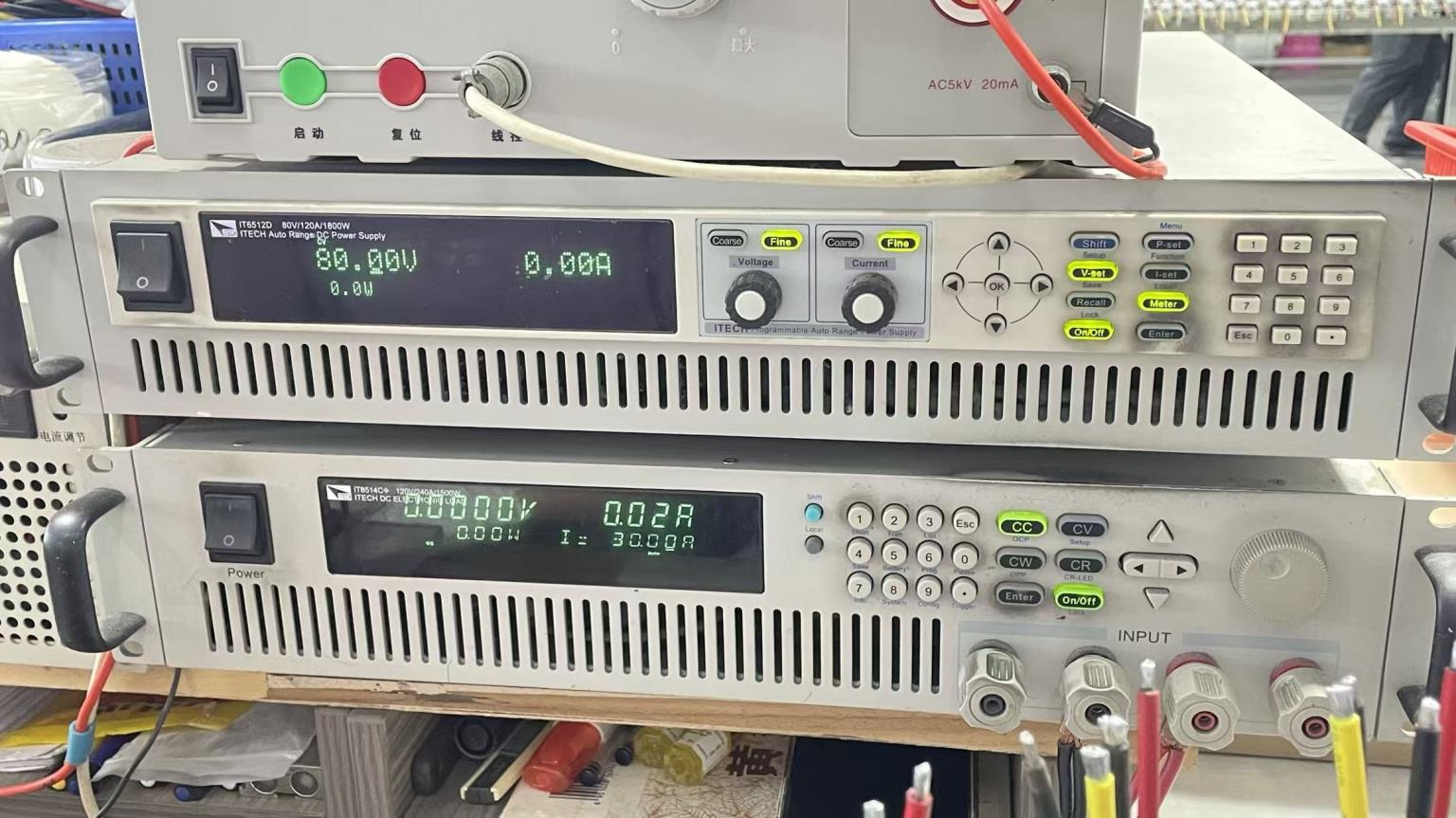
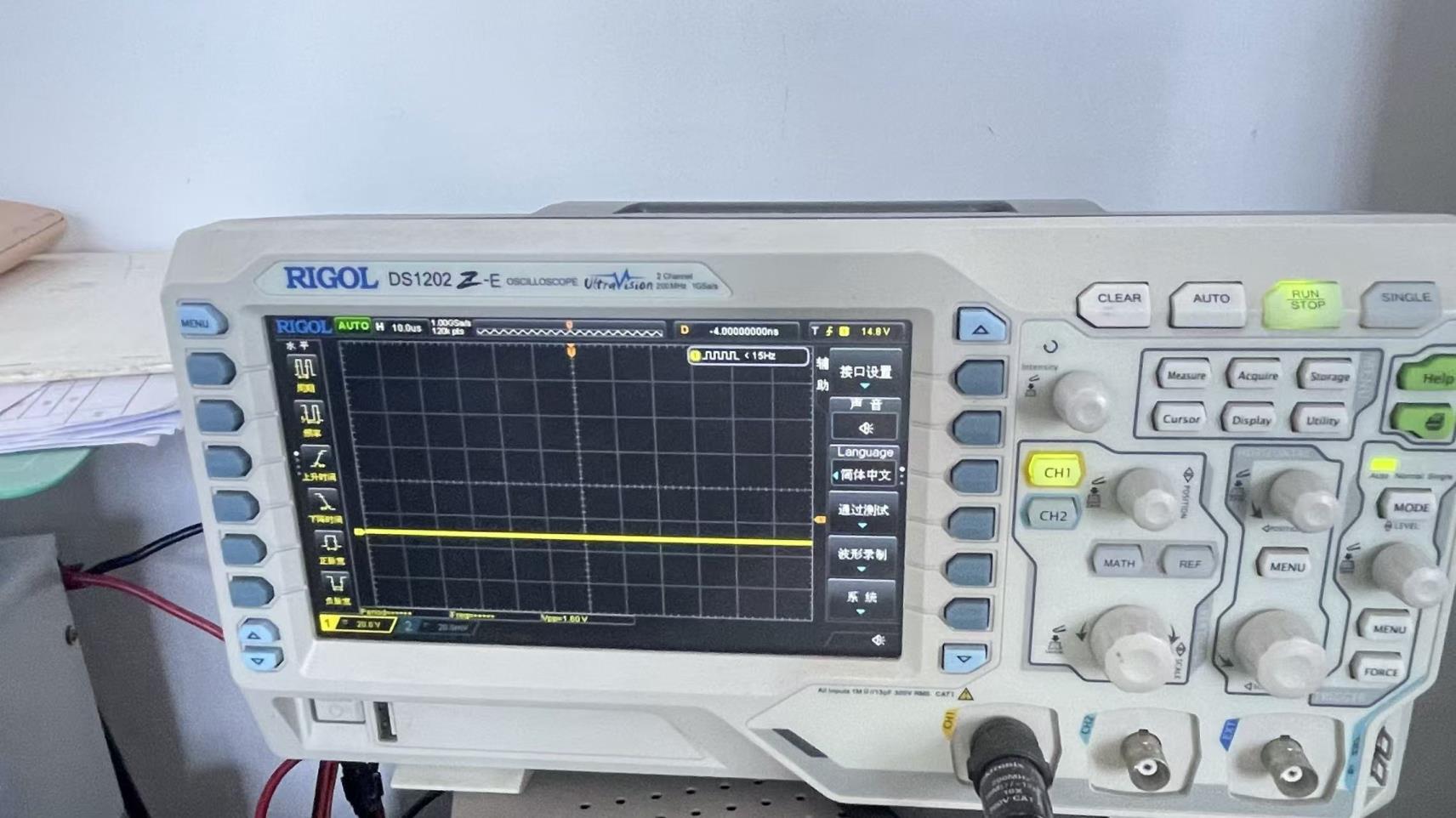
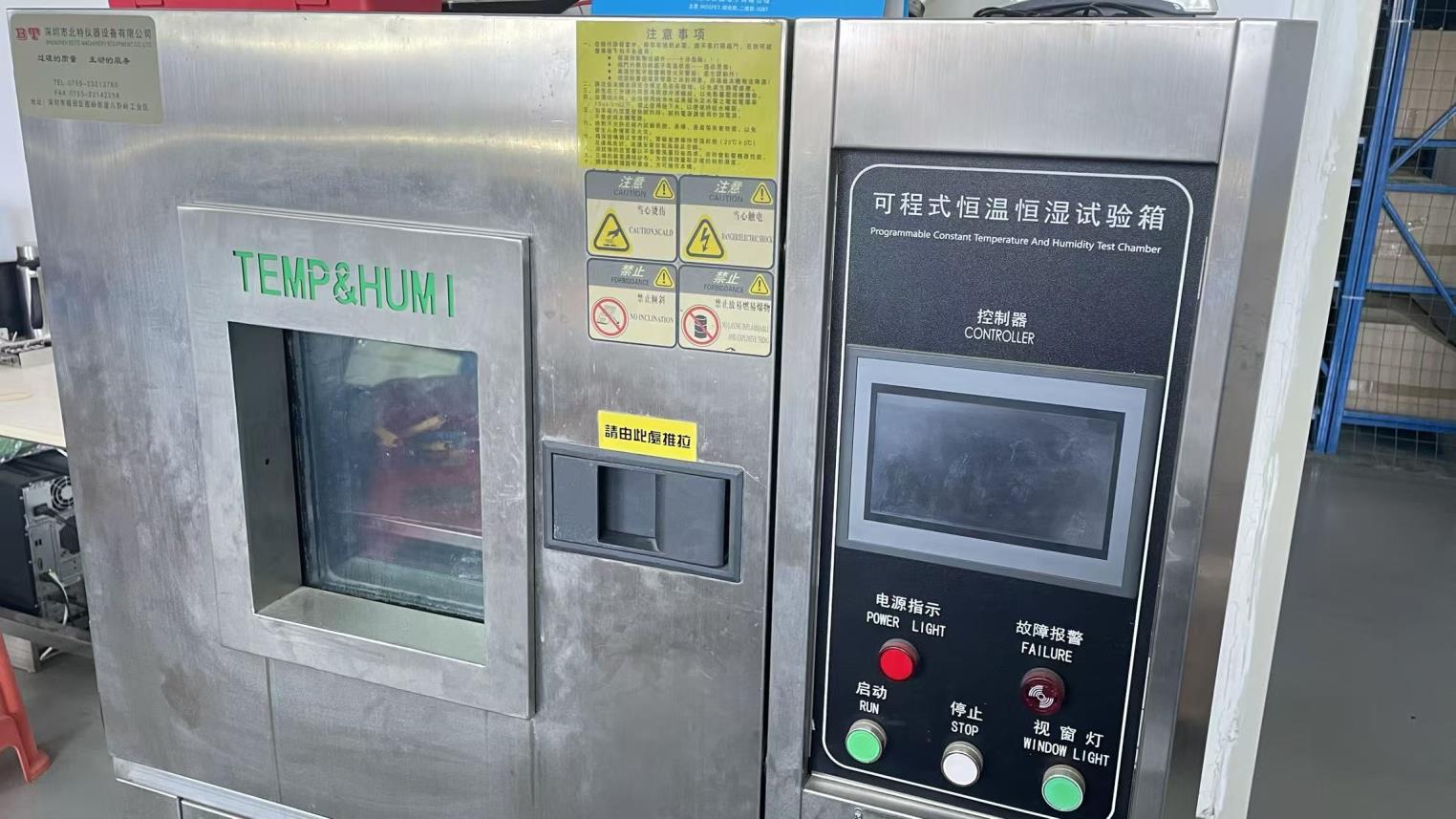
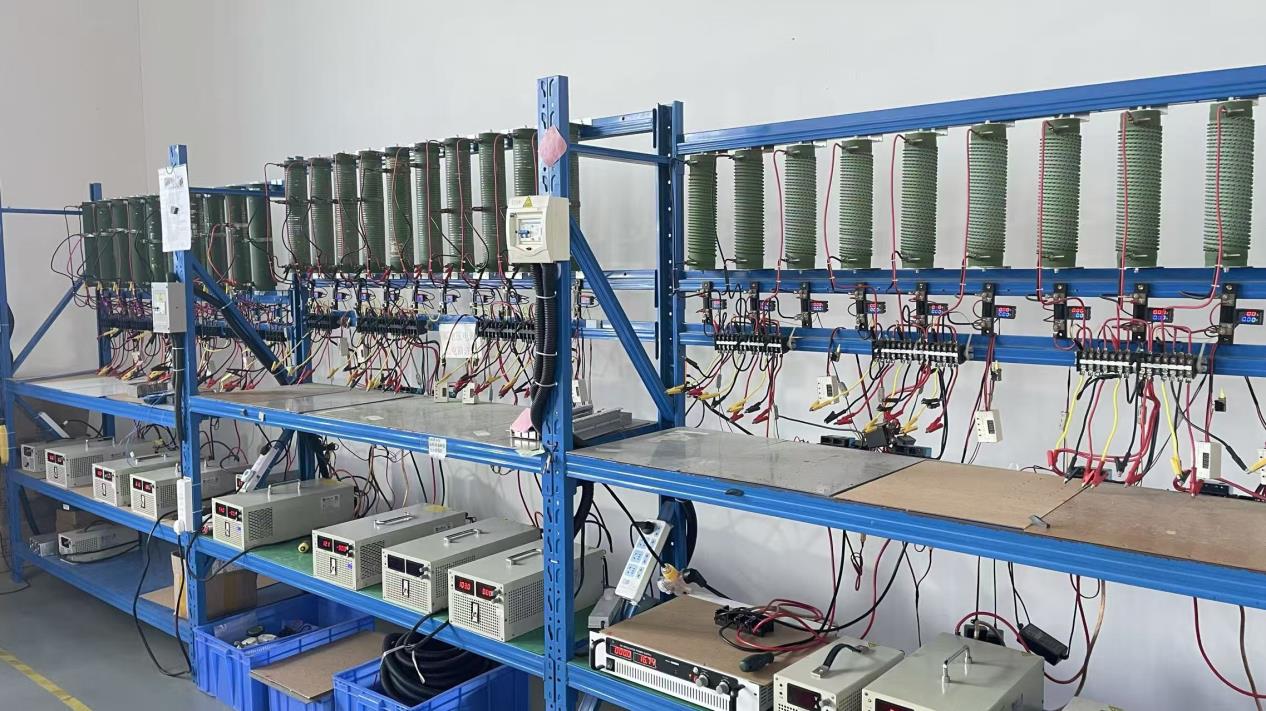
Our factory operates on a dual-stage quality control matrix. First, every component batch is validated through computer-controlled testing before insertion. Second, manual diagnostics and multi-hour high-temperature load testing (burn-in tests) verify system performance under real-world stress. This strict QA pipeline guarantees an industry-leading product qualification rate of 99.9%.
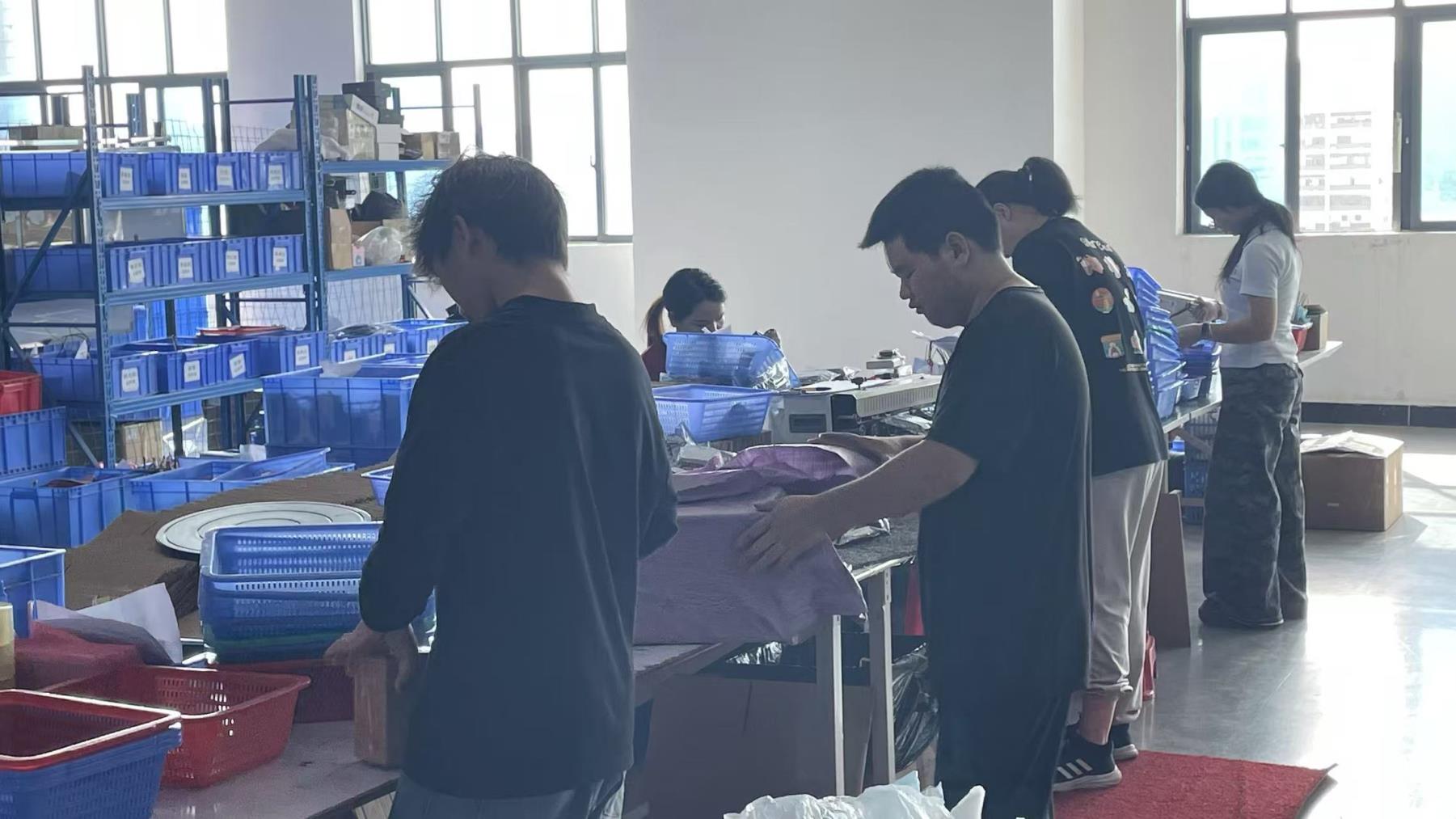
From raw engineering designs to automated assembly and stress tests, review the processes and machinery that define our manufacturing quality.



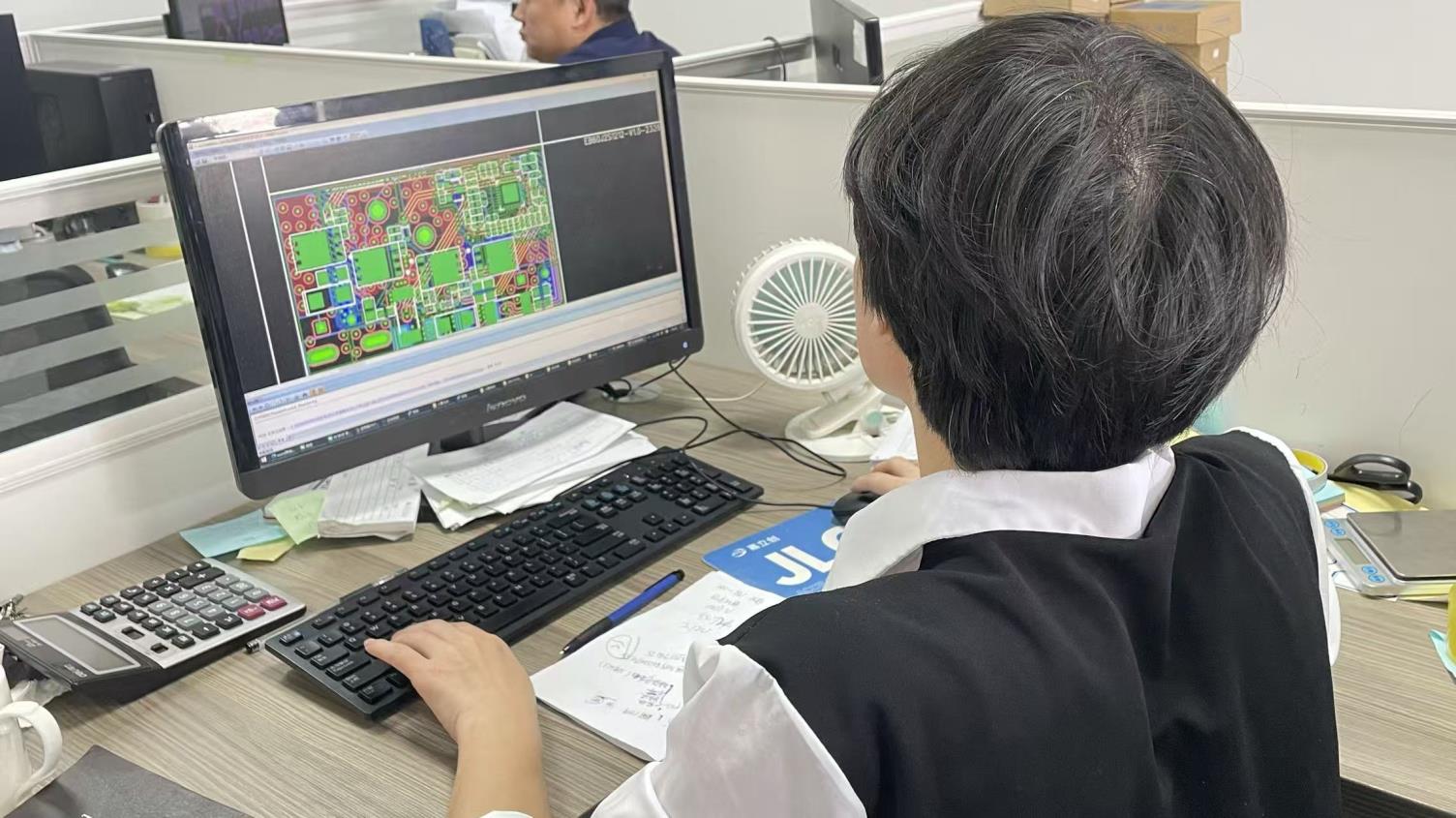

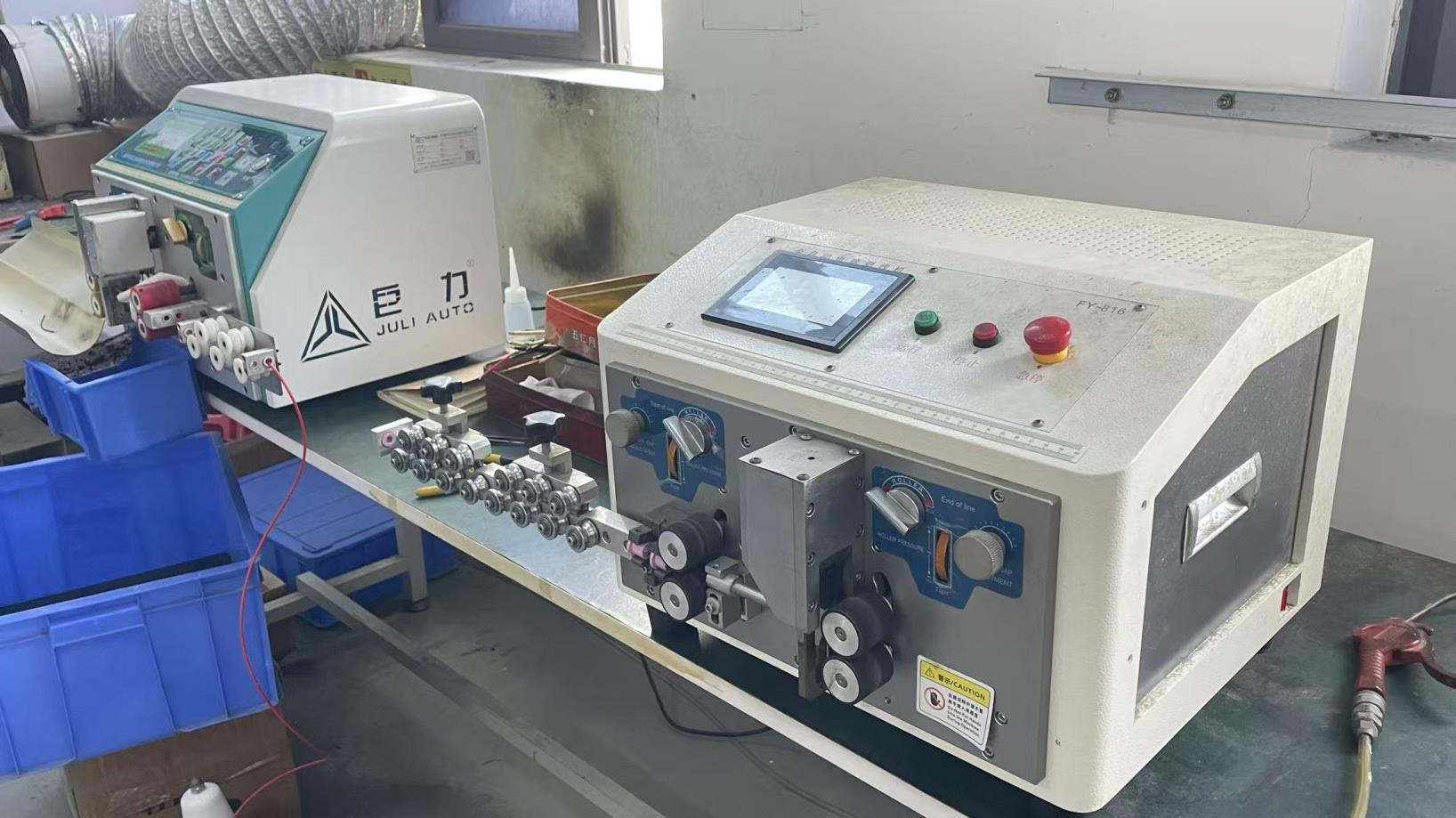

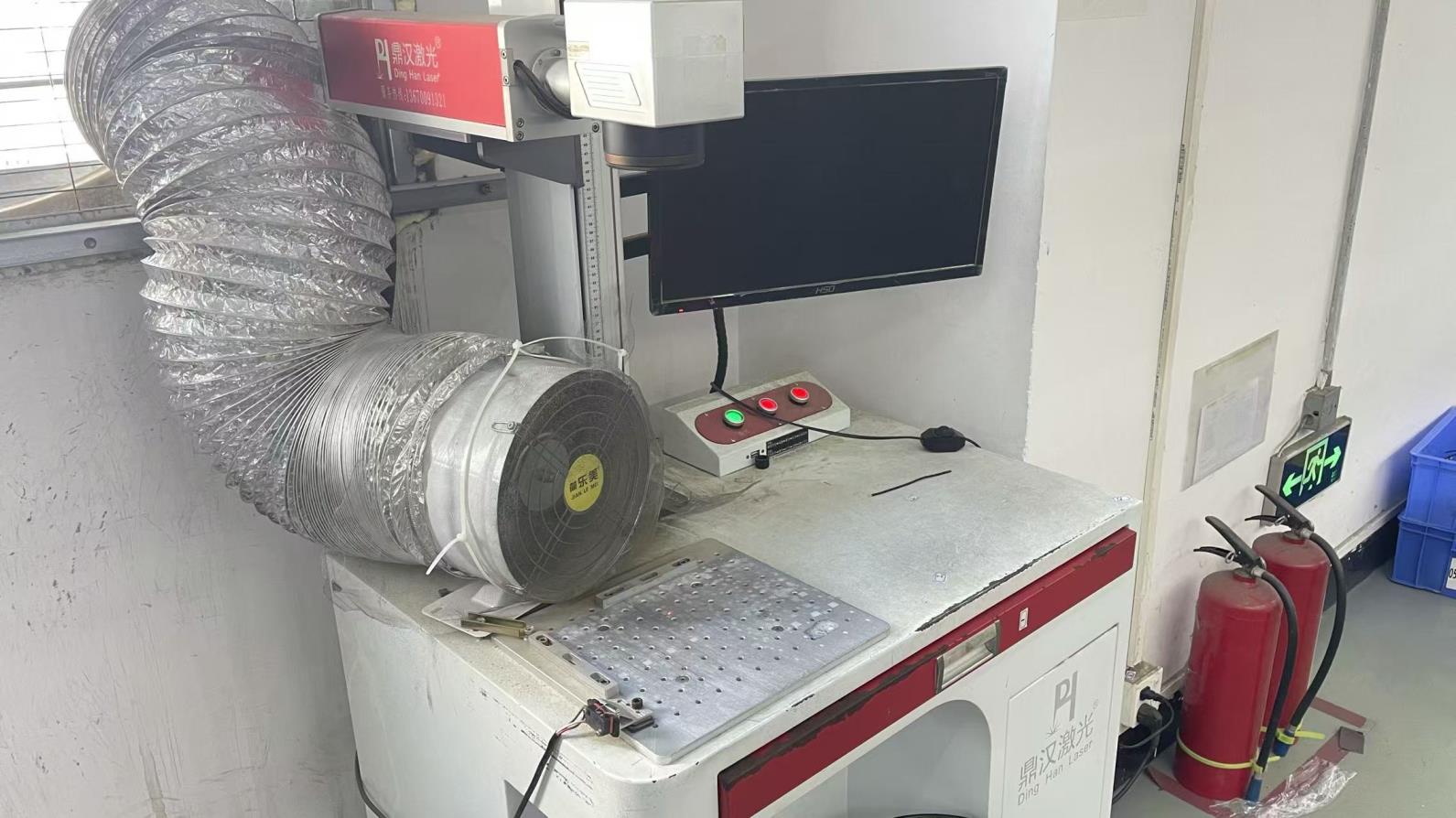
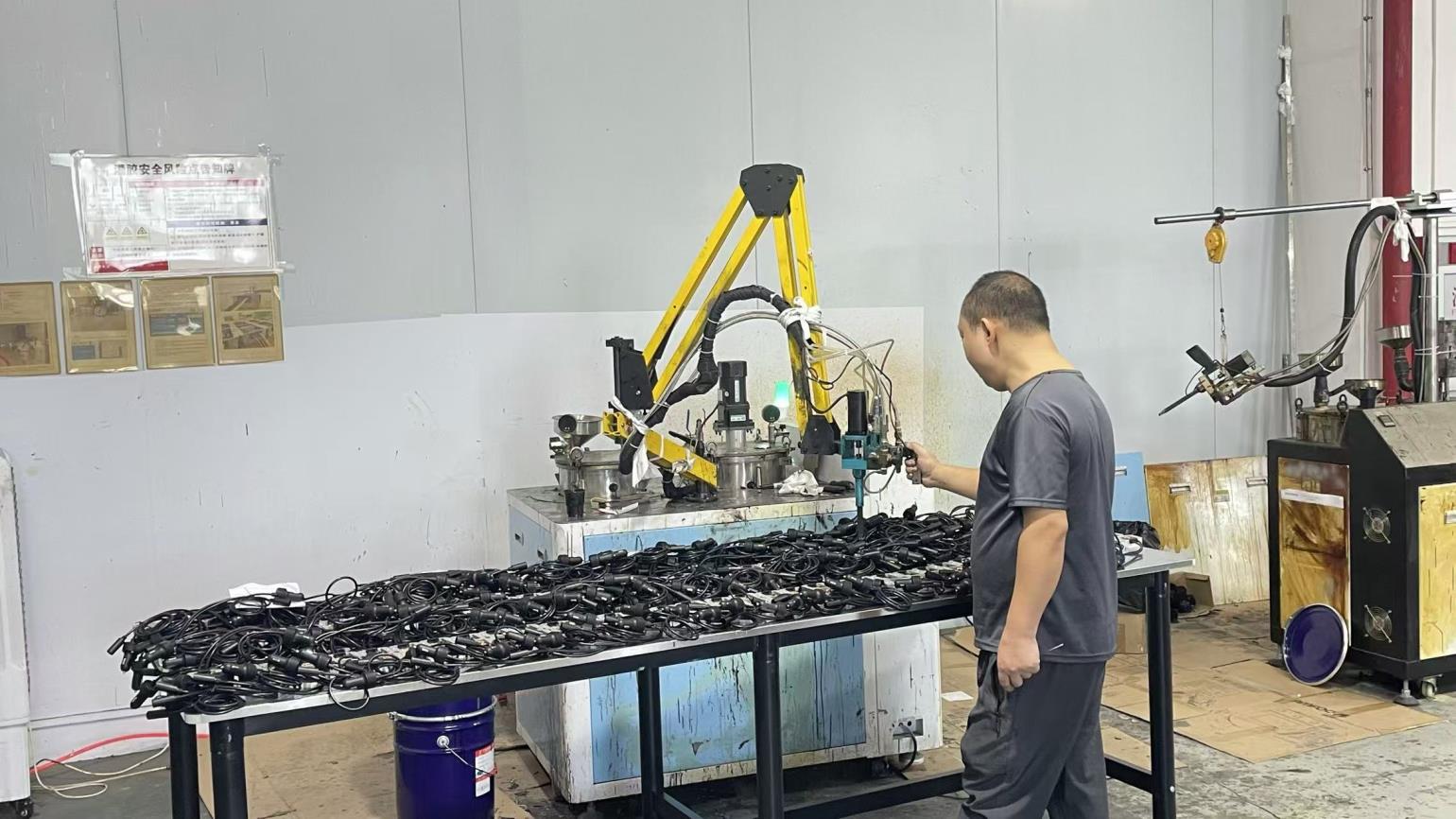


High-stability DC switching regulators operate across diverse environment types. The primary application vectors include:
Exporting high-precision electronic equipment worth thousands of dollars requires secure logistics engineering. Heavy capacitors, inductive coils, and digital displays can easily degrade under moisture or physical impacts.
We employ a robust, 4-tier packaging strategy designed to withstand long ocean transits:
Get professional technical insights directly from our engineering team in Shanghai.
Our quality assurance program is built on dual-layer diagnostics. First, automated testers check each circuit board's electrical safety and voltage tolerances. Second, experienced technicians conduct a final verification. Finished products also undergo high-temperature burn-in testing to prevent early component failures.
Yes. Many of our models (e.g., the 10000W and 18000W adjustable series) feature analog control inputs (0-5V or 0-10V) or digital communication protocols (RS485/Modbus). This allows system integrators to easily control the power supply output using PLCs or custom test software.
Shanghai houses the world's busiest container port and a massive logistics network. This direct connectivity translates to shorter transit times, simplified customs processing, and lower shipping costs for our global customers.
Our industrial DC power supplies include comprehensive protection suites: Overvoltage Protection (OVP), Overcurrent Protection (OCP), Overtemperature Protection (OTP), and Short Circuit Protection (SCP). The system will automatically shut down or limit output during faults, protecting both the power supply and connected equipment.
Our second series of high-power converters, optimized for stable continuous operation and heavy industrial demands.