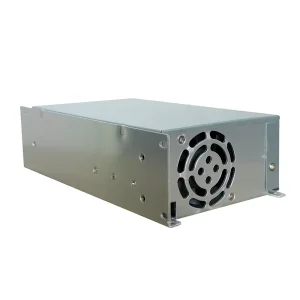
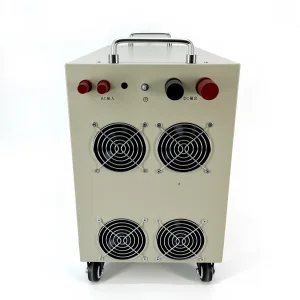
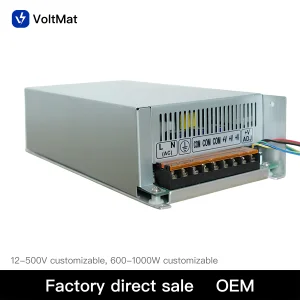
Voltmat Power
Voltmat Power
Voltmat Power
High-efficiency, single and adjustable output architectures designed for dynamic voltage calibration and extreme reliability.
Exploring the convergence of high power density, digital telemetry, and compliance-first power architecture in modern commercial networks.
The modern industrial and commercial landscapes demand robust, highly efficient electrical conversion infrastructures. Standard single-rail topologies, while effective for basic configurations, introduce system bottlenecks, electromagnetic cross-talk, and excessive hardware footprint in complex multi-voltage systems. This engineering hurdle has driven the industry-wide evolution toward CE Certified Dual Output Power Supplies.
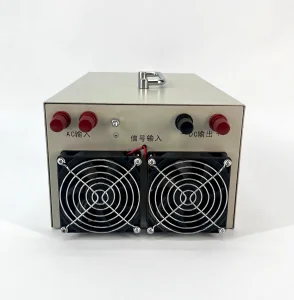
Dual output systems function as dual-channel power delivery units integrated on a single chassis. By delivering two separate voltages (such as +5V/+12V, +12V/+24V, or custom high-voltage differentials up to 1000V DC) from a unified AC or DC input, engineers reduce system complexity, eliminate unnecessary cabling, and mitigate electromagnetic interference (EMI). These attributes are critical in high-reliability applications, where uninterrupted uptime directly influences operational profitability.
By leveraging wide-bandgap (WBG) semiconductors like Silicon Carbide and Gallium Nitride (GaN), our power supplies decrease switching energy losses by up to 50% compared to traditional silicon components.
Integrating PMBus, MODBUS, and CANopen protocols enables real-time voltage tracking, current consumption metrics, and thermal diagnostic outputs directly to industrial PLCs and servers.
Our dual output power systems utilize galvanic isolation between output rails. This prevents digital noise feedback from contaminating sensitive analog measurement components.
Purchasing a dual output power supply is not merely a cost-saving transaction; it is a calculated reliability upgrade. Minimizing the component count directly translates to an increased Mean Time Between Failures (MTBF) and a reduction in heat signatures across your equipment panels.
Managing regulatory compliance, supply chain risks, and Total Cost of Ownership (TCO) in complex, cross-border engineering projects.
Enterprise procurement departments face systemic challenges when procuring electrical equipment. Ensuring CE certification (covering both Low Voltage Directive 2014/35/EU and EMC Directive 2014/30/EU) is a mandatory compliance baseline for the European Economic Area (EEA), but it is equally vital for global projects that require strict adherence to international safety metrics. Sourcing managers must evaluate three critical operational pillars when finalizing industrial suppliers:
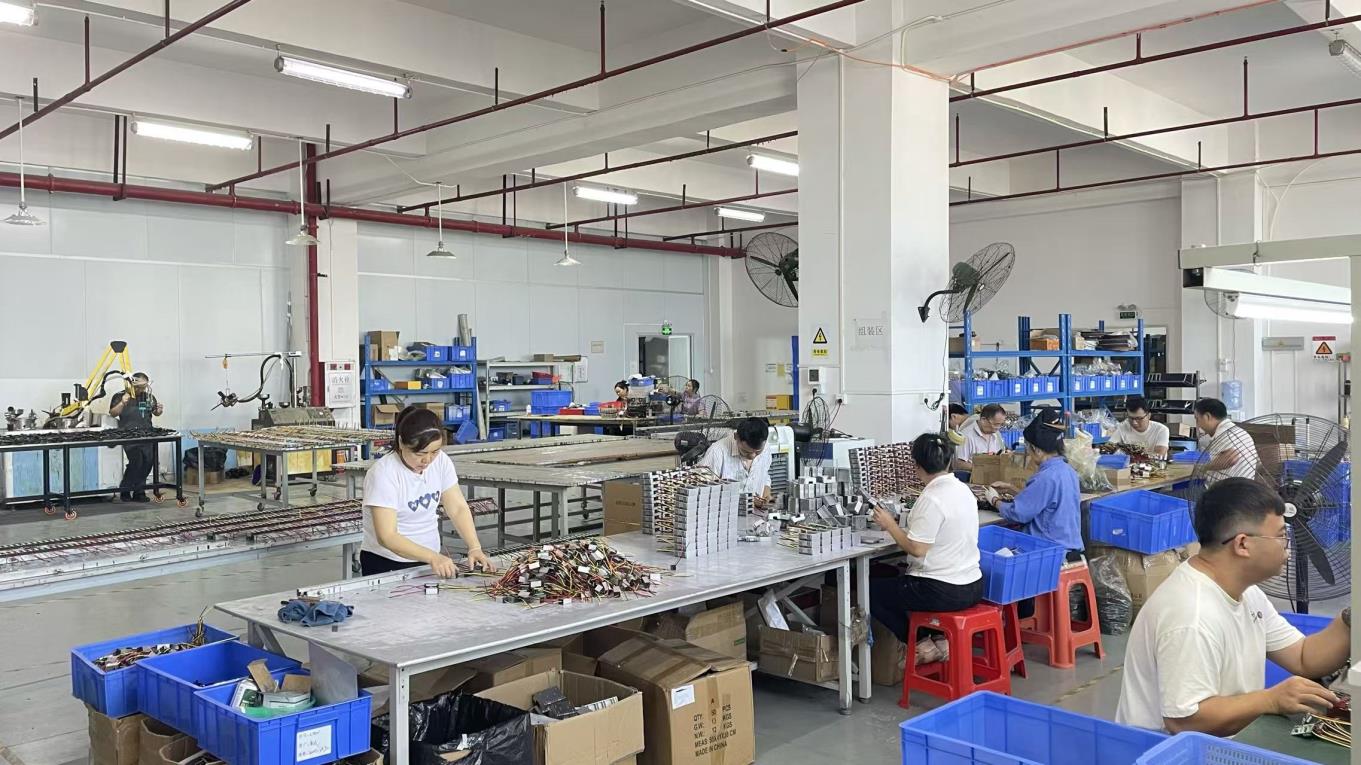
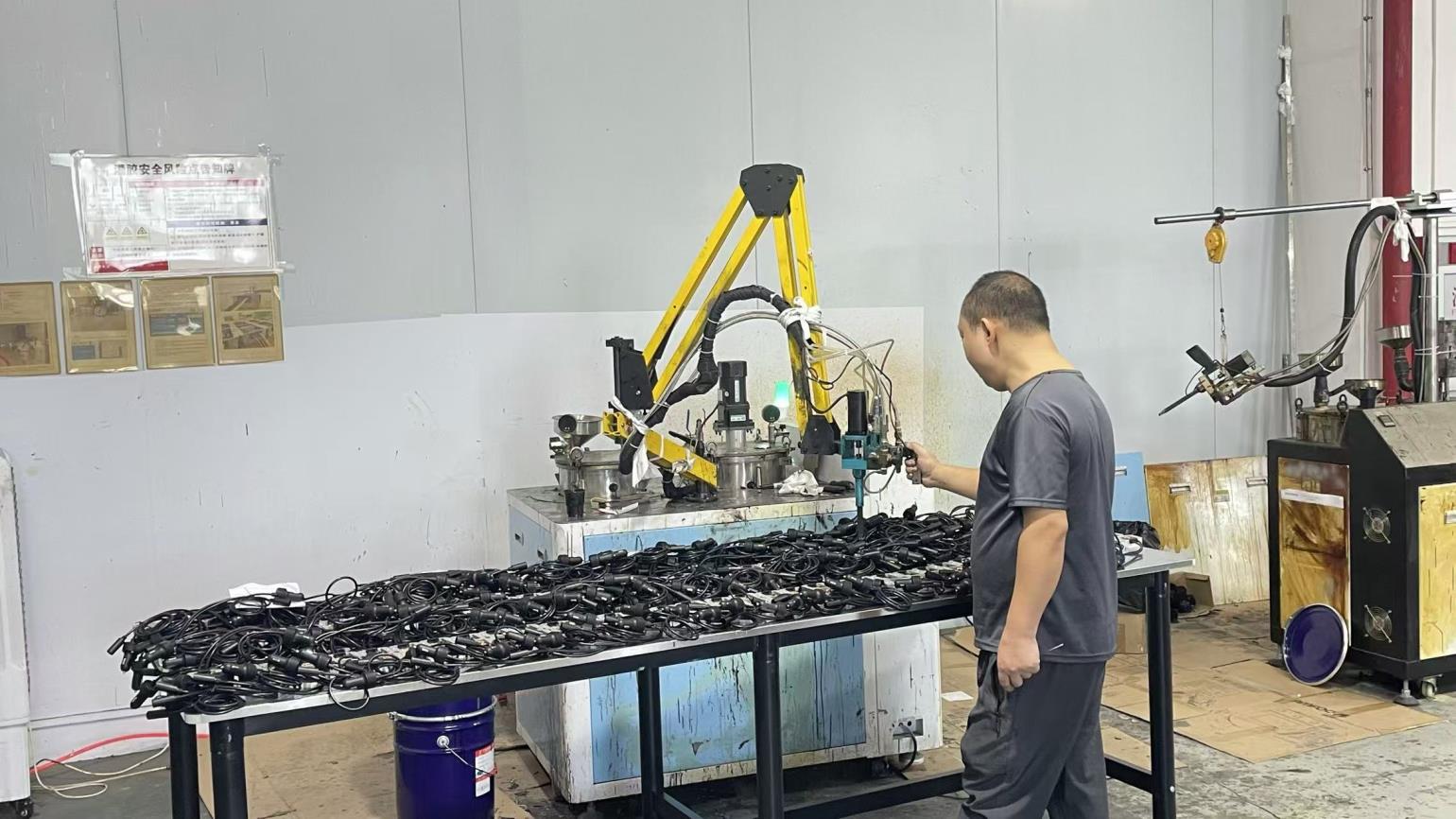
Operating from a modern 10,000 square meter production facility in Shanghai, China, our manufacturing infrastructure incorporates the principles of Industry 4.0. Shanghai’s deep-water ports and developed logistics corridors ensure efficient outbound shipping, which helps reduce international transit times and costs.
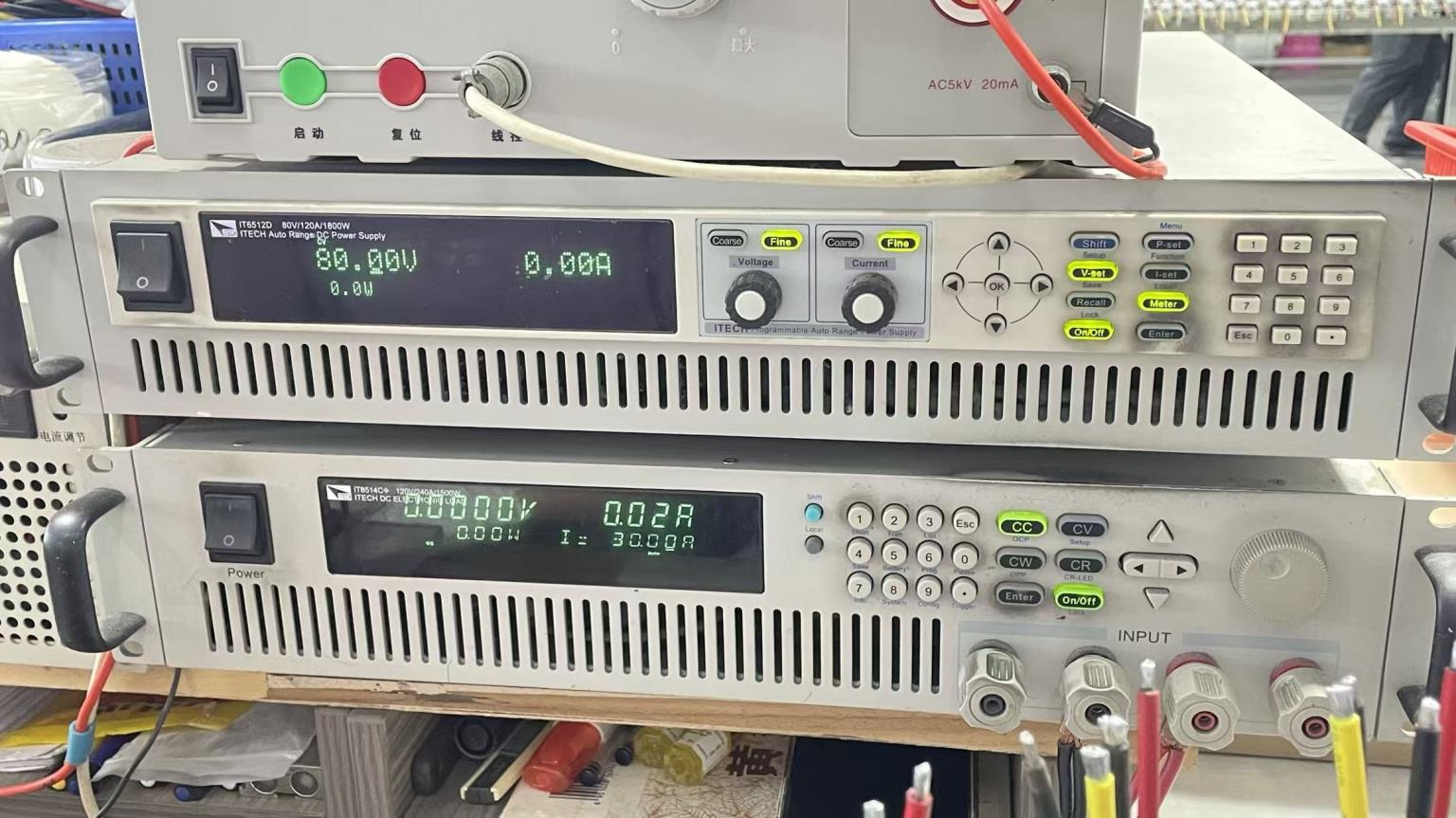
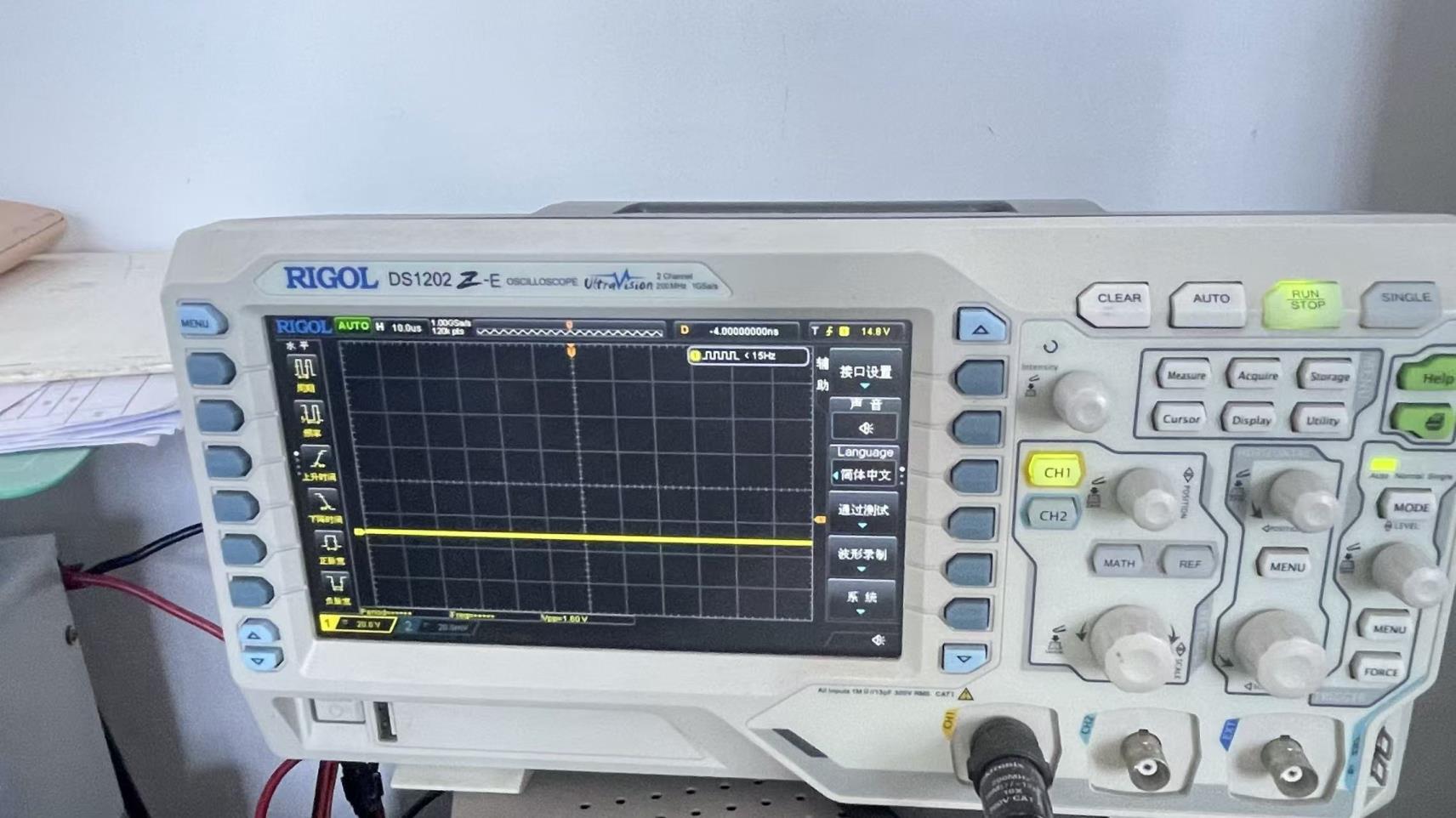
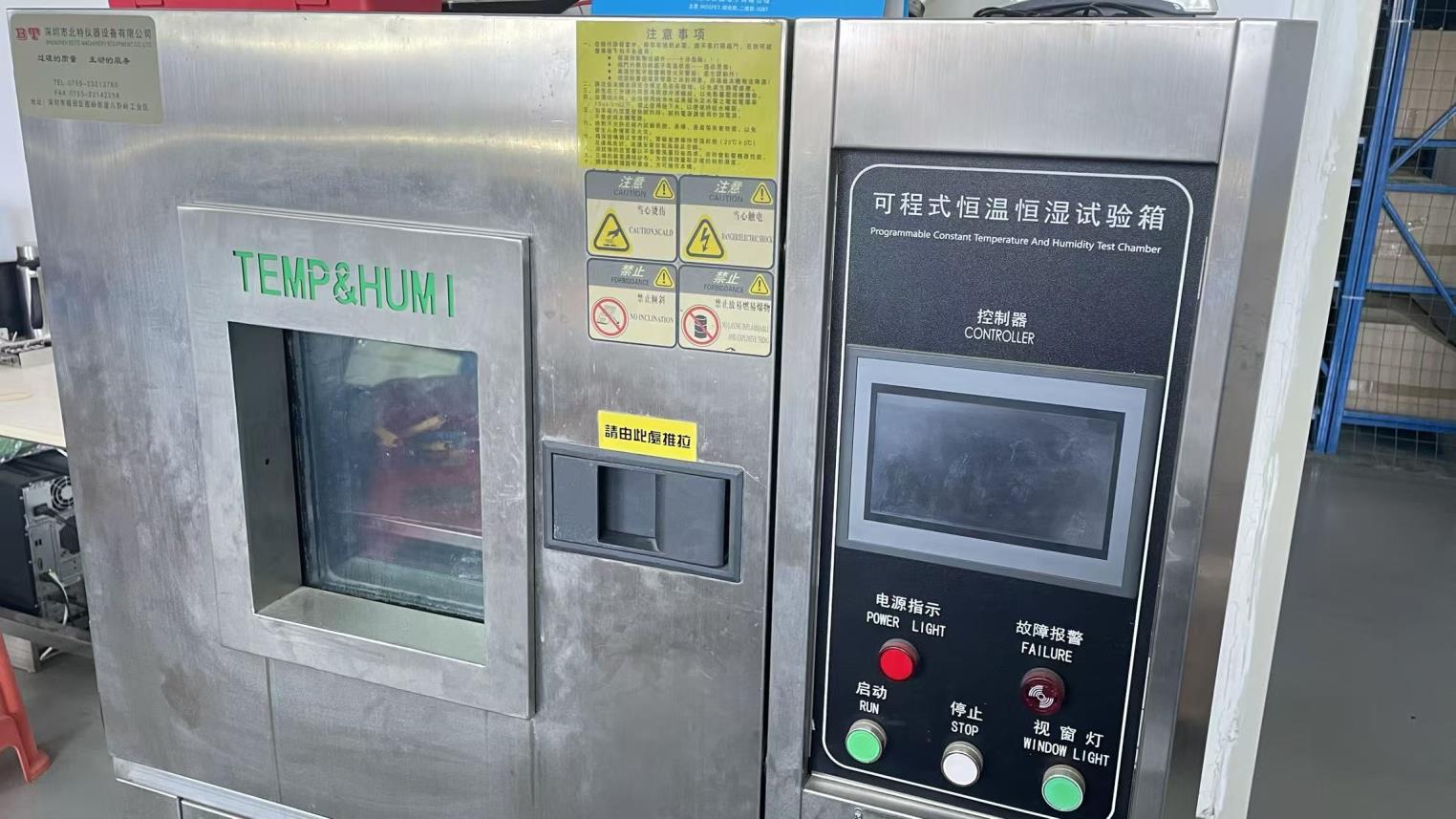
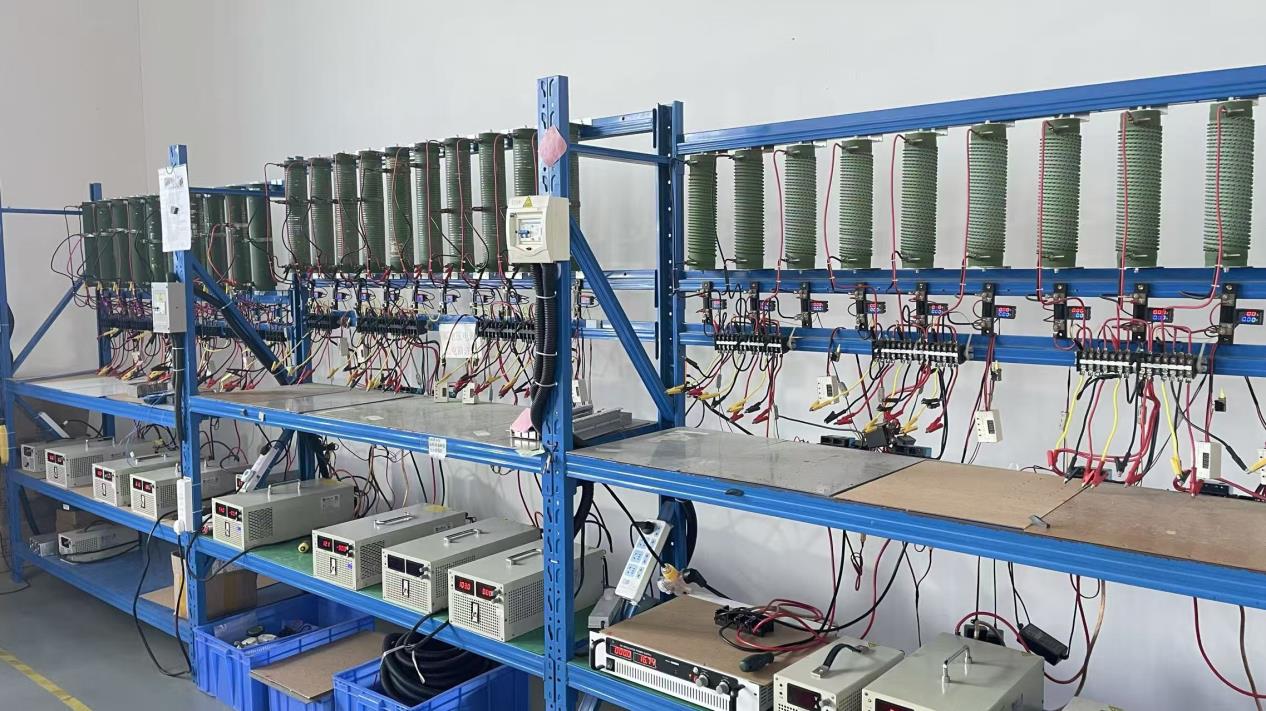
For 15 years, our facility has specialized in engineering and producing high-power regulated power supplies. Our production model balances advanced automated tooling with manual precision inspection. By employing computerized testing protocols alongside manual evaluations at two independent quality-assurance stages, we achieve a verified 99.9% factory qualification rate.
A transparent overview of our production stages, precision tools, and quality assurance processes within our Shanghai factory.


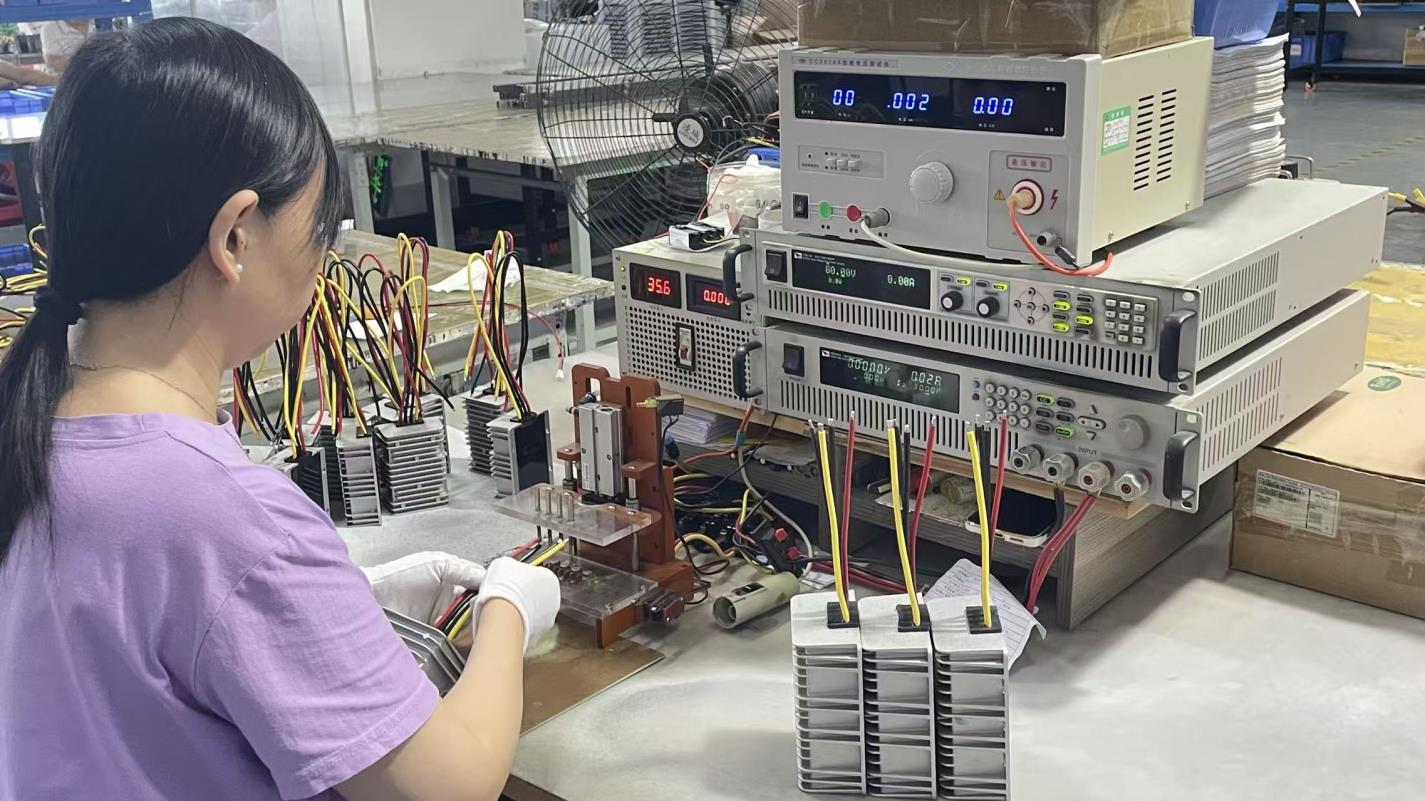

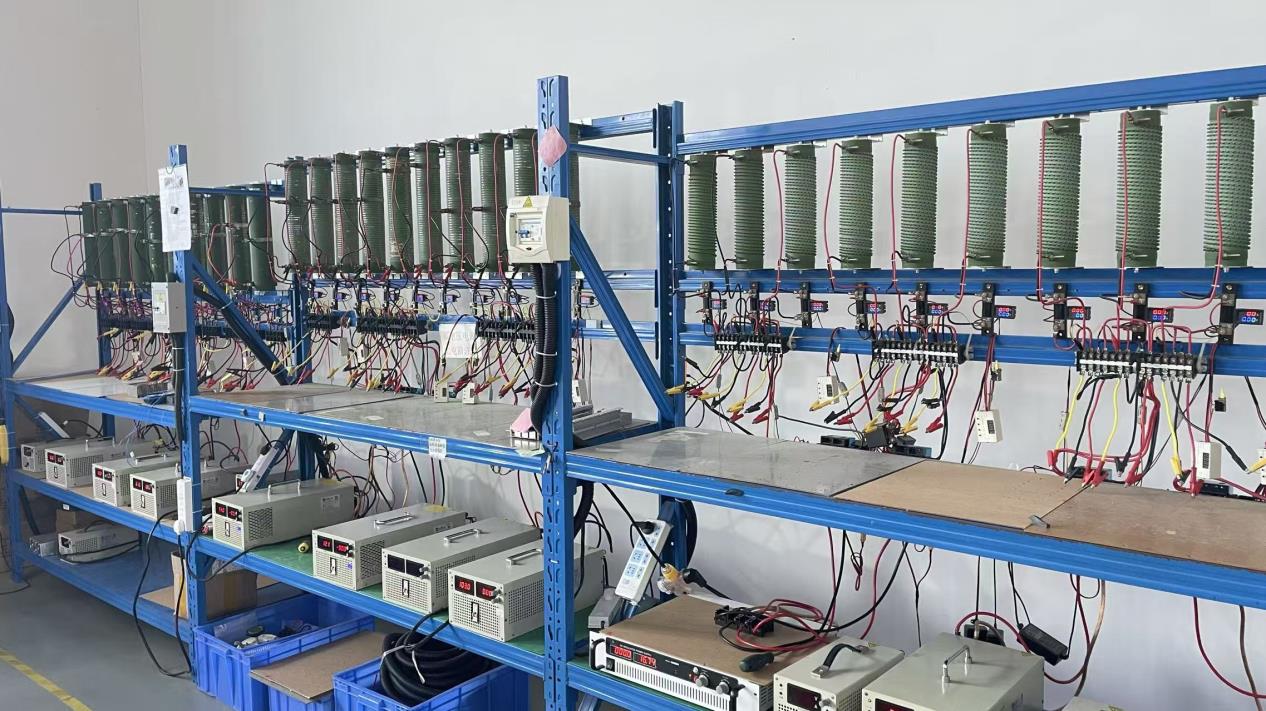


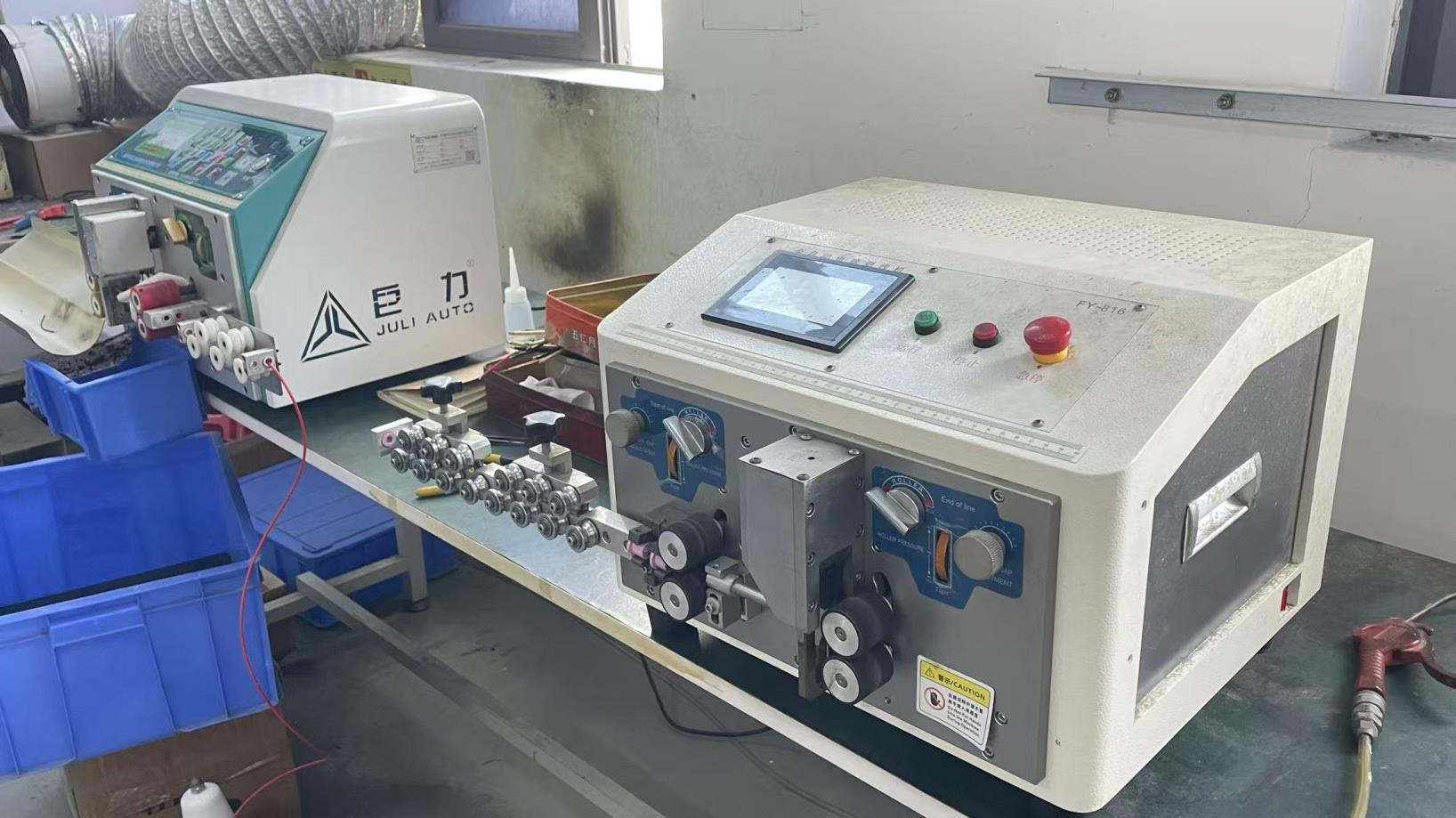

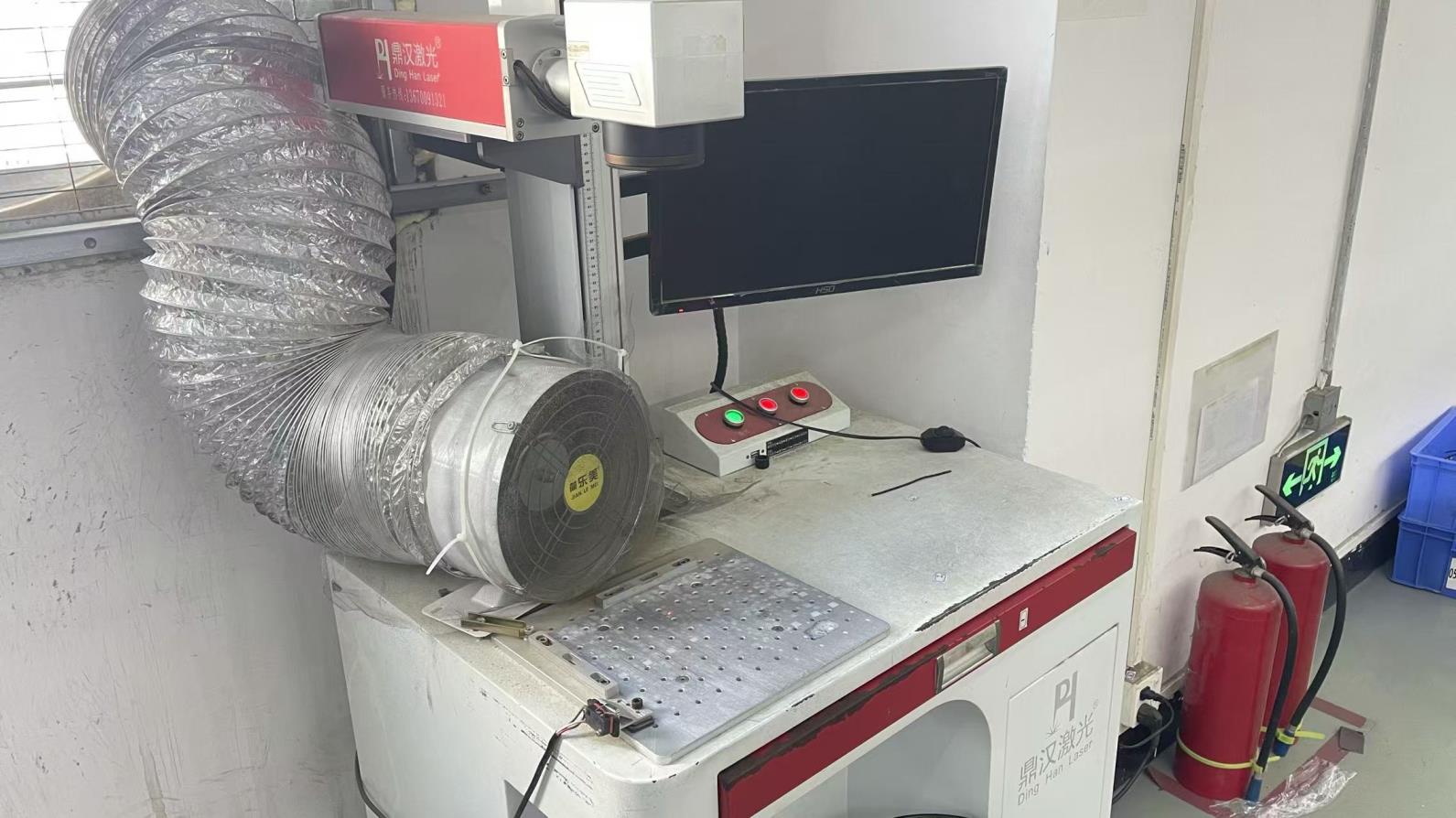



How our dual output structures and regulated high-power units solve critical power distribution issues globally.
Delivers high-current +24V DC to power mechanical actuators and PLC systems, while simultaneously outputting +5V or +12V DC lines to supply telemetry microcontrollers and diagnostic panels.
Provides isolated voltage lines to satisfy transceiver hardware needs, preventing RF signals from generating electrical noise that could degrade digital logic board operations.
Meets stringent leakage current and medical compliance standards. Dual channels isolate motor actuator currents from delicate digital imaging logic systems.
Every deployment environment presents unique challenges. For outdoor setups (such as telecommunications nodes or industrial control panels), thermal management is vital. Our design engineers optimize convection and forced-air cooling profiles. This prevents thermal localized hotspots and ensures components operate within safe thermal limits, even at full output capacities.
Furthermore, our robust export packaging configurations provide critical transit protection. Products are packed with moisture-proof layers to shield sensitive electronic components from maritime dampness, along with shock-absorbing foam inserts to buffer transportation vibrations. Units are then housed in thick outer boxes reinforced with solid wooden frames. This comprehensive packaging pipeline ensures that our power systems arrive at your facility ready for immediate integration.
Technical clarifications on dual output integration, regulatory compliance, and installation options.
A dual-output power supply houses two voltage conversion channels on a single chassis, sharing a unified input and primary filter stage. This design reduces system footprint, lowers overall component counts, improves reliability, and minimizes installation costs compared to wiring two separate units. It also simplifies grounding configurations and helps prevent ground loops.
Cross-regulation occurs when a load change on one output channel affects the voltage stability of the second channel. To address this, our engineers use independent linear regulators, post-regulation topologies, or isolated secondary windings. This configuration ensures that load variations on one channel do not disrupt the performance of the other.
Yes. We offer fully isolated dual-output models where the secondary windings and grounding circuits are completely separated. This prevents signal coupling and electrical noise transfer. This is particularly beneficial in configurations that combine sensitive analog sensors and high-frequency digital logic components.
To carry the CE mark, our power units comply with the Low Voltage Directive (LVD) 2014/35/EU (which addresses electrical safety) and the Electromagnetic Compatibility (EMC) Directive 2014/30/EU. This ensures the equipment operates safely under high-voltage loads and will not disrupt adjacent electronic systems through radiated or conducted EMI.
Yes. Our in-house R&D engineering division can customize voltages from 12V to 1000V DC and scale power output options to meet specific requirements. Please contact our technical sales team with your exact project details, including load steps, thermal limits, and physical footprint specifications.
High-voltage regulators, modular configurations, and stabilizing power devices for heavy-duty commercial and testing environments.