Voltmat Power
Voltmat Power
Voltmat Power
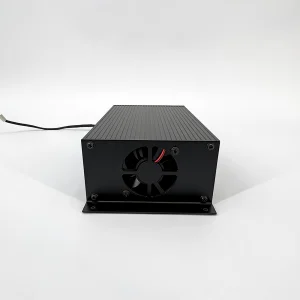
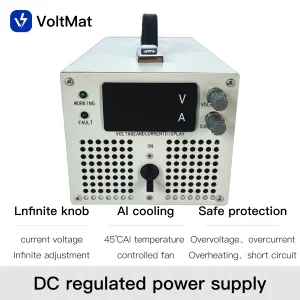
Explore our flagship high-power switching power solutions designed for heavy industries, aerospace testing, and precision research labs.


Understanding global supply dynamics, technological roadmaps, and thermal engineering challenges.
Modern industrial equipment architectures demand increasingly compact, highly efficient, and versatile power conversion systems. While classic layouts utilized discrete single-output power supply arrays, the global market is swiftly consolidating toward multi-output and modular dynamic DC architectures. This trend is heavily driven by the automotive, semiconductor fabrication, telecommunications, and defense industries.
By leveraging a single unit capable of delivering multiple regulated rails (such as combining high-voltage bias with low-voltage control circuits), procurement agents, research laboratories, and plant design engineers can reduce system footprints by up to 40% and lower electromagnetic interference (EMI) profiles significantly.
Several crucial developments are dictating the performance indices expected of top-tier multi-output power supply suppliers:
Strategically situated in Shanghai, a premier global logistical and industrial hub, our facility guarantees reliable export operations alongside top-tier transport convenience. Over our 15-year tenure specializing in high-power regulated DC power systems and switching technology, we have built a reputation for excellence in the Shanghai high-tech manufacturing community.
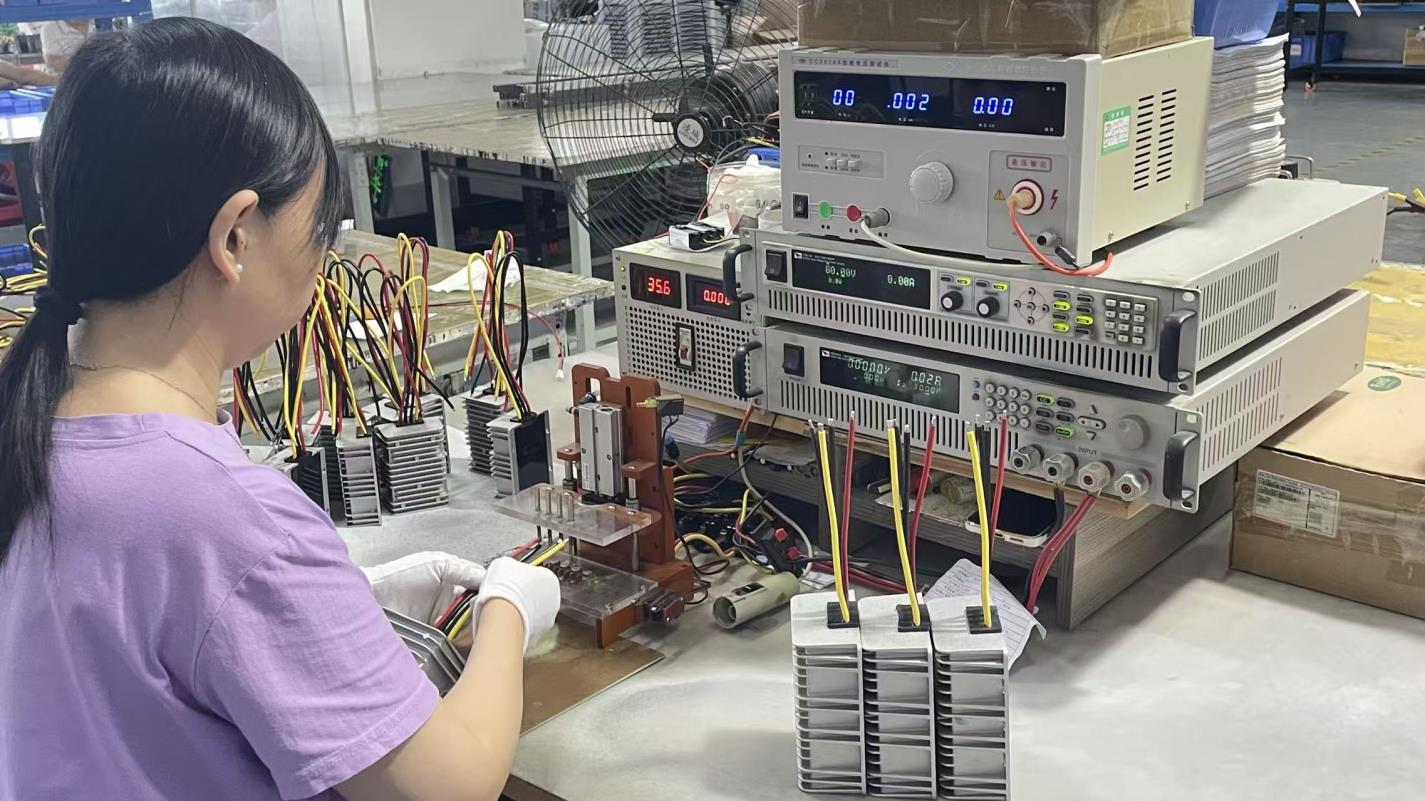
We believe absolute reliability is not optional. Every piece of equipment we fabricate undergoes two discrete validation checkpoints prior to packaging and dispatch: an automated computerized testing protocol and a rigorous manual parameter sign-off. This commitment allows us to maintain an industry-defining 99.9% product qualification yield rate.
Furthermore, to guarantee that mechanical and electrical systems remain pristine upon arrival at your site, our shipping protocols utilize heavy moisture-proof barriers, internal shock absorption layers, heavy-duty cardboard boxes, and outer reinforced structural wooden frames.
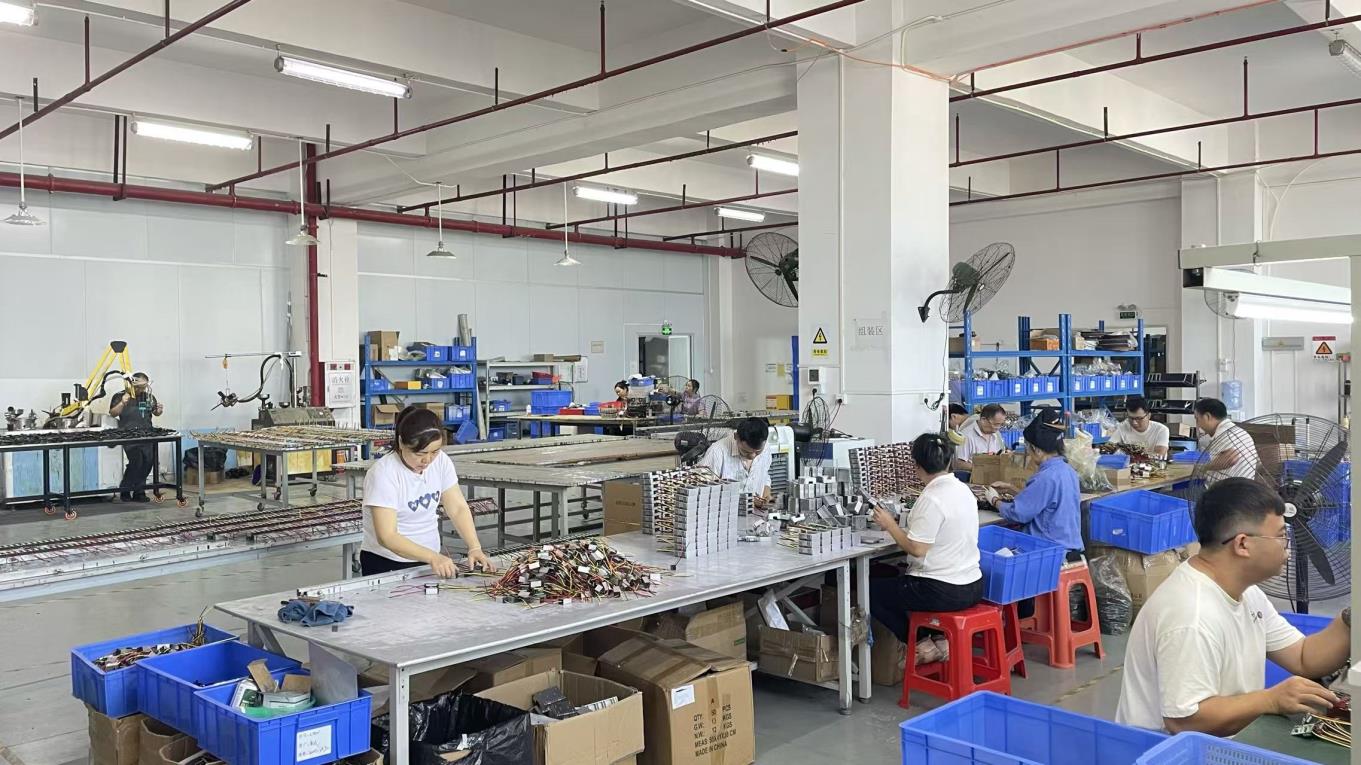
From raw board population to automated thermal imaging and high-voltage stress testing, trace our quality-assured production flow.
 Wire Cutting
 Plug-In
 Soldering Tin
 Test
Test
 Glue Filling
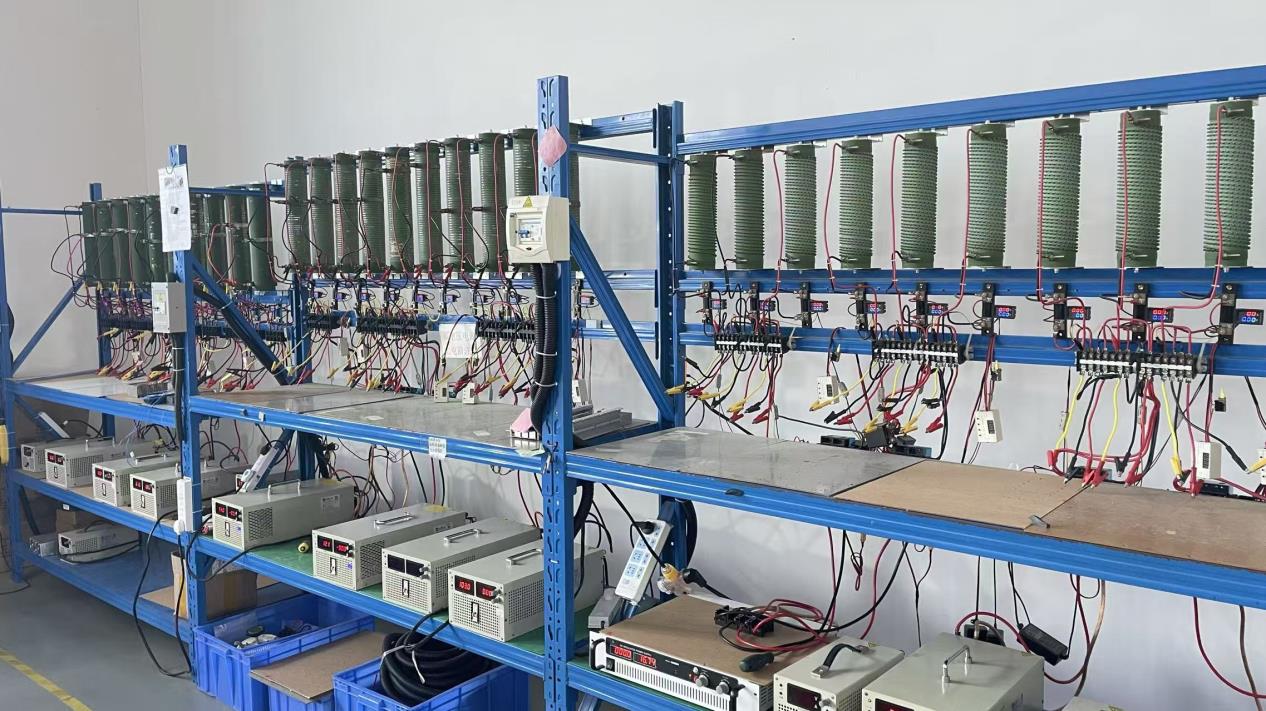 Burn-In Test
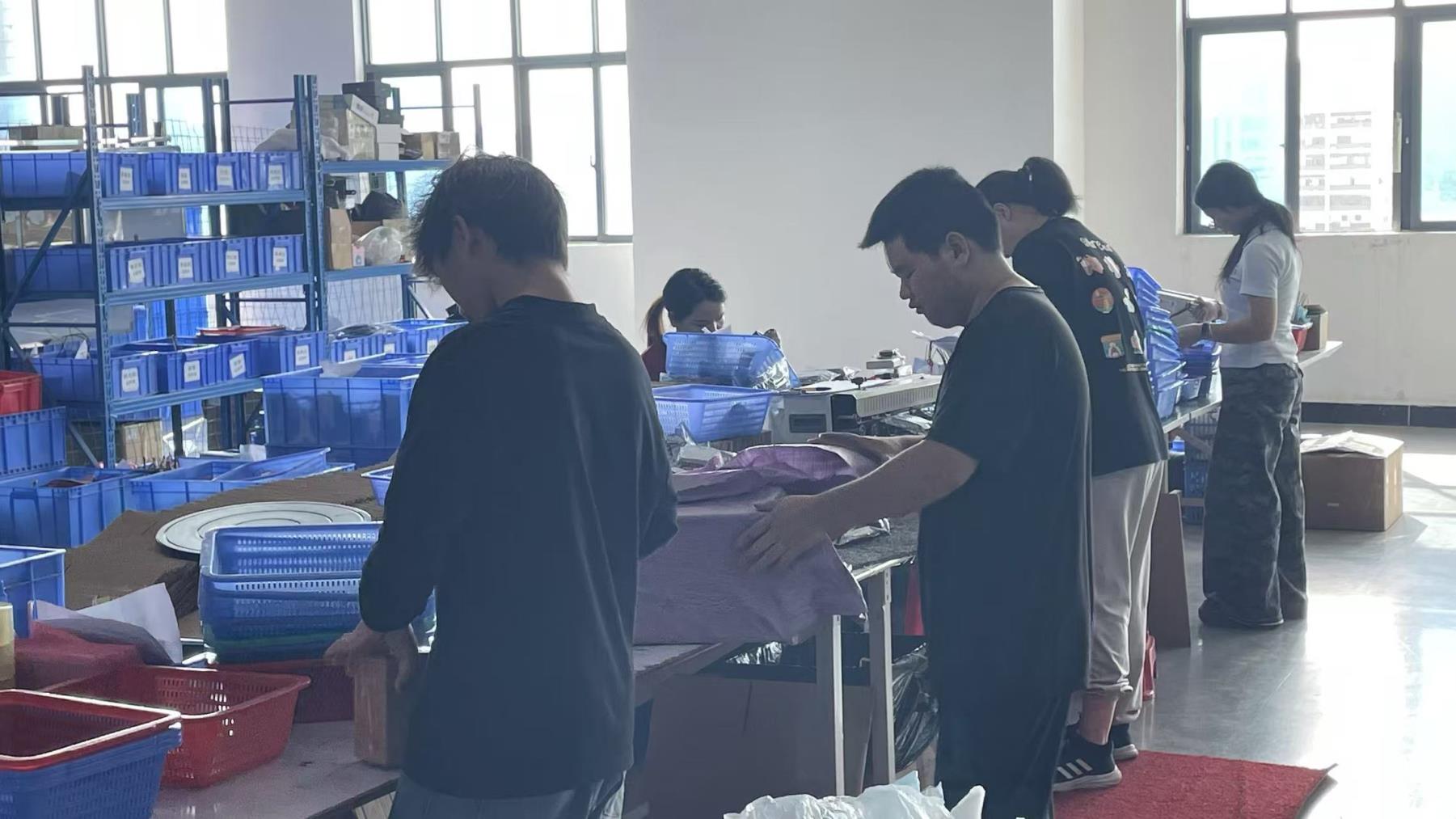 Packaging
 Winding Machine
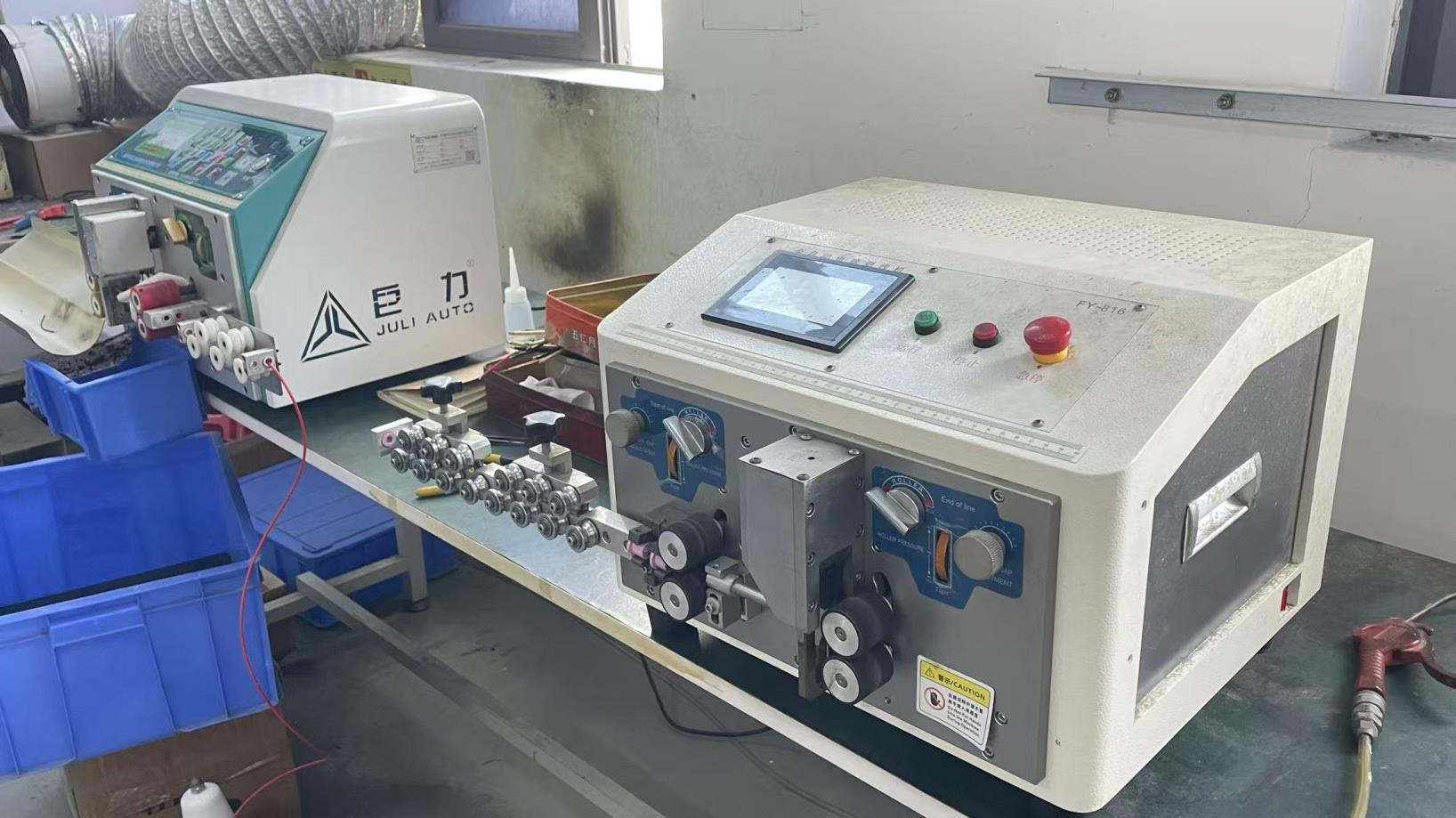 Wire Cutting Machine
 Automatic Soldering Machine
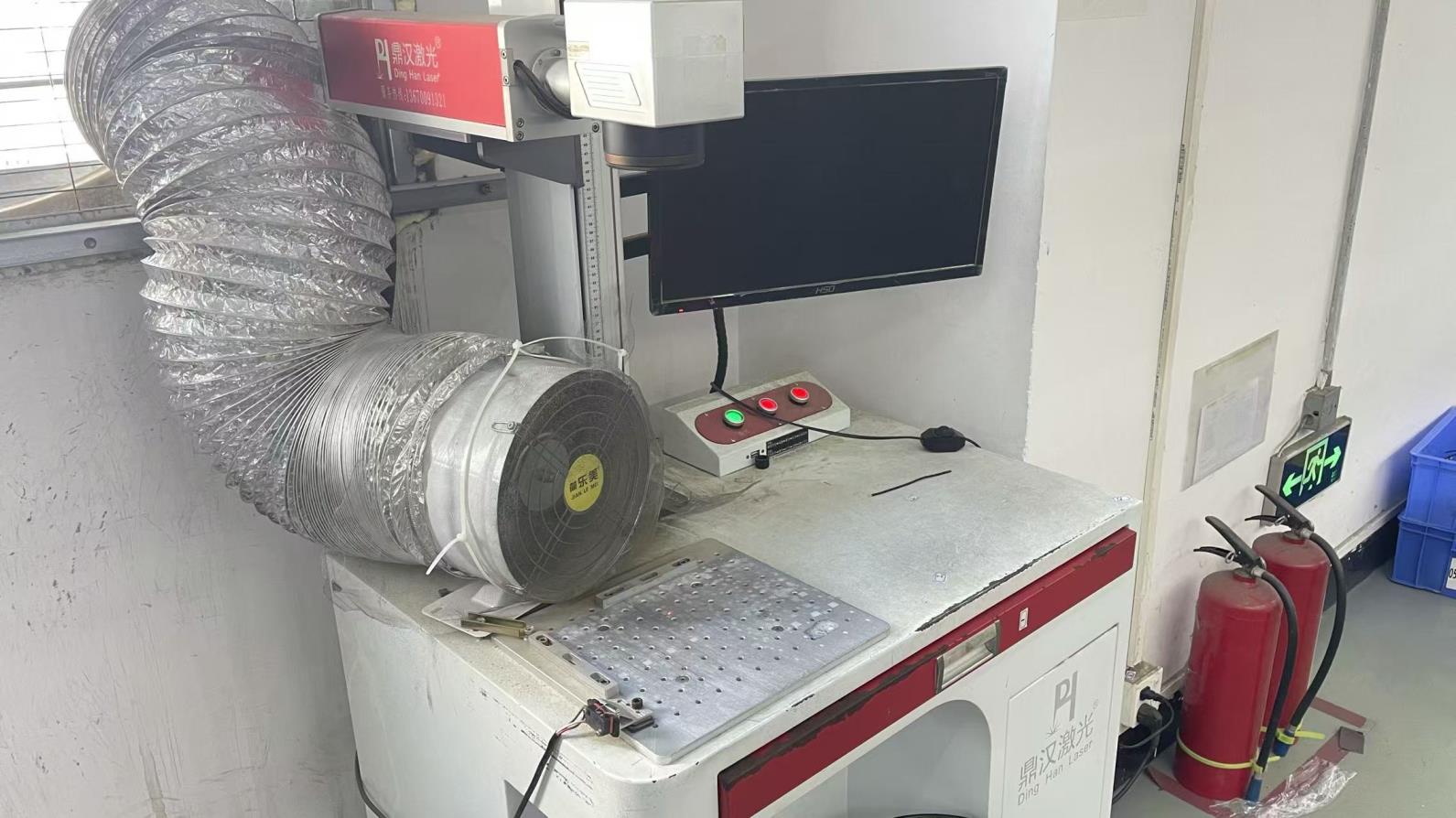 Laser Engraving Machine
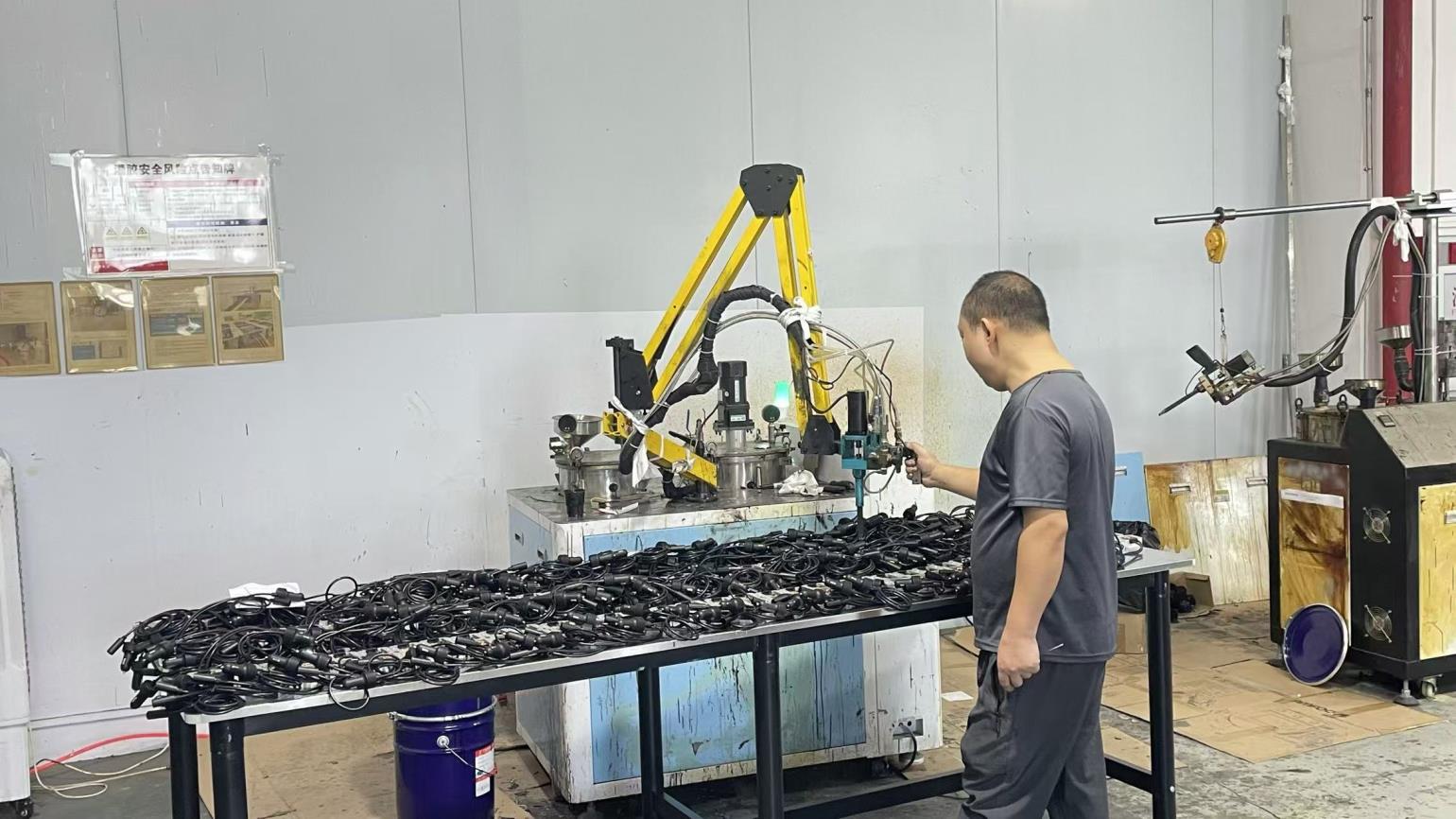 Canning machine
 Assembly Line
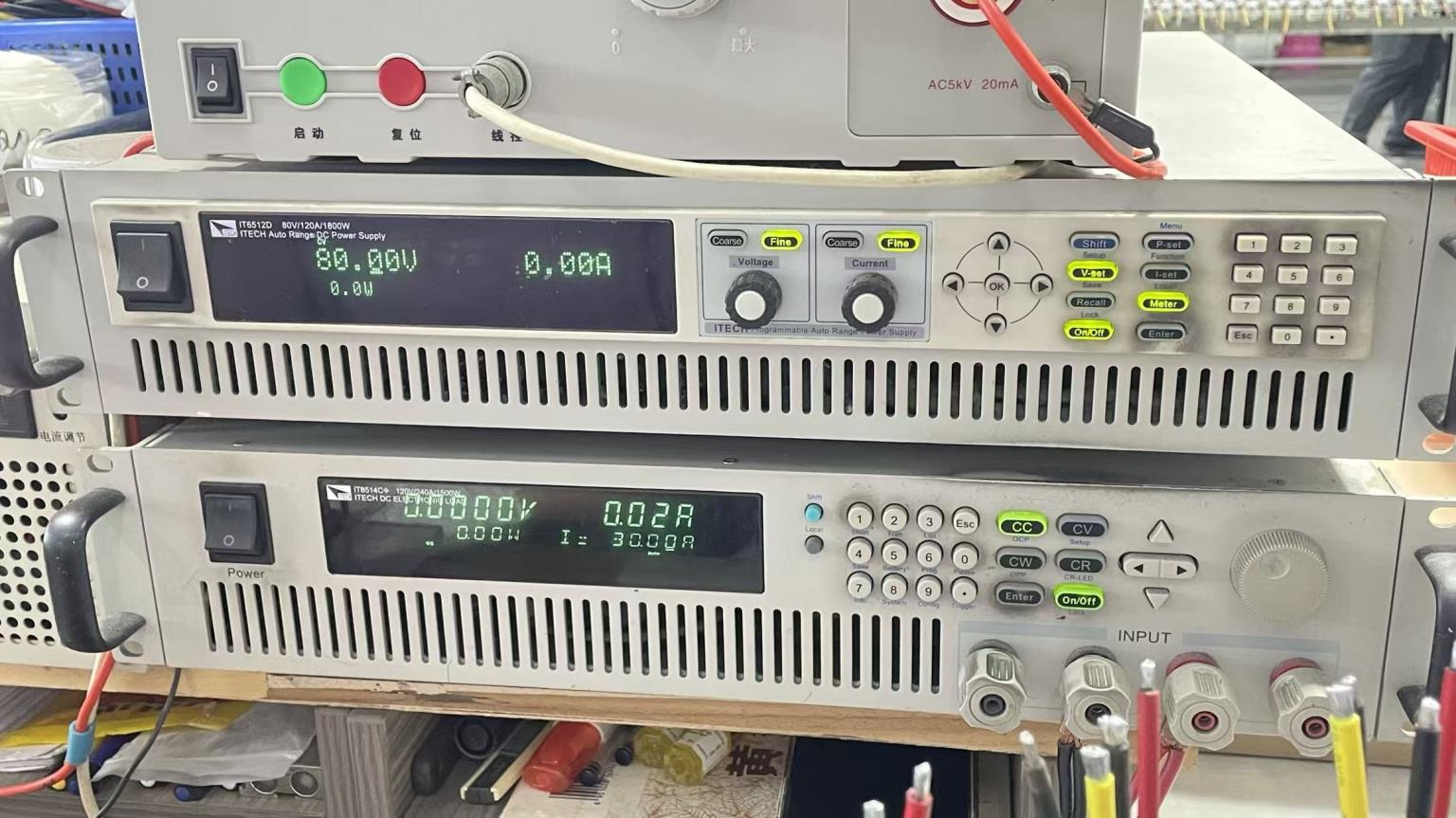 DC Power Supply Tester
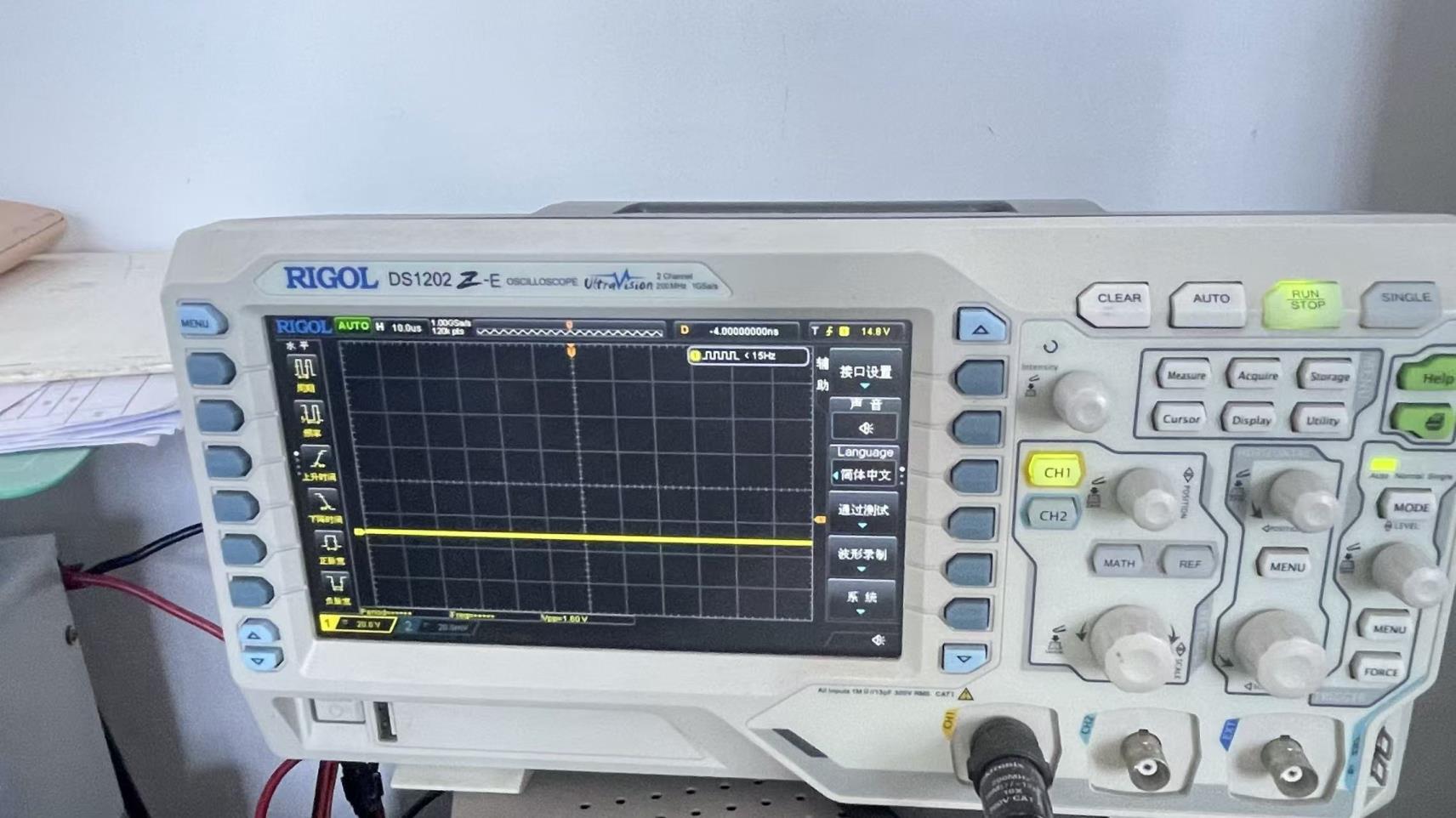 AC Withstand Voltage Tester
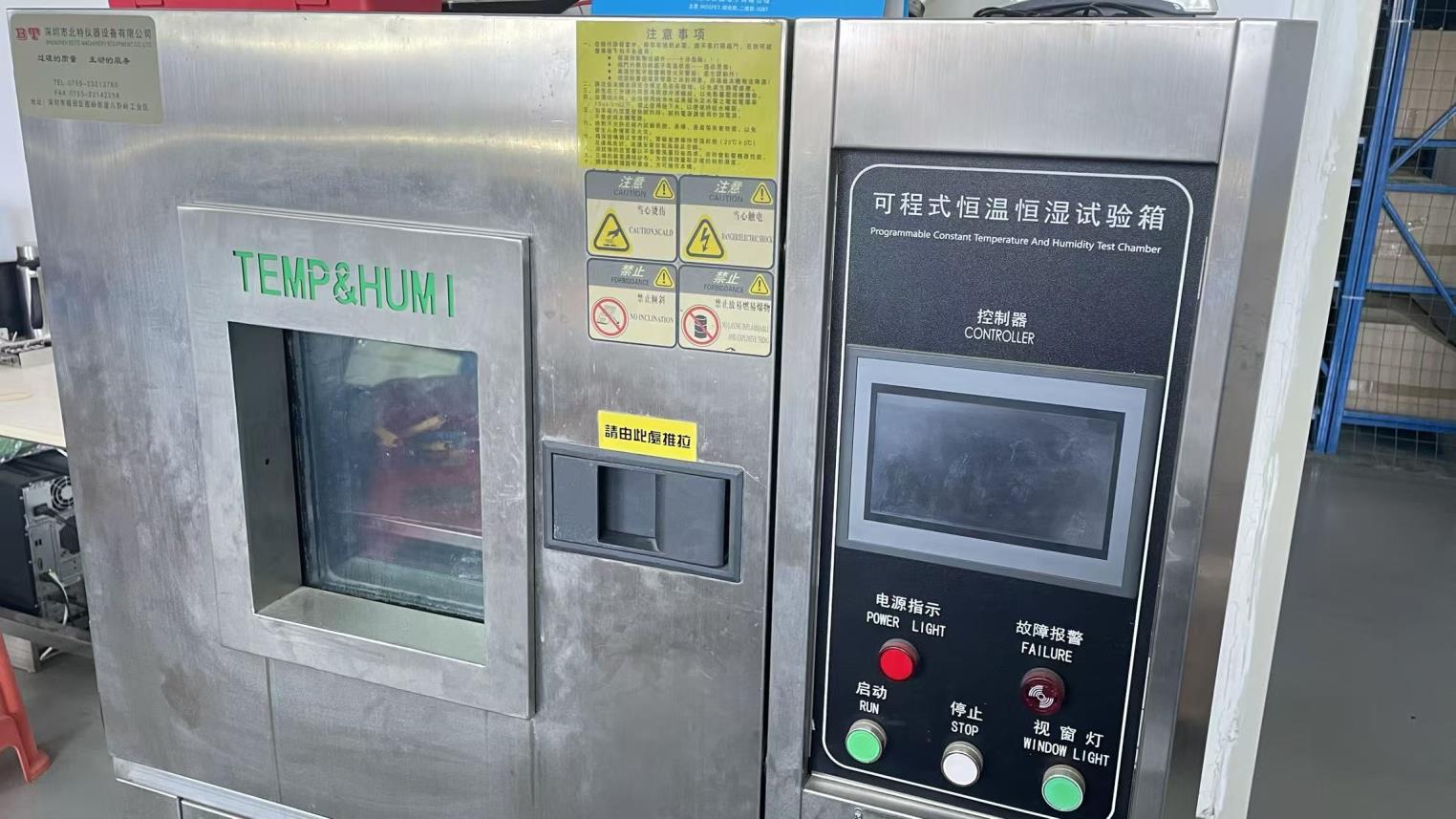 Constant temperature and humidity chamber
 Optical microscope
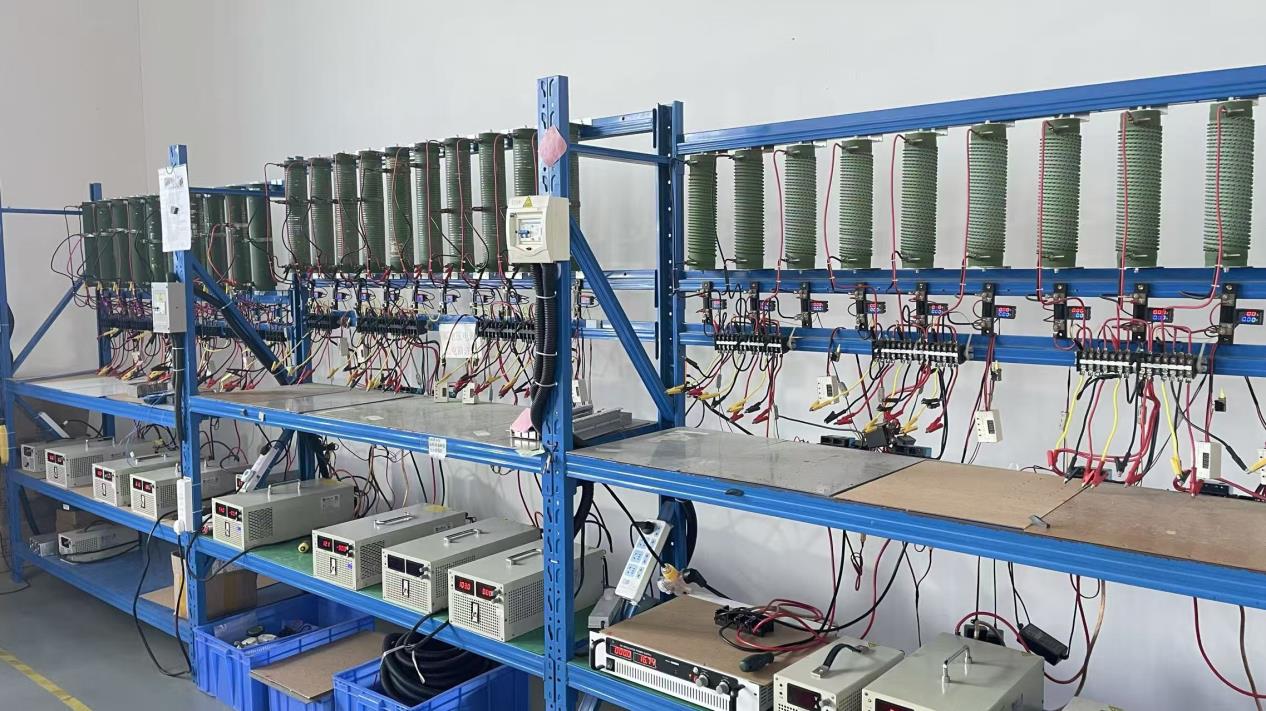 Aging test
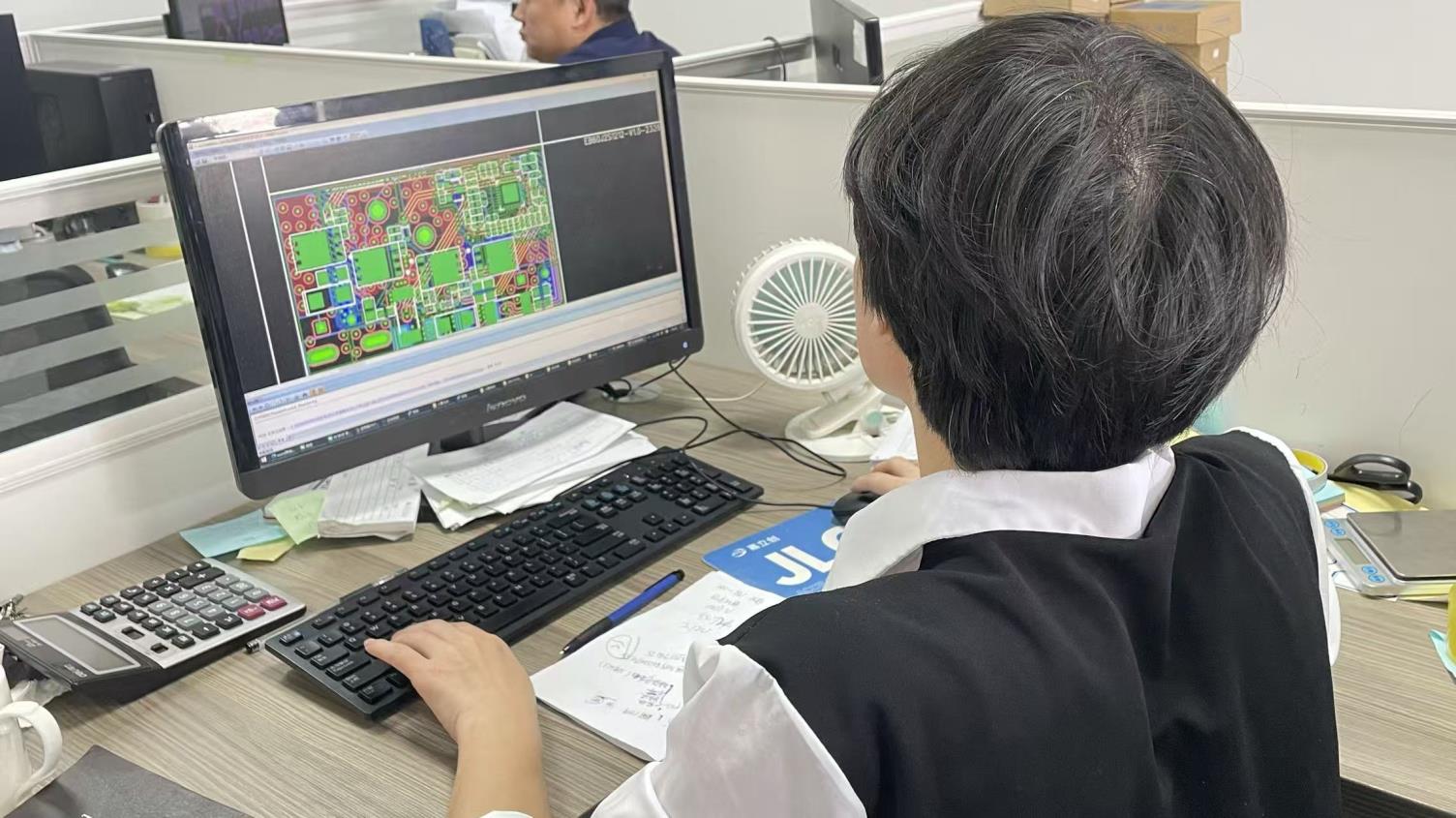 Design
Bridging the gap between component-level engineering excellence and high-voltage grid stability.
By enforcing an active PFC step (achieving values above 0.99 under nominal load), our multi-output switching platforms minimize unwanted harmonic back-feed into your plant's AC grid. This conforms to strict EU IEEE 519 standards and prevents disruptions in delicate automated systems.
Our multi-channel architectures feature comprehensive channel-to-channel isolation. This structure prevents return-path ground loops and ensures that a fault on a 1000V high-power channel cannot feedback and damage delicate 5V/12V digital control buses.
Utilizing Zero Voltage Switching (ZVS) resonant topologies, our designs decrease the switching losses inside semiconductor transistors. This mechanism translates to operating efficiencies of up to 89% and dramatically extends the mean time between failures (MTBF).
The practical application of multi-output power systems spans critical domains where failure is not an option:
Direct answers to complex mechanical and electrical integration questions from our engineering department.
Cross-regulation is the phenomenon where changing the load on one output channel causes a voltage deviation on another channel. We mitigate this by utilizing completely independent secondary winding structures, post-regulation DC-DC converter modules, and isolated feedback optocouplers, ensuring absolute channel autonomy under dynamic loads.
Automated testing efficiently scans thousands of voltage data points, ripple parameters, and transient responses. However, manual inspections by skilled engineers verify cosmetic alignment, physical connection torque, and subtle acoustic/thermal profiles that automated rigs might overlook. This rigorous dual approach ensures a 99.9% factory qualification rate.
With our 10,000 square meter Shanghai factory and dedicated R&D design team, we custom-engineer voltage ranges from 12V up to 1000V and power configurations scaling to over 24kW. Customers work directly with our engineering department to configure communication protocols (Modbus/CAN/Ethernet), output configurations, and specialized ruggedization.
All industrial units feature comprehensive safety networks: Over-Voltage Protection (OVP), Over-Current Protection (OCP), Over-Temperature Protection (OTP) with thermal sensors on primary heatsinks, and short-circuit protection with automatic recovery or latching shutdown based on operational preferences.
Discover our range of highly stable and efficient single-channel and multi-input units designed for continuous operation.