Voltmat Power
Voltmat Power
Voltmat Power
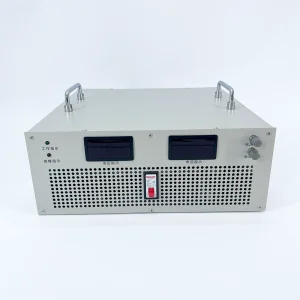
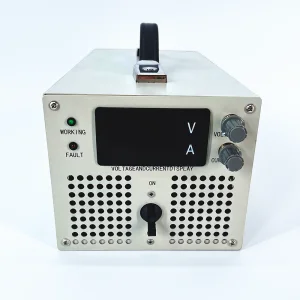
Engineered with cutting-edge topologies, our regulated supplies deliver efficiency up to 89% and superior reliability under dynamic industrial load demands.
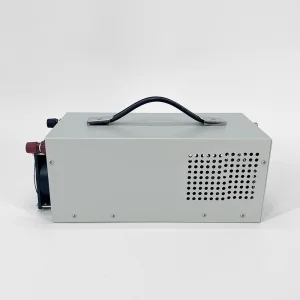
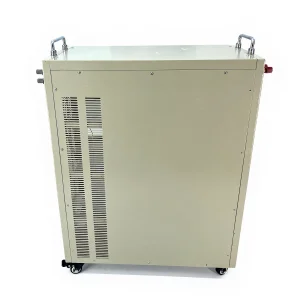
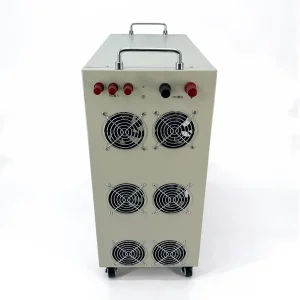
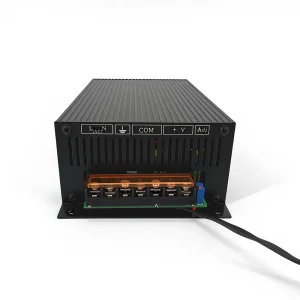
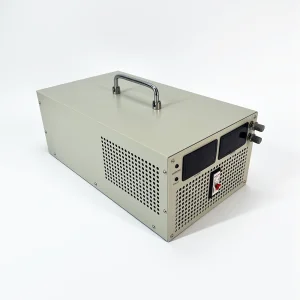
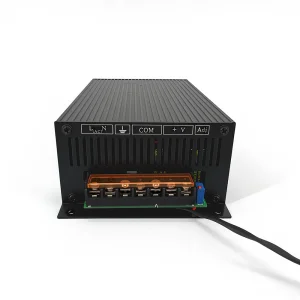
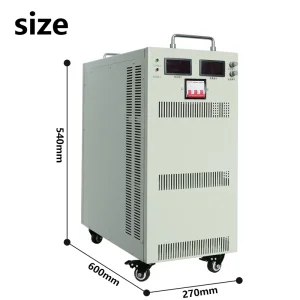
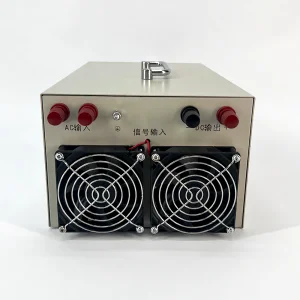
Modern electrical grids, heavy industrial manufacturing plants, electroplating processes, and renewable energy grids require power conversion equipment that minimizes volumetric footprint while maximizing dynamic output power. In the context of industrial power architectures, High Power Density (HPD) refers to power supplies that achieve elevated levels of output power per unit of physical volume, typically measured in Watts per cubic inch (W/in³).
Across North America, Europe, and the Asia-Pacific region, the demand for industrial switching power supplies has shifted. Traditional linear power supplies or standard switching converters, while reliable, cannot meet the spatial and efficiency requirements of high-density cabinets. Modern smart factories demand localized, highly responsive, regulated AC-to-DC converters. These units support critical infrastructure, including electrochemistry reactors, heavy water purification, and precision battery testing installations.
“The transition to wide-bandgap (WBG) materials, such as Silicon Carbide (SiC) and Gallium Nitride (GaN), has enabled power supply manufacturers to increase switching frequencies. This change reduces the size of passive magnetic components and improves overall system efficiency to more than 89%.”
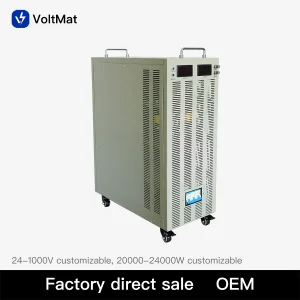
As heavy machinery, battery packs, and electrolysis arrays continue to scale, power demands are increasing from standard kilowatt regimes (e.g., 500W–2000W) to mega-watt installations (16kW–24kW and higher). These setups require stabilized voltage grids, multi-phase inputs (such as 380V Three-Phase AC), and active cooling management systems. This design approach prevents thermal runaway while ensuring continuous operation in harsh environment scenarios.
Understanding the architectural choices, topological configurations, and engineering paradigms that drive modern High Power Density conversion.
Transitioning from standard hard-switching topologies to soft-switching LLC Resonant Converters and Phase-Shifted Full-Bridge (PSFB) systems reduces switching losses. This enables high-frequency operation and shrinks transformer size.
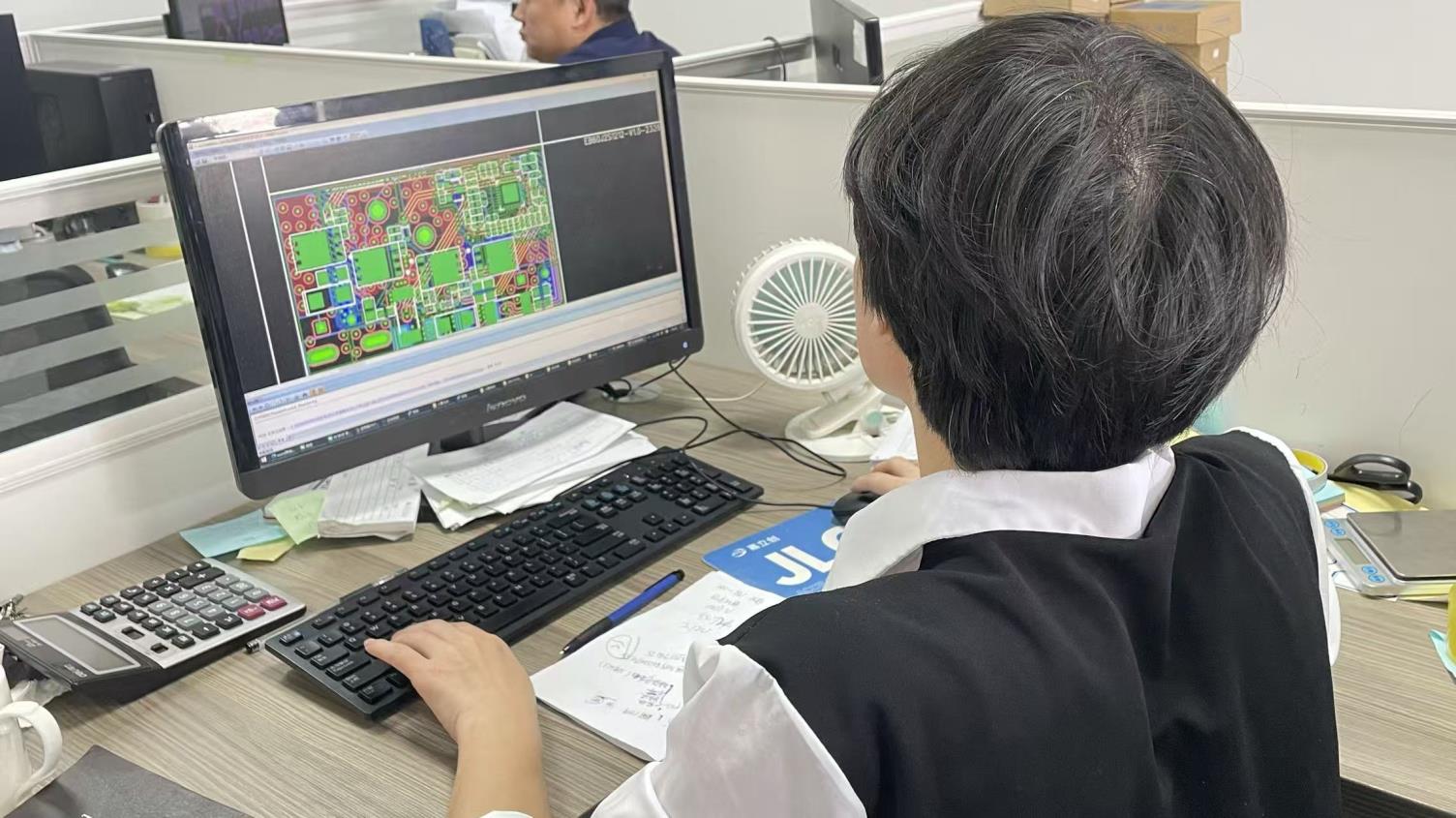
By using high-performance DSP (Digital Signal Processor) controls rather than legacy analog control loops, systems can dynamically manage regulation, optimize response curves, and track real-time faults via digital communication buses.
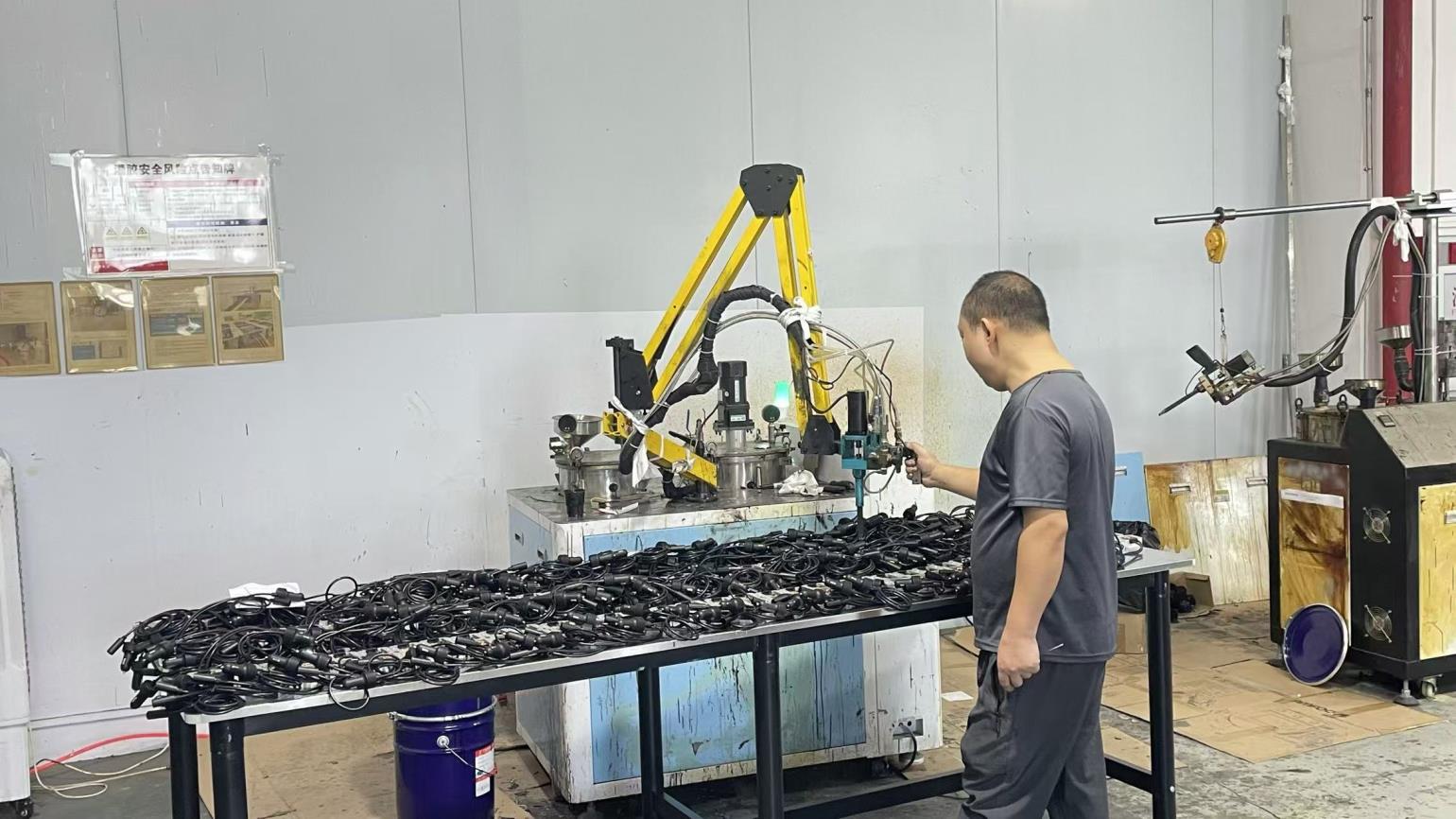
To handle localized thermal loads, modern power density architectures utilize advanced potting compound technology (Glue Filling) combined with forced-air or direct conduction cold plates. This configuration eliminates hot spots on the PCB.
The roadmap for high power density supplies over the next decade centers on intelligence, modularity, and environmental resistance. With the growth of smart grid architectures, manufacturers must design converters that support broad input variations (from single-phase 110V/220V up to three-phase 380V/480V) and provide wide range adjustable outputs (such as 12V to 600V and above). Additionally, built-in protection features like overcurrent, overvoltage, overtemperature, and short-circuit protection are standard requirements for heavy industry deployment.
High Power Density switching power supplies are critical components across diverse, demanding industrial environments. These systems are not generic components; they are engineered tools tailored for specific applications:
Applications like electro-coagulation, desalination, and electrolysis demand continuous, highly stabilized DC power. Output models ranging from 80V-16000W up to 800V-8000W provide high-precision energy delivery. This precision is necessary to maintain chemical reaction rates and ensure consistent sediment separation in water purification setups.
Lithium-ion pack testing, battery formation, and large-scale battery charging depend on regulated DC outputs with built-in CC/CV (Constant Current/Constant Voltage) transition profiles. These high-voltage systems (e.g., 20KW-24KW high voltage DC supplies) ensure safe, rapid charging while preventing thermal runaway in cells.
Precision manufacturing, such as wire cutting (EDM) and plasma engraving, relies on fast transient response times to maintain stable cutting arcs. In these applications, sudden voltage drops can damage workpieces. Our high-efficiency power supplies adapt to load transients in microseconds, ensuring smooth operation.
Engineers in testing laboratories require variable output capabilities. Solutions with wide range adjustments, such as adjustable 12V-600V and 24V-1000V supplies, provide flexibility. This allows test systems to simulate diverse power conditions within a single, space-saving test bay.
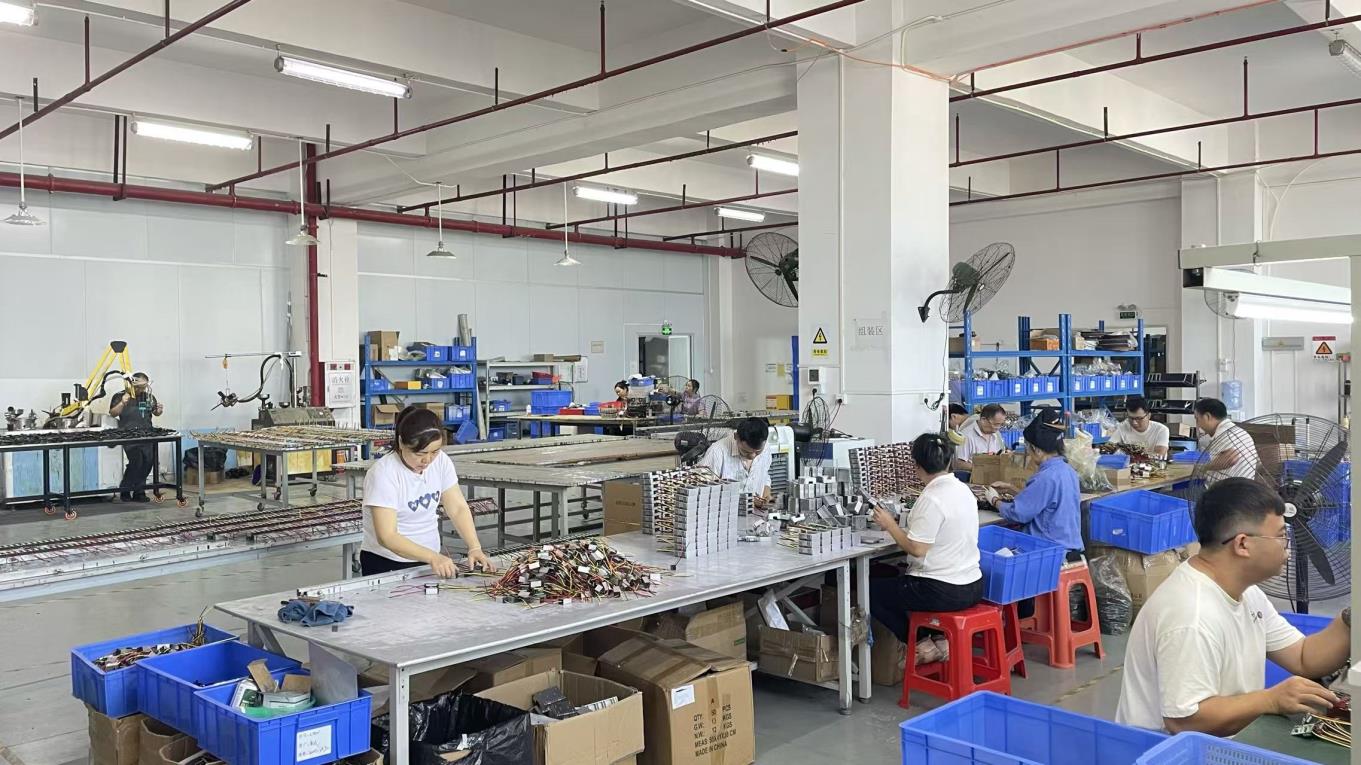
Headquartered in Shanghai, our facility is strategically positioned to support seamless international logistics and export operations. Spanning a dedicated production floor of over 10,000 square meters, our facility has focused exclusively on designing, testing, and manufacturing high-power regulated power systems for over 15 years.
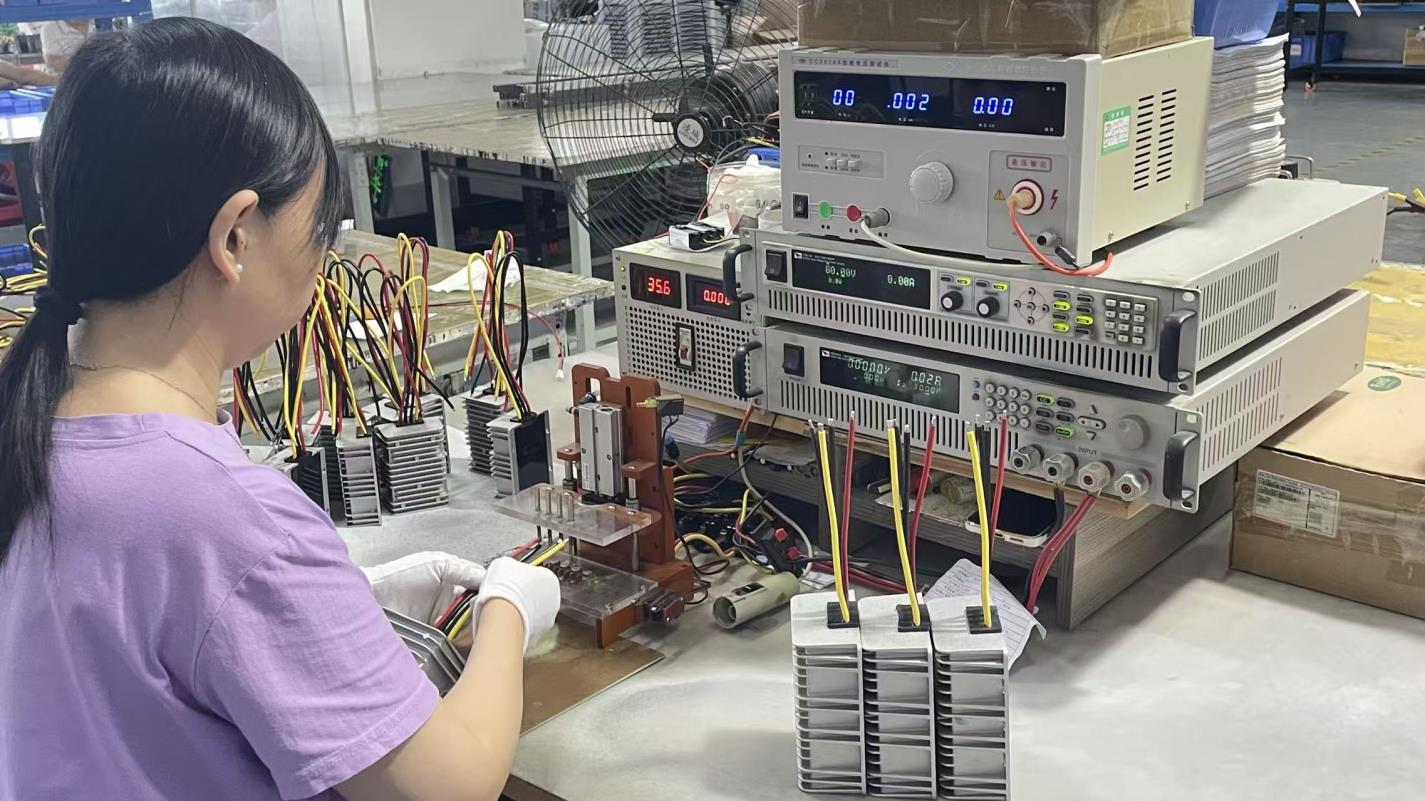
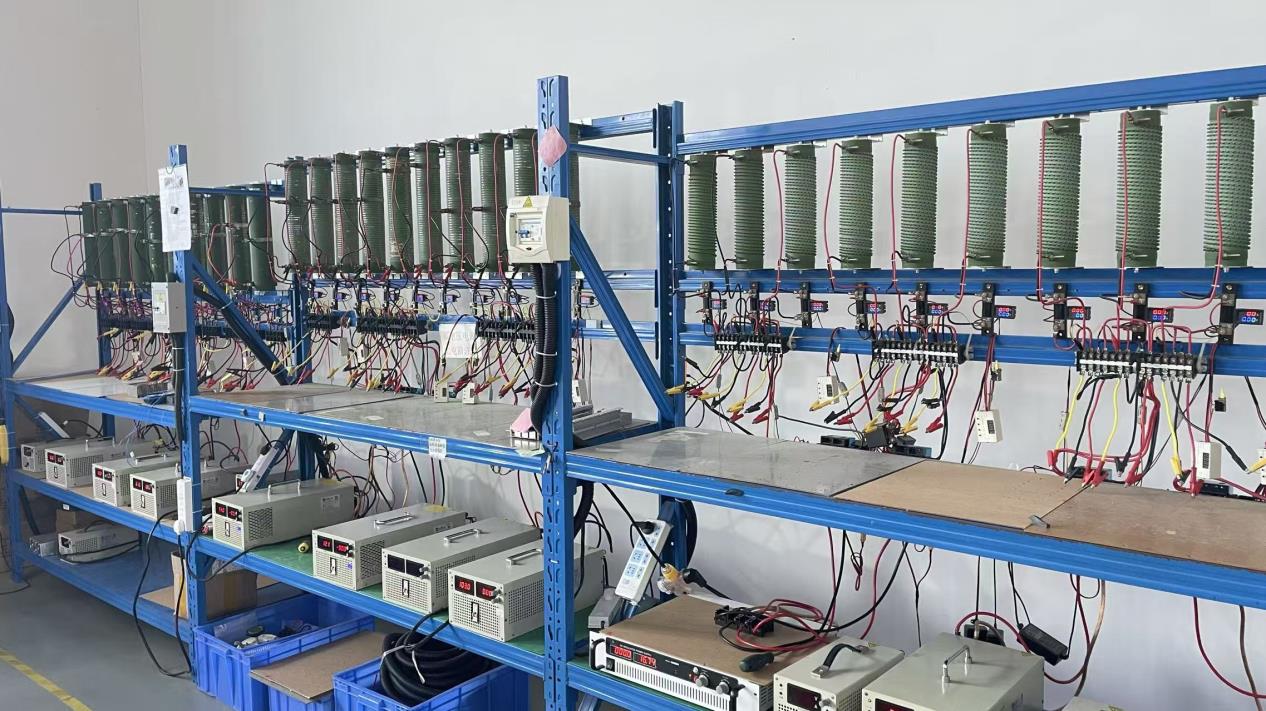
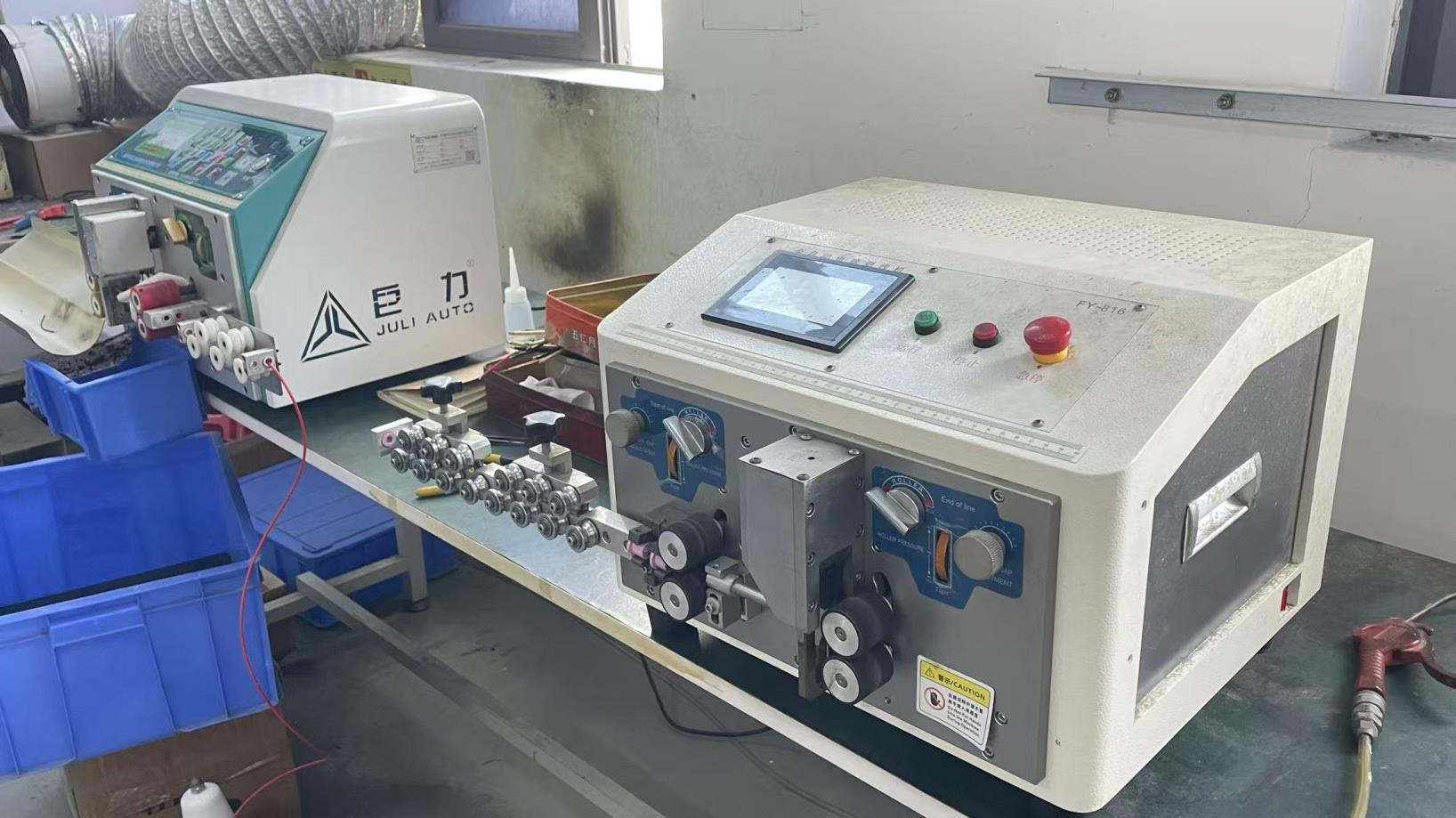
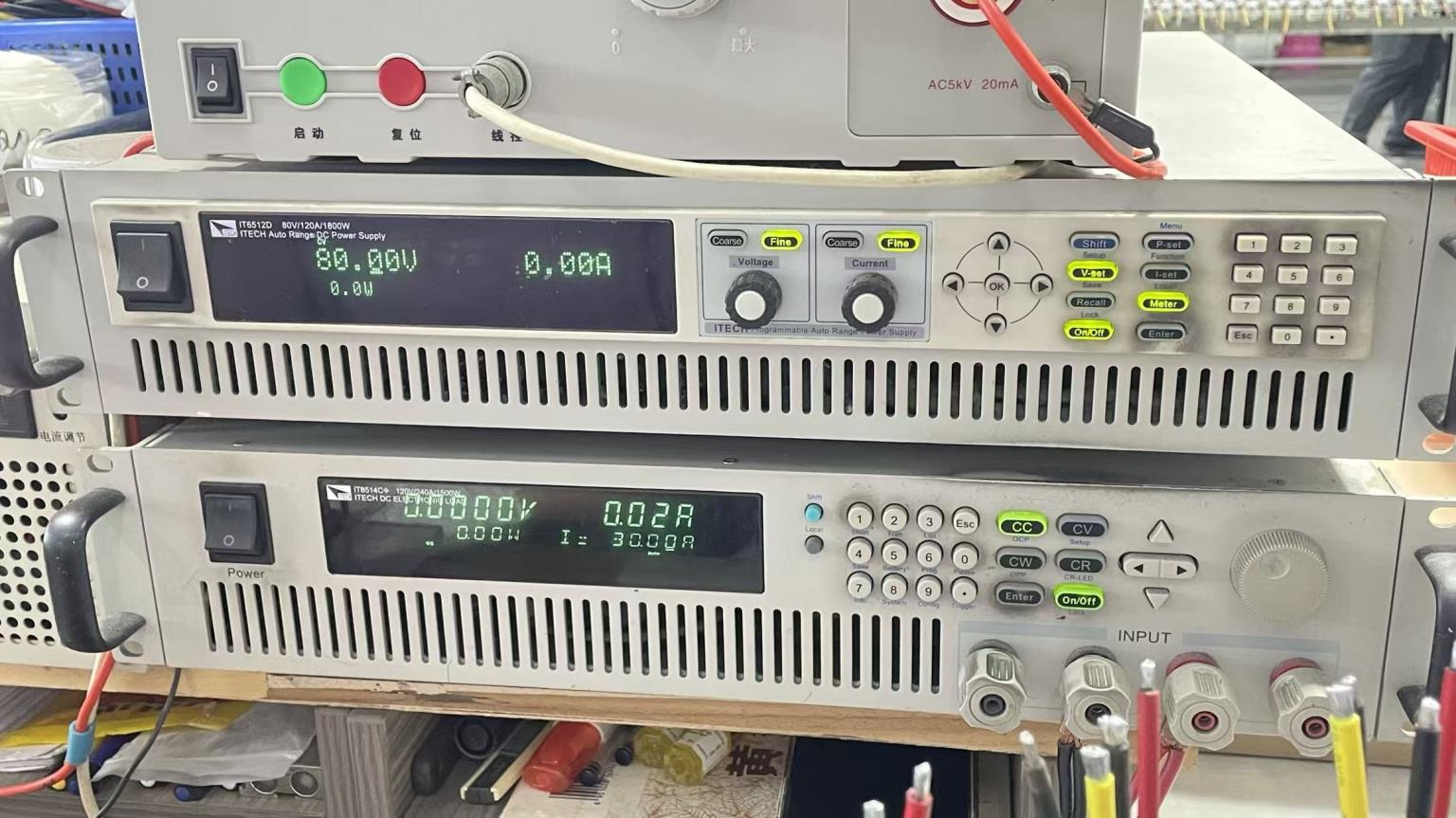
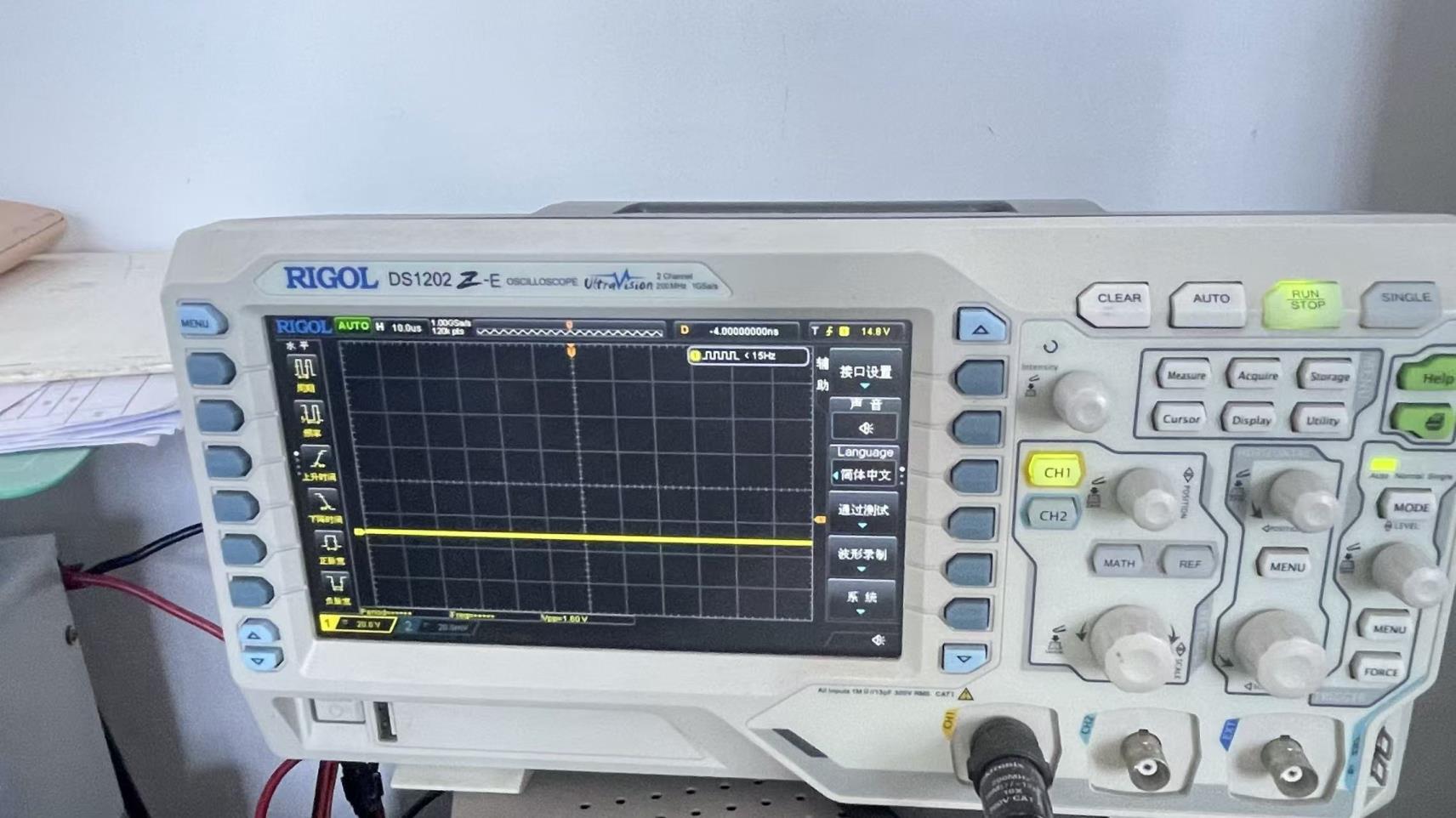
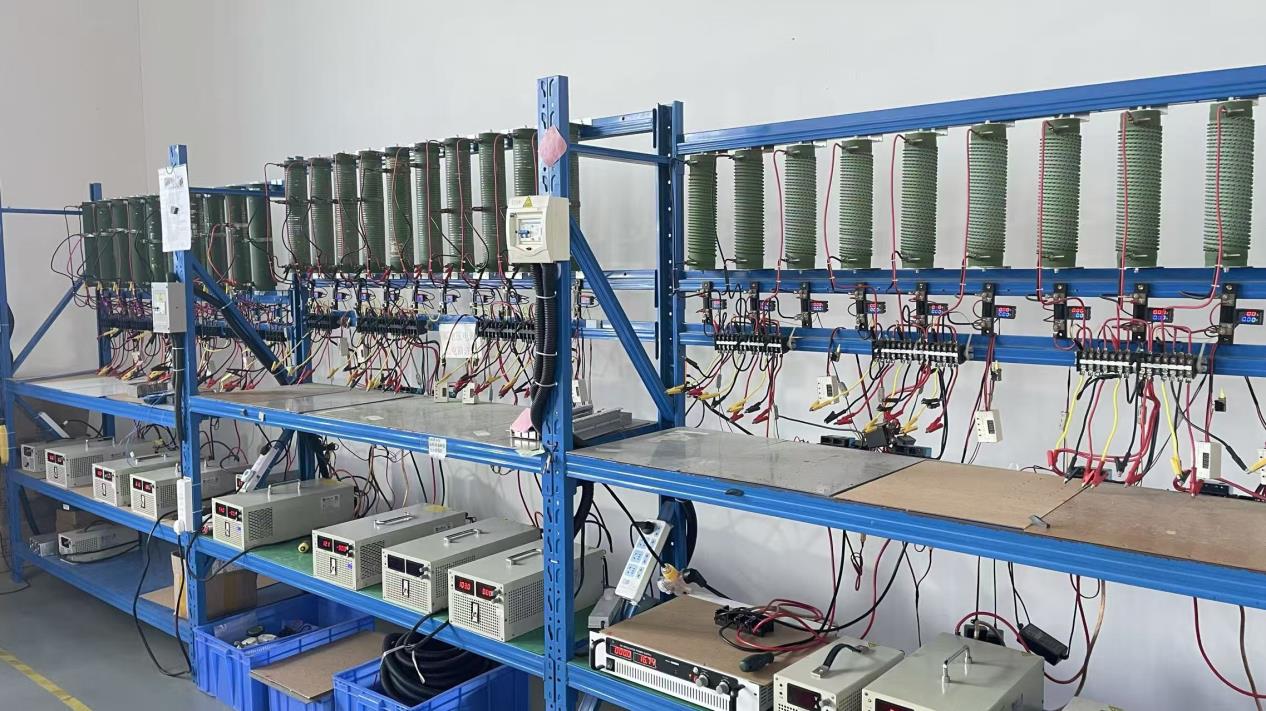
Recognized as an outstanding after-sales service provider in the region, our operation integrates advanced machinery with strict quality control. Every power supply unit undergoes two rigorous rounds of testing—combining automated computer diagnostics with manual inspections—before leaving the factory floor. This attention to detail enables us to achieve a 99.9% product qualification rate, ensuring reliable performance in harsh environments.
Industrial electronics are sensitive to mechanical shocks and moisture during transit. We package all high-power supplies using a multi-layered protective system:








Addressing common questions regarding industrial high power density switching systems and customized factory engineering.
A power supply is classified as "High Power Density" (HPD) when it achieves high output capacity relative to its physical size. This is enabled by high-efficiency components (like SiC/GaN switches), compact planar transformers, and efficient thermal dissipation topologies (such as forced-air or liquid cold plates).
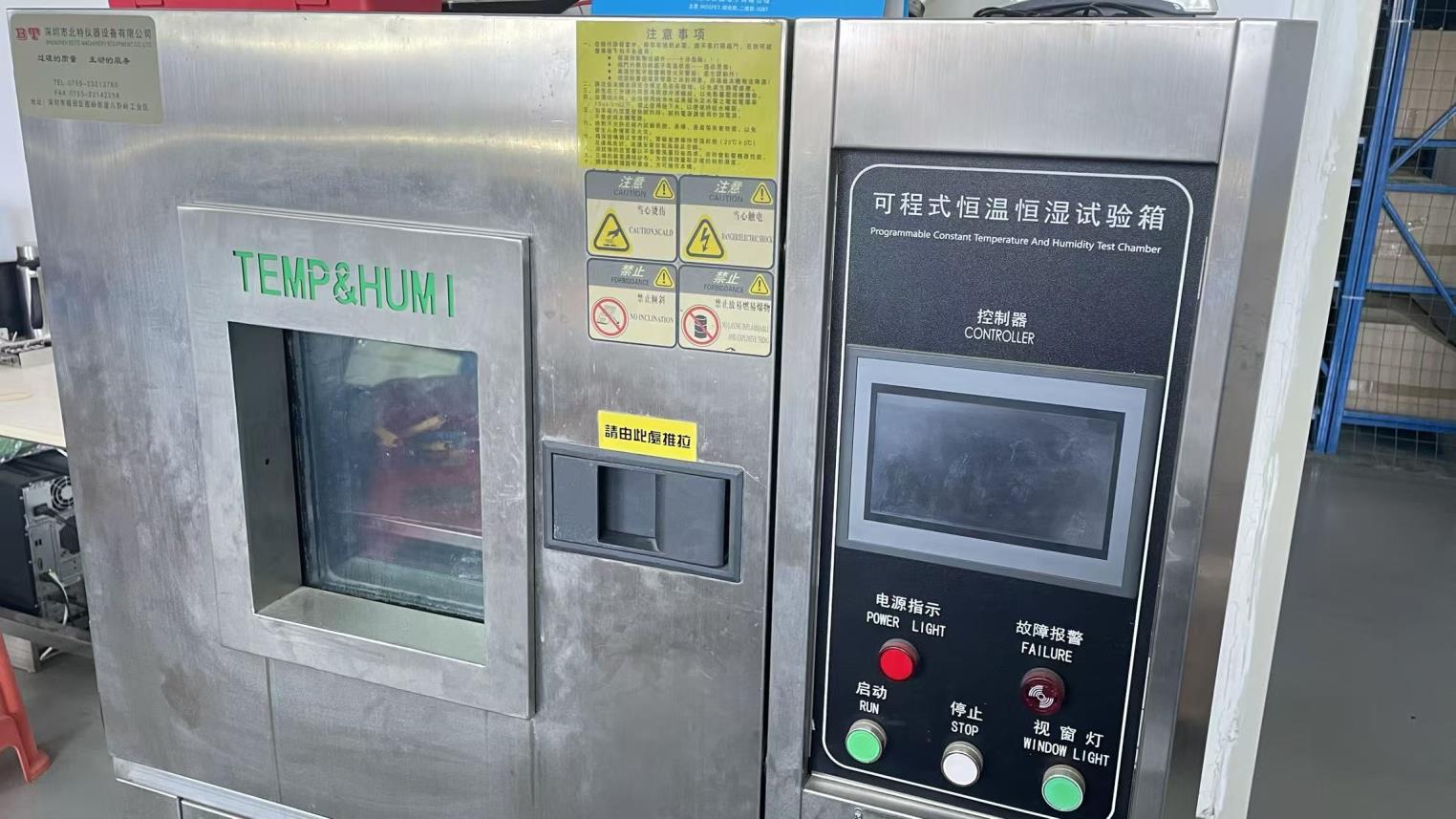
Our engineering workflow incorporates two rounds of testing. First, automated computer analysis measures the output characteristics. Second, manual inspection verifies the system's structural integrity. Before shipping, all systems undergo a full-load burn-in test, an AC withstand voltage isolation test, and a constant temperature-humidity environmental chamber cycling process.
Yes, our industrial AC-DC power supplies feature adjustable outputs (with ranges like 12V-600V or 24V-1000V). They can operate in Constant Voltage (CV) or Constant Current (CC) mode, making them suitable for water treatment electrolysis and battery testing applications.
For low-to-mid-power models (500W to 4000W), standard single-phase 110V/220V inputs are supported. For our heavy-duty industrial systems (such as 16,000W to 24,000W outputs), we support three-phase 380V or 480V AC inputs to balance phase currents and maximize conversion efficiency.
Explore our heavy-duty products designed for high-capacity battery grids, electrical testing, and chemical process control.