Voltmat Power Voltmat Power

Top 5 Tips for Choosing the Right Switched Mode Power Supply?

Time:2026-08-03 Author:Mason
0%

Choosing the right Switched Mode Power Supply (SMPS) can be daunting. Industry expert Dr. Emily Carter emphasizes, “Understanding your power needs is critical.” Her insight highlights the importance of identifying the specific requirements for your application.

When selecting an SMPS, consider factors like efficiency, size, and output stability. Each power supply has unique features. A mismatch can lead to performance issues or even damage electronics. Additionally, understanding the implications of heat dissipation and electromagnetic interference is vital.

SMPS options can be overwhelming. Exploring specifications without guidance is common. However, not all features will suit your needs. It’s essential to reflect on your goals and requirements. Doing so can prevent costly mistakes in your projects. Proper research and expert advice can help streamline the decision-making process.
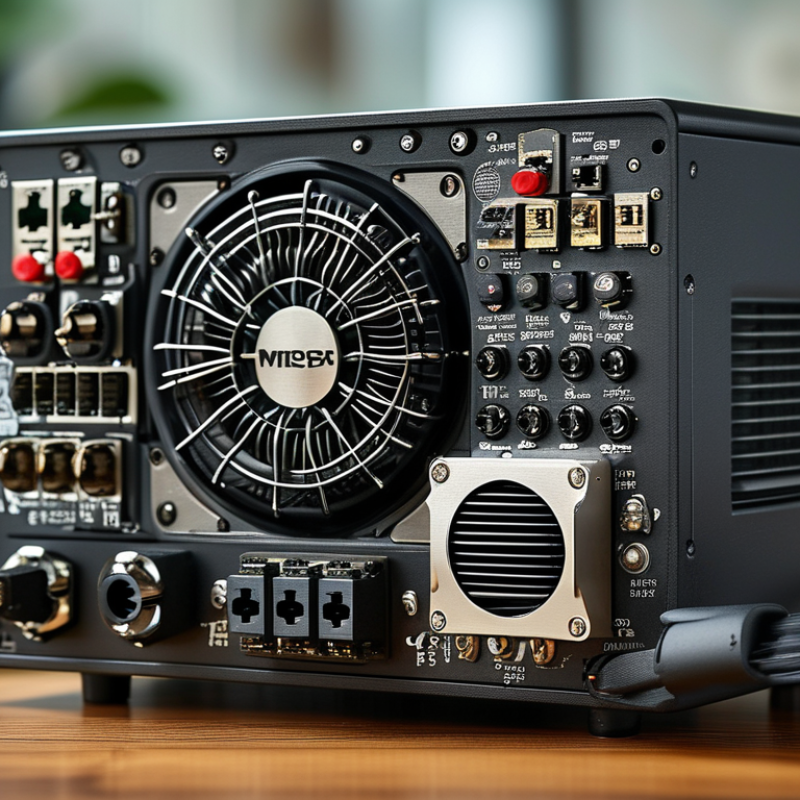
Top 5 Tips for Choosing the Right Switched Mode Power Supply?

Understanding the Basics of Switched Mode Power Supplies

Understanding Switched Mode Power Supplies (SMPS) is essential for anyone working with electronics. These devices efficiently convert electrical power from one form to another. Their design allows for smaller size and lighter weight compared to traditional power supplies. However, they can be complex. It's crucial to grasp the basics to make informed choices.

A switched mode power supply operates by rapidly switching the input voltage on and off. This creates a high-frequency signal that is transformed into the desired output voltage. While this technology is efficient, it can introduce noise and ripple. These factors can affect sensitive devices. A thorough understanding of these implications is necessary to avoid potential issues in your applications.

Choosing the right SMPS is not just about efficiency; it’s also about reliability. Look for supplies with steady voltage outputs and minimal electromagnetic interference. Consider heat dissipation mechanisms as overheating can lead to failure. Moreover, always review specifications and ratings carefully. Often, manufacturers provide information that requires deeper investigation or clarification. Ensure you are well-informed to select the most suitable power supply for your needs.

Identifying Your Power Requirements and Specifications

When selecting a switched mode power supply (SMPS), understanding your power requirements is crucial. Start with the total load requirement for your application. According to the International Electrotechnical Commission (IEC), underestimating your needs by even a small margin can lead to performance issues. A typical recommendation is to account for a 20% buffer beyond your estimated load.

Identify the voltage and current specifications needed. Different devices require varying voltage levels; knowing these figures facilitates proper selection. Data from the Power Sources Manufacturers Association (PSMA) indicates that a mismatch could result in equipment failure or inefficient power conversion. It's important to match the output voltage of the SMPS with your device's input voltage for optimal performance.

Moreover, consider the environmental factors affecting your equipment. The temperature range and cooling requirements can significantly influence your power supply's performance and lifespan. A study by the Electric Power Research Institute (EPRI) revealed that 40% of power supply failures relate to thermal management issues. Planning for these factors ensures a reliable power supply, reducing the need for retrofitting or replacements.

Evaluating Efficiency Ratings and Thermal Management

When selecting a switched mode power supply (SMPS), evaluating efficiency ratings and thermal management is crucial. Efficiency ratings indicate how well a power supply converts input power to output power. Look for supplies with high efficiency to reduce energy waste. An efficient unit can help lower electricity costs and minimize heat generation. Heat is a significant enemy for electronics, leading to reduced lifespan and performance.

Thermal management involves the design and materials used to dissipate heat effectively. Check if the SMPS has adequate cooling options, such as heatsinks or fans. Poor thermal management can result in overheating, which may cause failures. Consider the environment where the power supply will operate. For example, a high-temperature setting might require units with enhanced thermal solutions.

While higher efficiency and better thermal management are desirable, they often come at a cost. Sometimes, an overemphasis on high efficiency could overlook other important features. Balancing these aspects is key. Users should also be aware that a perfect solution does not exist. Continuous monitoring and adjustments may be necessary to ensure optimal performance over time.

Assessing Reliability and Safety Features in Power Supplies

When choosing a switched mode power supply (SMPS), reliability and safety features stand out as critical factors. According to a recent industry report, approximately 30% of failures in electronic devices stem from inadequate power supplies. This highlights the importance of selecting units that undergo rigorous testing. Look for certifications such as UL and CE, as they indicate compliance with safety standards.

Also, important metrics include overvoltage protection and thermal management. Devices with built-in temperature sensors can prevent overheating, a common issue that leads to premature failure. According to a study, power supplies with these features enhance longevity by up to 40%. However, not all manufacturers prioritize these attributes, raising questions about why they might cut corners.

Another aspect to consider is the quality of components. Research shows that using high-grade capacitors and inductors can drastically reduce failure rates. Yet, many power supplies rely on cheaper alternatives, risking reliability. A thorough inspection of component quality can lead to a more informed choice, ultimately ensuring stability and safety in your applications.

Considering EMI and Noise Reduction Techniques in Design

When selecting a switched mode power supply (SMPS), considering electromagnetic interference (EMI) and noise reduction is crucial. EMIs are unwanted disturbances that can affect the performance of electronic devices. Poor design can lead to increased noise levels, complicating the functionality of sensitive circuits. Using proper layout techniques, such as grounding and decoupling, can minimize such issues. Yet, many overlook these factors, leading to suboptimal designs.

It's vital to include filtering components in your design. Common mode chokes and low-pass filters help reduce high-frequency noise effectively. Still, integrating these components might increase complexity and cost. Designers often need to balance performance and budget carefully. Additionally, it’s important to consider the placement of components. A poorly arranged circuit can amplify noise instead of mitigating it.

Testing is an essential part of the design process. Measuring EMI levels during simulations can provide insights into potential issues. However, results may vary under real-world conditions. Therefore, iterative testing can reveal flaws in the initial design. Continuous evaluation and adjustments are necessary for achieving a reliable power supply that meets EMI standards. The journey to an effective SMPS involves careful planning and reflection on each design decision.

FAQS

: What is a switched mode power supply (SMPS)?

: An SMPS efficiently converts electrical power from one form to another. They are smaller and lighter than traditional power supplies.

How does an SMPS operate?

It rapidly switches input voltage on and off, creating a high-frequency signal transformed into the desired output voltage.

What are common issues with SMPS?

They can introduce noise and ripple, which may affect sensitive devices. Understanding these factors is crucial.

What should I consider when choosing an SMPS?

Look for steady voltage outputs, minimal electromagnetic interference, and effective heat dissipation mechanisms.

Why is EMI important in SMPS design?

Electromagnetic interference can disturb electronic device performance. Poor design may increase noise levels, complicating functionality.

How can I reduce noise in my designs?

Use filtering components like common mode chokes and low-pass filters, but be aware of increased complexity and cost.

Why is testing essential in SMPS design?

Testing helps identify potential EMI issues. Real-world conditions can affect results, necessitating iterative evaluation and adjustments.

What impact does component placement have in SMPS?

Poor arrangement can amplify noise rather than reduce it. Thoughtful placement is vital for performance.

Is it easy to find the right SMPS?

It's not always straightforward. Manufacturers may provide specifications that require deeper investigation.

How can I improve my SMPS design process?

Continual reflection and adjustment are necessary. Analyzing each design decision can lead to more reliable power supplies.

Conclusion

When choosing the right Switched Mode Power Supply (SMPS), it is crucial to understand the fundamentals of its operation and design. Start by identifying your specific power requirements and specifications to ensure that the chosen supply will meet your application needs effectively. Evaluating the efficiency ratings of the SMPS is essential as it impacts the overall performance and can lead to significant energy savings.

Moreover, thermal management is a key consideration since proper heat dissipation is necessary to maintain reliability and longevity. Assessing the reliability and safety features of power supplies will help ensure that your system operates safely under varying conditions. Lastly, attention to electromagnetic interference (EMI) and noise reduction techniques can enhance the overall performance of the design, making it suitable for sensitive applications. By following these guidelines, you can select the right Switched Mode Power Supply for your needs.

Mason

Mason

Mason is a seasoned marketing professional with a deep expertise in the company's offerings and a passion for driving brand awareness. With a strong background in digital marketing strategies, he has an innate ability to connect with diverse audiences and effectively communicate product benefits.......