Voltmat Power
In the world of electronics, a reliable and efficient power source is essential. The demand for Programmable Power Supply units is growing globally. These devices offer flexibility and precision for a variety of applications. From testing circuits to powering critical equipment, their versatility cannot be understated.
Programmable Power Supplies are key for engineers and researchers. They allow detailed control over voltage and current. This means users can simulate real-life conditions accurately. Additionally, users can program settings for specific tasks. This customization enhances productivity and minimizes errors.
However, selecting the right device can be challenging. With many options available, it's crucial to understand your needs. Not all supplies meet the same standards. Some features may be necessary for complex tests, while others may be excessive for simpler tasks. Reflecting on how these tools fit into your workflow is vital. As we explore various models, keep in mind the importance of aligning specifications with your requirements.
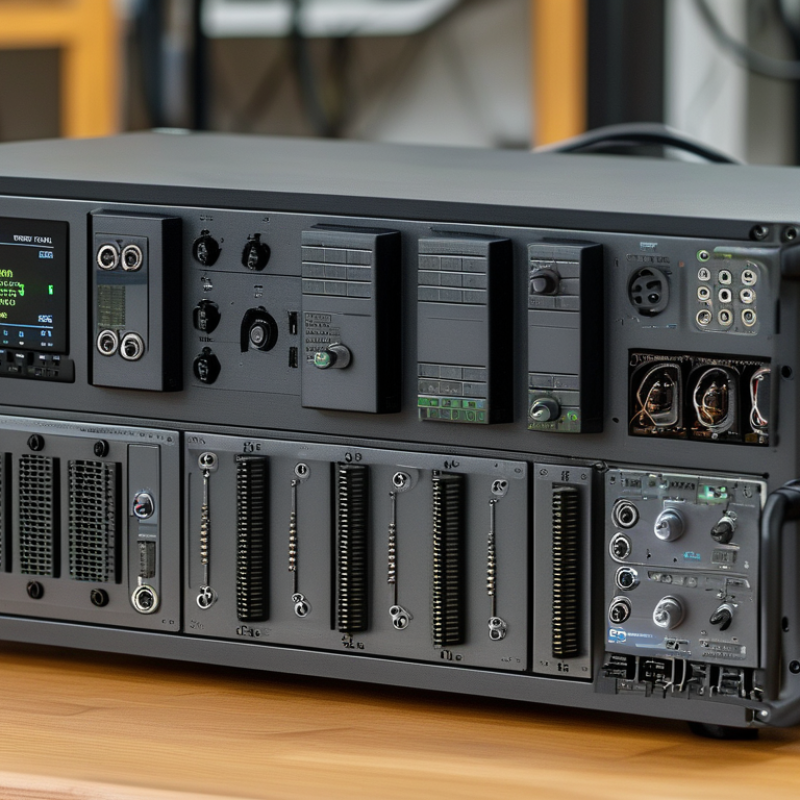
Programmable power supplies are essential tools in various industries. They provide precise voltage and current control, enabling users to test and power electronic devices effectively. Their flexibility is unmatched, catering to different voltage requirements and load conditions. Users can quickly adjust output settings, making them crucial for research and development applications.
These devices come with a variety of features. Some include remote sensing, which helps maintain voltage levels across long cable runs. Programmable interfaces allow for easy integration with automated systems. However, adapting to a new system can be challenging. The learning curve may hinder quick implementation. It's important to understand the specific needs before selecting a model.
Reliability is key in electronic testing. Programmable power supplies are designed to withstand various conditions. However, they can fail under stress or overload. Regular maintenance is necessary to ensure consistent performance. Users should also consider the environment these devices operate in. Temperature and humidity can affect their functionality. Investing in a quality unit reduces the risk of such issues.
Choosing a programmable power supply (PPS) requires careful consideration of several key factors to ensure optimal performance. Power supply specifications, including voltage range and current capacity, are essential. A recent industry report indicates that 75% of engineers prioritize output accuracy. This highlights the need for precise voltage and current adjustments in various applications.
Another critical factor is the interface. Many modern PPS options offer user-friendly digital interfaces. Intuitive controls can significantly enhance efficiency. Still, engineers often face challenges when integrating these systems into existing setups. Compatibility with existing hardware can vary, which might require additional adjustments.
Thermal performance must also be evaluated. Systems can generate heat under heavy load, impacting reliability. According to recent studies, up to 40% of power supply failures stem from thermal issues. Users should assess thermal management capabilities. Additionally, look for models that offer built-in protection features to guard against overloads. Balancing these factors often reveals trade-offs, underlining the importance of tailored solutions for specific applications.
When searching for top programmable power supply brands, global buyers must consider reliability and performance. Renowned brands in the market often emphasize precision and flexibility. Buyers appreciate options that can handle various voltage and current requirements. This adaptability is crucial for projects ranging from research labs to industrial applications.
Quality matters. Some brands offer excellent customer support that helps users navigate challenges with ease. However, not all brands maintain the same level of service. Buyers should read reviews and seek recommendations to ensure they choose a trustworthy name. Ensuring long-term reliability can prevent costly mistakes.
Another factor is user-friendliness. Not every programmable power supply is intuitive. Some designs might confuse users initially. It’s essential to explore user interfaces that simplify operation. Gathering feedback from existing users can highlight the strengths and weaknesses of different models. Understanding these nuances can lead to better purchasing choices, making the decision process smoother.
When selecting a programmable power supply, several key specifications must guide your choice. Parameters such as voltage range, maximum current output, and load regulation are fundamental. For instance, many models now offer precision voltage outputs that can be finely adjusted, often within 0.1% of the set value. Reports indicate that the demand for high-precision power supplies is increasing. A study by MarketsandMarkets predicts a CAGR of over 6% in the global power supply market.
Versatility is another critical factor. Modern programmable power supplies often incorporate multiple output channels that allow for simultaneous testing of several devices. These models can support power sequencing and profiling. Users should note that not all supplies handle transient loads effectively. A 2023 survey showed 30% of users encountered issues with load stability. This highlights the need for careful selection based on specific application requirements.
Tip: Always check the specifications of transient response time. A slower response can lead to inaccuracies in testing. Keep in mind that advanced features, such as remote monitoring, may come at a higher price. Assess which features are necessary for your usage to avoid overspending.
Consider compatibility with existing equipment. Several users ignore this, leading to additional costs. It’s essential to ensure your new power supply interfaces seamlessly with older systems. Gathering detailed data on your operational needs can inform better decisions.
| Model | Output Voltage (V) | Output Current (A) | Power Rating (W) | Number of Outputs | Programming Interface |
|---|---|---|---|---|---|
| Model A | 0-30 | 0-5 | 150 | 1 | USB, GPIB |
| Model B | 0-60 | 0-10 | 600 | 2 | Ethernet, USB |
| Model C | 0-20 | 0-15 | 300 | 1 | RS-232, USB |
| Model D | 0-50 | 0-20 | 1000 | 3 | LAN, USB, GPIB |
| Model E | 0-40 | 0-8 | 320 | 1 | USB, RS-485 |
When it comes to programmable power supplies, user feedback plays a crucial role in the decision-making process. Buyers often share their experiences on online forums and review sites. Many emphasize the need for reliability and ease of use. Some users recommend models that offer multiple output options. Others highlight the importance of precise voltage regulation. Such details can be invaluable for both novice and experienced users.
Reviewers frequently discuss the importance of the interface. A user-friendly display can make a significant difference. Some users appreciate models with intuitive controls. However, it’s crucial to consider that not all devices operate seamlessly. Issues like software glitches or compatibility problems can arise. Customers commonly reflect on their learning curves when using more complex systems.
In various discussions, feedback often reveals frustration with documentation quality. Many users report that manuals lack clarity. This can lead to a trial-and-error phase, which some find tedious. It’s essential for potential buyers to recognize these pitfalls. Users often suggest looking for units with comprehensive support and online resources. Engaging with a community can enhance the overall experience as well.
: They provide precise voltage and current control for testing and powering electronic devices.
Remote sensing helps maintain consistent voltage levels across long cable runs.
Reliability ensures accurate testing, but these devices can fail under stress or overload.
The learning curve can slow down implementation and usage of a new system.
Temperature and humidity can impact functionality, which may lead to performance issues.
Many users mention reliability, ease of use, and interface quality.
Manuals may lack clarity, leading to a tedious trial-and-error learning phase.
Good customer support can help users navigate challenges effectively.
Not all interfaces are intuitive; users may find some designs confusing.
Engaging with a community and finding comprehensive support resources can improve user experience.
Programmable Power Supplies (PPS) have become essential tools in various industries, offering features such as precise voltage and current control, remote operation, and flexibility to adapt to different testing environments. When selecting a Programmable Power Supply, buyers should consider factors such as output range, performance accuracy, programming capabilities, and safety features, ensuring that the device meets their specific application needs.
In the comparison of various models, a range of specifications can influence the decision-making process, including efficiency ratings and output stability. User reviews and recommendations provide valuable insights into the real-world performance of different models. By evaluating these aspects, global buyers can make informed choices, ultimately enhancing their operational efficiency and effectiveness in their respective fields.
