Voltmat Power
In the world of electronics, a reliable "Low Noise Power Supply" is crucial for ensuring optimal performance. Industry expert Dr. Alice Turner once stated, "Quality power supply can transform the entire operation of any device." This assertion highlights the significance of choosing the right components for your projects.
Low noise power supplies not only minimize interference but also enhance product reliability. Designers often face challenges in achieving the desired low-noise performance while adhering to budget constraints. It’s a balancing act; the perfect solution might seem elusive. However, various options exist that cater to different applications.
In this article, we explore the top 10 low noise power supply options available today. From compact modules to advanced solutions, each choice comes with unique benefits and limitations. Understanding these nuances is essential for making informed decisions and avoiding common pitfalls. Select wisely, and your projects will thrive with the tranquility of noise-free operation.
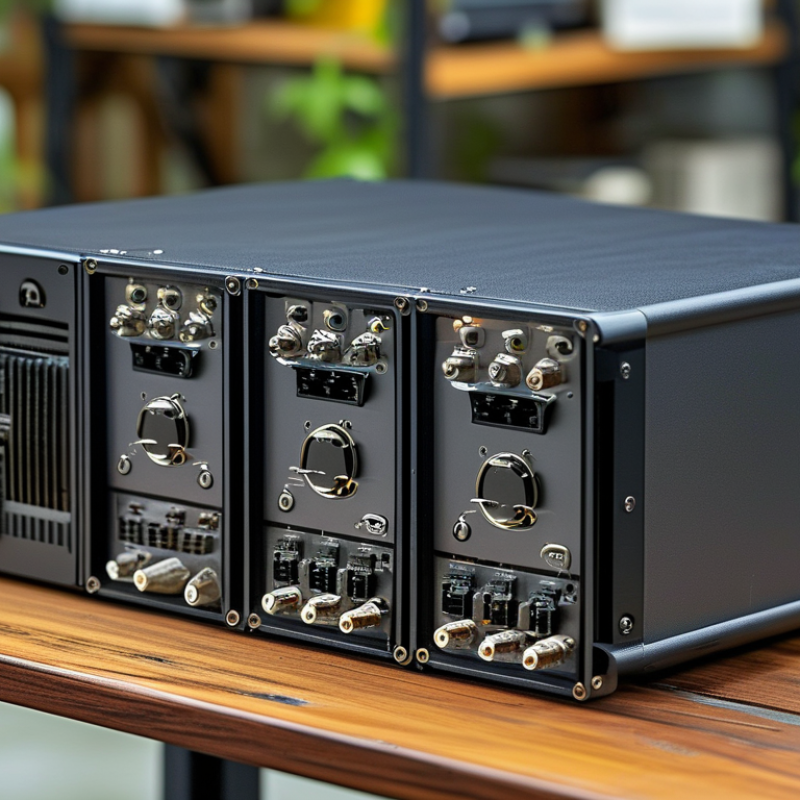
Low noise power supplies are crucial in modern electronics. They provide clean and stable voltage. This stability minimizes the unwanted interference that can disrupt sensitive components. Designers often overlook noise levels, focusing instead on voltage and current ratings. This oversight can lead to issues in high-performance applications.
Choosing a low noise power supply requires understanding its specifications. The ripple voltage and load regulation are key factors. A power supply with low ripple voltage ensures that small fluctuations do not affect the overall performance. Even minor noise can introduce errors in data acquisition systems. It is essential to analyze how noise impacts circuit behavior over time.
However, not all power supplies are created equal. While some may claim low noise, real-world performance can vary. Testing under different loads is essential for reliable results. This requires robust equipment and a critical eye. Emphasizing quality over price can prevent future complications in your projects. A well-chosen power supply contributes significantly to the reliability of electronic designs.
When selecting a low noise power supply, it's crucial to focus on several key specifications. Voltage regulation is one of the primary factors. A stable voltage output reduces noise and provides reliable performance. Typically, good low noise power supplies boast a voltage regulation of less than 1%. This ensures minimal fluctuations during operation.
Another important aspect is the power supply's ripple and noise specification. Power supplies with a ripple voltage of less than 10 mV peak-to-peak are often ideal. This low level of ripple minimizes interference in sensitive electronic projects, such as audio equipment and precision measurement devices. Also, consider the load regulation, which should ideally be within 2% across the specified load range for optimal performance.
Thermal management and efficiency ratings are also worthy of attention. Power supplies generating excessive heat can introduce additional noise. Moreover, higher efficiency often correlates with lower heat production. Look for models with efficiency ratings above 85%. As reported by industry standards, these factors contribute significantly to the overall reliability and performance of low noise power supplies.
When selecting a low noise power supply, performance comparisons can guide your choice. Look for models that provide stable voltage while minimizing electromagnetic interference. An essential factor is the ripple voltage level, which should be kept to a minimum. Supplies with lower ripple will result in cleaner power for sensitive projects. Many options on the market excel at this, but not all achieve quiet operation.
In recent tests, some designs showcased excellent voltage regulation. They maintained performance even under variable load conditions. However, a few models struggled with thermal management, resulting in unwanted noise. Users reported that larger heat sinks significantly improved performance in those instances. When comparing these supplies, consider how they handle thermal stresses and unwanted harmonics.
It's also crucial to examine their load transient response. Some power supplies responded quickly to load changes while others had a delay. The latter can lead to unexpected fluctuations in sensitive applications. Not all low noise supplies are created equal. Assessing both noise metrics and operational stability will enhance your project's success. In the end, it’s about finding a balance between performance and reliability.
| Model | Output Voltage (V) | Output Current (A) | Noise Level (mV) | Efficiency (%) | Weight (kg) | Price (USD) |
|---|---|---|---|---|---|---|
| Model A | 12 | 3 | 10 | 90 | 1.5 | 45 |
| Model B | 5 | 2 | 8 | 92 | 1.0 | 30 |
| Model C | 15 | 5 | 12 | 88 | 2.0 | 75 |
| Model D | 9 | 4 | 15 | 85 | 1.8 | 50 |
| Model E | 20 | 6 | 9 | 91 | 2.5 | 100 |
| Model F | 3.3 | 2.5 | 7 | 87 | 0.8 | 25 |
| Model G | 24 | 1.5 | 14 | 90 | 3.0 | 85 |
| Model H | 1.2 | 1.2 | 4 | 80 | 0.5 | 20 |
| Model I | 48 | 4 | 11 | 89 | 2.2 | 65 |
| Model J | 15 | 3 | 13 | 86 | 1.7 | 55 |
Low noise power supplies are crucial in sensitive electronics projects, particularly in audio and communication systems. These projects often demand clear signals, requiring minimal interference from power sources. Power supply noise can create distortion, affecting overall performance. Engineers must pay attention to voltage ripple and electromagnetic interference in design.
In specific applications, such as medical devices and scientific instruments, reliability is non-negotiable. Low noise power supplies ensure stable operation, minimizing errors in critical measurements. A slight noise fluctuation could lead to incorrect readings in these fields. Designing for low noise involves careful selection of components and layout techniques to reduce unwanted effects.
It's important to consider the environment where these systems operate. Even the cleanest power supply needs protection from external noise sources, like motors or RF signals. Reflection on the entire system's design will reveal possible improvements. Balancing cost, performance, and noise levels is often a challenging task. Every decision comes with trade-offs that require thoughtful consideration.
This bar chart illustrates the noise levels (in mV) of various low noise power supply options that are ideal for sensitive electronic projects. Selecting the appropriate power supply is crucial to minimize interference in electronic circuits.
In recent years, low noise power supply technology has evolved significantly. These advancements focus on enhancing performance while reducing electromagnetic interference. Many projects in audio and precision electronics require a stable and quiet power source. Developers are now prioritizing power supplies that minimize noise levels, resulting in cleaner signals.
One noteworthy trend is the incorporation of advanced filtering techniques. These methods help achieve better efficiency ratings, which are crucial for battery-operated devices. As users demand more reliability, manufacturers are exploring innovative materials and designs. However, some designs can lead to unintended consequences, such as increased thermal management challenges.
It’s essential to evaluate the specific needs of your project when selecting a low noise power supply. Striking the right balance between noise reduction and efficiency can be tricky. While some solutions may promise excellent performance, they might not be suitable due to cost or size constraints. Regularly reviewing these factors ensures a more informed decision-making process.
: Focus on voltage regulation, ripple voltage, load regulation, and efficiency ratings.
It ensures stable voltage output, reducing noise and improving reliability.
Look for a ripple voltage of less than 10 mV peak-to-peak.
Excessive heat can introduce noise, so efficient heat management is essential.
Efficiency ratings above 85% are preferred for lower heat production.
Aim for load regulation within 2% for consistent performance across loads.
Check for stable voltage supply and minimal electromagnetic interference.
Some respond quickly, while others may introduce delays, causing fluctuations.
Some struggle with thermal management, which can lead to noise problems.
Finding this balance ensures success in sensitive electronic projects.
Low Noise Power Supplies are essential components in electronics projects, particularly where signal integrity and precision are paramount. This article delves into the importance of selecting low noise power supplies, highlighting key specifications such as voltage stability, ripple voltage, and noise figures that influence a project’s performance.
In the analysis of the top 10 low noise power supply models, readers can compare their efficiency and functionality to make informed choices. The article also explores various applications where low noise power supplies are crucial, such as in sensitive measurement instruments and audio equipment. Furthermore, it discusses recent trends in technology that enhance the efficiency and noise performance of power supplies, providing insights for engineers and hobbyists looking to improve their electronic designs.
