 Voltmat Power
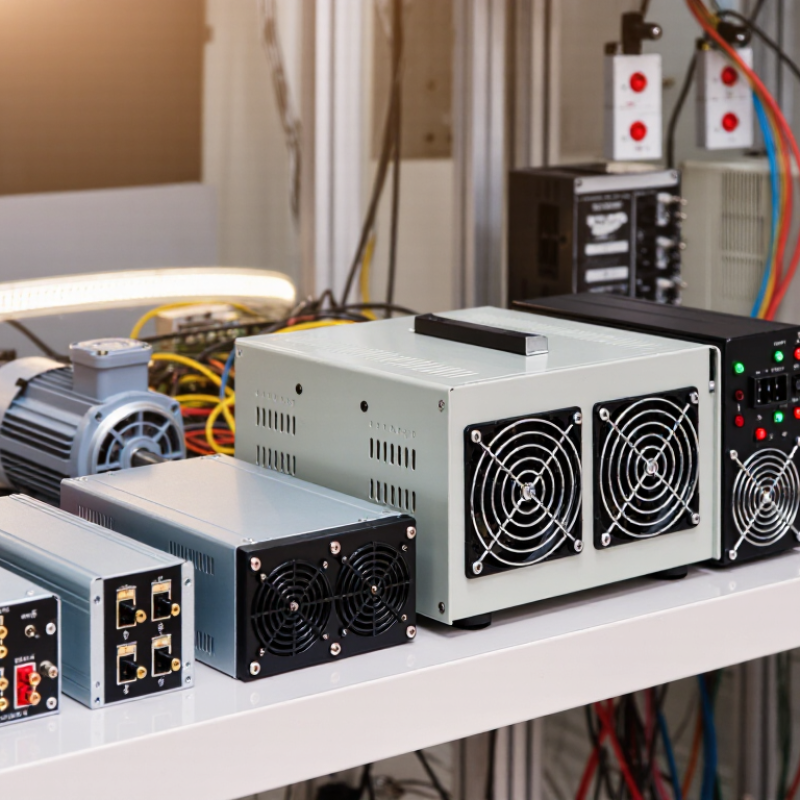
How to Choose the Right Constant Voltage Power Supply?
Selecting the Right Supply Type and Protection Features
A constant voltage power supply maintains a steady output, even when the load changes. Choosing the right type begins with the equipment’s voltage, current, and operating environment. Check the required output voltage first. Then add a practical current margin, often 20 to 30 percent. A supply running near its maximum rating may become hot and less reliable.
Indoor equipment may use an open-frame supply inside a protected enclosure. External devices usually need an enclosed model with suitable ventilation. Outdoor installations require stronger protection against moisture, dust, and temperature changes. I once underestimated heat buildup in a sealed cabinet. The supply worked, but its lifespan was clearly affected. That mistake changed how I review thermal details.
Protection features deserve equal attention. Look for overvoltage protection, overcurrent protection, short-circuit protection, and thermal shutdown. Input surge protection can help in areas with unstable mains power. For sensitive electronics, low ripple and good electromagnetic compatibility are also important. Certification marks should match the installation region and application requirements. Do not assume more protection always means better performance; unnecessary features can increase cost and complexity.
Tips: Read the complete datasheet, not only the output label. Confirm startup behavior, cooling clearance, wiring limits, and derating curves. Test the supply with the real load when possible. A small inspection may reveal unexpected noise, heat, or voltage drop.
