Voltmat Power Voltmat Power

Why Choose Linear Power Supply for Your Business Needs?

Time:2026-07-29 Author:Sienna
0%

In today's technology-driven landscape, selecting the right power supply is crucial for business success. A Linear Power Supply stands out for its stability and reliability. According to a recent report by the International Society of Automation, around 70% of electronic failures stem from power supply issues. This highlights the importance of choosing a dependable source.

Linear Power Supplies offer clean and consistent voltage output, minimizing noise. This benefits sensitive equipment and enhances overall performance. A study by Power Electronics Trends revealed that systems using linear power supplies experienced a 25% reduction in malfunction rates compared to switching supplies. Such statistics emphasize the value of reliability in critical applications.

However, it is essential to acknowledge that Linear Power Supplies may not be suitable for every situation. They can be less efficient at higher loads and may require more space than other options. Businesses should weigh these factors against their specific needs and operational budget. Making an informed choice can lead to greater efficiency and reduced downtime, ultimately enhancing business performance.
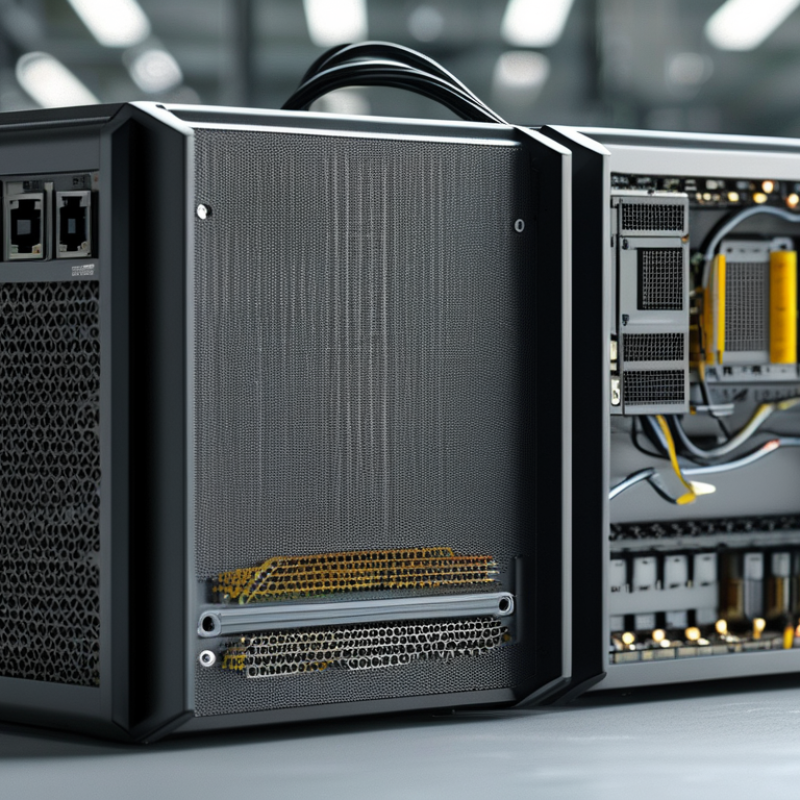
Why Choose Linear Power Supply for Your Business Needs?

Benefits of Linear Power Supplies in Business Operations

When considering power supplies for business operations, linear power supplies often stand out. Their simplicity allows for stable and clean power delivery. This stability is crucial for sensitive equipment, minimizing interference and potential data loss. Many businesses rely on precision for their devices, making linear supplies an excellent fit.

Tips: Always assess the power requirements of your equipment. A mismatch can lead to inefficiencies. Design your layout to accommodate any extra cooling needed. Linear supplies generate more heat, so planning is key.

Another aspect to consider is the noise factor. Linear power supplies are generally quieter than switching units. This translates to better performance in environments where signal integrity is vital. However, they may not be the best choice for every scenario. Evaluate your specific operational needs carefully.

Tips: Regularly monitor the performance of your power supply system. Look for signs of wear or overheating. This proactive approach helps ensure longevity and reliability. Be aware that linear supplies can be bulkier, impacting their installation. Manage your space effectively.

Why Choose Linear Power Supply for Your Business Needs? - Benefits of Linear Power Supplies in Business Operations

Feature Benefits Application Areas
Low Noise Operation Minimal electromagnetic interference, ensuring sensitive equipment operates reliably. Laboratories, audio equipment, medical devices.
Voltage Regulation Stable output voltage regardless of load changes, enhancing equipment performance. Industrial automation, telecommunications.
Durability Long lifespan with fewer maintenance needs, reducing long-term costs. Manufacturing units, data centers.
Thermal Stability Operations remain stable under varying temperature conditions, critical for reliability. Environmental monitoring, HVAC systems.
Simplicity in Design Easier to integrate with existing systems, saving time and resources. Research and development projects, prototyping.

Comparison of Linear Power Supplies vs. Switching Power Supplies

Linear power supplies (LPS) and switching power supplies (SPS) cater to different business needs. LPS are known for their simplicity. They deliver a stable output voltage, which is critical for sensitive electronic devices. This reliability is complemented by their low noise operation. In contrast, SPS can introduce electrical noise. According to a recent industry report, 75% of engineers prefer LPS for high-precision applications.

The thermal performance of LPS is also noteworthy. They tend to operate at lower temperatures compared to their SPS counterparts. This results in enhanced longevity for the devices they power. However, LPS tend to be bulkier and less energy-efficient. Data indicates that LPS convert only about 60-70% of input power efficiently, while SPS can exceed 90%. The trade-off is evident: while LPS may be less efficient, their stable performance plays a crucial role in applications like medical devices and audio equipment.

Cost considerations are another point of debate. LPS typically have a higher initial purchase cost. Yet, businesses might save money in the long term due to improved reliability and decreased maintenance needs. However, selecting the right power supply isn't always straightforward. It requires careful consideration of application requirements and potential trade-offs. Ultimately, the decision must balance efficiency, size, and reliability for the specific use case.

Key Applications of Linear Power Supplies in Various Industries

Linear power supplies are fundamental in various industries due to their stability and reliability. In medical devices, for example, they ensure precise voltage output, crucial for sensitive equipment. A stable power supply can be the difference between accurate diagnostics and errors that pose risks to patient safety.

In telecommunications, the need for clean and noise-free power is vital. Linear power supplies help maintain signal integrity, supporting uninterrupted communication. Moreover, manufacturing environments benefit from their robustness. These supplies can withstand demanding conditions, offering consistent performance even in challenging settings.

However, linear power supplies do have limitations. They can be less efficient compared to switch-mode supplies. Increased heat generation is a common concern, requiring effective cooling solutions. Balancing efficiency and reliability is a continuous challenge for engineers. Addressing these issues can lead to improved designs that meet industry demands while ensuring optimal performance.

Factors to Consider When Choosing a Linear Power Supply

When considering a linear power supply for your business, several factors come into play. Reliability tops the list. A stable power supply minimizes downtime. This stability is essential for sensitive equipment. Noise levels also matter. Linear supplies tend to produce less electrical noise compared to their switching counterparts. This can lead to better performance in audio and measurement applications.

Another critical aspect is heat management. Linear power supplies generally operate at lower efficiency. They can generate excess heat. Make sure to install adequate cooling solutions. Failing to manage heat can lead to premature failure of components.

Tips: Assess your equipment requirements carefully. Consider the voltage and current ratings needed. Also, think about future scalability. Choose a model that can adapt to your evolving needs. Lastly, consult with professionals in the industry for insights. Their experience can guide you toward making informed decisions.

Comparative Analysis of Power Supply Types

This chart compares the efficiency of various types of power supplies commonly used in businesses. The linear power supply, while generally less efficient than switching power supplies, is favored for its low noise and stability, making it suitable for sensitive applications. Understanding these factors is key to selecting the right power supply for your business needs.

Long-Term Cost Efficiency of Linear Power Supplies for Businesses

Linear power supplies often stand out for their long-term cost efficiency, especially in business settings. According to a report by the Institute of Electrical and Electronics Engineers (IEEE), linear power supplies tend to have lower operational costs because of their simplicity. They can generate less noise, resulting in reduced maintenance for sensitive equipment. A study showed that businesses using linear supplies experienced up to 30% lower failure rates compared to switching power supplies.

However, while the initial investment can be higher, the lifespan of linear power supplies often justifies the cost. The average lifespan can exceed 10 years, as noted in data from the International Electrotechnical Commission (IEC). This longevity directly impacts capital expenditures and overall budget management. Businesses might rethink their short-term savings and consider long-term benefits.

Despite these advantages, linear power supplies have their drawbacks. They can be bulkier and less efficient at higher loads. Some organizations may find it challenging to balance space and efficiency needs. It’s essential for businesses to weigh the long-term costs against any immediate challenges.

FAQS

: What is a linear power supply?

: A linear power supply provides stable and clean power, crucial for sensitive equipment.

Why are linear power supplies preferred for sensitive equipment?

They minimize interference, reducing potential data loss and ensuring precise performance.

How can heat management affect linear power supplies?

Linear supplies generate more heat, which can lead to component failure if not managed properly.

What are the noise levels like with linear power supplies?

Linear power supplies are generally quieter compared to switching units, benefiting environments that require signal integrity.

What should I consider when choosing a linear power supply?

Assess voltage, current requirements, and possible future scalability to ensure it meets evolving needs.

How do linear power supplies impact long-term costs for businesses?

They often have lower operational costs and longer lifespans, which can justify higher initial investments.

What challenges might arise with linear power supplies?

They can be bulkier and less efficient at high loads, requiring careful space and efficiency planning.

How can businesses ensure the longevity of their power supply systems?

Monitor performance regularly and look for signs of wear or overheating to prevent failures.

Is it necessary to consult professionals when choosing power supplies?

Yes, industry professionals can provide insights and guidance for making informed choices.

What should I do if my linear power supply is overheating?

Implement additional cooling solutions and reassess your installation layout for better heat management.

Conclusion

Choosing a Linear Power Supply for your business needs offers numerous advantages that can significantly enhance operations. Linear Power Supplies are known for their simplicity, reliability, and minimal electromagnetic interference, making them ideal for sensitive applications in sectors like telecommunications, medical devices, and audio equipment. When compared to switching power supplies, linear options provide smoother output voltage and current, which is crucial for precision-sensitive operations.

When selecting a Linear Power Supply, businesses should consider factors such as load requirements, efficiency, and thermal management. Despite often being more expensive upfront, the long-term cost efficiency of Linear Power Supplies can be appealing, as they typically have a longer lifespan and lower maintenance costs. Overall, opting for a Linear Power Supply can lead to enhanced performance and reliability, making it a wise choice for various industrial applications.

Sienna

Sienna

Sienna is a skilled marketing professional with a deep expertise in our company’s core products and services. With a passion for innovation and detail, she plays a pivotal role in crafting insightful blog posts that not only highlight the unique features of our offerings but also provide valuable......